
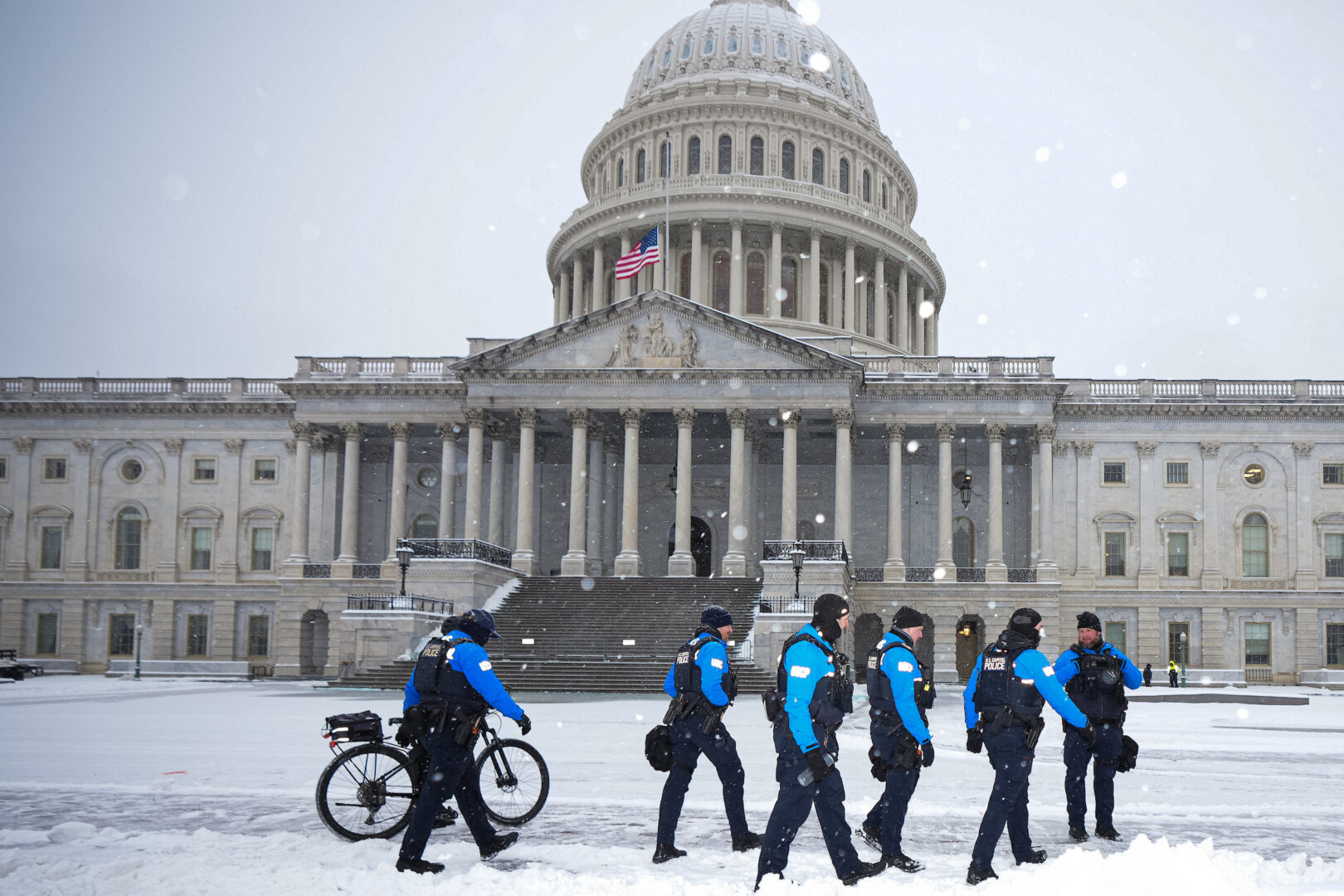
A strange object in public view can trigger very ordinary legal rules. This week, U.S. Capitol Police arrested a man after officers say they spotted a guillotine in the bed of a pickup truck parked illegally along East Capitol Street, not far from the U.S. Capitol, the Supreme Court, and the Library of Congress. Police identified the man as Philan-Tam-Duy Le of Julian, California, and said he was arrested on suspicion of “carrying a dangerous weapon” and being in possession of the guillotine.
When people hear “Capitol security,” they often imagine a completely separate legal universe. In reality, most of what governs searches, seizures, and arrests is familiar: the Fourth Amendment, plus a web of federal and D.C. criminal laws that can apply on and around Capitol-related areas.
Below is a calm, practical walk-through of what Capitol Police can generally look at, search, take, and charge when something like this happens. (As always, exact charges depend on facts investigators can prove.)
Join the Discussion
What happened
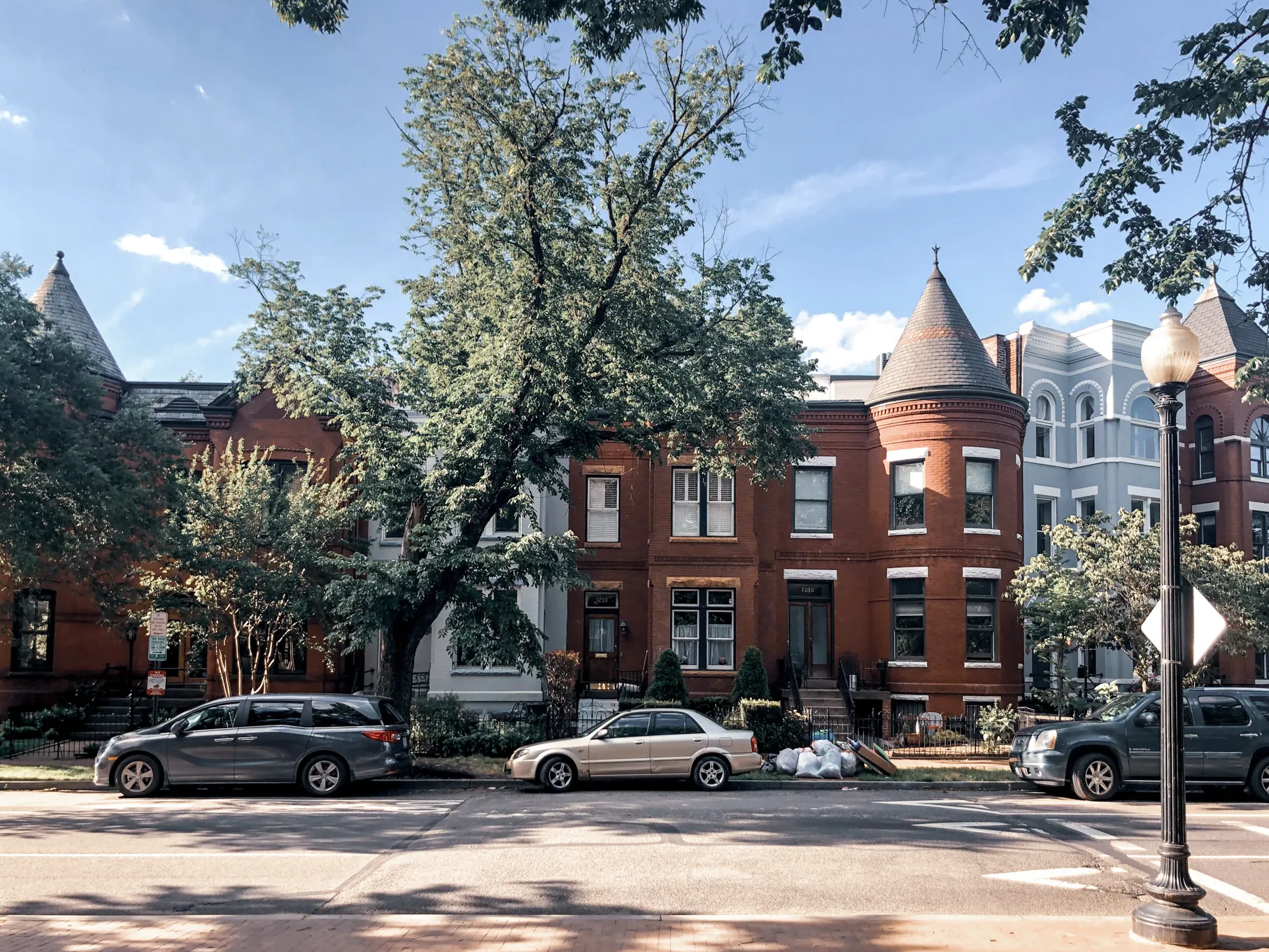
Capitol Police said officers noticed a pickup truck that was parked illegally along the 100 block of East Capitol Street. In the bed of that truck, officers said they observed a guillotine. Police later stated they seized it and arrested Le.
In a public post, U.S. Capitol Police wrote: “This afternoon our officers seized a guillotine, which they spotted in the bed of a pickup truck along the 100 block of East Capitol Street.”
Police have said they are investigating why the man drove to Washington from California. A relative said the guillotine was probably a “symbol of disapproval” and added, “I don’t think he’d hurt anyone.” The same relative described Le as generally unhappy with the state of politics, not a fan of either major political party, and as disliking both Gov. Gavin Newsom and President Trump.
Those statements may matter for context, but they do not decide what police can do legally in the moment. What matters first is: What did officers see, where did they see it, and what authority did they have at that location?
Who are Capitol Police?
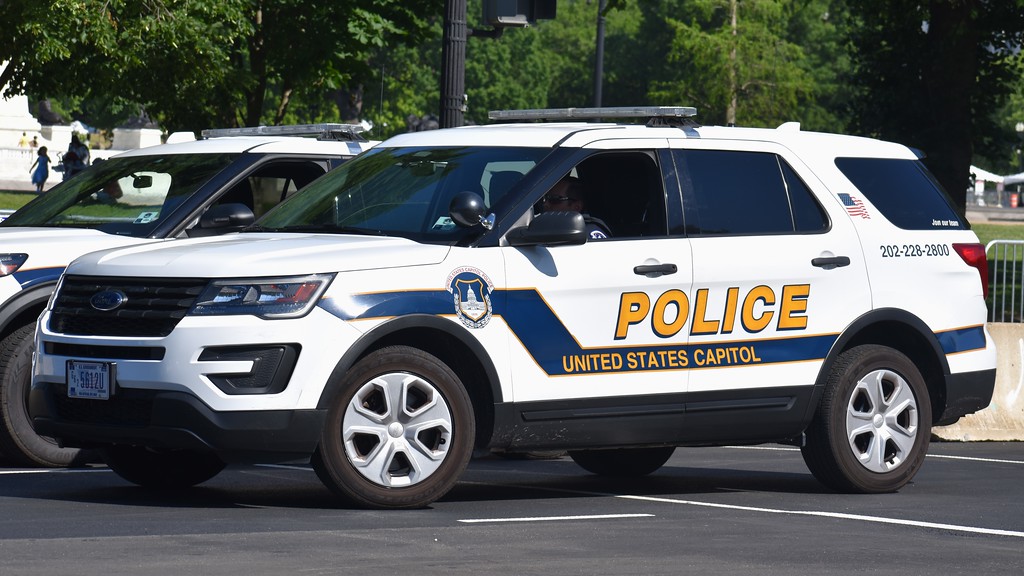
U.S. Capitol Police are federal law enforcement officers charged with protecting the Capitol complex and the people who work and visit there. Their day-to-day mission is security, but their legal powers look like other police powers: they can investigate crimes, make arrests, and enforce laws within their jurisdiction.
That jurisdiction includes the Capitol campus and surrounding areas tied to congressional operations, plus additional authority that can apply in connected zones and when protecting members of Congress. When a situation develops near the Capitol, their response is typically governed by the same constitutional limits that apply to any officer: reasonableness under the Fourth Amendment.
Fourth Amendment basics
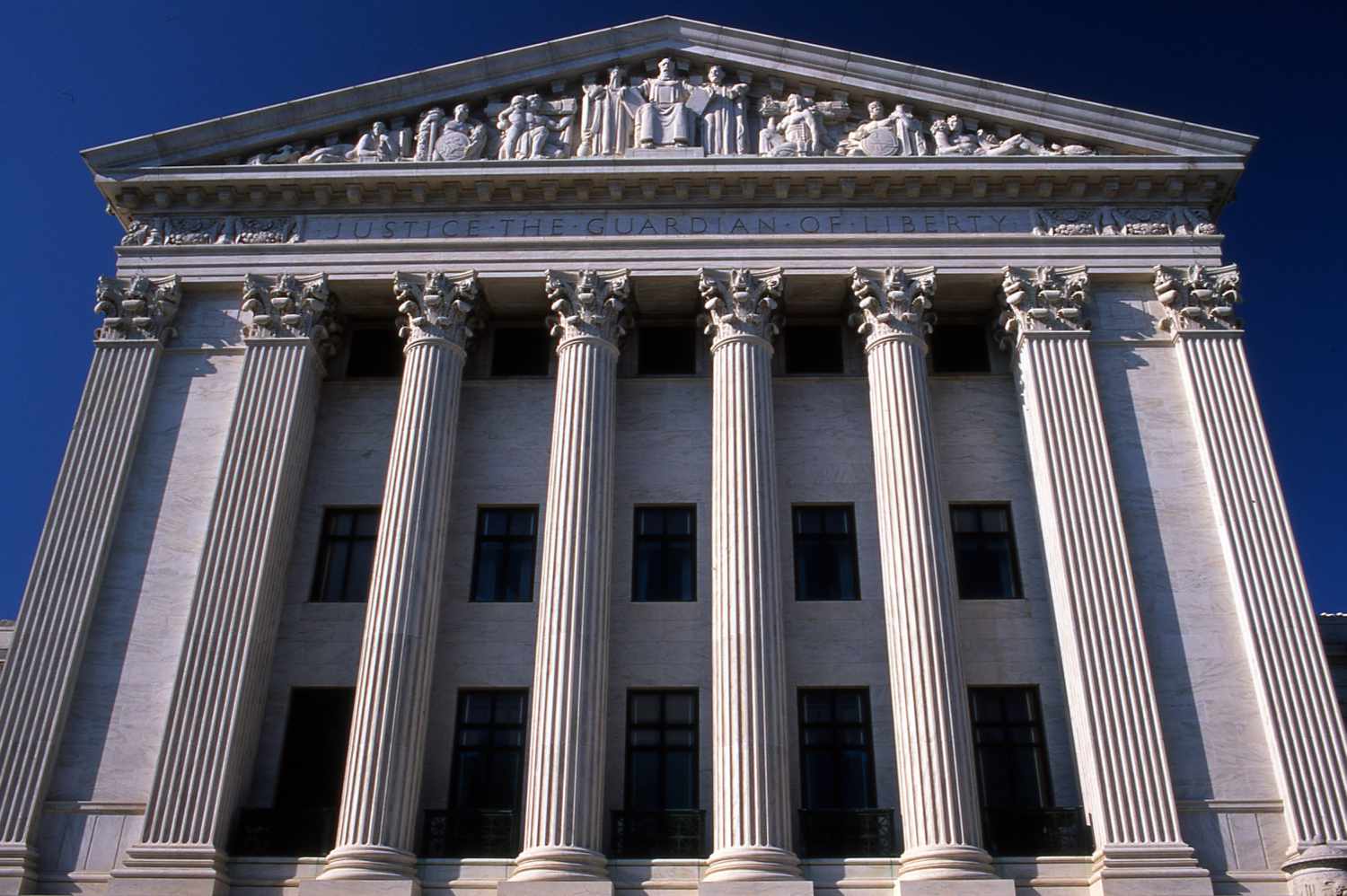
The Fourth Amendment is the short constitutional clause behind many of the practical questions people ask after an arrest like this: Can police look? Can they open things? Can they take property? Can they tow the truck?
Here is the helpful librarian version:
- Looking is often not a “search.” If something is in plain view from a lawful vantage point, an officer generally does not need a warrant to observe it. A large object sitting openly in the bed of a pickup truck is a classic “plain view” setup.
- A “search” usually means an intrusion into a protected area. Opening a closed container, entering the cab of a vehicle, or probing inside compartments can require a warrant or a recognized exception.
- A “seizure” is taking control of property. Physically removing an item from the truck bed, impounding the vehicle, or towing it are seizures and must be justified under law.
In other words: spotting an object and taking an object are legally different steps, each needing its own justification.
When a seizure can happen fast
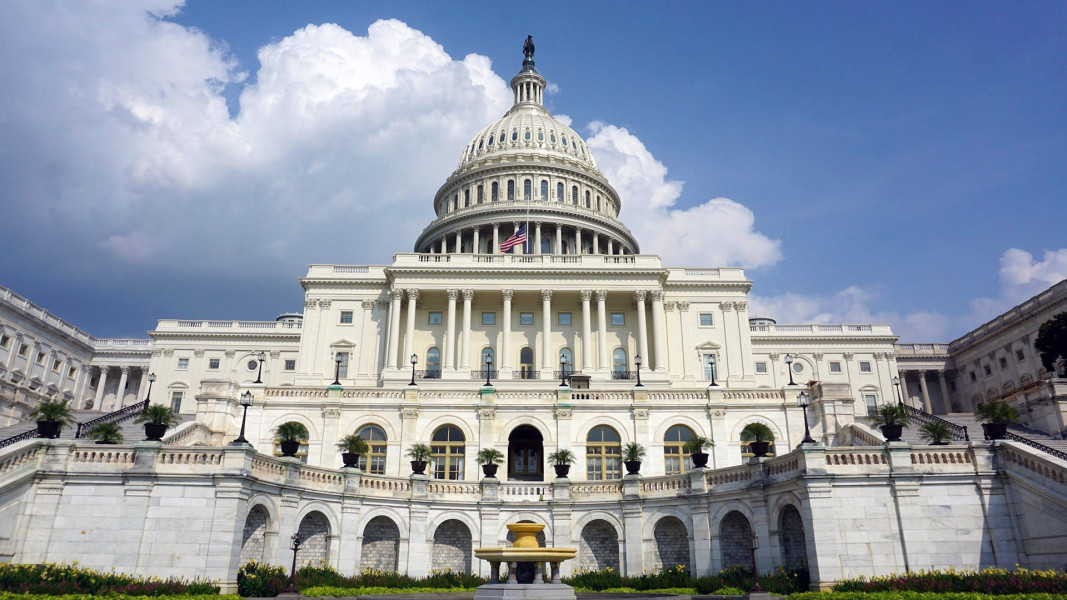
Even when police do not have a warrant in hand, several well-established rules can allow immediate action. The key point is that these are general doctrines. What applies in any specific case depends on the details officers can later document and prove.
1) Plain view (and lawful access)
If officers are lawfully present and an item’s apparent connection to a crime is immediately obvious, the plain-view doctrine can allow seizure. That “immediately obvious” requirement is a legal standard, and whether it is satisfied in any particular case can be disputed and turns on what officers observed and what law they believed applied at the location.
2) Vehicle-related exceptions
Cars and trucks are treated differently than homes because they are mobile and heavily regulated. If officers develop probable cause that a vehicle contains contraband or evidence of a crime, they can often search parts of the vehicle without a warrant under the automobile exception. The scope depends on what they have probable cause to believe is inside.
3) Safety steps while facts get sorted
Near major government buildings, officers may take short-term steps to secure what they reasonably perceive as a potential hazard while they determine what laws apply and what, if any, safety risks are present. In court, the government still must show any seizure and any further search were reasonable under the circumstances.
4) Impound and inventory
If a vehicle is towed or impounded for reasons like illegal parking, officers can conduct an inventory search under standardized procedures to document property and protect against claims of theft. An inventory search is not supposed to be a fishing expedition, but it can lawfully uncover evidence and lead to additional charges.
Screening at the Capitol
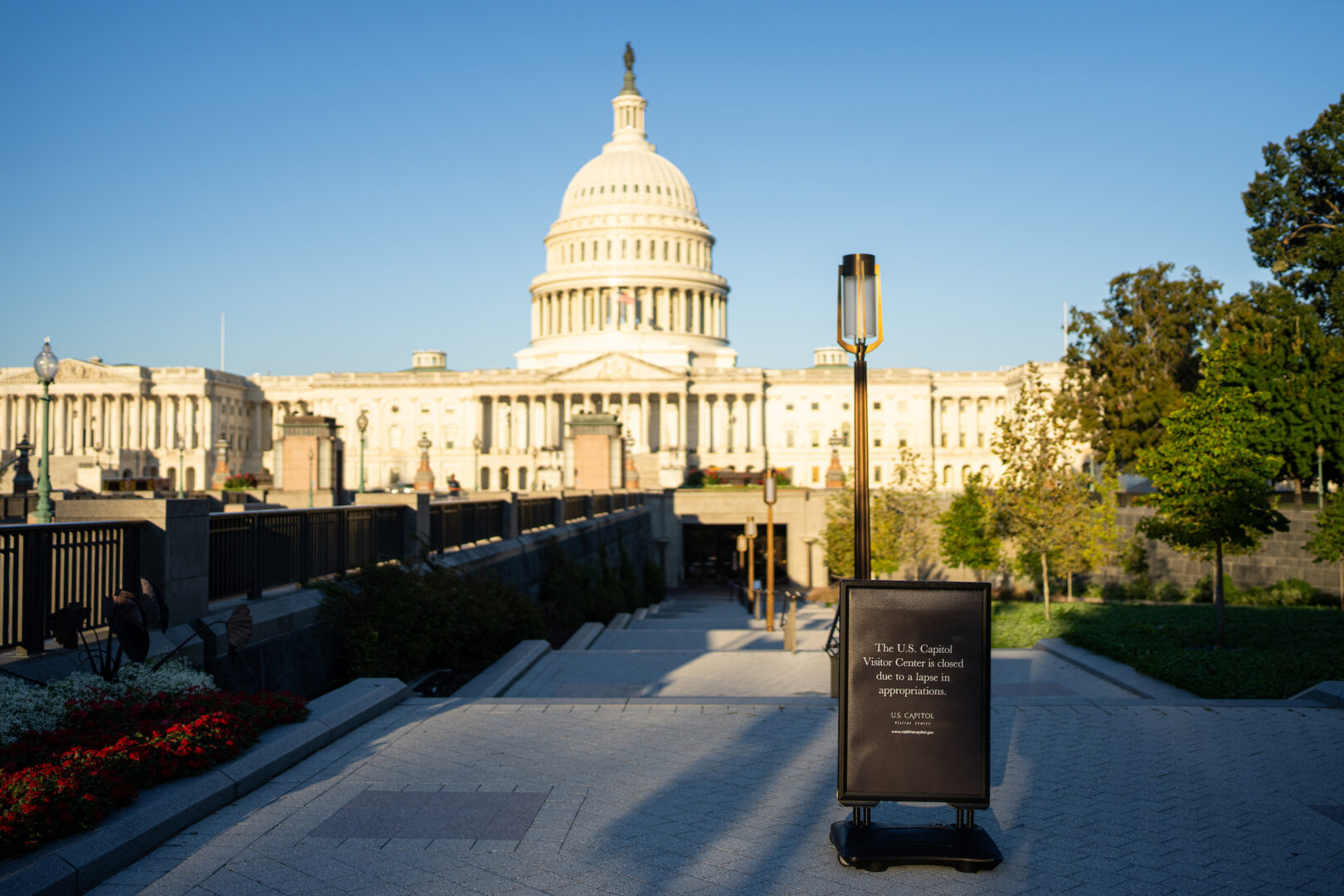
If you enter controlled access points in the Capitol complex, your legal expectations change. Screening at entrances is usually treated as an administrative search for public safety, similar in principle to airport screening. That is why people can be required to pass through magnetometers and have bags inspected as a condition of entry.
Important distinction: an administrative screening is meant to keep weapons and prohibited items out, not to investigate unrelated crimes. But if contraband is discovered during a lawful screening, it can still be seized and referred for prosecution.
In this incident, the object was reportedly observed outdoors in a truck bed, which is a different setting than entry screening. More broadly, the closer conduct is to controlled entry points or clearly restricted government spaces, the more likely weapon and dangerous-item rules are to be enforced aggressively.
What charges are possible?
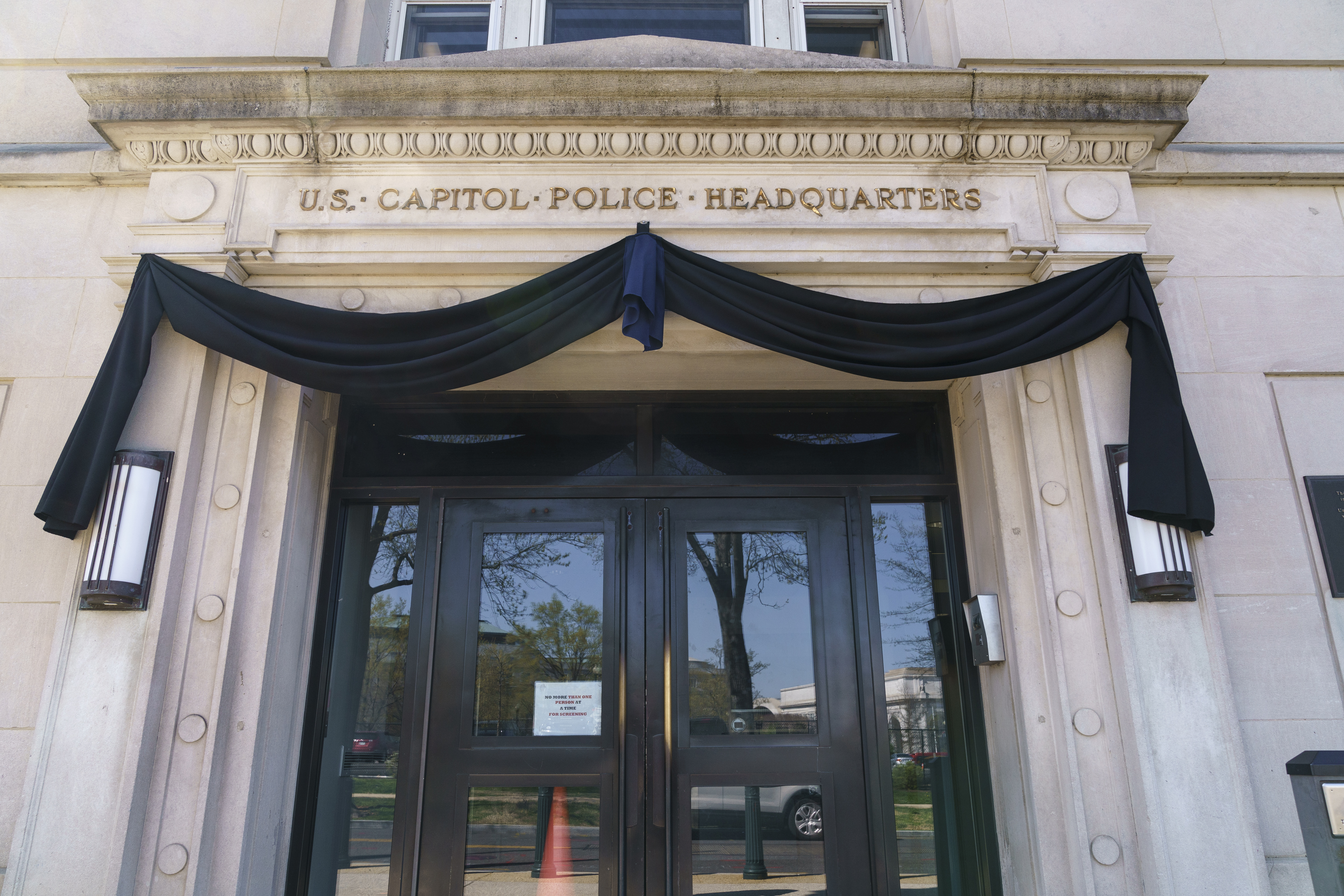
Capitol Police said the arrest was for suspicion of carrying a dangerous weapon and being in possession of the guillotine. In the Capitol area, several overlapping legal authorities can be relevant, including federal statutes and local D.C. offenses that federal officers can enforce depending on the location and circumstances.
Here are common buckets prosecutors often evaluate in weapons-adjacent cases near major government buildings:
- Weapons or dangerous-weapon possession in restricted places. Some federal areas and government facilities have heightened rules. Whether a specific spot is legally “restricted,” and what notice or boundaries matter, is a fact and law question prosecutors evaluate case by case.
- Unlawful possession or carrying under D.C. law. Washington, D.C. has its own weapons regulations. If the conduct fits a D.C. offense and occurred in D.C., those provisions can become charging options.
- Threat-related crimes. Possessing a dramatic object is not automatically a threat. But if investigators find statements, messages, or conduct that communicates an intent to harm officials or disrupt government, prosecutors often evaluate threat statutes.
- Disorderly conduct, unlawful entry, or restricted-area violations. If a person crosses barricades, refuses lawful orders, or enters restricted zones, those charges can apply even when the underlying object is not used.
A crucial point: “Can they charge?” is not the same as “Will they convict?” Conviction requires proof beyond a reasonable doubt and, depending on the statute, proof of intent or knowledge.
What happens next?
Once police seize an item they consider evidence, it is typically booked into an evidence system with chain-of-custody documentation. If charges are filed, prosecutors may seek to keep the item as evidence through the case.
The vehicle can also be towed or held depending on why it was seized. If it was towed simply for illegal parking, it may be processed through ordinary impound rules. If investigators believe it contains evidence or was used in a crime, it may be held longer, subject to court oversight.
Common questions
Is it illegal to own a guillotine?
Ownership by itself is not automatically illegal everywhere. The legal risk usually comes from where it is brought, how it is carried, and whether the law treats it as a prohibited weapon or dangerous device in that setting.
Can police arrest you just for having something scary-looking?
Not simply for being unsettling. But if officers have probable cause that the item qualifies as a prohibited dangerous weapon under applicable law, or if it is possessed in a restricted area, an arrest can be lawful even before intent is fully established.
Do you have fewer rights near the Capitol?
Your constitutional rights do not disappear. But security-sensitive locations can have stricter rules about access and weapons, and courts often uphold narrowly tailored safety measures in places like government buildings and controlled entry points.
If it was “symbolic,” does that protect it under the First Amendment?
Symbolic expression can be protected, but the First Amendment does not create a blanket immunity from neutral weapons restrictions or restricted-area rules. Courts often ask whether the government is regulating the message or regulating a dangerous object in a sensitive place.
The takeaway
When unusual objects appear near major government institutions, law enforcement’s first job is safety, and their second job is to build a case that holds up in court. The Constitution lives in that space between the two.
As more facts emerge about why the truck was there and what investigators found beyond the object in plain view, the legal questions will sharpen. But the framework is already familiar: the Fourth Amendment governs how evidence is obtained, and criminal statutes define what counts as a weapon, a restricted area, or a threat.