
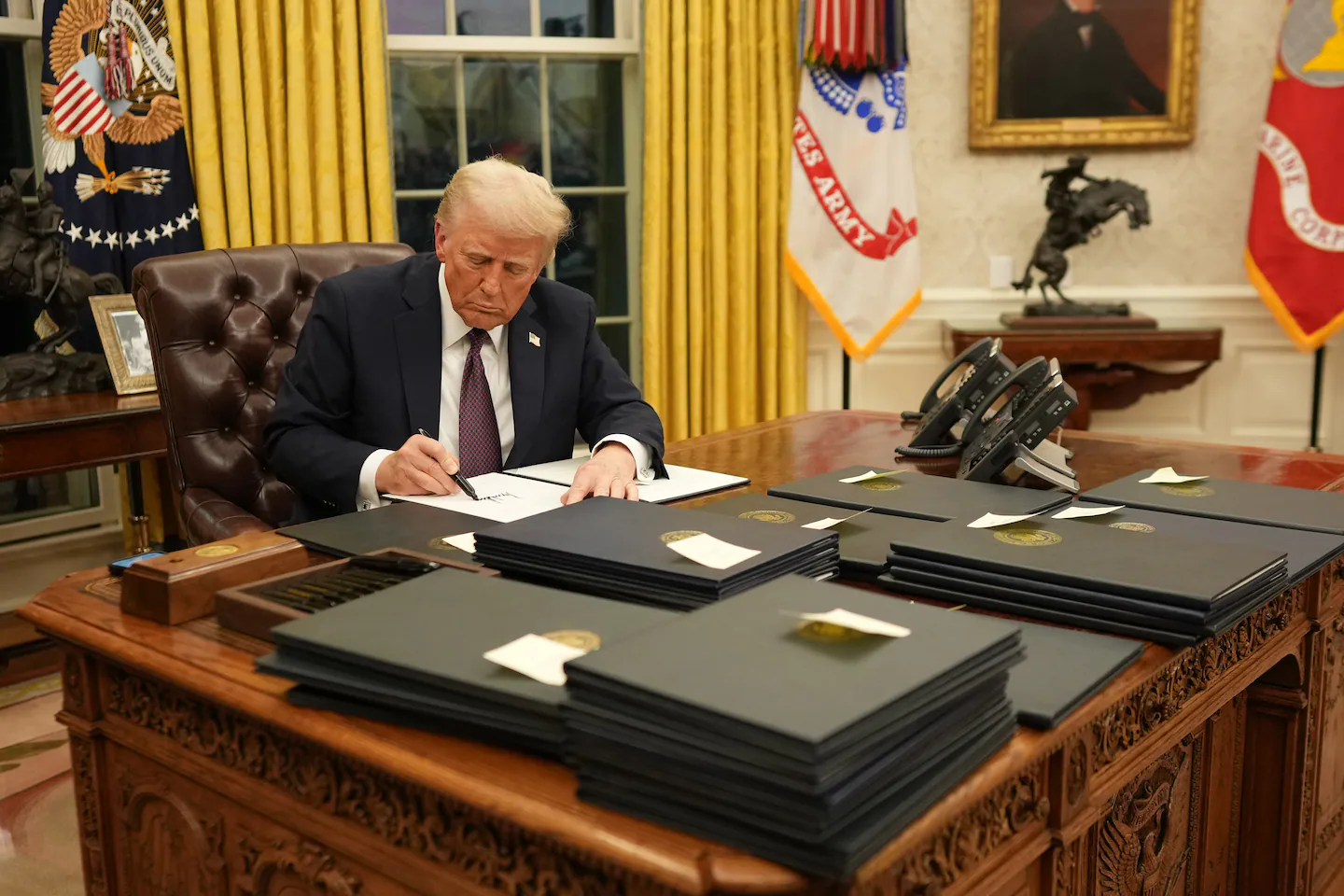
President Donald Trump signed an executive order on August 27, 2026 directing the federal government to rename Lake Ontario as “Lake America,” and he framed it as taking effect “effective immediately.” The backlash was immediate too, including Canadian diplomatic pushback and a wave of corrections about the lake’s Indigenous name origins.
But the lasting civics question is not whether a name change is tasteful or ridiculous. It is whether a president can do this at all.
The short answer is: a president can rename plenty of things inside the federal government’s own paperwork and signage. A president cannot, by executive order, force Canada to adopt a new name, rewrite international agreements, or magically make the rest of the world’s maps comply.
Join the Discussion
What an executive order really is
An executive order is not a constitutional spell. It is a directive from the president to the executive branch, telling federal agencies how to carry out laws and manage federal operations.
That sounds broad because it is broad. The president sits atop the executive branch. Agencies take instructions. Federal policy changes quickly when the White House wants it to.
But executive orders have built-in limits:
- They do not create new powers for the president. They must rest on constitutional authority (like the president’s duty to supervise the executive branch) or on authority Congress has already given by statute.
- They cannot bind Congress. Congress can override many executive-branch policies by changing the underlying law, controlling appropriations, or conducting oversight.
- They are vulnerable in court. If an order exceeds statutory authority, violates the Constitution, or conflicts with existing law, a judge can block it.
- They can be reversed. A later president can revoke or amend a prior president’s executive order with the stroke of a pen, unless Congress has locked something in by statute.
So the proper way to read an executive order is not “this is now reality.” It is “this is how the federal executive branch will behave unless something stops it.”
What can the president rename, legally?
The key is jurisdiction. If the federal government controls the thing, funds the thing, or produces the official materials about the thing, it has room to standardize naming.
That can include:
- Names used in federal publications and databases (agency maps, reports, websites, datasets).
- Names on federal property where the executive branch controls signage and communication.
- Terminology across executive agencies for consistency, including how federal employees are instructed to refer to geographic features in official communications.
So in the narrowest, most legally defensible sense, a “Lake America” directive can mean: “Federal agencies, in your documents and products, use this label.” That is a real exercise of executive management.
It is also far less sweeping than the viral version people imagine.
What the president cannot rename with an executive order
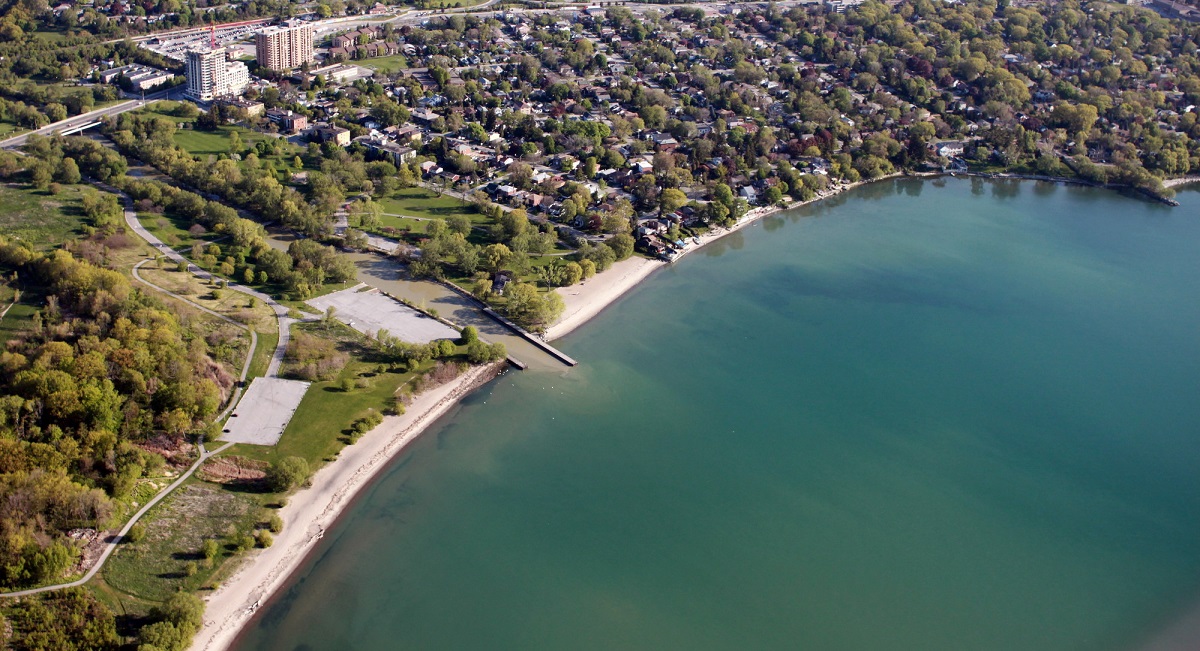
Names do not exist in only one legal system. Lake Ontario is shared water, shared history, and shared geography. That means multiple governments, and multiple publics, have a stake in what it is called.
Even if the U.S. federal government adopts a new label internally, an executive order cannot do several things people implicitly assume it can:
- It cannot compel Canada to change its official usage. Canada can continue using “Lake Ontario” in its own laws, maps, schools, and agencies, and it already signaled it will.
- It cannot change what private actors choose to say. Publishers, map companies, broadcasters, universities, and ordinary citizens are not federal agencies. They can call a lake whatever they want, subject to their own standards and markets.
- It cannot rewrite treaties or boundary understandings. The Great Lakes are governed by a web of binational cooperation and longstanding practice. Changing a label does not change a legal regime.
This is why Canadian Prime Minister Mark Carney’s response focused on identity and history rather than compliance. In a public statement, he defended the name Lake Ontario as rooted in the Wendat word Ontari’io and described the name as more than 400 years old, predating both modern Canada’s confederation and the United States’ Declaration of Independence.
That is not a technical rebuttal. It is a jurisdictional one: an American executive order does not rename Canadian reality.
The hidden bureaucracy of place names

Most people think place names are controlled by the same entity that controls the place. In practice, governments maintain naming standards through administrative processes so that maps, emergency management, navigation, and public records do not become a mess.
In the United States, geographic naming has long been handled through federal standardization practices that aim to keep agencies consistent. That matters because agencies produce everything from nautical charts to environmental assessments. If one federal agency calls something by Name A and another uses Name B, the confusion is not academic. It can be operational.
An executive order can try to force consistency across the executive branch. But consistency is not the same thing as universal acceptance, especially when the feature crosses an international boundary and sits inside centuries of shared usage.
Why the Indigenous-name correction went viral
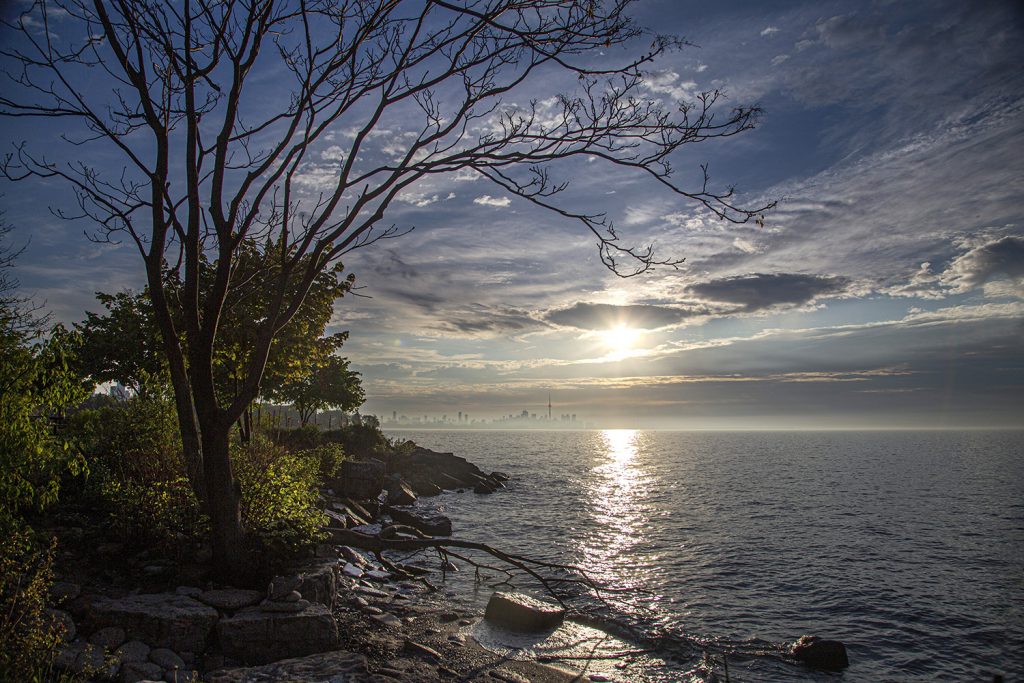
One reason this story moved so fast is that it collided with a common misunderstanding: that Lake Ontario is named after the Canadian province of Ontario.
In fact, the name is widely traced to Indigenous usage, including Iroquois and Huron (Wendat) language roots. That is why Carney emphasized Ontari’io and translated it as meaning “the lake is beautiful, the lake is big.” The point was not only linguistic. It was moral and historical: the name is older than modern political borders.
Renaming debates often trigger a predictable pattern. People start by arguing about modern politics. Then they discover the deeper timeline underneath, where the “original” name is not English or French at all.
So what changes on day one?
If the order is implemented as a typical executive-branch directive, the immediate effects are bureaucratic, not geographic:
- Federal agencies may update style guides and internal references.
- Some federal web pages and documents may shift to “Lake America.”
- Federal communications may instruct employees to use the new term.
What probably does not change on day one is what the rest of the world calls the lake, what Canada calls the lake, or what your seventh-grade geography teacher calls the lake.
Which is why the online reaction split into two camps: those treating the order as a show of presidential will, and those treating it as a rebranding attempt with no legitimate claim on a shared, cross-border feature.
The constitutional lesson: executive power is strongest inside the executive branch
There is a temptation, in moments like this, to argue about whether something is “constitutional” as if the Constitution contains a master list of allowed and forbidden executive-order topics.
It does not. The Constitution sets the structure: Congress legislates, the president executes, courts adjudicate. Real constraints come from statutes, funding, treaties, and judicial review, plus the basic practical fact that a president can only directly command the executive branch.
So the durable civics takeaway is simple:
- An executive order can rename how the federal government speaks.
- It cannot rename how everyone else must speak.
- And it cannot rename a shared world into compliance.
If “Lake America” sticks anywhere, it will stick where presidential power is actually thickest: inside federal administration. If it fails, it will fail where presidential power has always been thinnest: outside the executive branch, across a border, and inside public memory.
FAQ: the questions people are really asking
Is it illegal for Trump to issue an order renaming a lake?
Issuing an order is not automatically illegal. The legal fight, if one comes, would be about authority: whether the president has lawful power to direct agencies to adopt that label, and whether the order conflicts with any governing statutes or required procedures.
Does the order change what the lake is called on maps?
It can change what appears on federal maps and documents, depending on implementation. It does not automatically change private maps, state materials, Canadian maps, or international usage.
Can Canada ignore the order?
Yes. Canada is a separate sovereign. It can retain “Lake Ontario” in its own official use, and Prime Minister Mark Carney has already publicly defended that name and its Wendat origin.
Could Congress stop this?
Potentially. Congress can legislate naming standards for federal usage, restrict appropriations for implementing the change, or conduct oversight that pressures agencies to maintain existing conventions.
Could a future president reverse it?
Yes. Executive orders are among the most reversible tools in American government. A subsequent president can rescind or revise the order, often quickly.