
Florida just drew a much brighter line around a familiar question: When the government gives cash assistance, does it get to decide what “counts” as an acceptable purchase?
The state has updated the rules for its Temporary Cash Assistance (TCA) program to block recipients from using cash benefits loaded onto EBT cards for an expanded list of purchases labeled non-essential. The prohibited spending includes tattoos and body piercings, theme park admission, video games, vaping and nicotine products, and pornography products, among other categories.
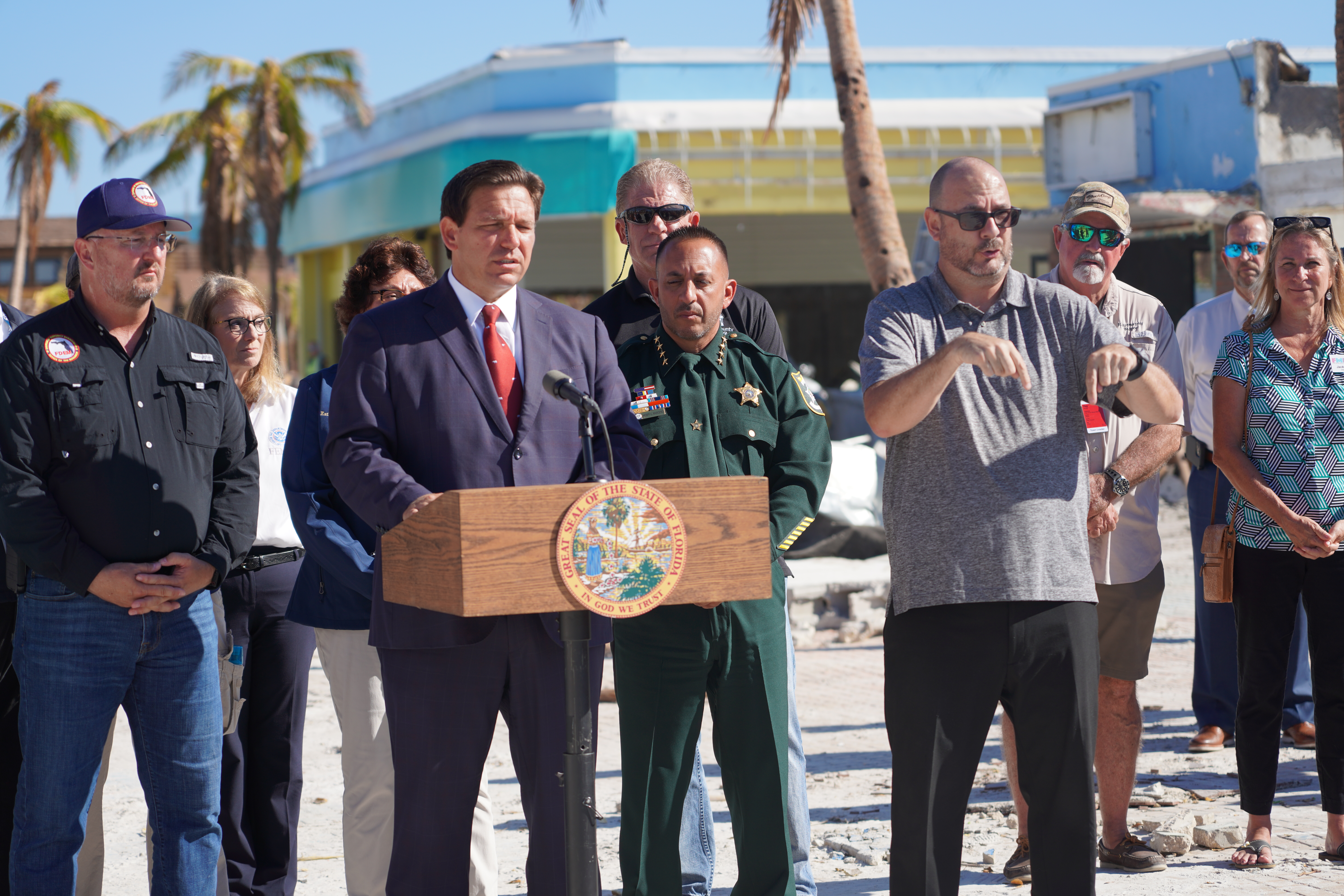
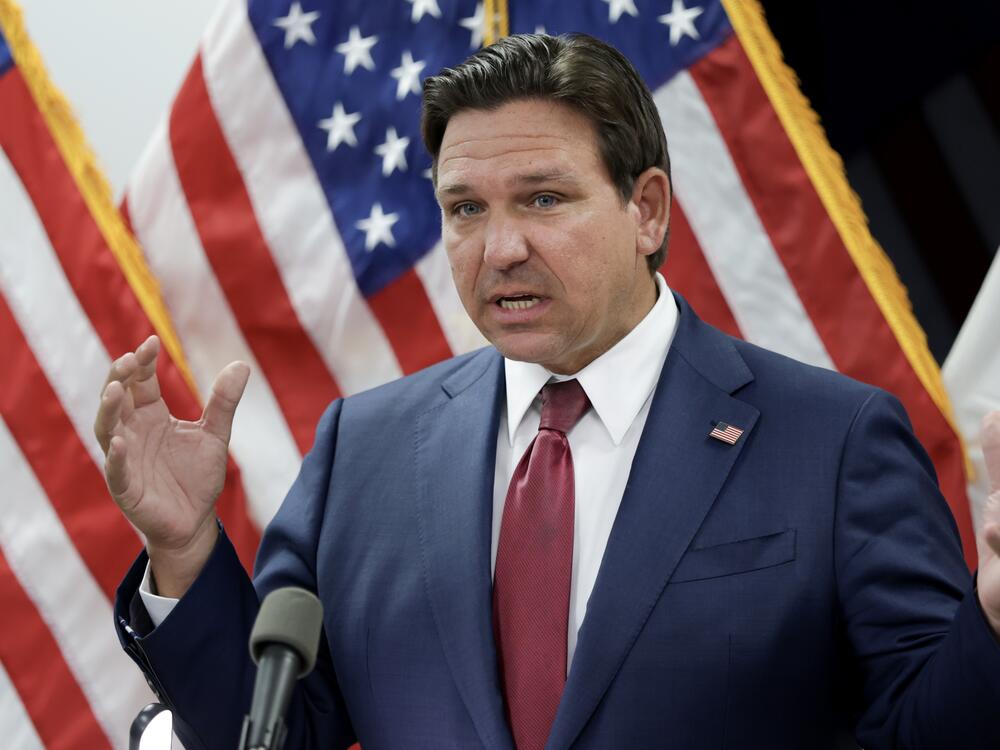
Gov. Ron DeSantis framed the change as a straightforward boundary-setting exercise: "Taxpayer-funded assistance should help families put food on the table, keep the lights on, purchase clothing, provide for their children and overcome barriers on the path toward independence,"
he said when announcing the policy.
Join the Discussion
What Florida changed
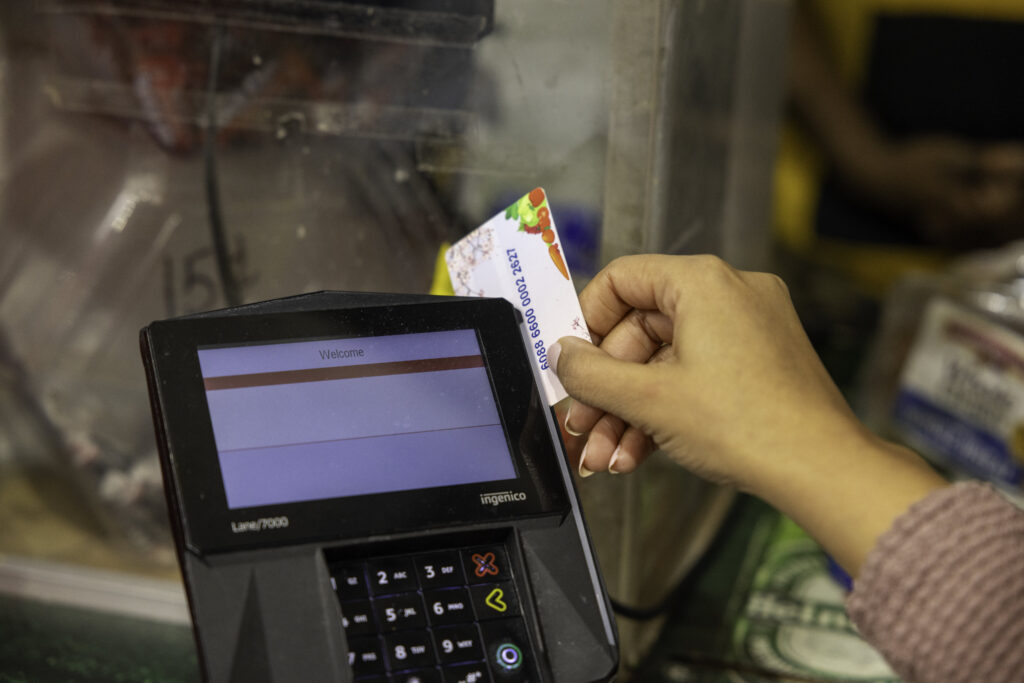
Florida’s new restrictions apply to cash assistance, not the food program most people think of first.
The state’s TCA benefits are funded through the federal Temporary Assistance for Needy Families (TANF) program. TANF is designed as temporary support for families in need. TCA is separate from SNAP (the food assistance program), even though families may receive both through different balances on the same EBT card.
Florida already had limits in place for certain locations and transactions, including restrictions tied to alcohol purchases and use at venues such as adult-entertainment establishments, casinos, and commercial bingo locations. The shift now goes further by aiming at item-level restrictions even at retailers that would otherwise be eligible.
The state also listed psychic and fortune-telling services as prohibited purchases under the updated rules.
What’s on the list

The updated plan blocks TCA cash on EBT from being used for categories that, in the state’s view, are not basic needs. The categories include:
- Tattoos and other body piercings
- Theme park admission and other entertainment services
- Video games and related entertainment products
- Vapes and other nicotine products
- Pornography products
- Psychic and fortune-telling services
Florida’s office has said TCA is meant to help cover essentials like food, clothing, housing, utilities, household goods, and personal-care items.
Do benefits change?

Not in dollar terms. The policy is about where and how the money can be used, not about reducing the monthly amount.
Florida’s office has said the average participating household receives roughly $250 per month. ACF Assistant Secretary Alex J. Adams emphasized that the restrictions do not change the size of anyone’s benefit: "No one loses any of their benefit,"
he said. His argument was about purpose: "What this is saying is, if an individual or a family is going to come to the government to cover their basic needs, it is the government’s expectation that they be used for those basic needs."
The federal Administration for Children and Families (ACF), within the Department of Health and Human Services, determined Florida’s updated TANF plan to be complete in a letter to the governor. The letter praised what it described as "common-sense restrictions"
on purchases viewed as inappropriate, luxury, or non-essential.
How enforcement works
This is the part that turns a political slogan into an administrative project.
Florida plans to phase in the restrictions while working with its EBT vendor and participating retailers to block prohibited purchases. Under the final plan, recipients will be allowed to withdraw TCA cash only at SNAP-authorized retailers and financial institutions that accept EBT.
That matters because an item-level restriction is not the same as a location restriction. It requires coordination with payment systems and merchant coding, and it creates inevitable gray areas at the checkout counter. That is where policy ambitions meet the messy reality of modern commerce.
The constitutional issue
Florida’s policy is being debated as a “common sense” spending rule. But it also sits in the middle of a constitutional structure most Americans never think about until it changes their lives: federalism.
TANF is a federal program. But it is designed to be administered through state plans, with states given room to define details and add guardrails. That structure creates a recurring constitutional tension: the federal government uses spending to pursue national goals, and states negotiate the fine print through implementation.
In practical terms, the question is not whether Florida can micromanage a private citizen’s spending. It cannot. The question is whether Florida can define conditions for participation in a benefit program it administers with federal funds.
Courts typically treat that as a different category of government power entirely. When someone chooses to accept a benefit, the government often has wider latitude to set eligibility terms and usage rules. Still, every added restriction invites a new round of questions about rationality, fairness, and whether a policy is truly about program integrity or about policing the poor.
Why other states may follow

Adams described Florida’s approach as a model other states could copy, and said the administration intends to highlight it as a “best practice.” He also noted that 27 states lack EBT location restrictions beyond what federal law requires, and that most states do not impose item-level TANF purchase limits.
That is the real headline beneath the headline: Florida is testing a more granular form of welfare enforcement, one that is technologically feasible now in a way it was not for most of the program’s history.
If other states follow, the debate will shift from a single list of prohibited purchases to a broader constitutional and civic question: Is welfare a trust-based bridge to stability, or a supervised corridor with scanners at every door?
Quick FAQ
Is this SNAP (food stamps)?
No. The updated restrictions discussed here apply to Temporary Cash Assistance (TCA), funded through TANF. SNAP is separate, though both can appear as different balances on the same EBT card.
What purchases are TCA for?
Florida describes TCA as support for basics like food, clothing, housing, utilities, household goods, and personal-care items.
Will someone get less money each month?
The stated change is not a benefit cut. Florida’s office cited an average of about $250 per month per participating household, and officials said the policy does not reduce benefit amounts. It restricts categories of purchases.