
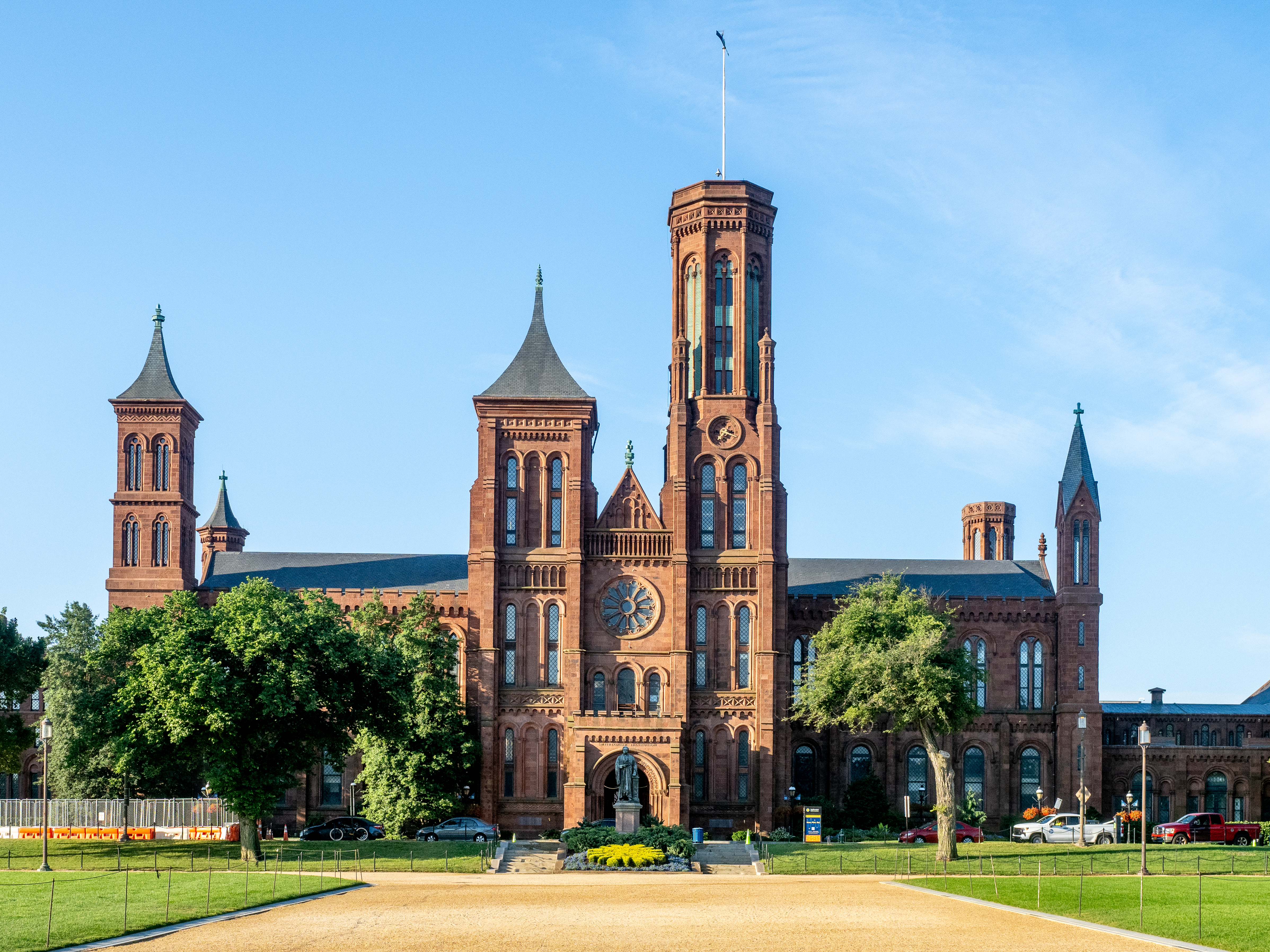
The Smithsonian feels like a federal agency because many of its museums sit on federal land, it flies the American flag, and it functions as the nation’s attic and conscience all at once. But structurally, it is something stranger: a federally chartered institution with a governance model that looks less like a cabinet department and more like a hybrid board built for public stewardship.
That is why a seemingly simple news item, Chief Justice John Roberts praising outgoing Smithsonian Secretary Lonnie Bunch during a Smithsonian Board of Regents meeting, lands with extra weight. The Smithsonian did not release a full transcript of the remarks, and reports about the exchange have described it in general terms rather than as a detailed on-the-record speech. Still, the setting matters: the praise came amid renewed political pressure and scrutiny over exhibit choices and interpretive framing.
It is not just about personalities. It is about who gets to steer a national cultural institution when elected officials decide the exhibits are not telling the right story.
Join the Discussion
Is the Smithsonian a federal agency?
Not in the straightforward way most people mean that. The Smithsonian Institution was created by Congress in 1846 to carry out the bequest of James Smithson, and it receives substantial federal funding. Its buildings and collections are deeply intertwined with the federal government. But it is not simply an executive branch department that the president can direct through a secretary like State or Interior.
Legally, the Smithsonian is often described as a “trust instrumentality of the United States,” a term used in various legal and oversight contexts to capture its hybrid character. Readers should not overread that phrase as a single, settled classification that answers every question. Depending on the statute at issue, courts and oversight bodies have sometimes treated the Smithsonian differently than a conventional executive agency, including in disputes that touch on FOIA-like access, advisory committee rules, and administrative procedure frameworks.
In practice that means two things can be true at once:
- It is public in mission, funding, and footprint.
- It has a governance structure designed to buffer day-to-day operations from direct partisan control.
This hybrid status is part of the point. The Smithsonian was built to endure across administrations, which is exactly why exhibit content becomes a flashpoint when political winds shift.
Who runs the Smithsonian?
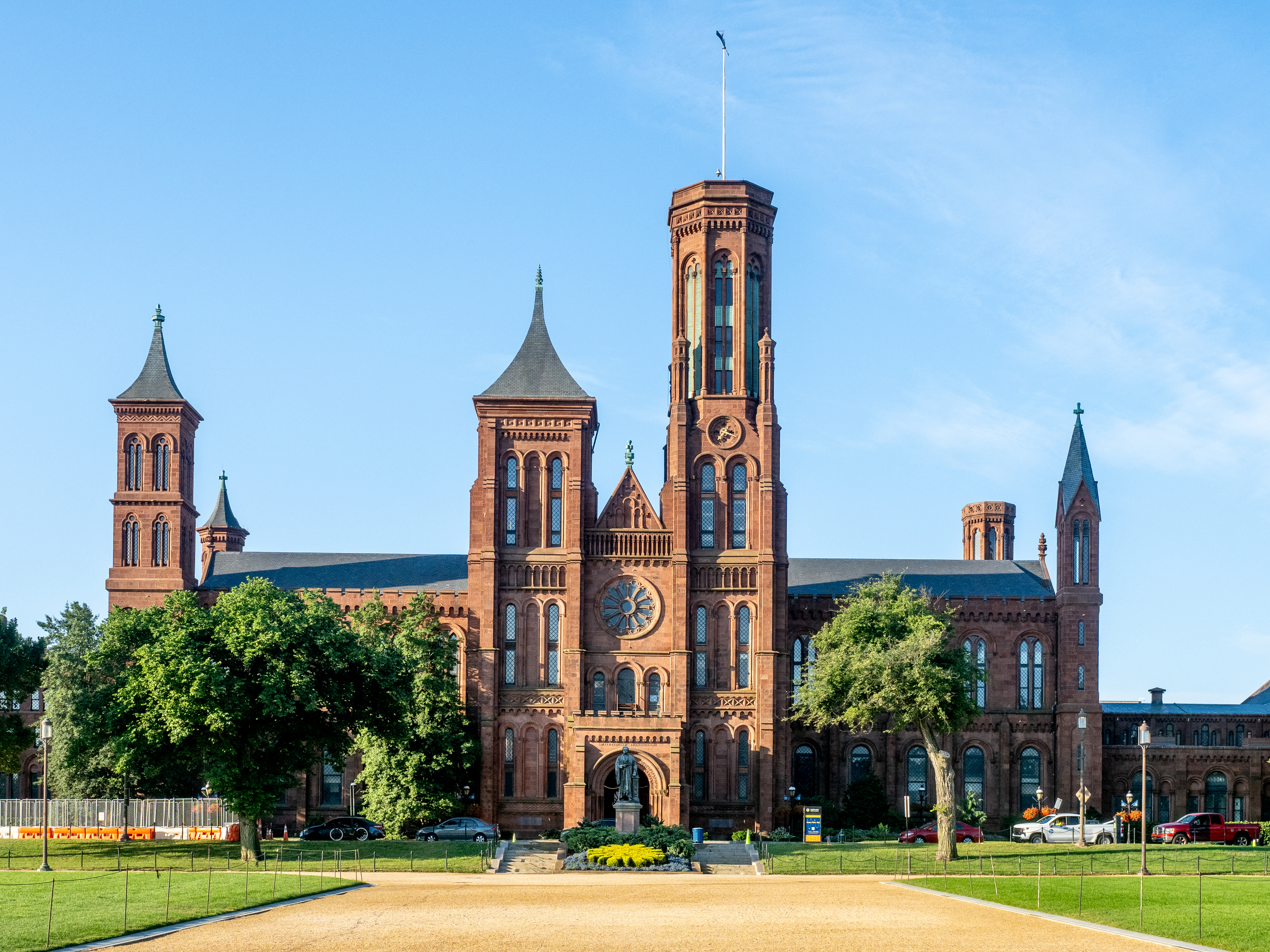
The Smithsonian’s governing body is the Board of Regents. The Regents oversee the institution, set broad policy, and hire the Smithsonian’s chief executive, the Secretary of the Smithsonian (the CEO-like role Lonnie Bunch held).
The Board of Regents is unusual by design. It includes:
- The Vice President of the United States
- The Chief Justice of the United States
- Three U.S. senators chosen by the Senate
- Three U.S. representatives chosen by the House
- Nine citizen regents appointed by Congress (by joint resolution)
So the Smithsonian is governed by a board that mixes the three branches in miniature: executive (vice president), legislative (members of Congress), and judicial (chief justice). This is a governance arrangement, not an exercise of Article III judicial power over exhibits, and it does not mean the branches are “represented” in any formal constitutional sense inside the museum.
President and exhibit control
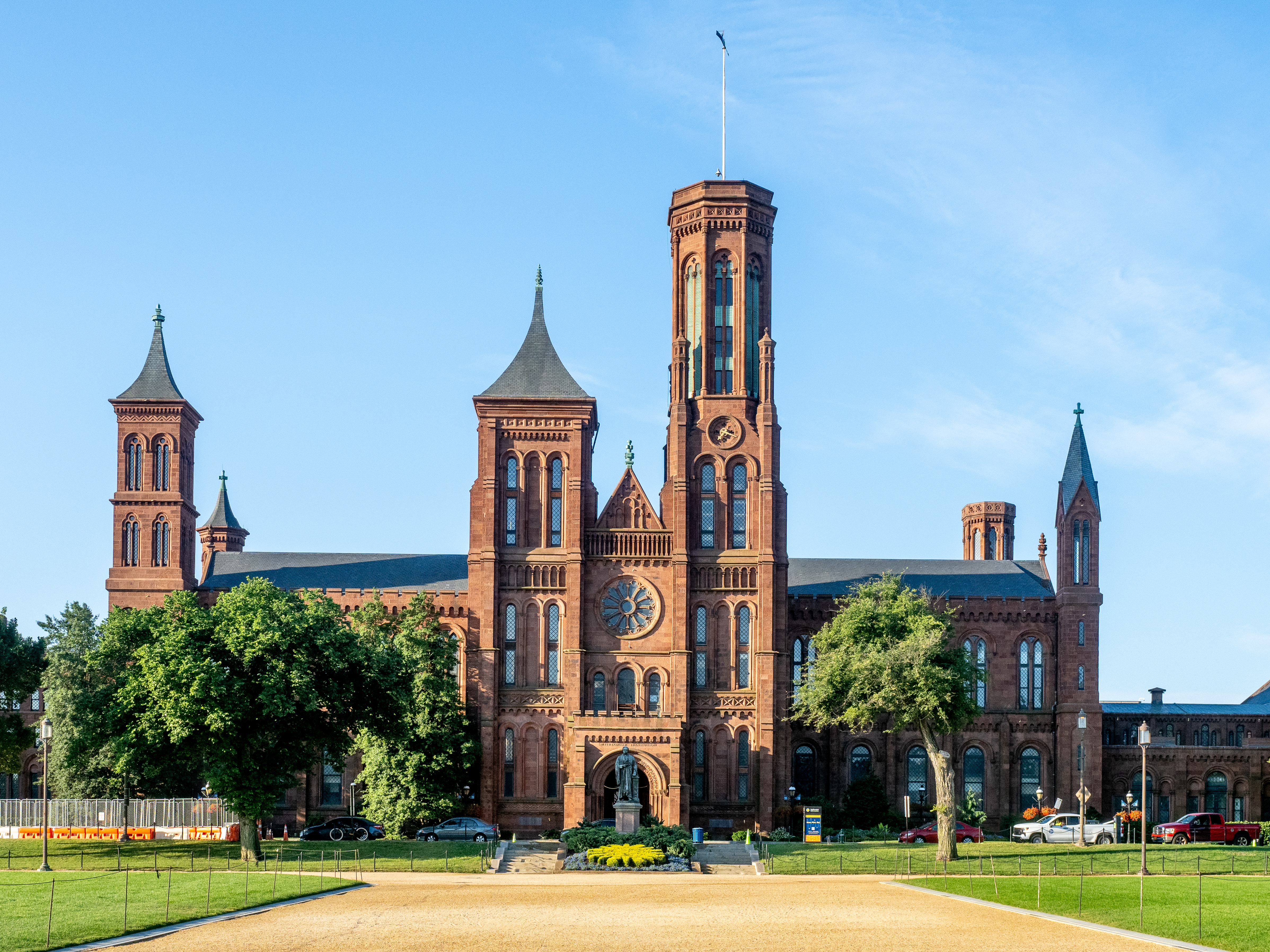
Here is the key constitutional point: the president does not have a clean command chain to the Smithsonian the way the president does to executive agencies. The Smithsonian is not run like a typical cabinet department whose leadership serves at the president’s pleasure.
But “no direct control” does not mean “no leverage.” Political pressure can work through multiple channels that do not require issuing a formal order about an exhibit.
1) Funding leverage (Congress)
The Smithsonian’s appropriations are set by Congress. Budget hearings can become content hearings. And appropriations language can do more than set a top line. It can fence off funds for particular purposes, demand reports on programming, or restrict spending on a named project, all of which can indirectly reshape what gets built, staffed, and promoted.
2) Governance influence (appointments and relationships)
Congress is built into the Smithsonian’s governance, and the vice president sits on the Board of Regents. That creates a pathway for political messaging, private lobbying, and public signaling even without a formal “edit this label” order.
3) Bully pulpit pressure (public criticism)
Even without legal authority to dictate text on a gallery wall, presidents and administration officials can apply reputational pressure by framing certain exhibits as biased, unpatriotic, or misleading. Cultural institutions often depend on public trust, and public trust is vulnerable to high-profile attacks.
So the constitutional reality is not “the president controls the Smithsonian” or “the president is powerless.” The reality is soft power surrounding an institution with a steering wheel that is hard to grab.
Why exhibit pressure raises concerns
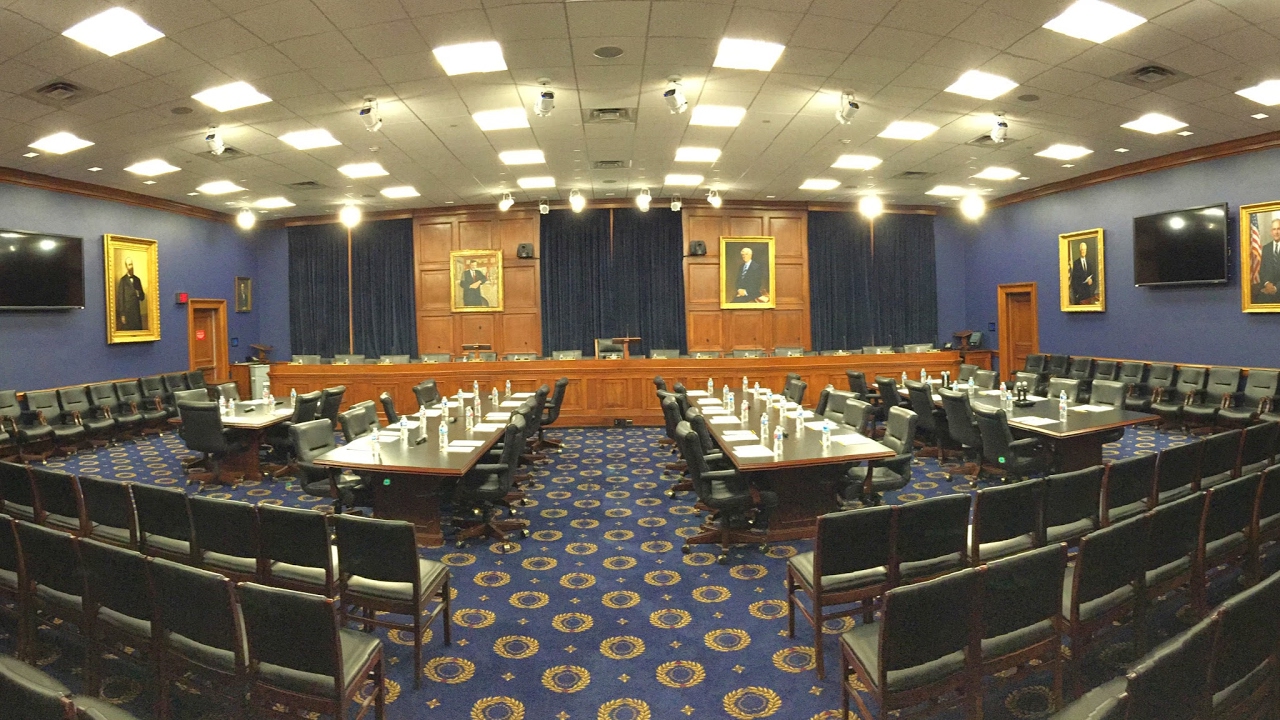
There is no single “Museum Clause” in the Constitution. The Smithsonian exists because Congress can create institutions to carry out public purposes, spend money for the general welfare, and manage federal property. The constitutional anxiety comes from something more basic: when government money funds speech-like activity, who gets to shape the message?
Museums curate. Curation is not neutral. It is selection, framing, and interpretation. When elected officials threaten consequences over interpretation, the question becomes whether the institution remains a steward of public history or turns into an arm of whichever coalition last won an election.
If that sounds abstract, it has happened before. The 1990s fight over the National Air and Space Museum’s Enola Gay exhibit showed how quickly congressional oversight and public outrage can converge into demands that a museum revise its narrative. The planned presentation was heavily revised and effectively scaled back after the controversy.
This is where Americans tend to reach instinctively for the First Amendment, and not without reason. But the First Amendment’s cleanest protections attach to private speakers against government censorship. The Smithsonian is government-connected. That makes the doctrine more complicated and, in some ways, more precarious.
One way to name the complexity is the government speech doctrine: when the government is understood to be speaking through a program, it generally has wide latitude to choose its message. The harder questions arise at the margins, including whether particular Smithsonian settings function as a curated government presentation or, in specific contexts such as hosted event series or outside-speaker programs, operate more like a forum with different constraints.
Why Roberts weighing in stands out
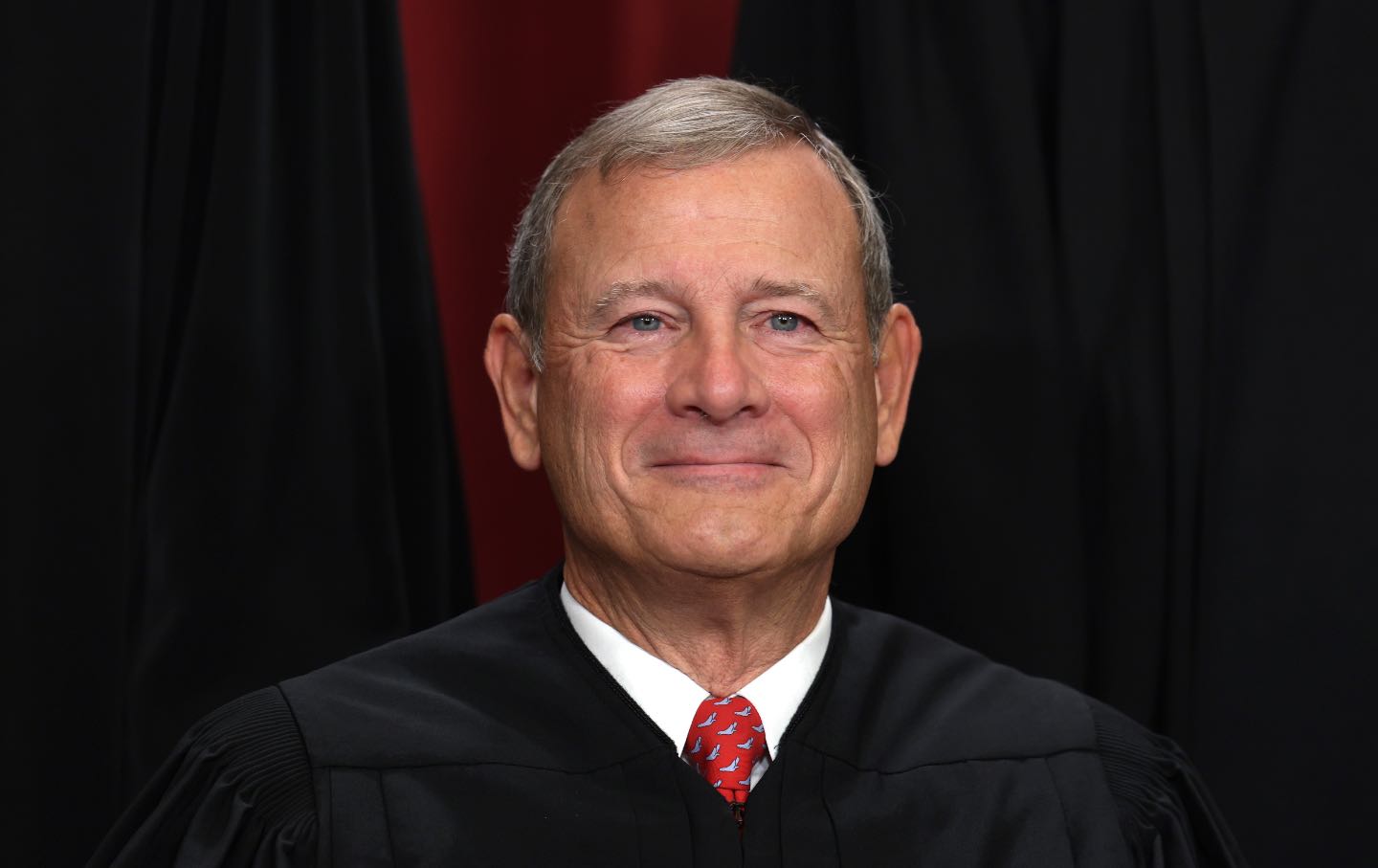
Chief Justice Roberts is not only the head of the Supreme Court. He is also, by statute, one of the Smithsonian’s Regents. That dual role makes his public praise of a departing Smithsonian Secretary different from a typical Washington compliment.
Three things can be true at the same time:
- It can be routine governance for a Regent to commend the institution’s chief executive at retirement.
- It can be a signal that the Board values continuity and professional stewardship amid outside pressure.
- It can raise eyebrows because modern norms encourage judges, especially chiefs, to avoid stepping into political crossfire.
This is not separation of powers in the strict “one branch invaded another” sense. Roberts is not adjudicating a case by offering praise. He is wearing a statutory hat Congress assigned to the office, and in modern Washington, symbolism is part of the message.
If the Roberts and Bunch moment becomes more than a footnote, it will be because it is read as an institutional posture: the Smithsonian is not supposed to be governed by whatever mood is dominant in the news cycle.
Can exhibits be forced to change?
Sometimes, yes. But usually not through a single dramatic legal mechanism.
Here are the realistic paths, and their limits:
- Congress can condition funding for programs, staffing, or expansions, which can indirectly shape exhibit decisions. That is powerful, but politically costly and often blunt.
- The Board of Regents can change leadership by selecting a Secretary more aligned with its priorities. That is governance, not censorship, but the effect can be similar.
- Direct presidential orders are murkier because the Smithsonian is not a standard executive agency. Public pressure may work better than formal directives.
The practical consequence is that “control” over the Smithsonian is diffuse. That diffusion is protection. It is also vulnerability, because it invites pressure from multiple angles at once.
What to watch next
The Smithsonian’s fights rarely stay confined to museum walls. They tend to migrate into oversight hearings, appropriations debates, and regent politics. If political pressure continues, the telling indicators will not be a single headline about an exhibit label. They will be:
- Budget language that targets specific programs, grants, or projects
- Regent appointments and public statements about the institution’s “mission”
- Leadership selection for the next Secretary and the priorities that person signals early
At bottom, the Smithsonian controversy is a civics lesson. The question is not whether museums should be above politics. Nothing funded by public money ever fully is. The question is whether we built any institutions sturdy enough to tell the country’s story when the country cannot agree on what the story means.
Quick answers
Who controls the Smithsonian Institution?
The Smithsonian is governed by its Board of Regents, which includes the vice president, the chief justice, members of Congress, and citizen regents appointed by Congress. The Board oversees the institution and selects the Smithsonian Secretary, who runs day-to-day operations.
Can the president control Smithsonian exhibits?
Not directly in the way a president controls executive branch agencies. But presidents and administrations can apply significant indirect pressure through public criticism and through political influence tied to funding and governance.
Why did Chief Justice John Roberts praise Lonnie Bunch?
Roberts is a statutory member of the Smithsonian’s Board of Regents, so he has an institutional connection. The praise drew attention because it came as Bunch retired amid reported political pressure over exhibits, making the comment feel like a signal about independence and stewardship.
Is the Smithsonian part of the executive branch?
It is federally created and federally funded, but it is not structured like a typical executive branch department. Its hybrid charter and Board of Regents model are meant to insulate it from direct partisan control.