
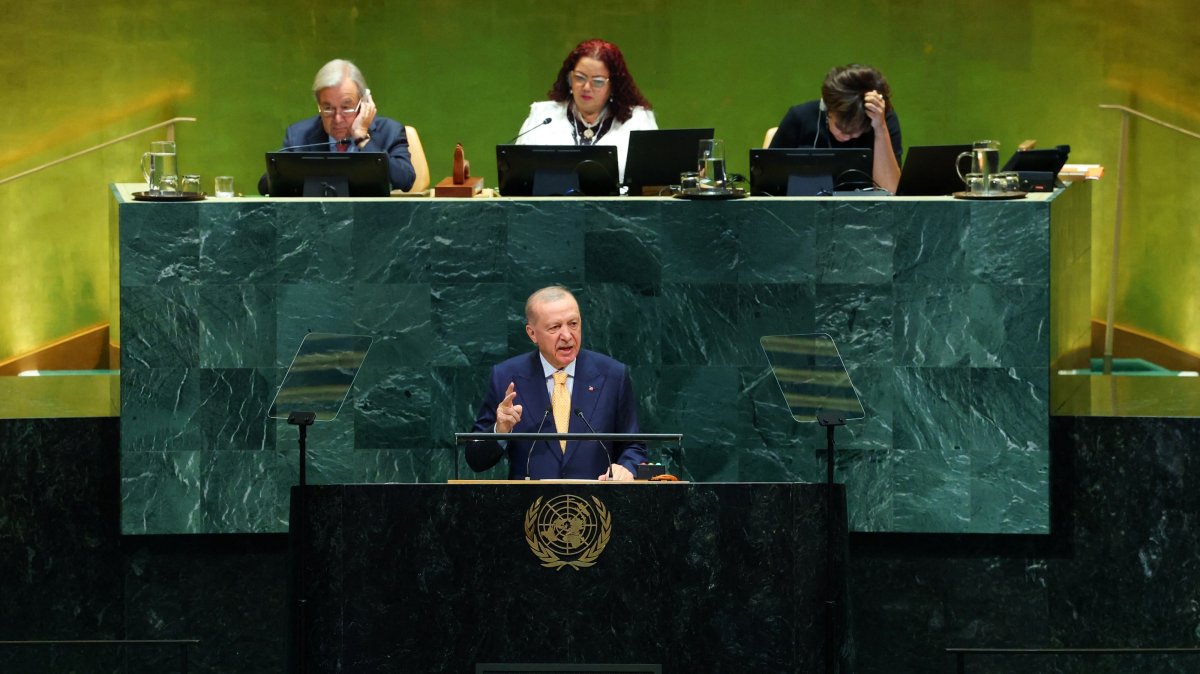
The United Nations keeps running into the same hard limit: the Security Council can be ready to act, and one of the biggest powers can still stop it. That friction is not abstract right now. The council has been deadlocked on issues ranging from Israel’s war on Gaza to Russia’s war in Ukraine and tensions in the Strait of Hormuz.
That is the context for Turkiye’s President Recep Tayyip Erdogan urging the UN to abolish the Security Council veto and end permanent membership altogether. He put it bluntly to reporters in New York: “Let the veto mechanism be abolished… Let us move from a UN model that protects only five members to a mechanism that encompasses all members.”
So, can that veto be changed? Yes, the same way a constitution can be changed: by rewriting the UN Charter. But the rules are designed so that the very countries whose power you want to trim must consent.
Join the Discussion
What the veto is
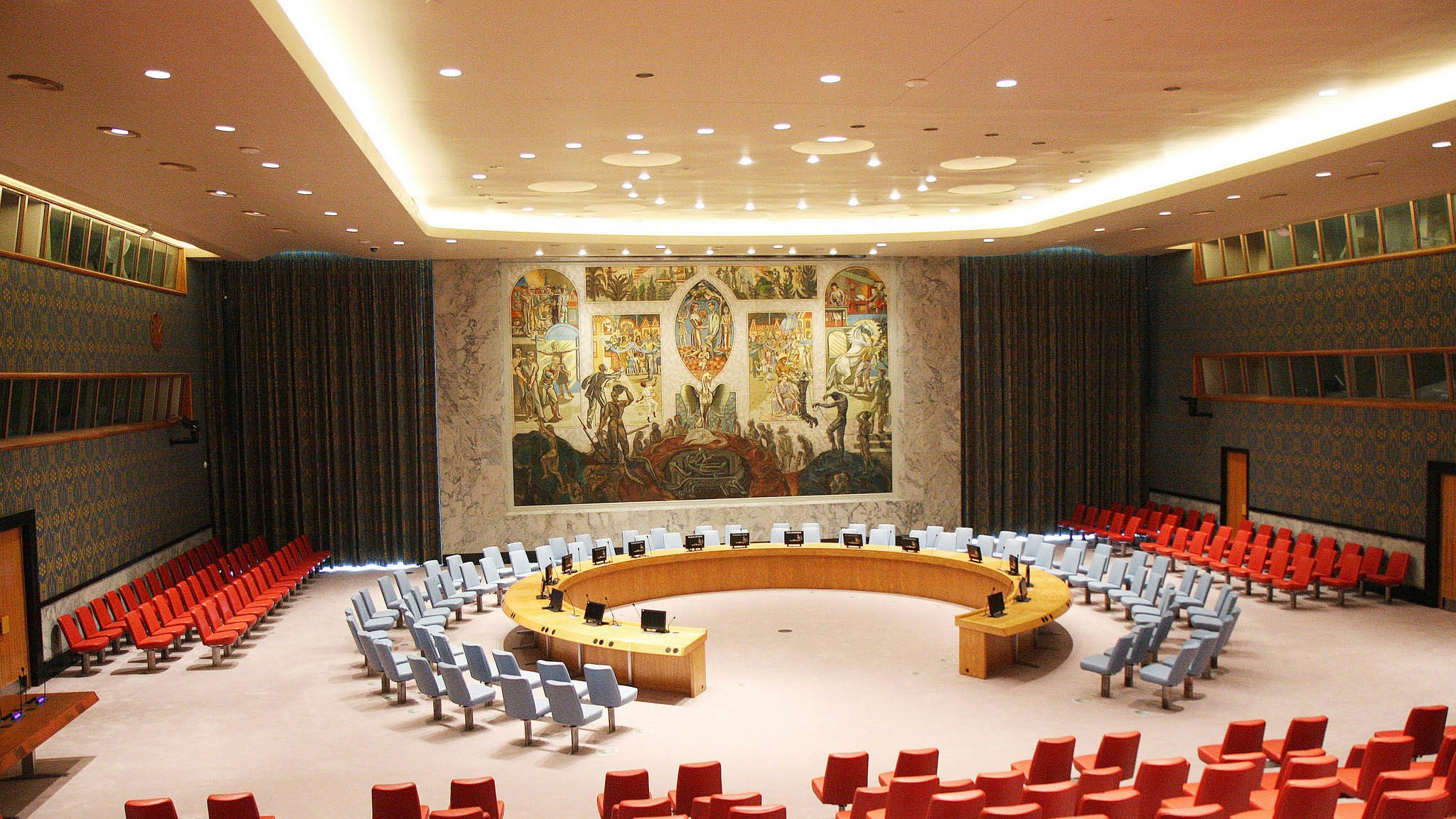
The UN Security Council has 15 members: five permanent and 10 rotating, non-permanent members. The permanent five, often called the P5, are the United States, the United Kingdom, France, Russia, and China.
On “substantive” questions, the veto is absolute. You can have 14 votes in favor and still lose if any one of the P5 votes no.
That is why the council can be active and visible while still being unable to produce binding action on the biggest fights. In the last three years, the United States has vetoed seven resolutions related to the Israeli-Palestinian conflict, including five calling for a ceasefire in Gaza. Russian vetoes have prevented the council from passing any firm resolutions on the war in Ukraine, and since Russia’s full-scale invasion in 2022 it has vetoed three Ukraine-related resolutions.
What Turkiye is asking for
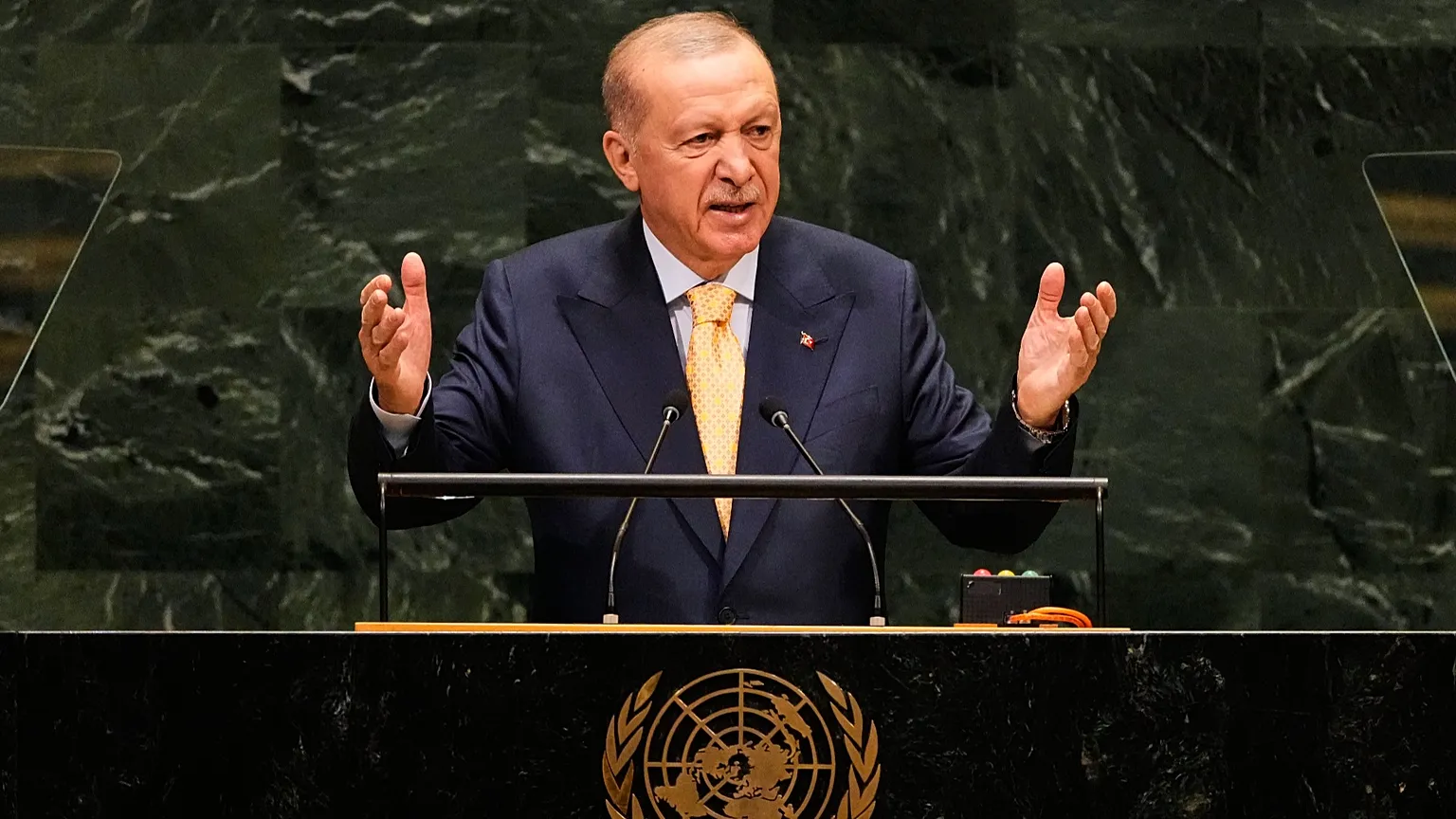
Erdogan is not asking for a tweak. He is calling for a full overhaul: end permanent membership and eliminate the veto.
In a September 22 article, Erdogan argued that the Security Council’s structure, built eight decades ago, no longer fits a changing world, and that a single country should not be able to block the broader international community. “Leaving the resolution of global crises to the will of a handful of capitals is no longer compatible with the realities of today’s world,” he wrote.
He has also called for giving the UN General Assembly a bigger role, including having it elect all Security Council members for set terms. In that model, countries would need to “regain the confidence of the majority of member states through elections,” as he put it, rather than holding seats permanently.
The legal hurdle
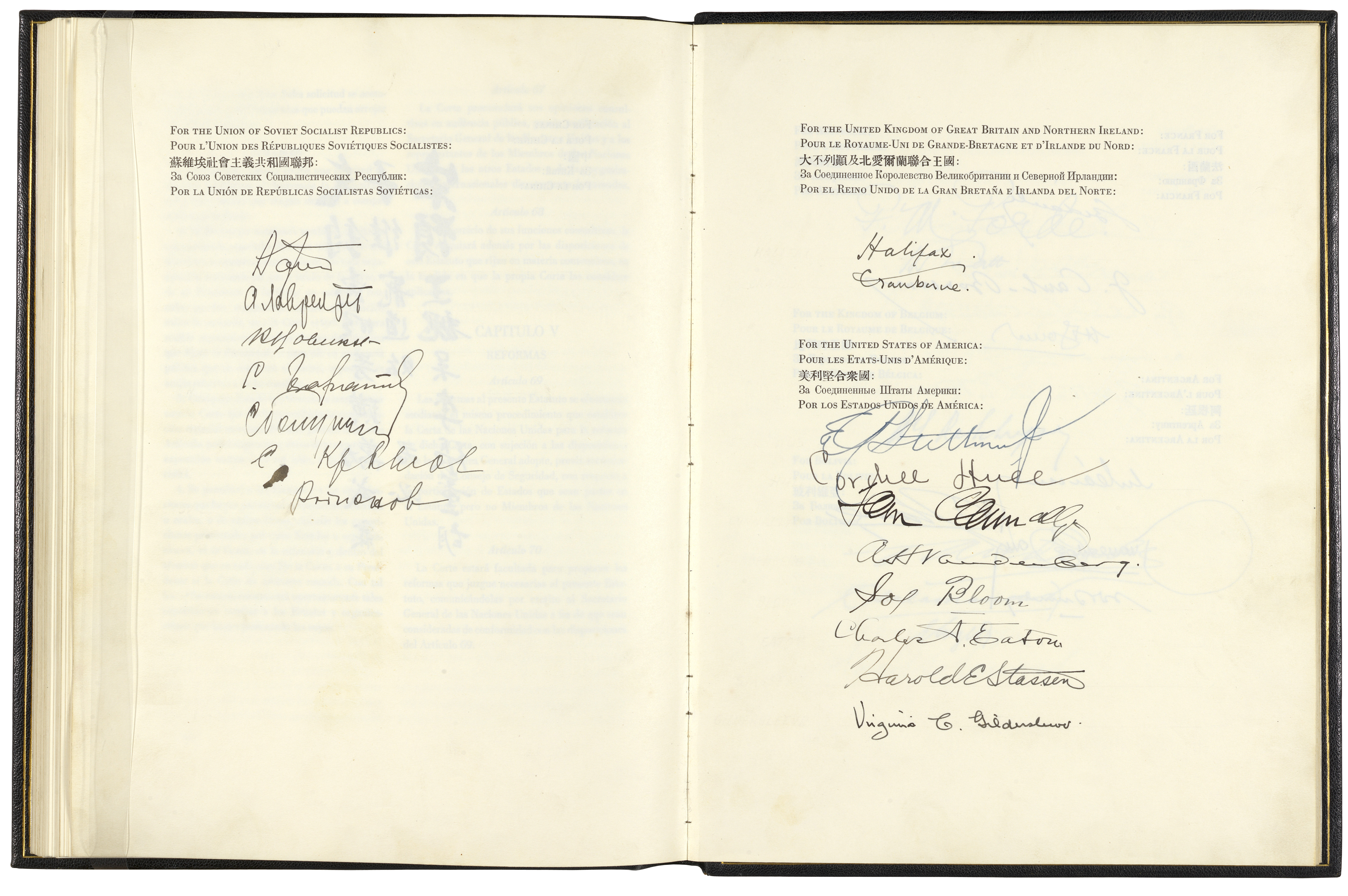
If you want to abolish the veto in a way that actually binds the Security Council, you are not talking about a mere policy shift. You are talking about a Charter amendment.
Under Article 108, an amendment requires two separate hurdles:
- Approval by two-thirds of the General Assembly, and
- Ratification by two-thirds of UN member states, including all five permanent members of the Security Council.
Read that last clause again. Any plan to eliminate the veto must be ratified by the veto-holders. The system does not merely give them a veto over Security Council resolutions. It gives them, in practice, a veto over ending the veto.
The workaround idea
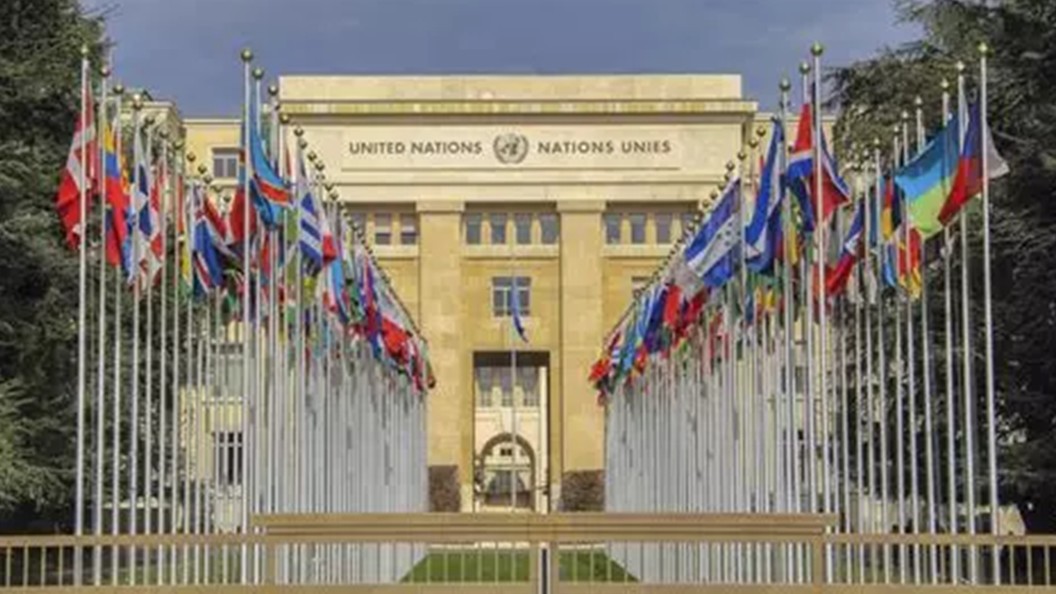
Because formal Charter change is so hard, reformers chase a middle path: voluntary restraint. The best-known example is the France-Mexico proposal first tabled in 2015, which urges the P5 to suspend their vetoes on resolutions involving mass atrocities, such as genocide and crimes against humanity.
This is not a rule the UN can enforce. It is a collective and voluntary agreement, and any General Assembly resolution supporting it would be non-binding. The point is political: make veto use more costly in the ugliest cases.
Even that softer approach is moving in inches, not miles. In the last four months, 21 states, including P5 member the United Kingdom, have backed the France-Mexico initiative. That brings total support to 128 UN member states, according to the French government, which is one short of the number needed to pass a General Assembly resolution.
The limitation is built into the design. Voluntary language is easiest to endorse and easiest to ignore, especially by the most frequent veto users.
Veto use by the numbers
If you want to understand why the veto debate keeps returning, look at who uses it.
- Russia (and the Soviet Union before 1991) has used the veto 163 times out of 331 total vetoes recorded historically, which is nearly half.
- The United States is second with 95 vetoes, about 28 percent of the total.
- France and the United Kingdom have used it far less, 50 combined, and neither has vetoed a resolution since 1989.
Those numbers do not decide who is “right.” They do show who treats the veto as a working tool instead of a legacy perk. And frequent users have the least reason to sign away an instrument they rely on.
What is most likely
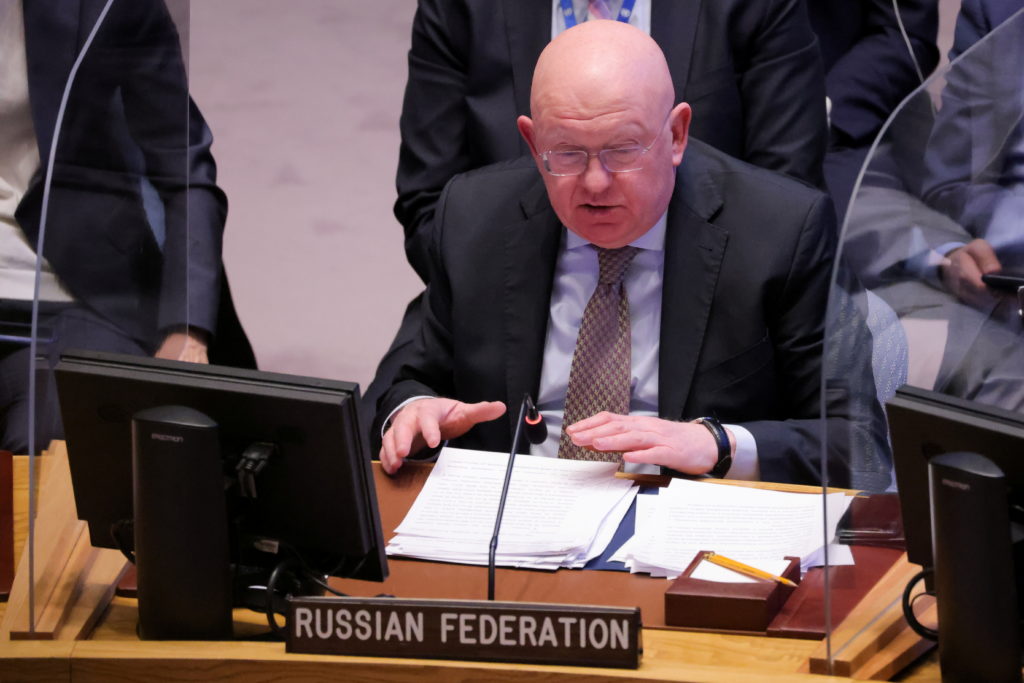
Any formal effort to abolish the veto is likely to fail, because it requires the P5 to sign off on giving up their own leverage. Russia has already responded to Turkiye’s initiative by saying permanent members should retain their veto, while also saying it supports expanding the number of permanent members.
The United States and China have previously strongly defended their veto privileges.
Expansion is the live option
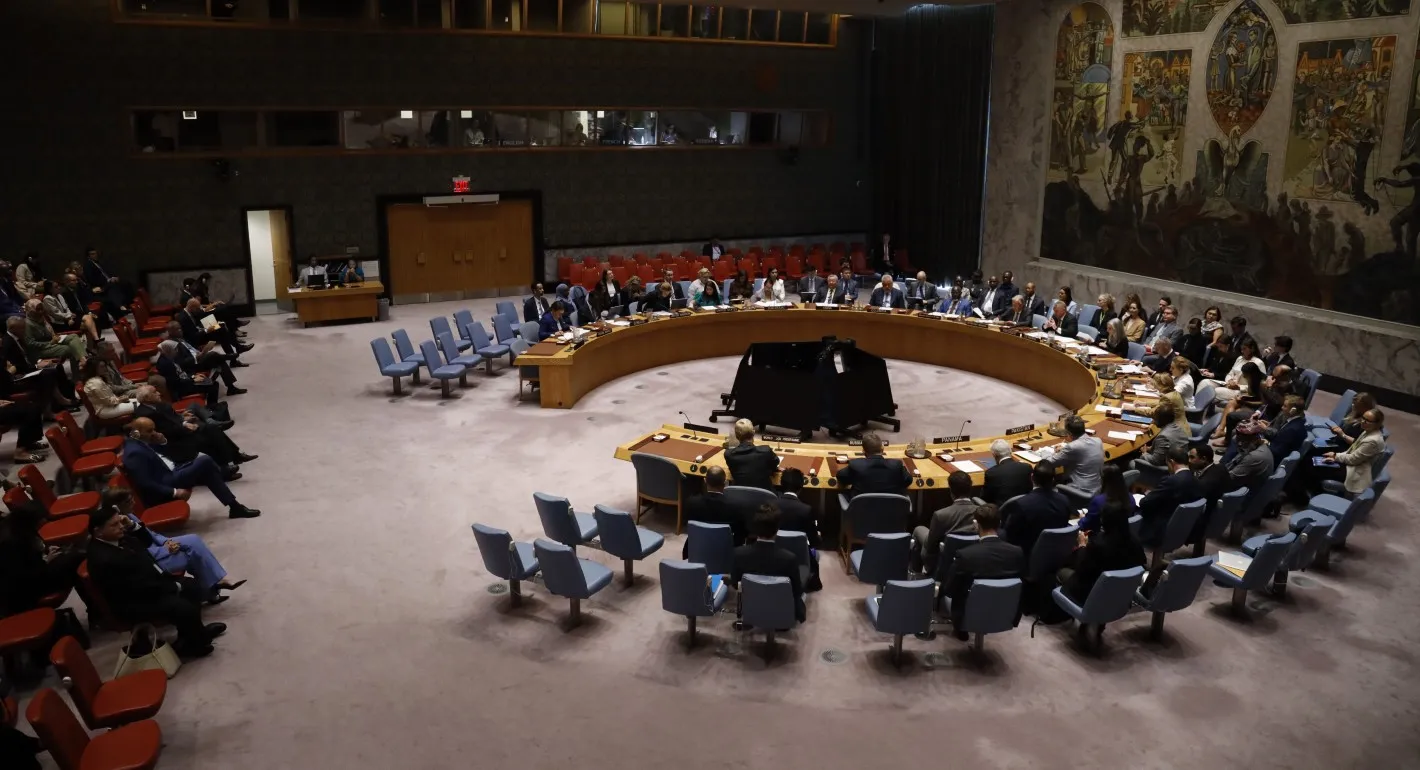
Expansion is the reform idea that never dies: add seats, better reflect today’s balance of regions and powers, and reduce the sense that five states own the system.
It is also the option that major powers will discuss most readily, precisely because it does not automatically require them to disarm themselves. The United States and China have both previously said they would support modest increases to the council’s composition, including adding seats for African nations, none of which currently hold permanent membership.
The United Kingdom and France have also backed expansion, including permanent seats for Brazil, Germany, India, and Japan, as well as African countries.
Here is the catch: expansion also requires a Charter amendment, which again triggers Article 108 and therefore demands ratification by all P5 states. Even if the P5 accept expansion in theory, they still have to agree on the hardest questions: which countries get the new seats, and whether those seats come with veto power. That has long proved difficult.
A constitutional problem in UN clothing
Americans often treat the UN veto as someone else’s problem, like it is merely international bureaucracy. It is not. It is a constitution-level question about whether the world’s most powerful states can be bound when they do not consent to be bound.
Erdogan’s challenge forces a blunt civic question: is “consent of the powerful” the price of global order, or the reason global order fails?
Changing the veto is legally possible. Politically, it requires the P5 to conclude that the old bargain endangers them more than it protects them. Until that day, the world will keep trying to shame, nudge, and negotiate around a privilege that is designed to be very hard to remove.
FAQ
Can the UN General Assembly end the Security Council veto?
No. The General Assembly can pass resolutions and build political pressure, but ending the veto in a binding way requires amending the UN Charter under Article 108, including ratification by all five permanent members.
Could the veto be limited for genocide or mass atrocities?
Not by force, unless the Charter is amended. But permanent members can make voluntary commitments to restrain their veto use in mass-atrocity situations, like the France-Mexico initiative proposes.
Is Security Council expansion easier than abolishing the veto?
It is more plausible politically, because it can spread representation without requiring the P5 to surrender their veto. But it still requires a Charter amendment and therefore still needs the approval of all five permanent members.