
Strip away the slogans about “election integrity,” and a basic question is left: who sets the operating rules for American elections, the states and their local officials, or the president through federal machinery?
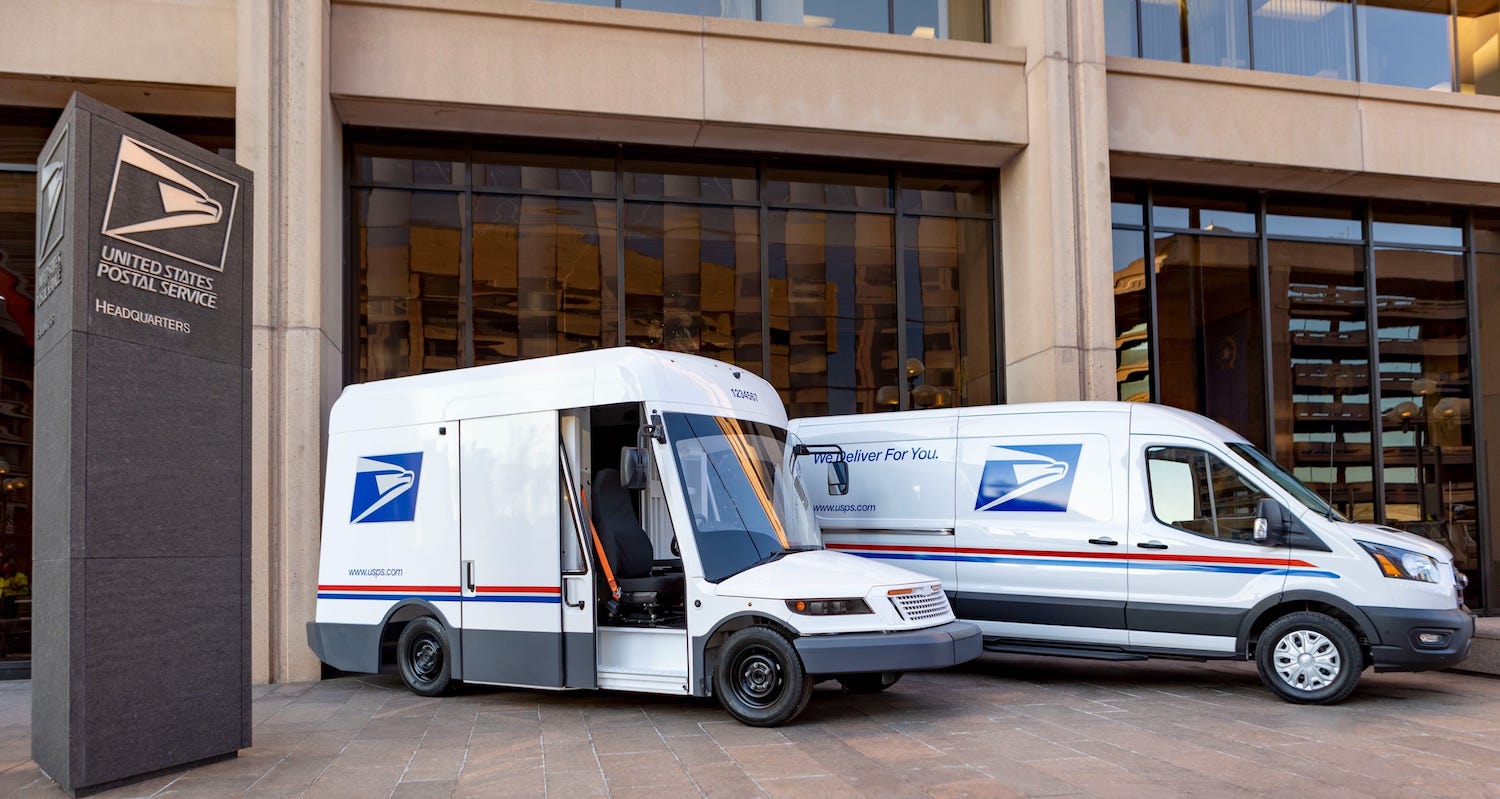
That question was put under real stress by a 2026 push from the Trump White House to use the U.S. Postal Service not just as a carrier of ballots, but as an enforcement point for voting by mail. Earlier this month, the Supreme Court threw out the administration’s March 2026 executive order. But the idea the White House floated earlier, before landing on that order, is the clearest window into what the project would have meant on the ground.
Join the Discussion
Certified Mail: ID at delivery
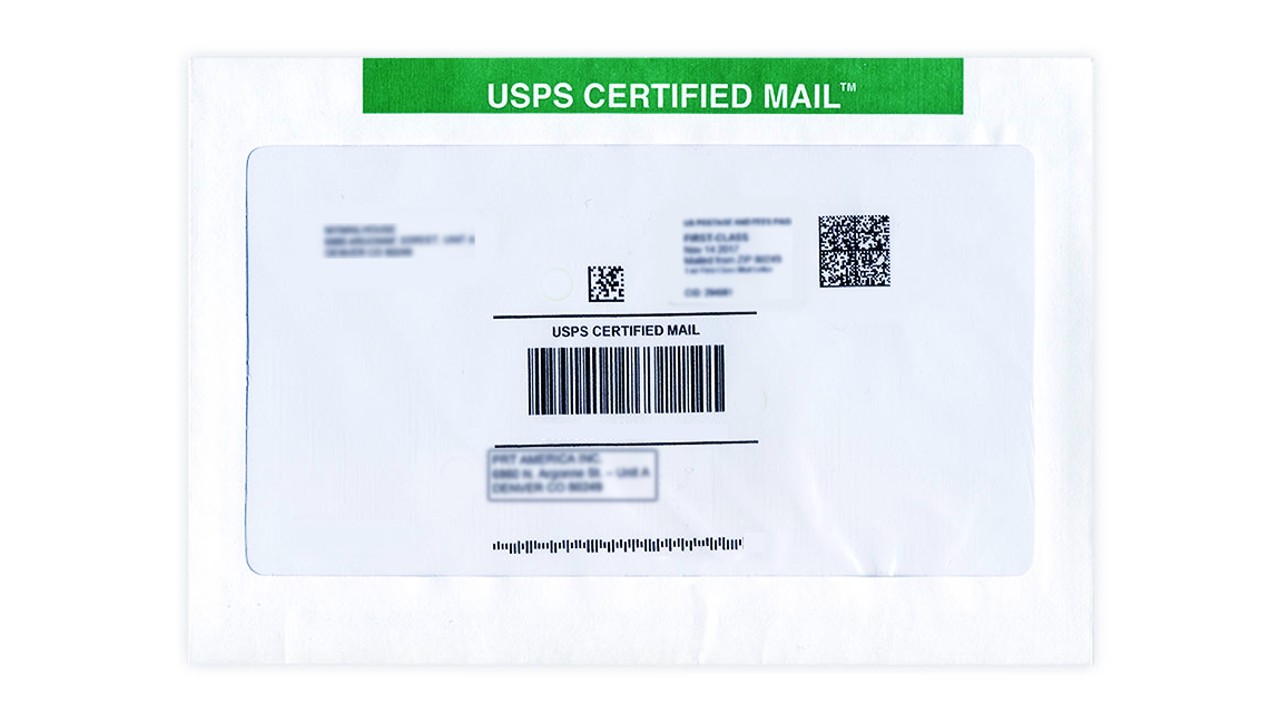
Before the administration settled on its March 2026 executive order, White House officials pressed the Postal Service to accept a requirement that mail ballots be sent via Certified Mail.
That is not a small procedural tweak. To receive Certified Mail, Postal Service workers have to physically obtain a signature from the addressee, who is also required to present an ID. In practical terms, it would have functioned as a de facto national voter ID requirement for mail-in voters, implemented through delivery rules rather than state election law or an act of Congress.
The Postal Service was able to dissuade the White House by laying out the obvious obstacle: scale. Over 48 million people voted by mail in the 2024 general election. Requiring signature-and-ID interactions at anything close to that volume would have added a major new burden on top of normal delivery duties.
Cost was another pressure point. The Postal Service lists the per-item fee for Certified Mail as $5.55. The plan’s intent was to push that cost onto local governments.
What the order required
Earlier this month, the Supreme Court threw out the administration’s March 2026 executive order that attempted to remake voting by mail through the Postal Service. The order went well beyond delivery standards.
Among other requirements, it would have:
- Required all ballots be shipped in special envelopes that require new equipment to print.
- Required the Postal Service to approve designs in advance across nearly 10,000 voting jurisdictions.
- Directed Postal Service workers to deliver ballots only to pre-approved lists of mail-in voters that state election officials would have to submit in advance.
- Mandated that if even one envelope in a shipment contained a mistake, the entire batch be sent back to local voting officials for review and re-submission.
Taken together, the proposal would have inserted a federal gatekeeping layer into routine state and local election administration.
One mistake, many delays

The order’s bulk-return requirement created a simple operational reality: one error could delay many correct ballots.
A former official involved in the discussions described what that would mean in practice: “That means if four addresses don’t align in a mailing of one million, 999,996 other people don’t get their ballot tomorrow.”
The policy choice at the center of that quote is straightforward. A system that sends an entire shipment back over a single mistake increases the odds of confusion and delay as Election Day approaches.
Who enforced the plan

Another feature of the March 2026 order was its chain of command. It mandated that the Postal Service, an independent agency, coordinate enforcement with the Department of Homeland Security and Commerce Secretary Howard Lutnick.
In that structure, the postmaster general’s role was reduced to “effectuating all relevant aspects of the implementation.” The enforcement center of gravity was outside USPS leadership.
Why USPS leaders hesitated
Internal resistance was colored by a modern institutional concern: what “independent” means when a president claims broad removal power anyway.
Members of the USPS Board of Governors feared pushing back against Trump could be “its last action,” as a source familiar with their thinking put it. They reportedly chose a quieter route and waited for the courts to intervene.
The DHS database case
Separately from the mail-ballot executive order, another element of the administration’s election agenda remained in play. On Sept. 25, the Supreme Court allowed the Department of Homeland Security to let states use a federal database to search for alleged non-citizens on voter rolls.
The plaintiffs challenging that system, the League of Women Voters and the Electronic Privacy Information Center, argued it is riddled with errors and that the federal government is withholding data on just how many.
Federal law prohibits “systematic” removals of registered voters in the 90 days before an election. Trump and Republican allies in Congress have advanced legal arguments that would try to clear that hurdle, including the claim that purges of alleged non-citizens are “individualized” rather than systematic.
Where things stand
In a statement, administration spokesperson Lauren Bis denied the proposals were improper interference with the Postal Service. She also denied that the Certified Mail plan was “unworkable,” saying officials went “in another direction” for completely unrelated reasons.
Whatever label is applied, the mechanics are clear. One idea would have required signature-and-ID checks to receive a ballot. The later executive order would have imposed federally controlled design approvals, voter list controls, and shipment-wide returns for single-envelope mistakes.
There is also a practical backdrop. There is no evidence that voter fraud is anything but exceedingly rare throughout the U.S., including both in person or via mail. Recent polling found that while belief in widespread voter fraud is limited, about 40% of both Democrats and Republicans shared little to no confidence that election-related mail will arrive on time this year. In that environment, rules that predictably add friction to ballot delivery shift risk onto voters and local officials.
FAQ
Would Certified Mail ballots have required voters to show ID?
Yes. To receive Certified Mail, Postal Service workers have to obtain the recipient’s signature, and the addressee is also required to present an ID.
How many people voted by mail in 2024?
Over 48 million people voted by mail in the 2024 general election.
What did the Supreme Court do with the March 2026 order?
The Supreme Court threw out the March 2026 executive order that attempted to use the Postal Service to control key aspects of voting by mail.
What is the cost of Certified Mail?
The Postal Service lists the per-item fee for Certified Mail as $5.55.