
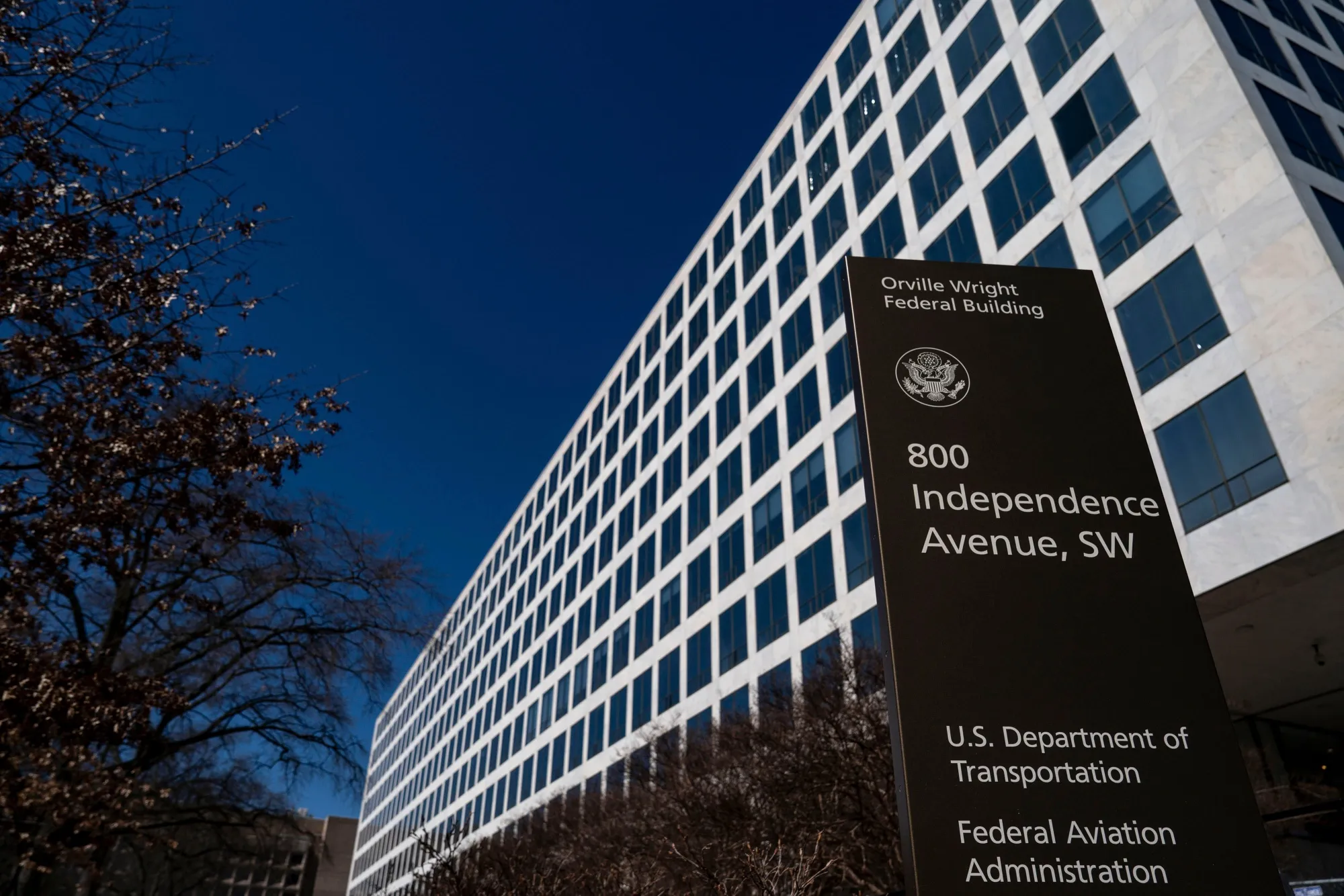
Air traffic control is one of those federal jobs you almost never think about until it falters. When it works, it is invisible. When it does not, you notice the strain, especially in a system that has spent years short of its own staffing goals.
That is the context for a striking milestone: the Federal Aviation Administration hired 2,235 air traffic controller trainees in fiscal year 2026, an all-time agency record. The Department of Transportation says the FAA also ended the year with 11,027 certified professional controllers as of Sept. 30, the highest certified staffing level in a decade.
And yet the same numbers reveal the harder truth: the FAA’s own staffing target is 12,563 certified professional controllers. Even after the surge, the agency entered fiscal year 2027 still 1,536 certified controllers below that benchmark.
So what does “record hiring” mean when the shortage persists? To answer that, you have to understand what controllers do, why the pipeline is slow, and why this is not merely an employment story. It is a question of federal responsibility, and how a modern republic administers public safety at scale.
Join the Discussion
What controllers do
Air traffic controllers are the human infrastructure of aviation. Their job is to keep aircraft separated, route them efficiently, and manage the flow of traffic on the ground and in the air. A controller’s decisions are not just about convenience. They are about safe spacing, safe sequencing, and safe handoffs as planes move across sectors and facilities.
This workforce is also a bottleneck by design. You cannot replace experience quickly, and you cannot convert a new hire into a certified professional overnight. That is part of why staffing discussions in air traffic control are rarely just about recruiting. They are about throughput, training capacity, and time.
Why staffing stayed tight
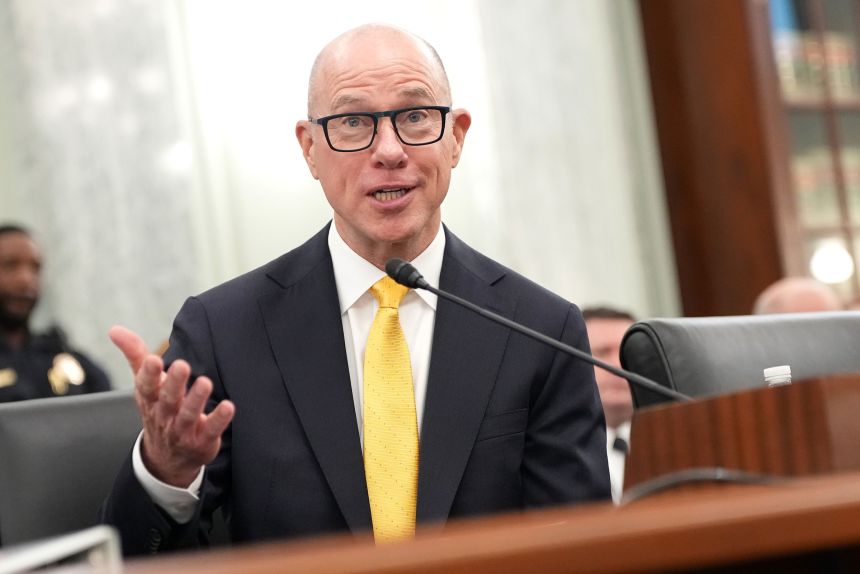
In congressional testimony last December, FAA Administrator Bryan Bedford did not describe the shortage as a temporary slump. He described it as structural.
“We’ll never catch up,” Bedford said. “The system is designed to be chronically understaffed.”
The FAA’s problem has not been a single bad year of recruiting. It has been a set of compounding constraints that make it difficult to replace losses fast enough to keep pace with demand.
- Training takes time. The FAA notes that becoming fully certified can take more than two years for a new hire, depending on the complexity of the facility where they are assigned.
- Attrition keeps happening while you train. The administration has been contending with retirements and other workforce losses even as new cohorts enter the pipeline.
In other words, you cannot hire your way out of a shortage overnight, because the job is not filled when the offer letter goes out. The job is filled when a trainee becomes certified, and that certification is time-intensive by design.
Record trainees, still a gap
The FAA’s hiring headline is real: 2,235 controller trainees in fiscal year 2026, beating the agency’s stated goal of 2,200. The prior year was also strong, with 2,028 controller trainees hired in fiscal 2025, the highest total since 2008.
But staffing adequacy is measured in certified controllers, not trainees. The FAA’s certified workforce rose from 10,694 at the end of fiscal year 2025 to 11,027 at the end of fiscal year 2026. That is a net gain of 333 certified professional controllers.
Compare that to the target of 12,563, and the gap becomes visible: the system is adding capacity, but it is still below the level the FAA’s plan identifies as necessary to meet forecast demand.
Faster hiring, slower results
The Department of Transportation says changes to the hiring process have shaved more than five months off the time it takes to bring on new recruits.
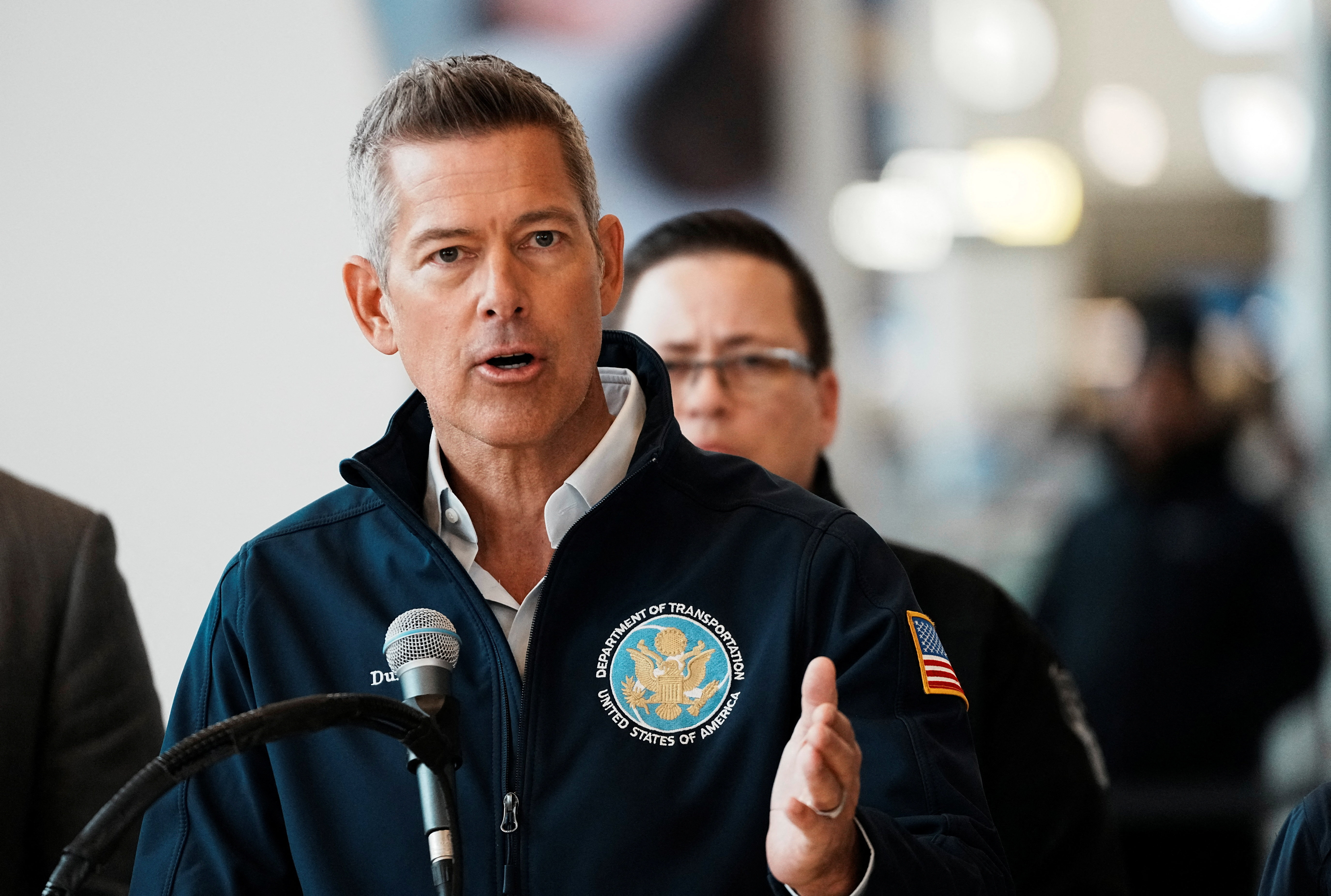
Transportation Secretary Sean Duffy described the push in blunt terms: “We’re recruiting, hiring, and training more air traffic controllers than ever before—and the numbers show it.”
Duffy also tied the effort to speeding up the hiring pipeline, dramatically expanding collegiate training programs, and inspiring young gamers to pursue the career pathway. At the same time, the DOT has said it does not have an exact timeframe for reaching the staffing benchmark of 12,563 certified controllers.
The 2026-2028 plan
The record year is the opening act of a longer push. The FAA’s 2026 to 2028 workforce plan set hiring goals of:
- 2,200 controller trainees in fiscal year 2026
- 2,300 controller trainees in fiscal year 2027
- 2,400 controller trainees in fiscal year 2028
The agency finished fiscal 2026 35 trainees above its first benchmark. In the same plan, the FAA said roughly 4,000 controllers were in the training pipeline at the time, including approximately 1,000 previously certified controllers training at new facilities.
The pipeline, in other words, is not only brand-new hires. It includes experienced controllers moving to new facilities, which still requires training time and capacity.
Retention matters
If training is the long game, retention is the nearer-term lever. The Department of Transportation says nearly 400 retirement-eligible controllers were retained through a new bonus structure.
That is the familiar administrative tradeoff: spending money to keep experienced workers can be contentious, but losing them can deepen the training burden and slow progress toward the staffing target.
Why this is federal
The Constitution does not mention airplanes. It does not mention airports. It does not mention radar.
But it does create a federal government with enumerated powers that make a national aviation system possible. When you see the FAA hiring thousands of trainees, you are watching federal power operate through a few core channels.
1) Regulating a national network
Aviation is interstate by nature. Flights cross state lines constantly, and airspace does not stop at a border sign. A single national framework is the only way a system like this can function as one system rather than fifty incompatible ones.
2) Spending money to administer safety
The hiring surge is also a capacity decision that depends on appropriations and program design. Congress funds, agencies execute, and the public experiences the results.
3) Executive branch administration
The FAA sits inside the executive branch, under the Department of Transportation. That means the hiring reforms, training pathways, and retention incentives are administrative actions carried out under statutory authority and budget constraints.
Does this fix delays fast?
It helps, but it is not an instant cure, and the numbers explain why.
- Trainees are not yet staffing. They cannot fill certified positions until they complete facility training and earn certification.
- Certification is measured in years, not weeks. The FAA says the timeline can exceed two years depending on facility complexity.
- The target is higher than the current level. With a target of 12,563 certified controllers and a current level of 11,027, the gap remains meaningful even after record trainee intake.
Record hiring, then, is best read as a down payment. The payoff arrives later, when those cohorts mature into certified professionals and when retention measures keep experienced controllers in place.
Modernization and staffing

The staffing story is unfolding alongside a broader overhaul of the nation’s air traffic control system, backed by $12.5 billion for upgrades including telecommunications infrastructure, new radios and radars, and electronic flight strips. The FAA is also expanding simulator-based training and exploring artificial intelligence and machine learning tools to better manage air traffic demand.
Those are separate lines of work, but they are being pursued at the same time: rebuilding the controller workforce while modernizing the system it operates.
Who answers for it
When a federal agency says a system is chronically understaffed, it is making a claim about governmental design, not just managerial inconvenience. In a constitutional republic, that raises a simple question: who is responsible for fixing a design that produces predictable gaps?
The answer is shared.
- Congress controls appropriations and can reshape statutory constraints that affect hiring, training capacity, and long-term planning.
- The executive branch sets priorities, executes hiring reforms, and manages agency performance.
- The agency itself must translate goals into certified staffing and safe operations.
Duffy called the milestone “important,” but he also added: “not the finish line.” On the numbers alone, that is exactly right.