

When people ask me what makes big cultural and legal debates feel so hard to follow, my answer is usually the same: the most heated fights often show up first in ordinary places. A school team. A workplace. A local club with a long history.
This week’s example comes from a heritage organization many Americans recognize by name: a judge issued a temporary restraining order that stops the Daughters of the American Revolution from disbanding a Texas chapter while a lawsuit moves forward. At the heart of the dispute is a question with deceptively simple wording: who counts as a “woman” for membership purposes?
Join the Discussion
What the order does
A court has issued a temporary restraining order protecting the Martha Laird Chapter, a local chapter in Texas, after the national leadership of the organization voted in early October to disband it.
In plain language, a temporary restraining order is a pause button. It keeps things from changing in the short term while the court considers the dispute.
It is just as important to understand what it does not do. The order does not settle whether the national board’s decision was ultimately valid. The National Society Daughters of the American Revolution stressed that point, saying the temporary restraining order “does not determine the validity of the National Board’s decision,” and that it expects its actions will “withstand judicial review.”
Why the chapter was disbanded
The Martha Laird Chapter had fought to bar transgender women, described in the dispute as biological men who identify as women, from joining its ranks.
The chapter also pursued an internal policy change. In September 2024, the Martha Laird Chapter, with the endorsement of 11 other chapters, submitted a proposed bylaw amendment that would have prohibited all men, including trans-identifying men, from DAR membership eligibility.
The national organization disbanded the chapter in a decision dated October 10, 2026, made by its National Board of Management. The national leadership denied that it acted because of individual members’ views on membership. Instead, it said the decision was based on the chapter’s use of the organization’s name and its official chapter leadership, communications, and governance processes to promote the objectives of what it described as a separate advocacy organization.
The lawsuit
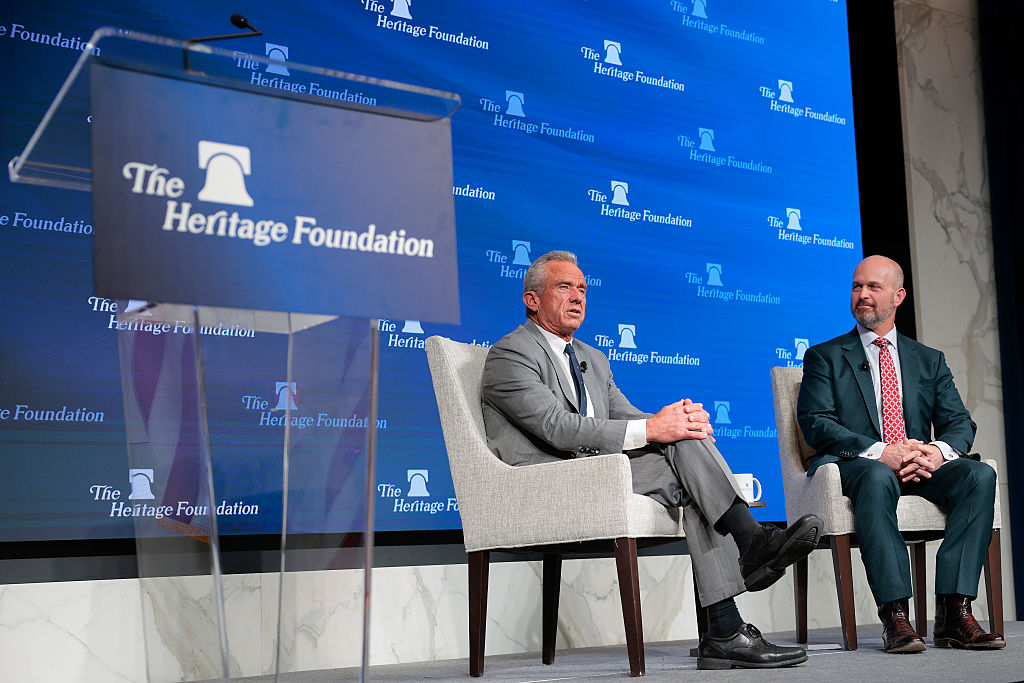
The Texas chapter sued the national organization with representation from the Heritage Foundation’s Legal Action Center. After the temporary restraining order was issued, Heritage attorney Lea Patterson praised the ruling as protection for an “84-year-old chapter” that she said was being silenced.
“The court's order is an important victory for the Martha Laird Chapter and the women who stood up for the principle that a women’s organization should be for women,” Patterson said. “National DAR leadership tried to silence these women by disbanding their 84-year-old chapter. We are grateful the court has stepped in to protect the chapter while this fight continues.”
Patterson also framed the dispute as a fight over internal governance and process. “DAR headquarters tried to punish its members for speaking out, shut down legitimate debate, and strip a chapter of its assets without a fair process,” she said. “These women followed DAR’s own procedures to advocate for change. They deserve to be heard, not punished for standing up for their convictions.”
The national organization has insisted that it acted under authority provided by its national bylaws, saying the October 10, 2026 decision was made “under the authority established in the National Bylaws.”
The bigger clash
Even though this dispute is playing out inside a private membership organization, it reflects a wider argument that keeps showing up in American life: when an organization is described as being “for women,” what does that mean in practice?
Supporters of the court’s intervention have made their position bluntly. Political strategist and former senior Senate advisor Mary Marslender said: “It shouldn’t take a court order to state the obvious: the Daughters of the American Revolution should be for women, not men. Changing a label doesn’t change biological reality. My daughters shouldn’t have to grow up in a world where their sex is treated as a choice and their spaces as negotiable.”
She added: “Organizations created by and for women should not be pressured to ignore basic facts. The Texas chapter defended common sense, and I applaud the judge’s decision to halt this misguided effort to undermine a historic women’s group.”
What happens next

For now, the Martha Laird Chapter remains protected while the case continues. The national organization says it is complying with the order while maintaining that the board acted within the authority of its national bylaws.
The next phase is likely to hinge on issues that are not flashy, but are decisive in disputes like this:
- What the national bylaws authorize the National Board of Management to do, and whether the disbanding decision fit that authority.
- How a court evaluates the organization’s stated rationale that the chapter used the DAR name, leadership, communications, and governance processes to promote the objectives of a separate advocacy organization.
- How the court weighs the chapter’s claim that it was stripped of assets without a fair process against the national organization’s claim it followed the bylaws.