
When the Supreme Court steps into the weeds of voter registration, the headline almost always sounds simpler than the law. This explainer uses a Virginia voter-roll dispute as the running example because it tees up several recurring issues at once: what states can do to check citizenship, what federal law limits in voter-list maintenance, and what it means when the Supreme Court acts on its emergency docket.
The immediate news hook is a Supreme Court emergency-docket order dated October 30, 2024 in Beals v. Virginia Coalition for Immigrant Rights, No. 24A407. The Court stayed the district court’s preliminary injunction while further review proceeds. In practical terms, the stay meant the injunction did not control during the appeal.
Three justices noted that they would have denied relief: Justices Sotomayor, Kagan, and Jackson.
For Virginia voters, the takeaway is narrow but important: Virginia could keep using its current approach for the moment while the appeal ran. If you worry your registration was affected, check your status using the Virginia Department of Elections voter registration lookup (the state’s official Citizen Portal). If you show up to vote and are told there is an issue, ask for a provisional ballot and follow the cure instructions you are given. If you already have it, bring any ID required under Virginia rules, plus any documentation that helps confirm your status. Do not assume you must have new documents. The key is to avoid leaving the polling place without a counted ballot option.
Join the Discussion
First principles
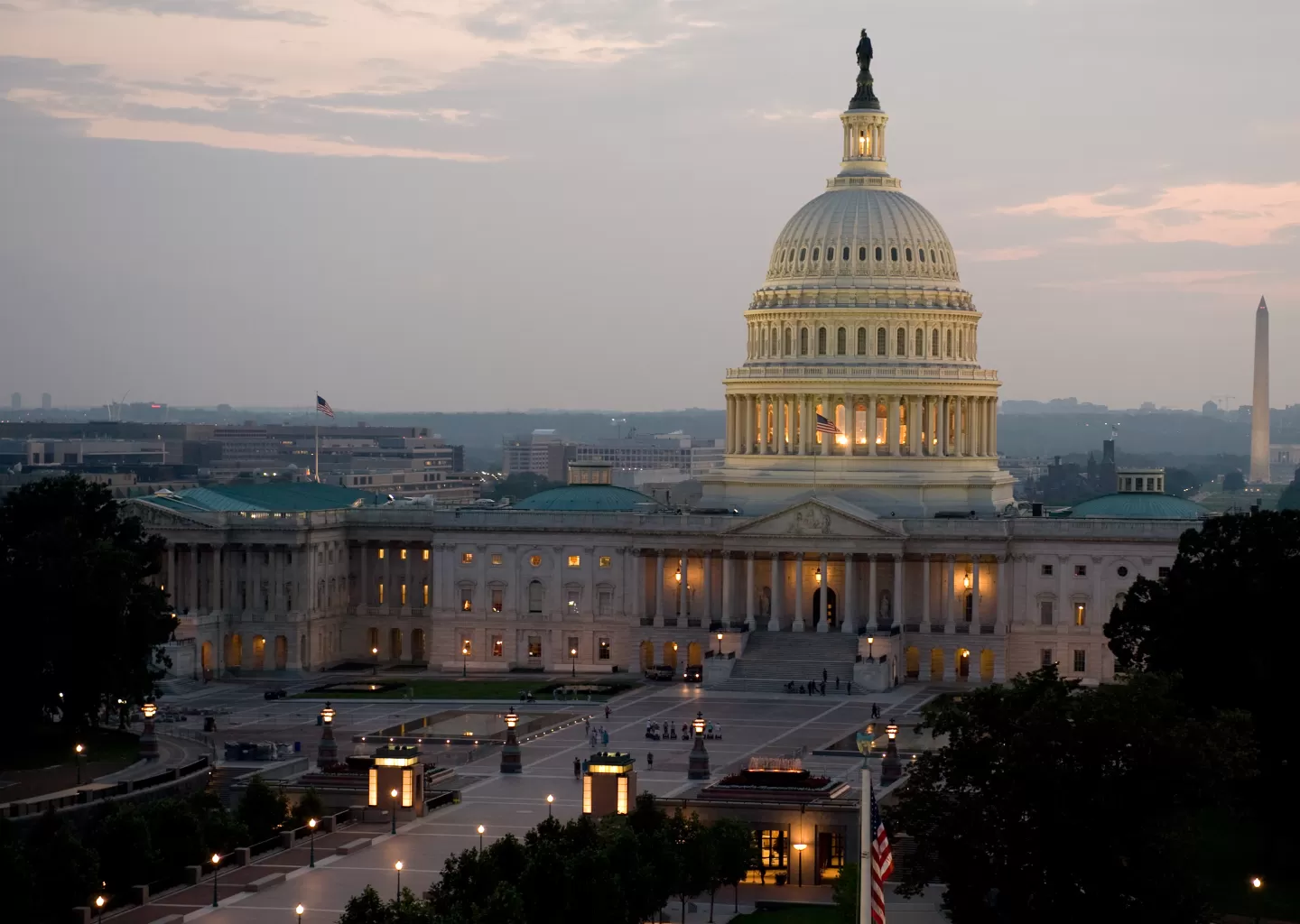
The Constitution does not assign the federal government a single, general job description of running elections. Instead, it splits responsibilities: states administer elections day to day, Congress has significant tools to regulate federal elections, and later amendments and federal statutes add guardrails that limit what states can do.
Election rules
Article I, Section 4, Clause 1, often called the Elections Clause, provides that the Times, Places and Manner of congressional elections are prescribed by state legislatures, but that Congress may at any time make or alter such regulations. In other words, Article I, Section 4 is a grant of authority about federal elections. It does not, by itself, hand Congress a free-standing power to regulate state and local elections.
At the same time, Congress can still shape election administration through other constitutional sources, including its enforcement powers under the Reconstruction Amendments, most notably the Fourteenth and Fifteenth Amendments, when voting rights are at stake.
Qualifications, with limits
The Constitution also ties voter eligibility for federal elections to state rules in a specific way. For House elections, for example, it says the electors in each state shall have the qualifications required for electors of the most numerous branch of the state legislature. In plain English: states largely set baseline voter qualifications, and those qualifications then carry over to federal elections.
But largely does important work here. States do not have unlimited power over qualifications or access. The Reconstruction-era and later amendments, including the 15th, 19th, 24th, and 26th Amendments, restrict how states can structure access to the ballot. Congress has also enacted major guardrails through statutes such as the Voting Rights Act and the National Voter Registration Act.
Citizenship checks
Two different questions often get mashed together in public debate:
- Who is eligible to vote in federal elections? Federal law generally prohibits noncitizens from voting in federal elections, including under 18 U.S.C. § 611, subject to its terms and exceptions. (A lawful permanent resident is still a noncitizen for this purpose.) Scope matters: § 611 is aimed at voting in an election that includes federal offices. It does not, by itself, create a nationwide rule for purely local elections with no federal races on the ballot. Separate state constitutional and statutory rules often do.
- What can a state require to police eligibility? This is where litigation happens, especially when the method touches federal registration rules or removes eligible voters by mistake.
It also helps to separate two tools that sound similar in headlines:
- Proof of citizenship at registration, such as requiring documentary proof (passport, naturalization certificate) before accepting certain registrations.
- Citizenship-related list maintenance, such as database matching and follow-up notices that can lead to cancellation or status changes if the state concludes a registrant is not eligible.
Noncitizens cannot lawfully vote in federal elections, but some municipalities have experimented with noncitizen voting in certain local elections. Whether those local policies are allowed is usually a matter of state law. They do not authorize noncitizen voting for federal office.
Federal forms
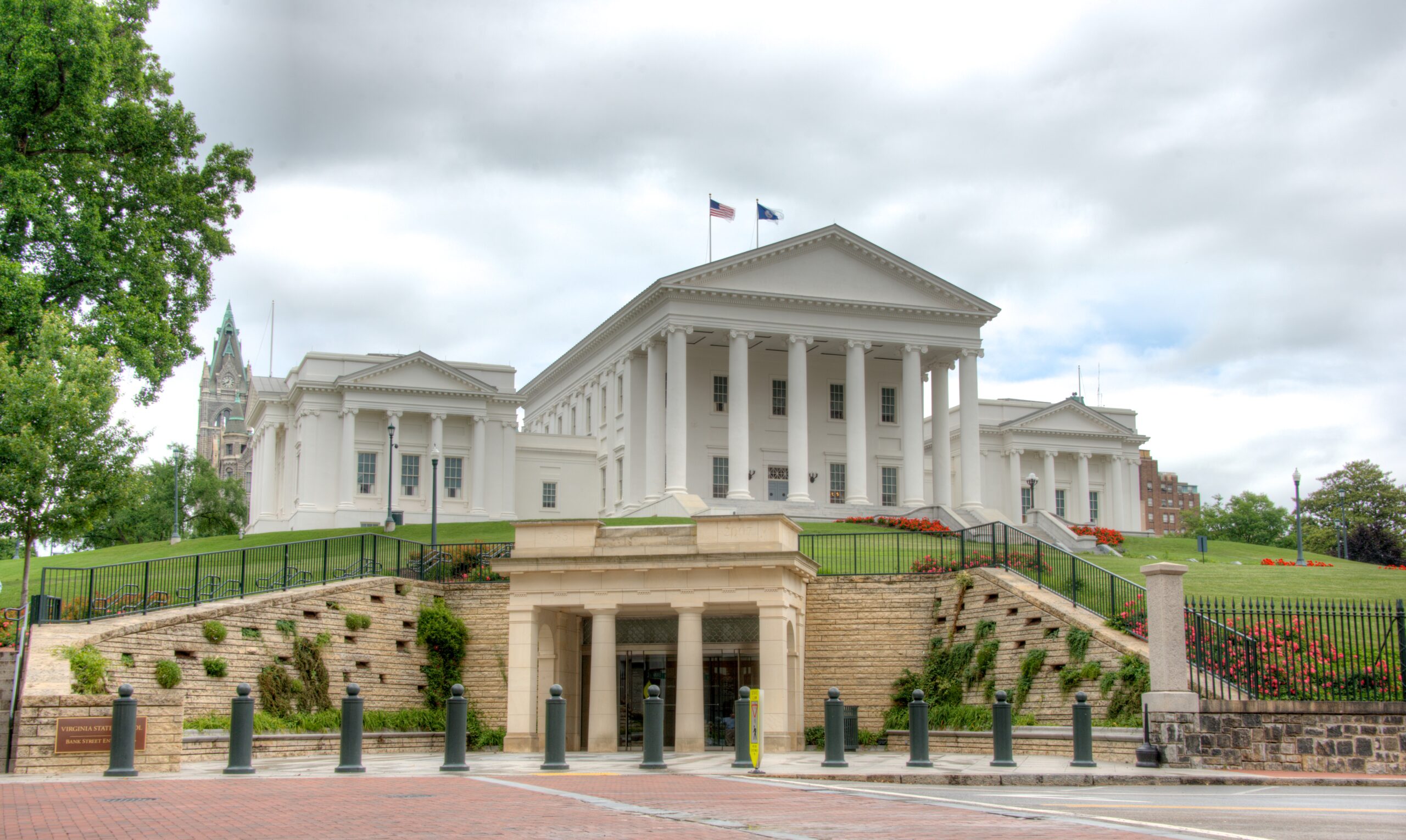
The Supreme Court’s modern election cases repeatedly return to one central point: federal law can standardize registration for federal elections. When it does, state innovations can become federal preemption disputes, a conflict where federal law overrides a contrary state rule.
That conflict is most visible in disputes about the National Voter Registration Act (NVRA) and the federal registration form used for federal elections. When Congress provides a federal form that requires an eligibility attestation, states often argue they should still be allowed to demand additional documentary proof. Opponents argue that extra requirements effectively rewrite the federal form and create a state-by-state barrier for the same federal election.
A useful anchor here is Arizona v. Inter Tribal Council of Arizona (2013), where the Court held that Arizona could not require documentary proof of citizenship as a condition of accepting the federal form for federal elections, because the NVRA’s federal-form regime preempted the state requirement. That did not end all citizenship-check efforts, but it clarified where the federal form can limit state add-ons for federal contests.
State authority
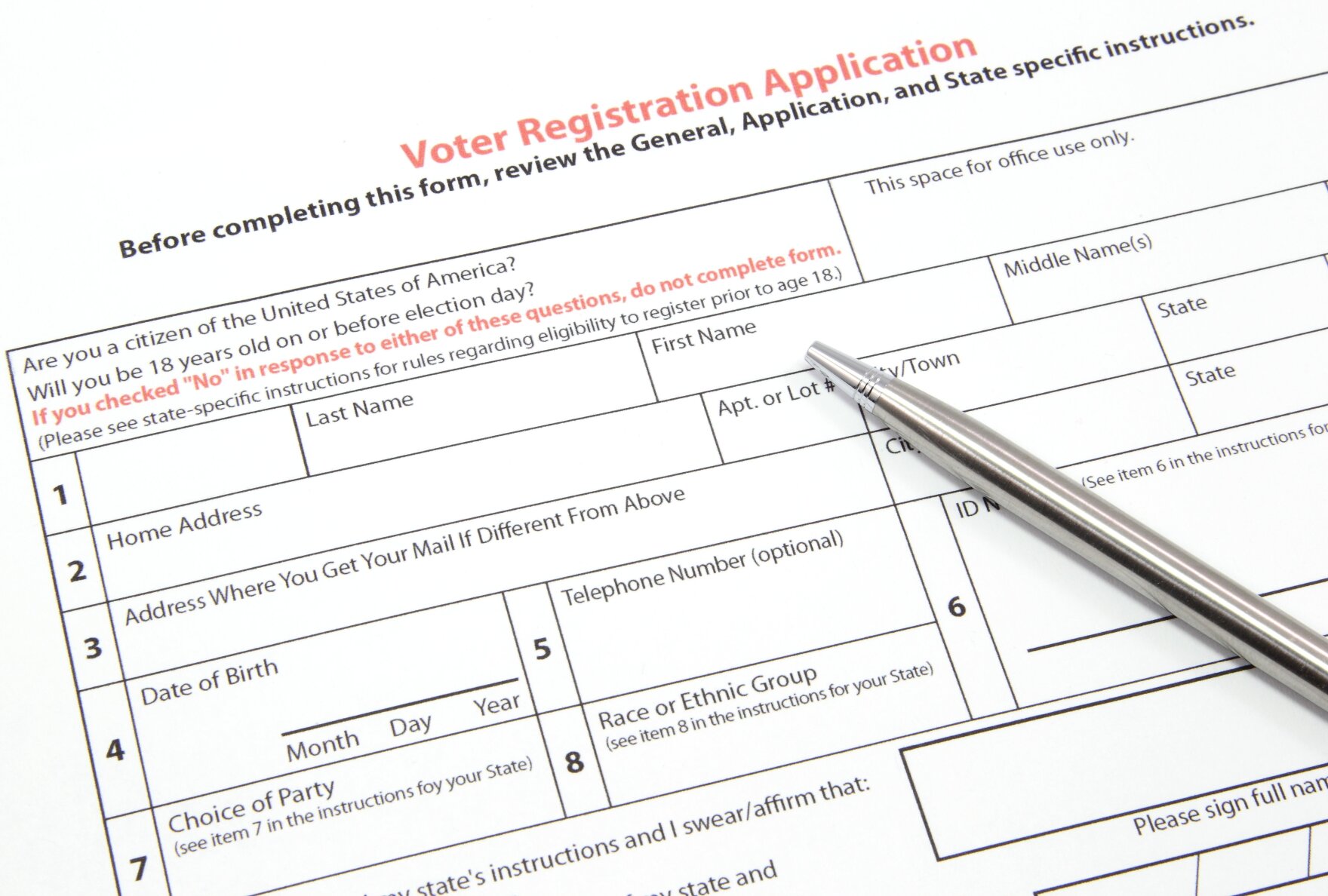
States have broad authority to design election systems. But authority is not the same thing as immunity. The same rule can be lawful in one form and unlawful in another depending on how it is implemented and what elections it touches.
Commonly allowed
- Require voters to be citizens and require registrants to affirm that they are citizens under penalty of perjury.
- Use reasonable administrative checks, including database matching, to verify identity and eligibility.
- Investigate and prosecute fraud using existing criminal laws, so long as enforcement is not discriminatory.
Where risk rises
- Preemption problems: if a state requirement effectively adds a new condition to a federally mandated registration method for federal elections, courts often treat that as a federal supremacy conflict.
- Undue burden on voting: under the Anderson-Burdick framework, drawn from Anderson v. Celebrezze (1983) and Burdick v. Takushi (1992), courts often weigh the burden on voters against the state’s justifications.
- List-maintenance traps: the NVRA regulates how states may maintain voter rolls, including notice and timing rules aimed at preventing improper removals.
What happened in Virginia
Virginia’s dispute, as framed in the emergency filings, centers on citizenship-related list maintenance: how the state identifies registrations it believes may be ineligible and what steps it may take to change a voter’s status or cancel a registration.
The challenged approach was tied to Governor Glenn Youngkin’s Executive Order 35 and Virginia’s implementation across agencies. In the litigation record, Virginia described an interagency process that used frequent updates tied to Virginia DMV data to identify registrants flagged as potential noncitizens, route those records for review, and refer records to election officials for action under Virginia’s voter-removal processes.
In that same record, Virginia said the effort resulted in the removal of about 1,600 registrants. In this context, “removal” refers to election-administration actions that take a registrant off the active roll, typically through cancellation or a comparable change in the registration record that can prevent a person from appearing as eligible at the polls unless they fix the record, re-register, or vote provisionally and then cure.
What that looks like for an individual voter is often quiet. A registrant might receive a notice from a local general registrar or election office indicating that the record was flagged and requesting confirmation or documentation.
If the voter does not respond in time, or if the state concludes the record is not eligible, the voter may discover their registration is canceled or inactive. In broad terms, canceled means the registration is terminated and the voter typically must re-register. Inactive often means the registration record still exists, but the voter may face extra steps at the polls, including address confirmation or a provisional ballot if the record cannot be resolved on site. Details can vary by state practice and timing, which is why checking your status before Election Day matters.
The NVRA 90-day rule
The legal crux is an NVRA constraint often described as the 90-day rule. Under 52 U.S.C. § 20507(c)(2)(A), states generally may not conduct a systematic program to remove ineligible voters from the rolls within 90 days of a federal election. That is the quiet period leading into an election like the November 2024 federal election. The statute’s key word is systematic. Courts then have to decide whether what the state did looks like a programmatic sweep or something narrower.
The NVRA does not freeze all list maintenance. It allows certain removals to continue, including removals at the registrant’s request and removals based on death. But even actions that feel individualized can still be constrained by other NVRA provisions depending on the asserted reason for removal.
Timeline
- October 25, 2024: The U.S. District Court for the Eastern District of Virginia entered a preliminary injunction concluding the plaintiffs were likely to succeed on the claim that Virginia’s challenged practice violated the NVRA’s 90-day quiet-period provision.
- October 27, 2024: A three-judge panel of the U.S. Court of Appeals for the Fourth Circuit denied Virginia’s request to stay the injunction, leaving the district court’s order in place at that stage.
- October 30, 2024: The Supreme Court stayed the injunction in Beals v. Virginia Coalition for Immigrant Rights, No. 24A407. Justices Sotomayor, Kagan, and Jackson indicated they would have denied the application.
What the district court did
At a high level, the district court treated Virginia’s matching and resulting removals as a systematic effort carried out during the NVRA’s 90-day window, rather than a set of permissible case-specific actions. The preliminary injunction’s remedy was designed to stop the challenged activity and to restore affected voters to the rolls.
Operationally, that kind of remedy can mean reinstating a registration and, depending on the state’s database mechanics, restoring a voter to active status rather than leaving the voter in an inactive category that can still cause Election Day friction.
The court also focused on the risk of wrongful removals and last-minute confusion. Matching systems can generate false positives for ordinary reasons, including stale agency records, data-entry mistakes, incomplete citizenship fields, or changes in a person’s status that are not promptly reflected across databases.
Why it became an emergency
The emergency posture was driven by timing. A preliminary injunction entered close to a federal election can force immediate operational changes for election officials and immediate uncertainty for voters. That proximity is what often turns an ordinary appeal into a fast-moving request for a stay.
Emergency docket
The Court’s emergency docket, sometimes called the shadow docket, is where it handles urgent requests for relief on short timelines. Orders are often brief and may not include a full explanation, even when the practical effects are significant.
What both sides argued
In simplified terms, the stay fight typically comes down to competing stories about harm and about the NVRA’s word systematic:
- Virginia’s view: the state framed its actions as targeted eligibility enforcement, not an election-season sweep. It also argued that a last-minute injunction would disrupt election administration and prevent the state from acting on information it believed showed ineligibility.
- Plaintiffs’ view: the plaintiffs framed the program as a systemwide process that produced removals inside the 90-day window and risked eligible citizens being knocked off the rolls when it was hardest to fix the record. On that view, the NVRA’s quiet period exists to prevent exactly that kind of pre-election churn.
- The central disagreement: whether the matching and removals were “systematic” in the NVRA sense, and how to weigh the competing claims of election-administration disruption versus voter disenfranchisement risk.
What the Court weighed
The Supreme Court does not typically explain emergency stays in detail, but the governing considerations are familiar. A stay request generally turns on factors like likelihood of success on the merits, irreparable harm absent a stay, the balance of equities, and the public interest. The Court’s stay signaled that, in its view of those factors, the injunction should not control while the appeal proceeds.
What the stay means
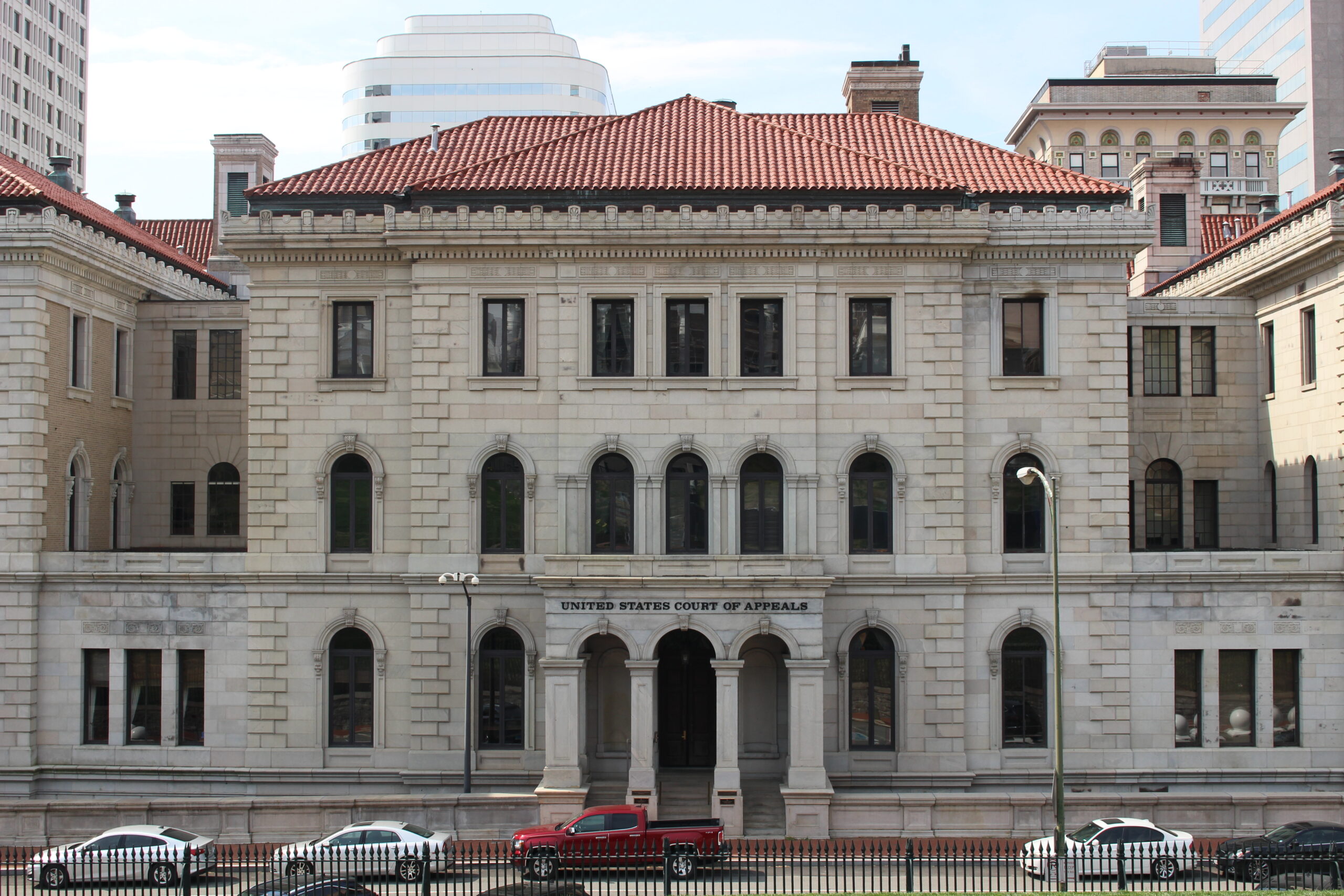
The stay answered one question only: whether the injunction remained in effect while further review proceeds. The merits case continued through ordinary appellate steps, typically briefing, possible oral argument, and a decision by the court of appeals. Depending on how the case resolves, the losing side may later seek Supreme Court review on the merits.
What happens next: the Fourth Circuit decides the appeal (or otherwise disposes of it), and the Supreme Court could be asked later to review that merits decision. The on-the-ground rules can change again if the Fourth Circuit, or the Supreme Court, modifies the status quo during that process.
FAQ
Can a state require proof of citizenship?
States can require that voters be citizens. Whether a state can require documentary proof of citizenship as a condition of registration for federal elections depends on how that requirement interacts with federal law, including the NVRA and the federal form. For state-only elections, states generally have more room, but the design still has to comply with constitutional protections and applicable federal statutes.
Does the Constitution guarantee voting?
Not in one clean sentence. Instead, the Constitution is a patchwork of allocations and protections: provisions that let states set many election rules, and amendments that forbid certain kinds of discrimination and barriers. Modern voting-rights doctrine draws heavily from the Fourteenth Amendment, the Fifteenth Amendment, and other voting-related amendments, along with federal statutes passed by Congress.
If I am already registered, do I need new documents?
Often, no. Many citizenship-check policies focus on new registrations or on list maintenance processes. But the only accurate answer is state-specific, and it depends on how the rule is written and enforced, including what notice and cure steps exist if your record is flagged.
Can states run different rules for federal and state elections?
Sometimes. Dual systems exist in some places, but they are legally sensitive and administratively complex. Courts look closely at whether the structure effectively denies eligible voters access to the ballot for the races they are entitled to vote in.
The point
The Constitution built American elections like a shared workspace. States do most of the daily operations. Congress can rewrite the office manual for federal elections. Courts step in when the house rules collide with federal law, or when a compliance burden starts functioning like exclusion.
That is the through-line of voter citizenship litigation, including the Virginia emergency stay that sparked this explainer. The story is not just whether a citizenship check is a good idea. The story is which level of government gets to choose the method, and what the Constitution and federal statutes require when that method risks locking eligible citizens out.