When a federal judge blocks a president’s border policy, the next question is practical as much as legal: does the order stay in place while the case moves forward?
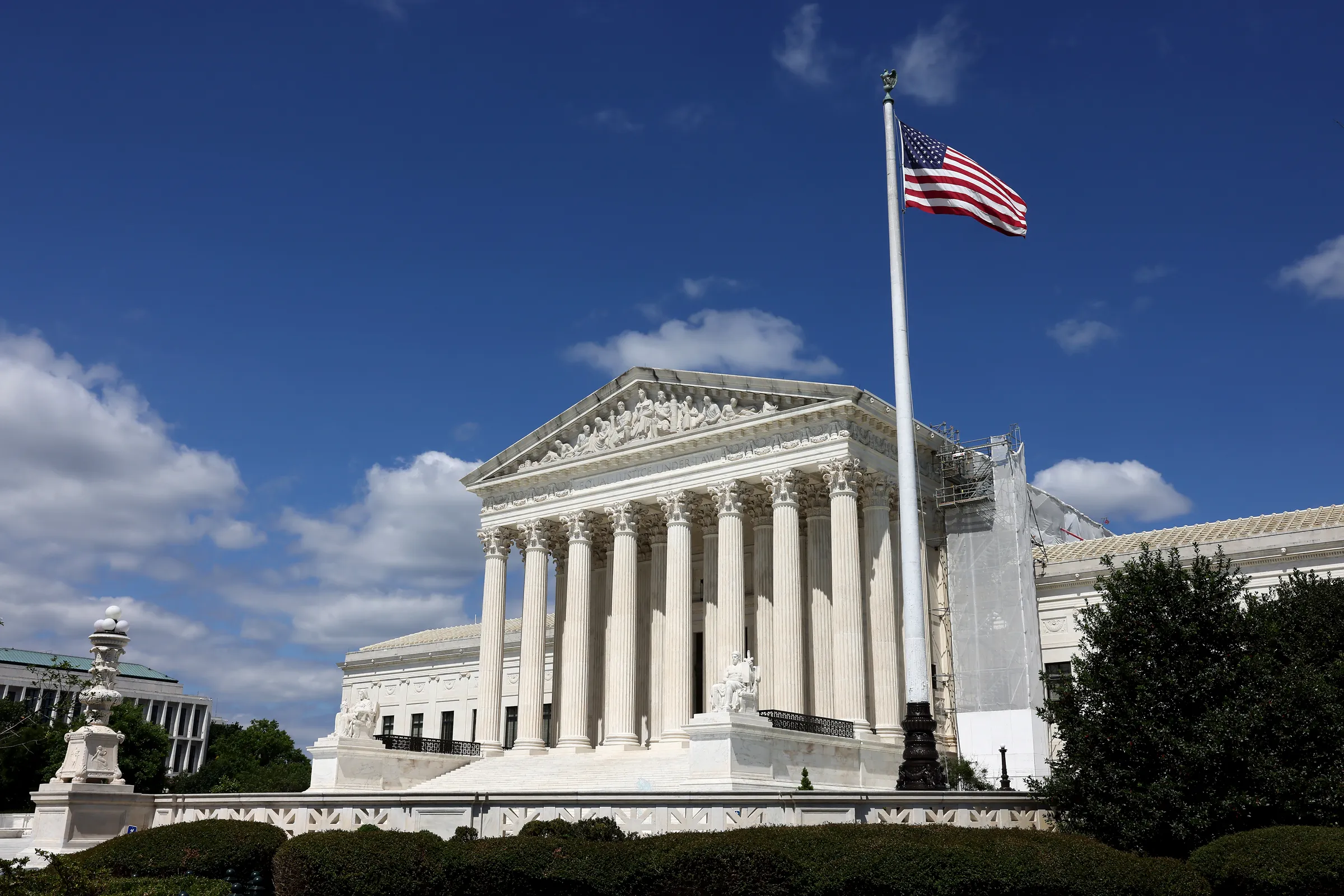
On Monday, the Supreme Court delivered a blunt, temporary answer. It granted the Trump administration’s emergency request to lift a lower-court order that had halted border wall construction in West Texas’ remote Big Bend region. The work can resume, at least for now, while the underlying lawsuit continues.
That narrow procedural move does not decide the case. But it does decide what happens on the ground while the courts sort out the rest.
Join the Discussion
What the Court did
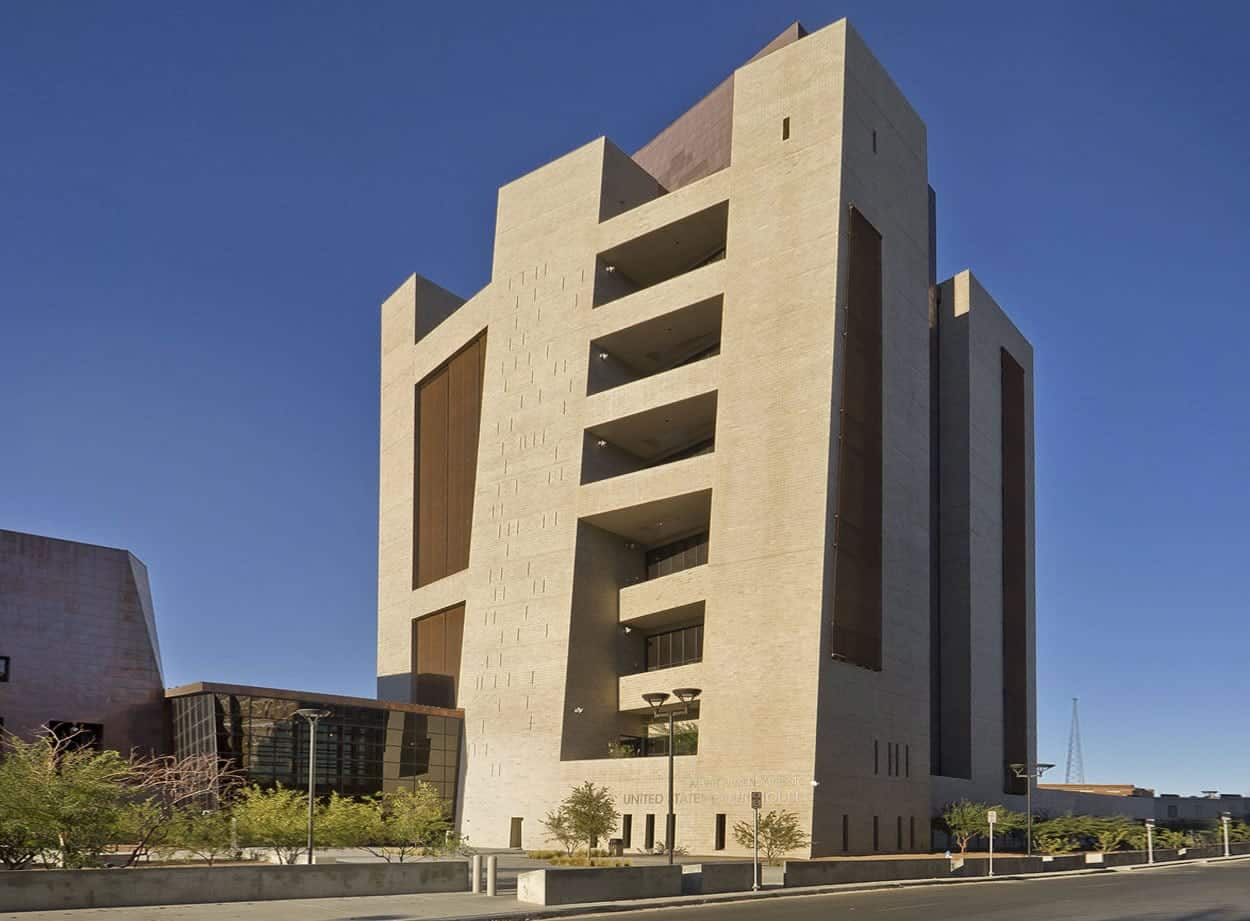
The justices issued a stay of a preliminary injunction entered last month by a federal district judge in El Paso. That injunction had temporarily stopped border wall construction in the region U.S. Customs and Border Protection designates as the Big Bend Sector, pending further litigation.
A stay is not a final ruling on the merits. It is a temporary order about what rules apply while a case moves through the courts. Here, the rule is that the government is allowed to keep building while the legal challenge proceeds.
Justice Ketanji Brown Jackson indicated she would have denied the stay request, though she did not file a written dissent.
Who sued and why

The lawsuit was brought by a coalition of environmental groups and local residents.
They claim the Department of Homeland Security violated constitutional provisions by proceeding without congressional authorization and bypassing environmental regulations.
The Supreme Court’s order does not resolve those claims. It simply lifts the lower court’s hold on construction while the case continues.
Why Big Bend matters
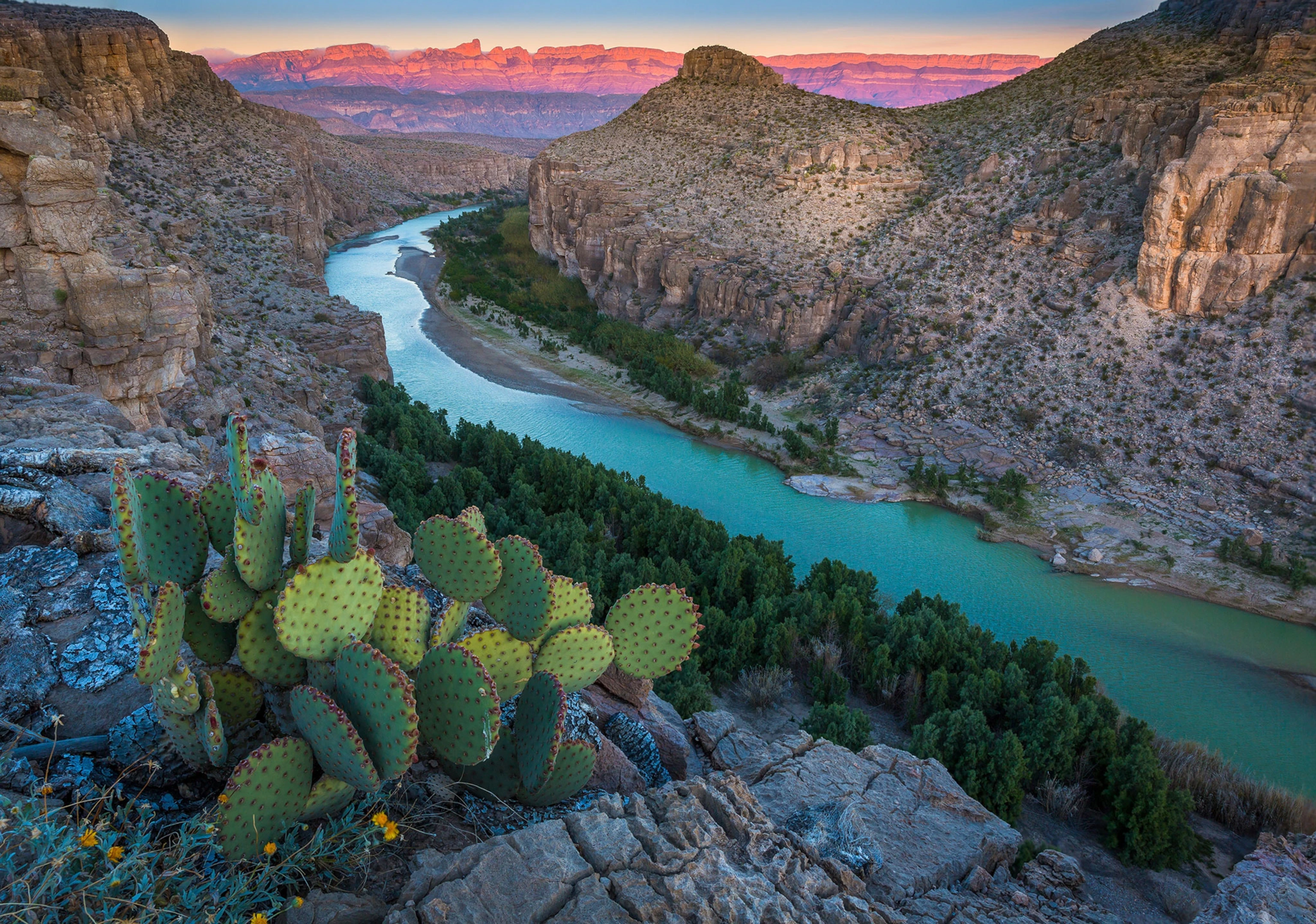
Spanning more than 500 miles, the Big Bend Sector covers roughly a quarter of the U.S.–Mexico border. Yet it accounted for just 1.3% of all border apprehensions in 2025.
Administration officials have argued the wall is vital to stopping cartel operations active south of the border and curbing the smuggling of large quantities of illicit drugs into the U.S. They have also said most of the proposed construction in the Big Bend Sector will take place on privately owned land.
Big Bend National Park is slated for a 17-mile barrier, though officials noted it will not feature the 30-foot steel pedestrian fencing planned in other areas along the southern border.
What happens next
The practical effect of Monday’s order is straightforward: construction may move forward in the Big Bend Sector while the case returns to the lower courts.
The broader legal fight remains in place. The challengers are still pressing their arguments about congressional authorization and environmental requirements. The administration is still defending its ability to proceed.
For now, the Supreme Court’s answer is procedural rather than final: the pause is lifted, and the lawsuit keeps going.