
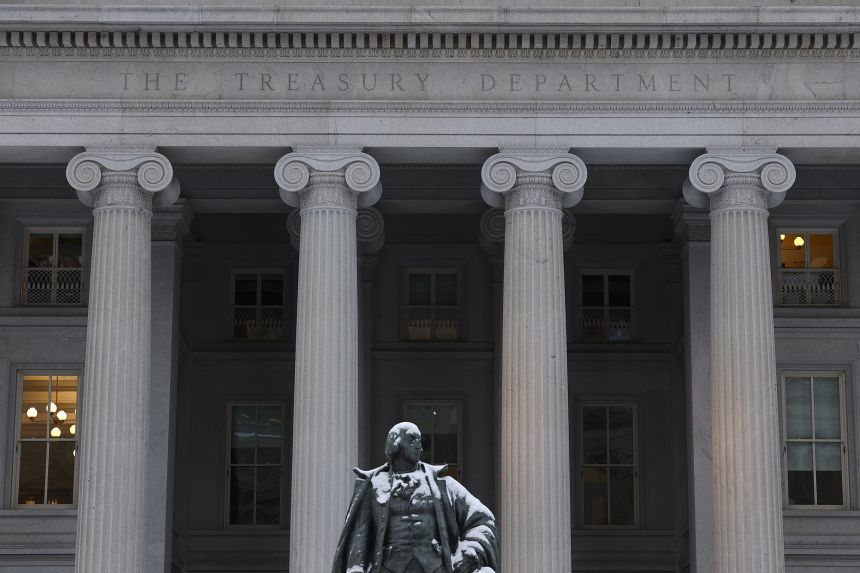
The Trump administration says it is sending one-time $500 refund checks to people who bought health insurance through the federal Affordable Care Act marketplace and were overcharged through costs tied to operating HealthCare.gov. The checks are being issued by the U.S. Treasury to more than 950,000 Americans across 30 states, and each payment is accompanied by a personal letter from President Donald Trump.
If you are someone who purchases coverage through HealthCare.gov, the key question is simple: Do you use the federal exchange, and did you pay full price without premium assistance? The administration says the refunds are aimed at people who used the federal platform and did not receive premium assistance.
Join the Discussion
At a glance
- Refund amount: $500 (one-time payment)
- How many people: more than 950,000 Americans (about 1 million)
- Where: 30 states that use the federal ACA exchange (HealthCare.gov)
- Who is targeted: people who bought plans on HealthCare.gov and do not receive premium assistance
- What comes with the check: a letter from President Trump
Why refunds are going out
The administration’s explanation centers on how the federal marketplace is funded in states that rely on HealthCare.gov rather than running their own exchanges.
In those states, the federal exchange is operated by the Centers for Medicare & Medicaid Services. CMS charges a “user fee” for services tied to marketplace operations. An administration official said a surplus built up from that fee, and that the prior administration left the surplus in place instead of returning the money or lowering costs.
That accumulated cash is now being used for the refunds. The administration also says the fees have been significantly reduced.
What the letter says
Each check includes a letter signed by President Trump. In it, he frames the refund as money being returned to policyholders, writing:
“For years, the Biden administration overcharged you to fund the operation of HealthCare.gov,” the letter says. “That money belongs to hard-working Americans, not the Government, and now I’m returning it to you!”
The letter also describes the refund as coming from what it calls surplus funds tied to an Obamacare “Premium Tax,” stating:
“With this Historic Action, my Administration is taking the surplus funds that accumulated from the Obamacare ‘Premium Tax’ and issuing a one-time $500 REFUND to Americans who use the HealthCare.gov platform to purchase their health insurance, but who do not receive Taxpayer Subsidies to help pay for their Coverage. You have paid into this flawed System, and now you are finally getting something back,” the letter continues.
Who qualifies
The administration’s description of eligibility points to HealthCare.gov users in federal exchange states who do not receive premium assistance, meaning they paid the full cost of their marketplace coverage without premium help.
Premium assistance is also known as the premium tax credit. In general, the premium tax credit was supposed to be issued to people who purchased a healthcare plan through the Affordable Care Act (ACA), have an income between 100% and 400% over the poverty line, and do not qualify for other government healthcare programs like Medicare and Medicaid. The administration says these refund checks are targeted specifically at Americans who did not receive that assistance.
Which states are included
The administration says the refund checks are going to people in 30 states that do not run their own ACA exchanges and instead rely on the federal platform.
It says 20 states are not included because those states have their own state-run processes and did not rely on the federal exchange the administration claims was responsible for overcharging on user fees.
Where checks are concentrated
The administration provided state-by-state estimates showing where refunds are most concentrated. The top three states are:
- Texas: 139,000 estimated recipients
- Florida: 127,900 estimated recipients
- Ohio: 65,700 estimated recipients
Two additional state estimates highlighted by the administration are:
- North Carolina: an estimated 58,200 recipients
- Michigan: an estimated 55,100 recipients
It also says thousands more checks will be issued across Alaska, Alabama, Arkansas, Arizona, Delaware, Hawaii, Iowa, Indiana, Kansas, Louisiana, Missouri, Mississippi, Montana, North Dakota, Nebraska, New Hampshire, Oklahoma, Oregon, South Carolina, South Dakota, Tennessee, Utah, Wisconsin, West Virginia and Wyoming.
Politics and policy backdrop
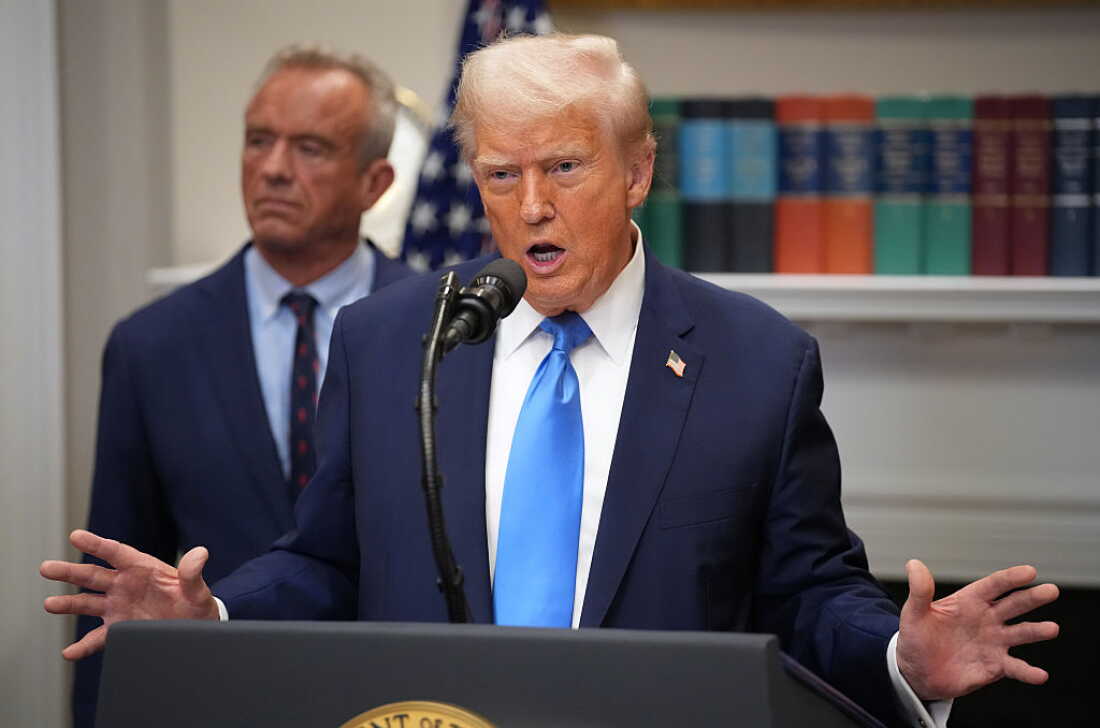
Trump first announced these refunds in September, as the administration sought to build on other promises of checks tied to initiatives like tariffs and DOGE cuts, both of which have not yet come to fruition.
During the Republicans' midterm convention in Dallas last month, Trump also said he would issue $5,000 so-called “dividend checks” to every American adult if the GOP retained control of the House and Senate after November's election.
Separately, an administration official pointed to Trump’s negotiations with 26 pharmaceutical manufacturers to drop the cost of drugs to prices similar to other developed nations. The official also said the administration expanded access to health savings accounts for millions of Americans on Obamacare through backing the Working Families Tax Cuts Act.
Healthcare costs remain a hot topic heading into the midterm elections, which will decide control of both chambers of Congress and influence how much room Trump has for the final two years of his term.
If you think you qualify
This refund effort is described as a Treasury-issued check tied to participation in the federal marketplace. The administration’s description emphasizes that recipients used HealthCare.gov in a federal exchange state and did not receive premium assistance.
If that describes you, the most practical next step is to watch your mail for a $500 check and the accompanying letter. If you live in a state that runs its own exchange, the administration says you should not expect a check through this particular refund program.