Mail-in ballots feel like a modern controversy, but the legal fight is older than the pandemic and bigger than any one candidate. It is a recurring clash between two ideas that both sound like democracy: making voting accessible, and making voting verifiable.
This explainer focuses on why mail ballot rules keep landing in federal court, what the Constitution actually says about who sets those rules, and why last-minute changes so often trigger emergency Supreme Court skirmishes.
If you want the durable story, it is not “will the Supreme Court decide the election.” It is this: the Constitution gives states the front line role in running elections, gives federal courts a limited role in policing constitutional boundaries, and gives the Supreme Court a highly visible role when election rules collide with national politics.
Join the Discussion
What these Supreme Court fights are about
At the surface, mail-in ballot cases often read like paperwork disputes: signatures, dates, envelopes, witness requirements, cure opportunities, drop box rules, and deadlines. But constitutionally, most of these conflicts compress into three recurring questions.
1) Who gets to set the rules for federal elections?
For congressional elections, the Elections Clause says the “Times, Places and Manner” of holding elections for Senators and Representatives “shall be prescribed in each State by the Legislature thereof,” with Congress retaining power to “make or alter” those regulations.
For presidential elections, the Electors Clause gives state legislatures authority to decide the “Manner” of appointing electors, within constitutional limits and subject to other federal law.
Those words matter because modern election administration is not done by a legislature acting in isolation. It is done through a web of state statutes, state constitutions, state courts, secretaries of state, local election boards, and consent decrees. And the term “Legislature” itself has been litigated: in many contexts, the Supreme Court has treated it as a state’s lawmaking process as defined by the state constitution, not a freestanding body that can ignore vetoes, initiatives, or other state constitutional constraints.
2) When do verification rules become a burden on the right to vote?
States have legitimate interests in verifying ballots, including mail ballots. The constitutional problem arises when the verification method becomes an unreasonable barrier, is applied unevenly, or is structured in a way that predictably discards lawful votes for technical reasons without a meaningful chance to fix them.
Concrete examples of the kinds of rules that trigger litigation include strict witness requirements, signature matching practices without clear standards, ID copy requirements that are hard for some voters to satisfy, and cure timelines that are so short that notice arrives too late to matter.
Many verification disputes end up framed under the Fourteenth Amendment, usually as due process (fair procedures) and equal protection (similar voters treated similarly).
3) What should courts do close to an election?
Even when plaintiffs have serious arguments, the Supreme Court is often wary of changing election rules at the last minute. The idea is practical: late judicial changes can confuse voters and administrators and can erode trust in the result.
Lawyers often refer to this as the Purcell principle, after a Supreme Court case frequently cited for the warning that federal courts should be cautious about altering election rules on the eve of voting.
The constitutional framework
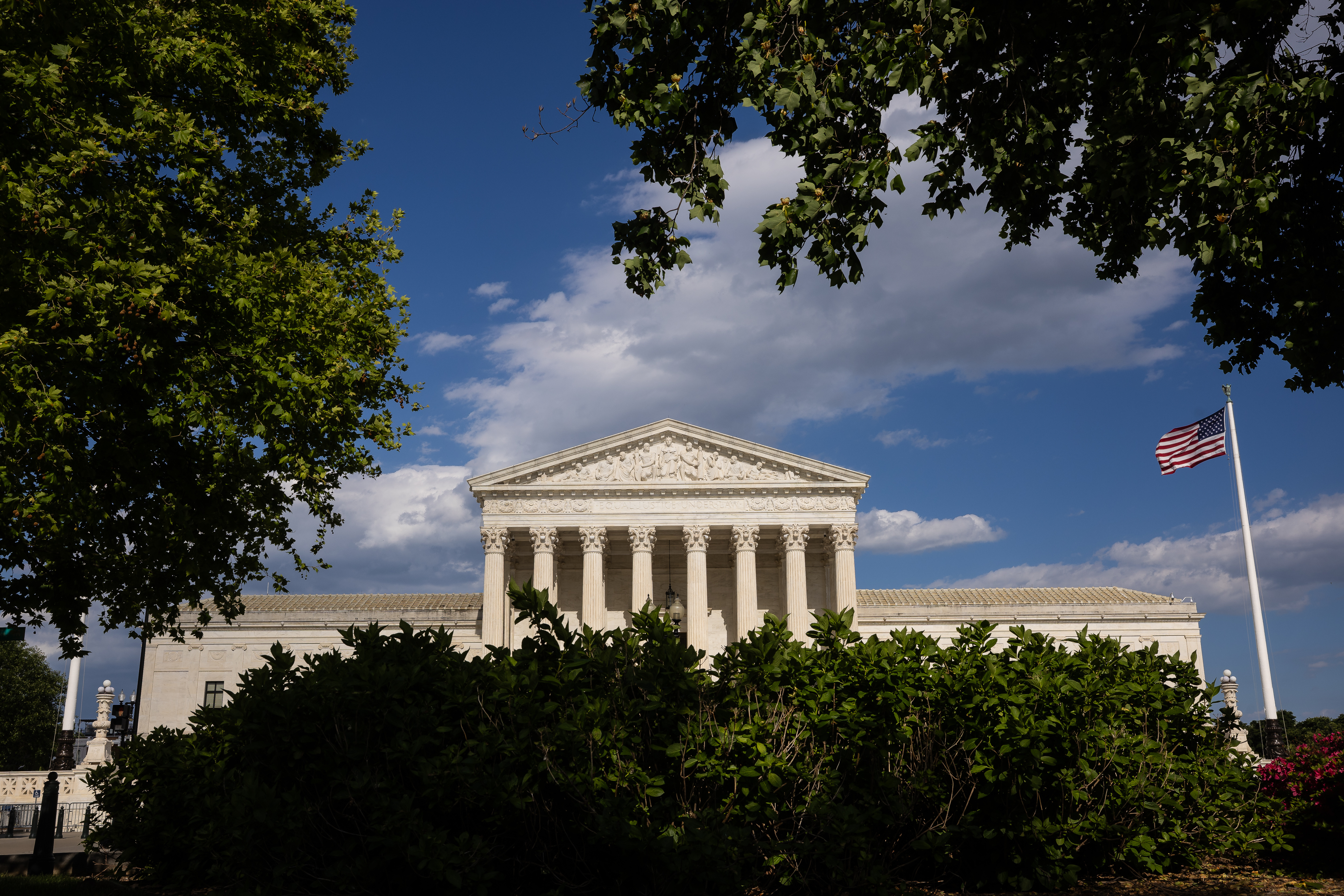
The Constitution does not contain a neat “right to mail-in voting” provision. More broadly, it does not include a single explicit, affirmative, general right-to-vote clause. Instead, voting rights in federal constitutional law are built from a patchwork of structural rules and anti-discrimination amendments, plus Supreme Court doctrine treating voting as a fundamental right in certain contexts.
- Structural authority: States set most election rules through their own laws, while Congress can regulate federal elections under the Elections Clause.
- Constitutional floor: States cannot administer elections in ways that violate equal protection, due process, or specific voting-rights amendments, including the Fifteenth, Nineteenth, Twenty-Fourth, and Twenty-Sixth Amendments.
- Federal statutory overlay: Congress has also passed major voting laws that can preempt state choices, such as the Voting Rights Act, the National Voter Registration Act, and laws affecting military and overseas voting.
So when a mail-in ballot dispute reaches the Supreme Court, the most important civics point is simple: the Court is rarely deciding whether mail voting is good or bad. It is deciding who has authority to set or interpret rules, and whether the rules cross constitutional or statutory lines.
“Fraud” is the headline, verification is the battlefield
“Election fraud” is a powerful phrase because it describes a genuine fear: that unlawful ballots could cancel out lawful ones. But in court, broad claims about fraud do not win cases by themselves. Courts want specifics. What practice allows what kind of unlawful vote, at what scale, and why is the remedy legally appropriate?
That is why many election cases pivot to verification mechanics instead of sweeping allegations. A state can tighten rules on signatures, IDs, or witnesses and justify it as protecting integrity. Plaintiffs can respond that the rule predictably rejects eligible voters, is applied unevenly across counties, or offers no fair way to cure an honest mistake.
In other words, the real dispute tends to be less “fraud versus no fraud” and more “how many legitimate ballots are you willing to discard to reduce the risk of illegitimate ones.” The Constitution does not give a numeric answer. It gives principles, and then courts apply balancing tests that can look frustratingly subjective.
The doctrines courts actually use
Equal protection
When election rules are applied inconsistently, equal protection becomes the hook. The classic warning is that similarly situated voters should not have their votes treated differently based on where they live or which official happens to be on duty.
This is one reason signature matching and cure procedures trigger litigation. If one county offers generous notice and cure and another county does not, the “same” rule can function like two different rules.
Due process
Due process is about fair procedure. In mail ballot disputes, it often means: if the government is going to reject your ballot for a fixable defect, did it give you timely notice and a meaningful opportunity to cure?
Anderson-Burdick balancing
Many constitutional challenges to voting regulations are evaluated under a balancing approach that weighs the burden on voters against the state’s asserted interests. Under that framework, not every burden is unconstitutional. But severe burdens require stronger justifications.
It is not the only framework in election litigation. Sometimes federal statutes control, sometimes state-law questions dominate, and sometimes the fight is procedural. But for many vote-burden claims, Anderson-Burdick is the familiar workhorse.
About the current case hook
One important note about the news hook: mail-in ballot disputes reach the Supreme Court through specific cases, with specific state rules, records, and procedural postures. If you are reading this because of a breaking update about a particular appeal, the case name, state, and the rule being challenged should be spelled out in the accompanying news brief or update.
This explainer is designed to travel well across cases. The recurring pattern is that the party seeking Supreme Court intervention typically argues that a state court or election official changed rules in a way that conflicts with what the state legislature enacted, or that verification rules either protect integrity or unlawfully burden voting.
If the argument you are seeing gestures toward the idea that state legislatures have special constitutional primacy over election rules, you may also see it labeled as the “independent state legislature” theory. The Supreme Court has addressed versions of that theory in recent years, and its current contours are narrower and more contested than its most sweeping forms. But it continues to show up as a framing device in emergency election litigation.
What could change before Election Day
What the Court can do quickly
- Issue an emergency order: The Court can grant or deny temporary relief that keeps a challenged rule in place or blocks it.
- Emphasize timing caution: The Court can lean on the Purcell principle’s practical warning about late changes, even without deciding the full merits.
- Narrowly resolve a procedural question: Sometimes the Court decides standing, mootness, or whether a lower court used the right standard.
What is less likely to happen overnight
- A sweeping national rule on mail voting: Most election administration remains state specific. The Court usually decides cases in ways that leave states room to differ.
- A definitive fraud finding: The Supreme Court is not an election audit body. It resolves legal claims on records built in lower courts.
- A single order that restores trust: Trust is cultural as much as legal. Courts can clarify rules, but they cannot manufacture legitimacy by decree.
How to read the next update
When you see a new filing or order, focus on four questions.
- Whose rule is being challenged? A legislature’s statute, a secretary of state’s guidance, a county practice, or a state court interpretation.
- Is it state law or federal law? Some disputes are really about what state law requires, while others claim a federal constitutional or federal statutory violation. The category matters for what a federal court can do.
- What is the alleged violation? Equal protection, due process, the Elections Clause, the Electors Clause, or a federal statute.
- What is the remedy? Blocking a rule, requiring a cure process, moving a deadline, or invalidating a category of ballots.
- How close to Election Day? The later it is, the more the Court tends to prefer freezing the status quo, even if it has doubts about it.
This discipline keeps you from being yanked around by slogans. “Integrity” and “suppression” can both be descriptions of the same policy, depending on how it is designed and administered. The Constitution does not ask you to pick a team. It asks the system to justify its power.
FAQ
Does the Constitution guarantee a right to vote by mail?
No. Mail voting is a method states choose to offer and regulate. Once a state offers it, the method still has to be administered consistent with constitutional protections like equal protection and due process, plus applicable federal statutes.
Can a state require ID, signatures, or witnesses for mail ballots?
Often yes, in some form. The constitutional fight is usually about how burdensome the requirement is, how it is enforced, and whether voters have a fair opportunity to fix problems.
Can the Supreme Court take over election administration?
Not in the way people sometimes imagine. The Court can strike down rules, require certain procedures, or interpret constitutional boundaries. But it does not run state election offices. It reacts to cases brought to it, and it is constrained by the record and the law.
Are mail ballots uniquely vulnerable to fraud?
Any voting system has vulnerabilities, and every system also has safeguards. Courts do not decide this question as a general impression. They ask whether a particular rule is justified and lawful, and whether challengers have evidence and legal standing to demand a change.
The deeper point
Every election is a civics test, not just for voters but for institutions. The hard part is that a healthy system needs both access and verification, and it needs them in a way that the losing side can live with.
These Supreme Court appeals matter because they are attempts to draw the lines: how much discretion election officials have, how much power state courts have to interpret election statutes and constitutions, and how aggressively federal courts should intervene when election rules are contested under the banner of integrity.
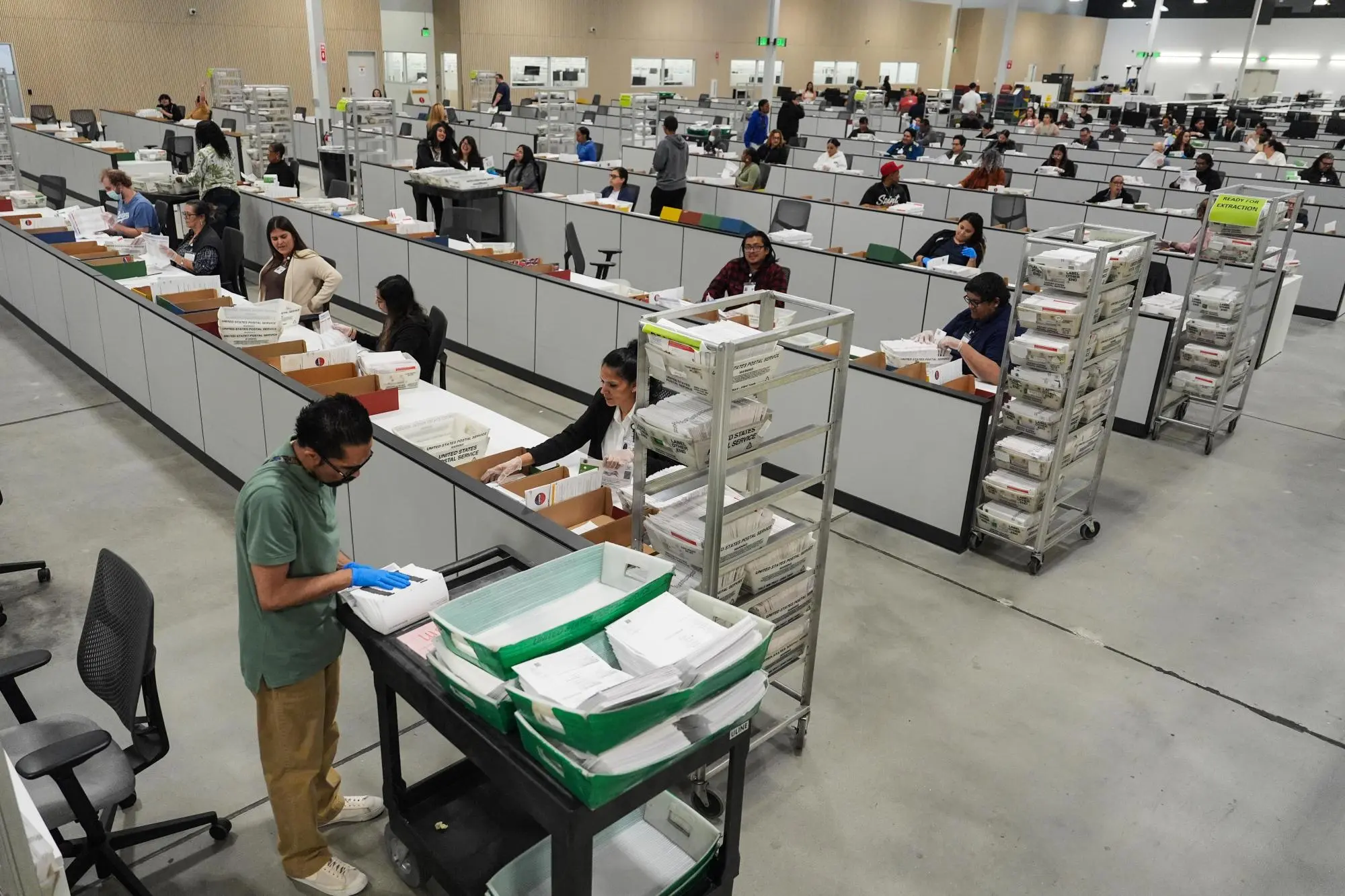
And yes, in a mail voting system, that institutional story runs through the mail itself: ballots and notices that move through the postal service, deadlines that depend on postmarks, and administrative choices that determine whether a voter gets a real chance to fix an honest mistake.
Whatever the Court does, the durable lesson is the same. The Constitution is not only the Bill of Rights and grand principles. It is also the plumbing. And when the plumbing is contested, the entire building feels unstable.