

Join the Discussion
The phrase is doing political work, not providing intelligence
When a sitting president posts “IRAN IS COMPLETELY COLLAPSING!!!” in all caps, it reads like a dispatch from the front line. That is exactly how the internet treated it on August 24, 2026: as if the United States had just received confirmation that Iran’s government was falling in real time.
But presidents are not wire services, and social media is not a Situation Room briefing. The more durable way to understand the post is as a foreign-policy signal, timed to coincide with a Treasury-led escalation of economic pressure. The viral bundle that followed attached Trump’s declaration to Treasury Secretary Scott Bessent and what supporters described as an “economic D-Day” against Iran.
That framing matters because it changes what the claim can responsibly mean. “Collapsing,” in this context, is less a verified statement about street-by-street conditions inside Iran and more an argument: that sanctions and financial enforcement are pushing Tehran toward a breaking point.
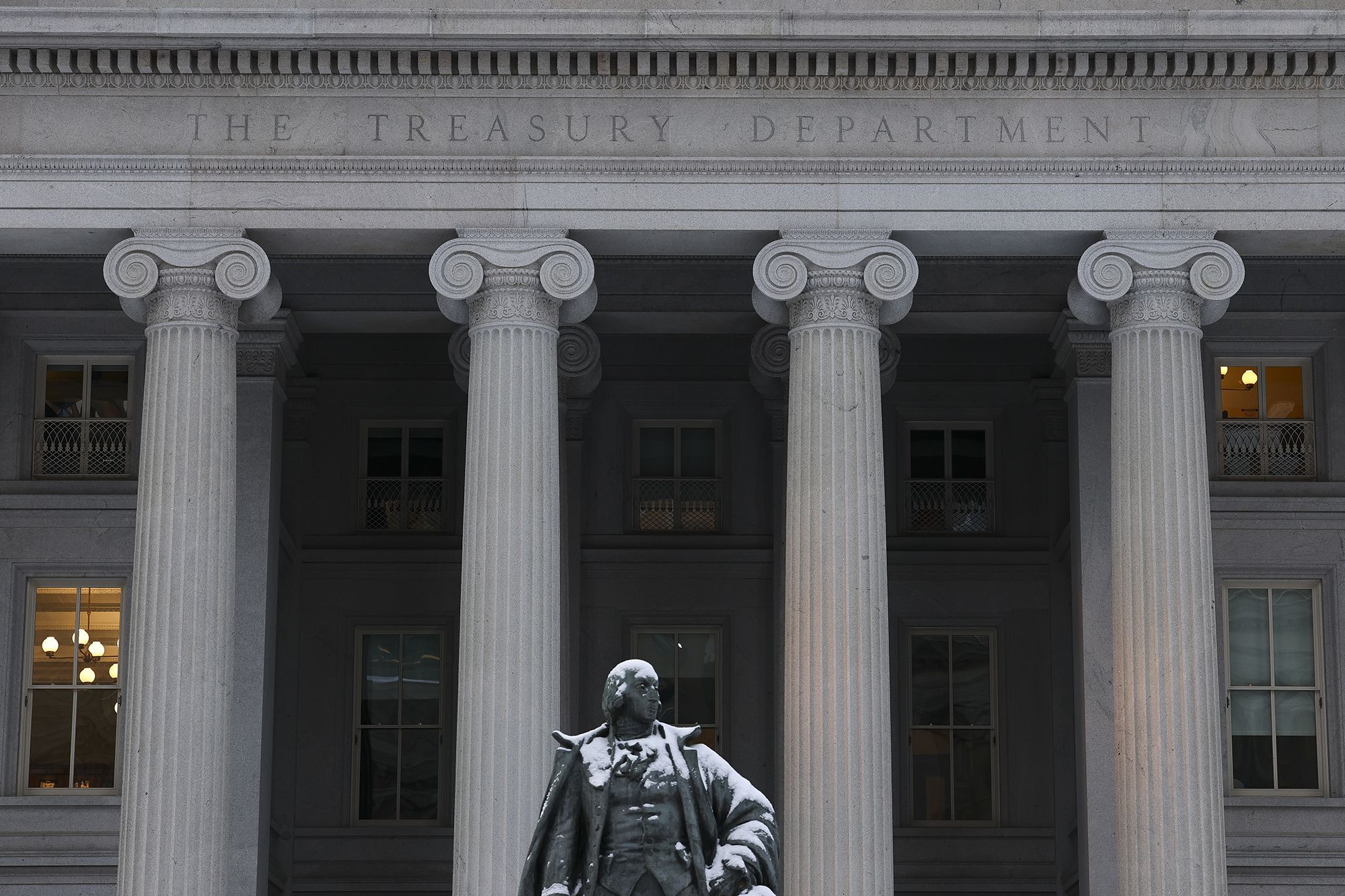
What Bessent can actually do: economic power through Treasury
The Treasury Department is not a conventional warfighting agency, but it has become one of the most consequential instruments of modern U.S. national power. When an administration wants to squeeze a foreign government without launching missiles, it often reaches for Treasury first.
That is the constitutional backdrop to this moment. The President is the nation’s chief diplomat and commander in chief, but much of the machinery that makes economic pressure real runs through statutes, regulations, and executive authorities administered by Treasury and coordinated across the executive branch.
The basic toolkit behind “maximum pressure” style sanctions
- Designations and blocking actions that freeze assets under U.S. jurisdiction and prohibit U.S. persons from doing business with listed individuals, companies, or networks.
- Secondary sanctions that threaten penalties for non-U.S. entities that transact with sanctioned actors, raising the cost of doing business with the target country even outside America.
- Financial system leverage, including pressure points tied to dollar clearing, correspondent banking, and compliance risk that can make banks treat sanctioned exposure like a contagion.
- Maritime and shipping enforcement focused on the logistics of energy exports, including insurers, shipowners, brokers, and port services that touch cargo.
You do not need to accept anyone’s “collapse” narrative to see the strategic intent. The intent is to narrow Iran’s room to maneuver by narrowing its revenue and expanding its transaction costs.
Why oil exports are always the center of the story
In the viral commentary surrounding Trump’s post, one claim came up repeatedly: that Iran “cannot sell their oil,” especially to China, and that this revenue squeeze is what makes internal failure inevitable.
Strip away the social-media certainty and you are left with a sound strategic premise: oil is the lever. If a government depends heavily on energy sales for foreign currency and budget stability, then limiting that income can force tradeoffs that are politically dangerous, including the ability to subsidize essentials, stabilize the currency, or reliably fund internal security operations.
This is also why sanctions campaigns often focus not merely on the oil itself, but on everything that makes oil sellable: shipping arrangements, payment channels, intermediary firms, and the compliance posture of buyers and banks.
“Collapsing” is a prediction built on a budget equation
The online argument goes like this: if cashflow drops far enough, a state struggles to cover payroll and procurement, which can erode loyalty among armed forces and security services. That is not a battlefield update. It is a theory of pressure, aimed at the internal plumbing of a regime.
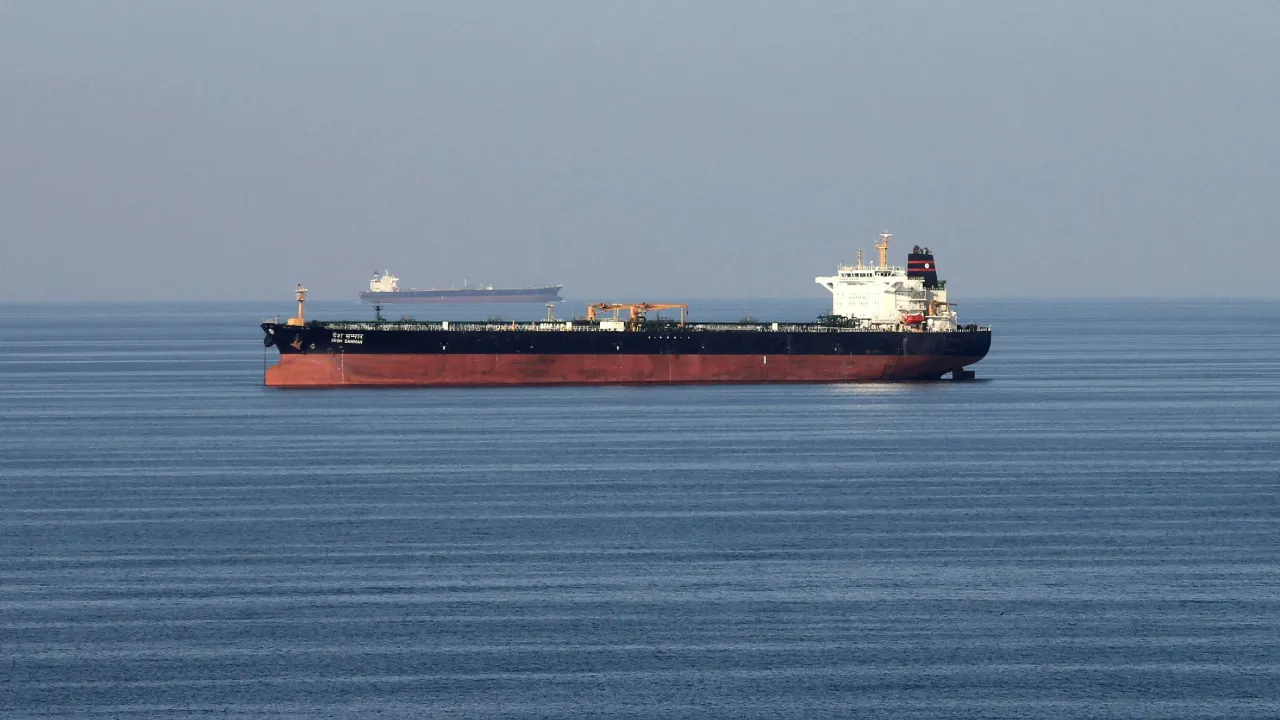
Hormuz: the strategic geography that makes sanctions feel like war
Another feature of the viral narrative was the emphasis on the Strait of Hormuz, the narrow maritime corridor that connects the Persian Gulf to global shipping lanes. In online discourse, Hormuz becomes a shorthand for leverage: if the U.S. and its partners can keep lanes open for allies while raising the risks and costs for Iran, the pressure is not merely financial. It is strategic.
This is where the language of “siege warfare” shows up. Not because anyone has announced a conventional siege, but because the logic rhymes with one: constrain supplies, constrain revenue, and wait for internal strain to do what bombs do faster.
That is also why you should be careful with a sentence like “Iran is completely collapsing.” Real collapses have fingerprints. You would expect corroboration across multiple indicators: sustained loss of internal control, breakdowns in basic administration, defections, fractures among elites, and visible disruptions that cannot be spun away. A viral post is not that.
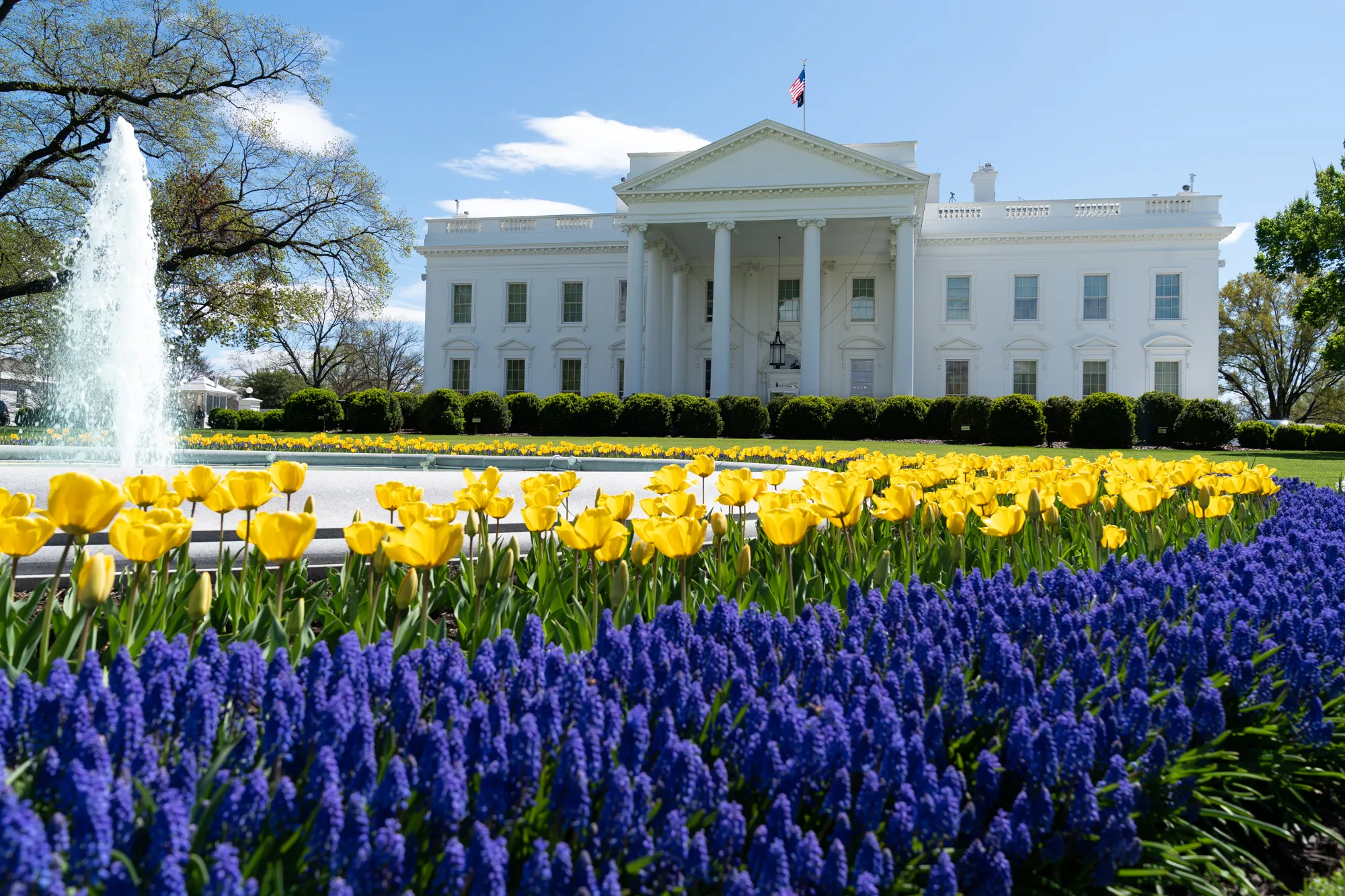
The constitutional story underneath the rhetoric
Even if you ignore the internet theater, this moment raises a constitutional question Americans rarely think about until it is too late: Where does sanctions power live?
We like to speak as though the President can unilaterally “do sanctions” the way a king declares a blockade. But the American system is messier by design.
Three overlapping sources of power shape a sanctions surge
- Congress writes sanctions laws, sets conditions, and can mandate or restrict certain measures. It also controls appropriations and oversight.
- The President directs foreign policy, executes the laws, and uses delegated emergency authorities to impose restrictions quickly.
- The Executive Branch bureaucracy, especially Treasury, implements the policy through designations, regulations, licenses, and enforcement decisions that determine what the sanctions mean in real life.
In other words, when you see a single all-caps declaration of national triumph, remember that the underlying mechanism is often administrative: rulemaking, enforcement, interagency coordination, and negotiations with allies and counterpart regulators.
That does not make it weak. It makes it procedural. And in the American system, procedure is often where power hides.
So is Iran “completely collapsing”?
Here is the cleanest way to hold two thoughts at once.
- It can be true that Iran’s economy is under severe pressure, and that intensified sanctions can deepen stress on revenue, imports, and internal stability.
- It does not follow that a viral presidential post is proof of a comprehensive internal collapse, or that “collapse” is an objective condition that can be declared into existence.
Trump’s post, amplified by allied messaging, functions as a headline-level signal: the U.S. wants the world to believe the pressure campaign is reaching an endgame. Bessent’s role, meanwhile, is to make that belief costly to test by tightening the financial and commercial vise.
That is why this trend endures even when it contains few verifiable on-the-ground details. It is not trying to be a report. It is trying to be leverage.
What to watch next (if you want facts, not vibes)
If the administration is truly escalating economic pressure in a meaningful way, you should be able to track it through concrete, boring artifacts.
- Treasury announcements detailing new designations, networks, or sectors targeted.
- Enforcement actions involving seizures, penalties, or criminal cases tied to sanctions evasion.
- Licensing and carve-outs that indicate whether the policy aims at total isolation or selective pressure.
- Market behavior in shipping, insurance, and compliance, because private actors often enforce sanctions more aggressively than governments do.
And if Iran were truly in “complete collapse,” you would expect the story to be legible through sustained, corroborated indicators, not just through synchronized reposts of a single sentence.