
When most Americans picture the IRS, they picture math. Forms. W-2s. A government agency that asks about income, not identity.
That is why a new proposal from the Trump administration lands as more than routine paperwork. The IRS has posted a draft 1040 form for 2026 that would ask filers to answer: “At the time you file your return, are you, and your spouse if filing jointly, a U.S. citizen, U.S. national, or an alien lawfully authorized to work in the U.S.?” The draft shows Yes and No checkboxes for both the filer and spouse. A draft Schedule 3-A, used to claim refundable credits, includes a similar question.
Join the Discussion
What it changes

The IRS posted its draft 1040 for 2026 in late August, with the citizenship and work-authorization question placed directly on the main return. A second draft form, Schedule 3-A, which is used to claim refundable tax credits, features a similar question.
The Treasury Department said the new question is intended to keep illegal immigrants from taking advantage of refundable credits such as the Earned Income Tax Credit and the Additional Child Tax Credit, which low- and middle-income workers and families may qualify for and which often results in a refund for eligible taxpayers.
Officials argue the change would help stop illegal migrants from collecting federal benefits they are not eligible for and could save taxpayers up to $2 billion.
A Treasury official said the information collected would be “subject to a variety of privacy, disclosure and other legal protections”, without disclosing whether the information would be shared with immigration enforcement to target someone for arrest and deportation. The draft forms themselves do not spell out what would happen, operationally, after a filer checks “No.”
Why it matters
This proposal is being debated on two tracks at once.
On one track, it is a tax administration question: refundable credits have eligibility rules, and the IRS is the agency that administers them. On the other track, critics worry the IRS could be pulled into immigration enforcement goals if information collected for tax purposes is later used for non-tax enforcement.
That is why a new checkbox is being treated as more than a technical edit.
Credits and eligibility
Refundable credits are claimed through the tax system, but they can function like a payment because they can generate refunds.
Current rules already draw lines based on documentation and status. A valid Social Security number is required to qualify for the Earned Income Tax Credit, while workers with only an Individual Tax Identification Number (ITIN) do not qualify. The IRS checks Social Security numbers against Social Security Administration records for each EITC claim.
Illegal migrants are generally not eligible for federal benefits. Eligibility for refundable tax credits depends on federal tax law and immigration status. Current law generally requires a valid Social Security number for the EITC, while eligibility for the Additional Child Tax Credit varies based on statutory requirements.
The Trump administration’s proposal would further limit eligibility by applying standards under the Personal Responsibility and Work Opportunity Reconciliation Act to certain refundable tax credits. The administration argues that the law, which governs who is eligible for benefit programs, should also be applied to refundable tax credits.
Privacy and data sharing
The immediate privacy question is not simply whether the IRS can collect information, but how that information might be used and whether it could be shared outside the tax context.
The Trump administration has previously attempted to use the IRS to carry out its immigration agenda. Last year, the Treasury Department agreed to share confidential taxpayer information about immigrants with Immigration and Customs Enforcement to help the agency identify people for deportation.
A federal judge blocked the data-sharing agreement, ruling that it violated federal taxpayer privacy laws. Before it was stopped, the IRS had already given ICE the addresses of 47,000 people.
Against that backdrop, critics view a new checkbox about citizenship and work authorization as potentially creating a new pool of information that could be used beyond tax administration, even though a Treasury official emphasized privacy and other legal protections.
Certification risks
Under the proposal, every tax filer would have to certify their immigration or citizenship status to the IRS under penalty of law to file their return.
Critics argue that puts some migrants in a bind. They could declare on a tax return that they are unlawfully in the U.S., which critics say could make them a target for immigration-related arrests if the information is shared. Or they could lie on the return, which critics say would be a felony. Some migrants may opt for a third option and stop filing their taxes altogether.
The ITIN reality
While illegal migrants are not authorized to live and work in the U.S., they still do pay taxes. For example, illegal immigrants typically pay into Social Security but generally cannot collect Social Security benefits unless they later become eligible under federal law.
In 2024, the National Taxpayer Advocate found 3.8 million tax returns where a taxpayer used an ITIN. An ITIN can be issued for multiple purposes, but undocumented workers who cannot obtain a Social Security number are among the people who use them.
IRS data show that taxpayers who filed those nearly 4 million returns paid $14.4 billion in income taxes and $6.5 billion in Social Security and Medicare taxes.
Who could lose credits
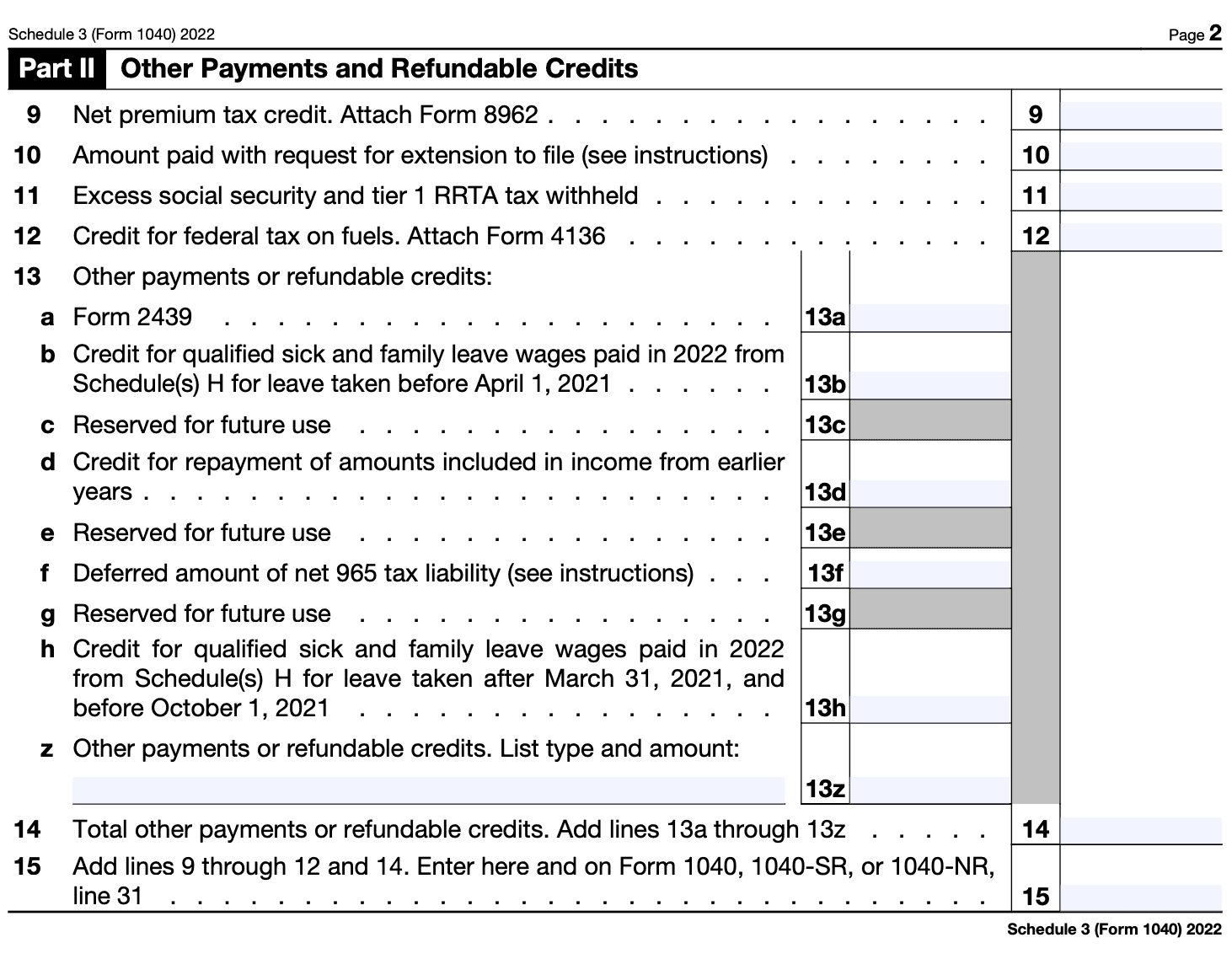
Some migrants in the U.S. who are currently eligible for some of these credits would not be eligible under the new policy. That includes people covered under the Obama administration’s Deferred Action for Childhood Arrivals, those with temporary protected status, and temporary workers in the country under H1-B visas.
A research paper published this week estimates that 671,000 people, including 309,000 children, would lose the Earned Income Tax Credit under the proposal. The paper estimates that 1.1 million people, including 574,000 children, would lose the Additional Child Tax Credit.
Most of the children who would lose eligibility would be U.S. citizens because at least one parent’s citizenship or immigration status affects eligibility, the researchers said. The researchers are at Boston University, Columbia University, and the Institute on Taxation and Economic Policy.
What critics are saying
David Bier, director of immigration studies at the Cato Institute, put it this way: “It could be used as an immigration enforcement tool and that is probably the reason why they are doing this.”
Nina Olson, executive director for the Center for Taxpayer Rights, argued the change shifts the agency’s role: “It’s dragging the IRS into this administration’s immigration policies.”
Key takeaways
- The Trump administration has proposed requiring tax filers to disclose citizenship and work authorization status on annual IRS forms.
- The IRS posted a draft 1040 for 2026 with a question asking whether the filer and spouse are a U.S. citizen, U.S. national, or an alien lawfully authorized to work in the U.S., with yes and no checkboxes.
- A draft Schedule 3-A used to claim refundable credits features a similar question.
- Officials say the goal is to prevent ineligible refundable credit claims and could save taxpayers up to $2 billion.
- In 2024, the National Taxpayer Advocate found 3.8 million ITIN returns. IRS data show those filers paid $14.4 billion in income taxes and $6.5 billion in Social Security and Medicare taxes.
- A federal judge blocked a Treasury agreement to share taxpayer data with ICE as violating taxpayer privacy laws. Before the block, the IRS gave ICE addresses for 47,000 people.