
A D.C. judge has permanently dismissed the Lincoln Memorial Reflecting Pool vandalism case against former Olympian David Hearn, ending a monthslong legal fight that drew in the Justice Department, the White House, and President Donald Trump.
D.C. Superior Court Judge Todd Edelman dismissed the case with prejudice, a critical distinction that means the Department of Justice cannot refile the same charge against Hearn.
The ruling followed the DOJ’s move to dismiss the indictment in late July and came after Trump criticized U.S. Attorney Jeanine Pirro for dropping the case and the White House asked the DOJ to consider a new prosecution.
Join the Discussion
What prosecutors alleged
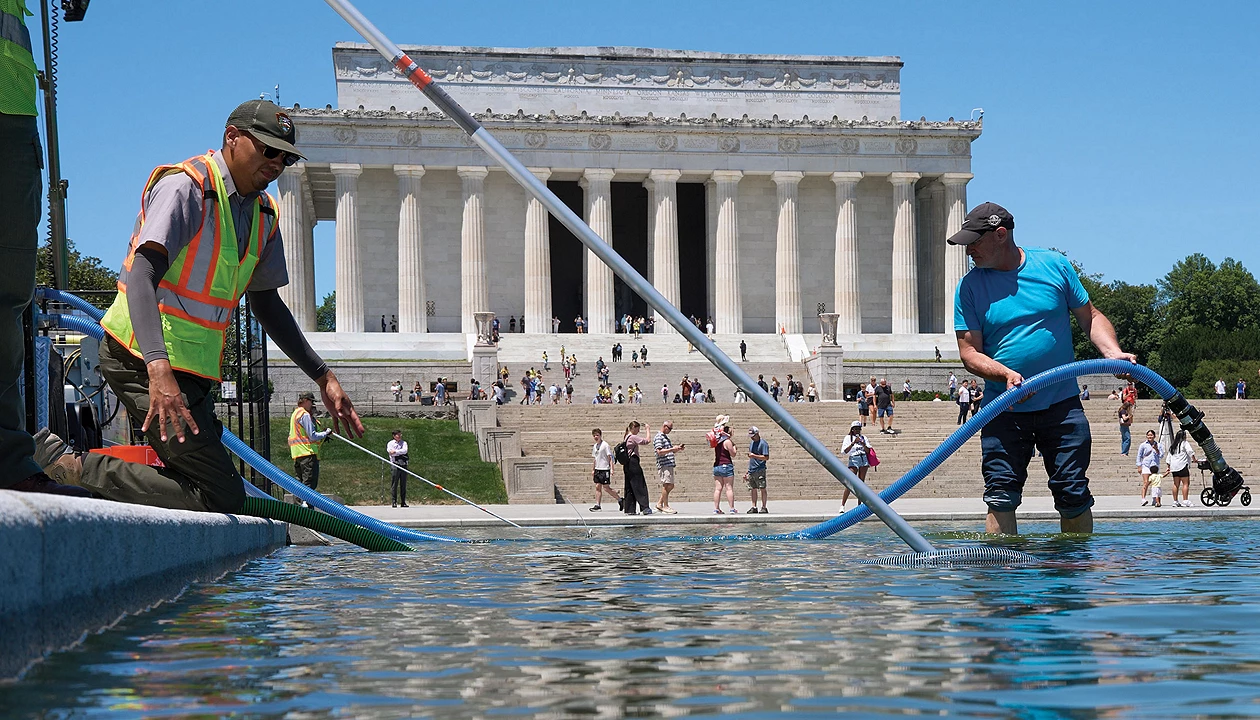
Hearn was arrested June 19 and later indicted on one felony count of destruction of property for allegedly damaging the Lincoln Memorial Reflecting Pool’s lining.
Prosecutors alleged that Hearn was seen grabbing and tugging on a loose section of the pool’s coating, reportedly causing about $1,000 in damage. Officials added that he continued even after National Park Service employees urged him to stop.
The case unfolded against the backdrop of a $14 million renovation project at the Reflecting Pool.
Why DOJ moved to drop the case
The DOJ moved to dismiss the indictment after evidence from the Department of the Interior indicated the damage was caused by a renovation failure, not criminal destruction. Court filings described a “rushed and botched” installation by contractor Atlantic Industrial Coatings ahead of the America 250 celebrations.
Documents said Hearn touched peeling perimeter “overspray” material that was already peeling and had minimal economic value.
Hearn then asked the court to dismiss the case with prejudice, permanently barring the government from refiling the charges.
The judge’s ruling
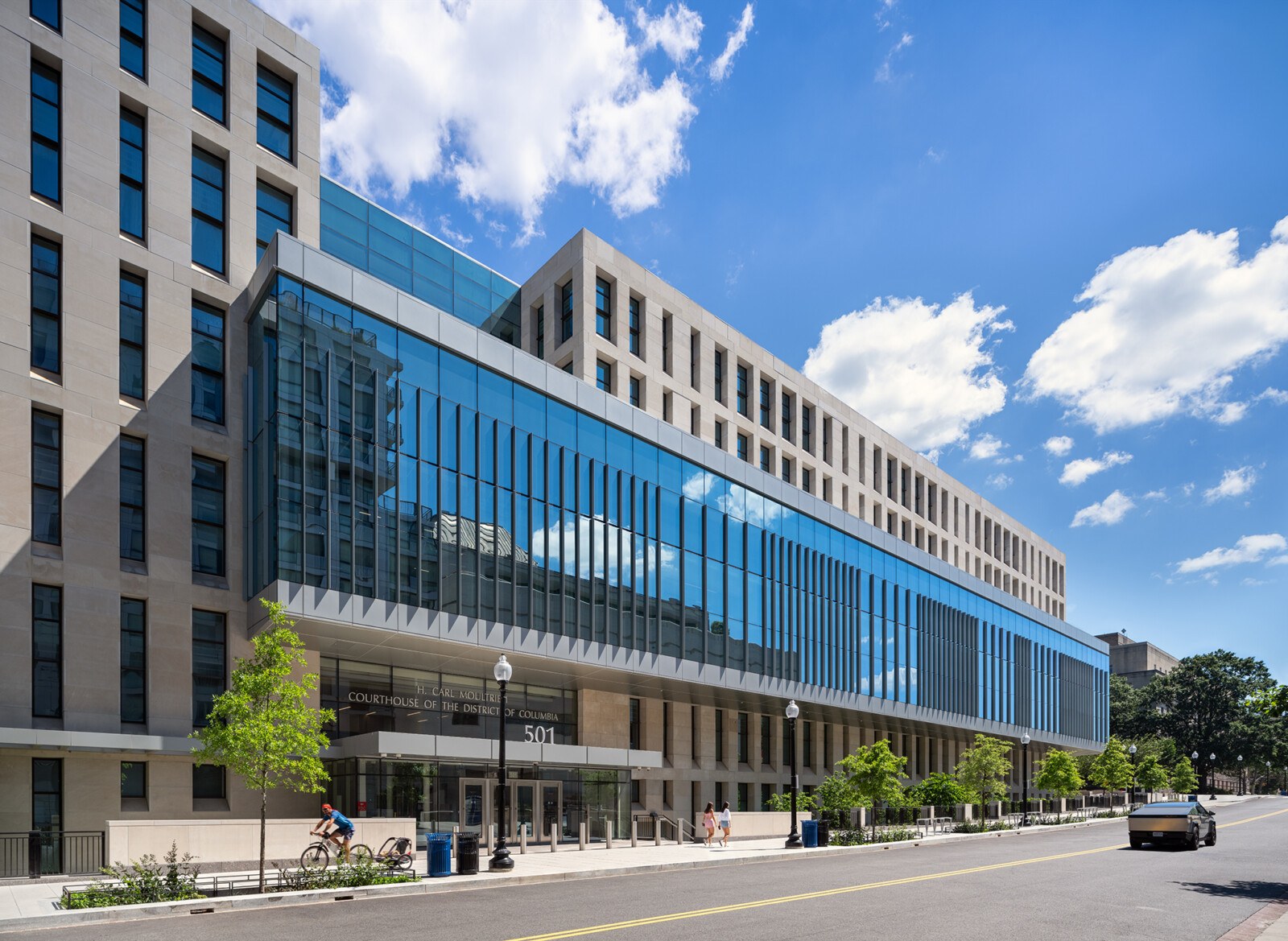
Edelman’s ruling permanently dismissed the case and rejected prosecutors’ request to preserve the possibility of recharging Hearn if new evidence surfaced. The judge found that existing investigative findings were sufficient to show the damage stemmed from a flawed renovation job.
Edelman said: “In the exceptional circumstances posed by this case, the government has no right to retain the ability to compound the errors it has already made, or even to threaten to do so, at Mr. Hearn’s expense. This case must be dismissed with prejudice, and the government must thus be barred from reinstituting this charge against Mr. Hearn.”
Trump and Pirro
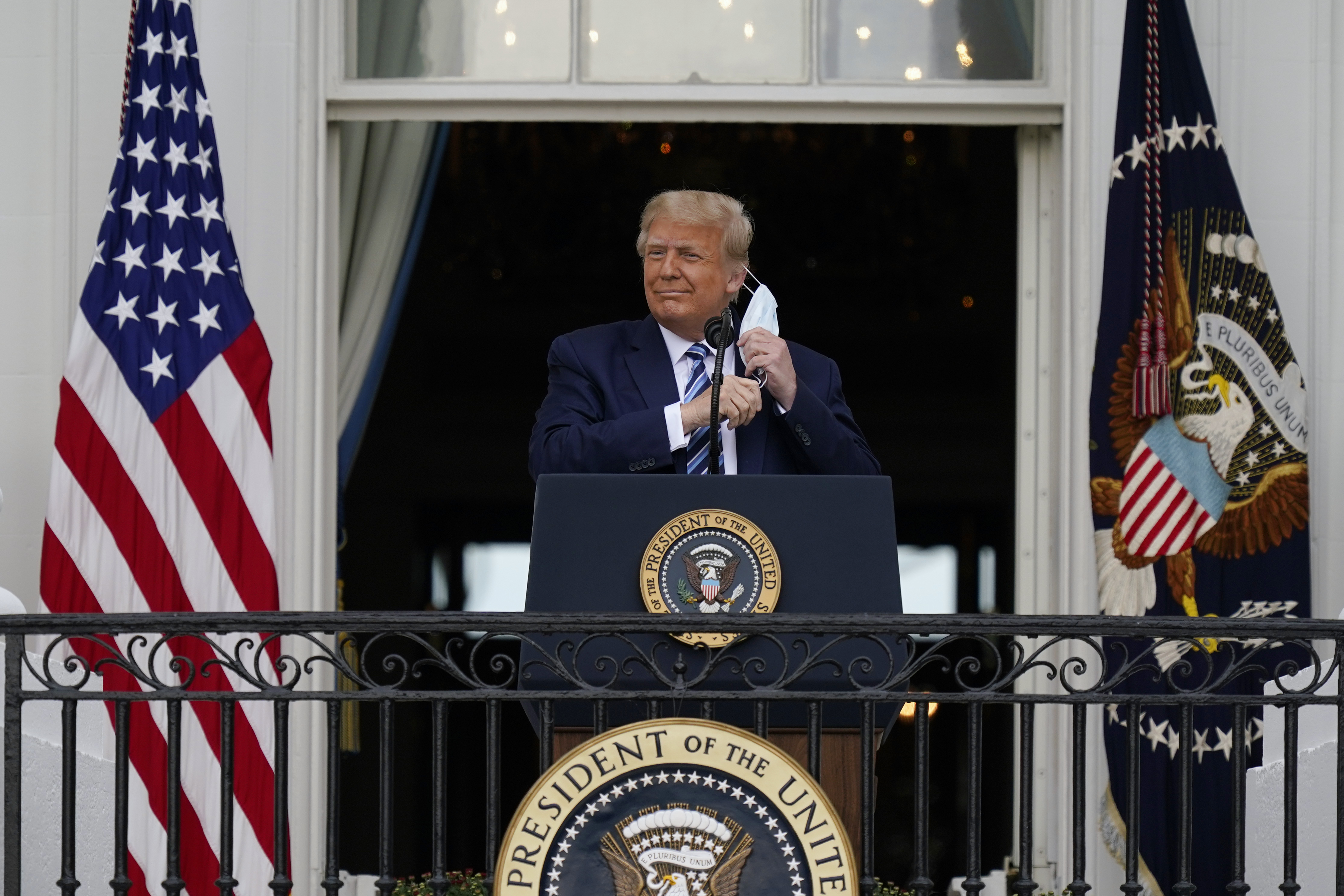
Trump has strictly maintained that the pool was vandalized and criticized Pirro’s decision to drop the case.
“Anybody who thinks the Reflecting Pool wasn’t vandalized should go back to Law School!” Trump wrote in a Truth Social post.
In the same post, Trump added: “People were on their knees with their hands in the water at the exact location of the ‘slashes.’ Additionally, there were witnesses to the VANDALISM, and the flexible areas of the material were cut with a knife.”
The dispute escalated further when the White House asked the DOJ to consider a new prosecution in the case. Edelman’s dismissal with prejudice closes off the option of refiling the same charge against Hearn.
Hearn’s response
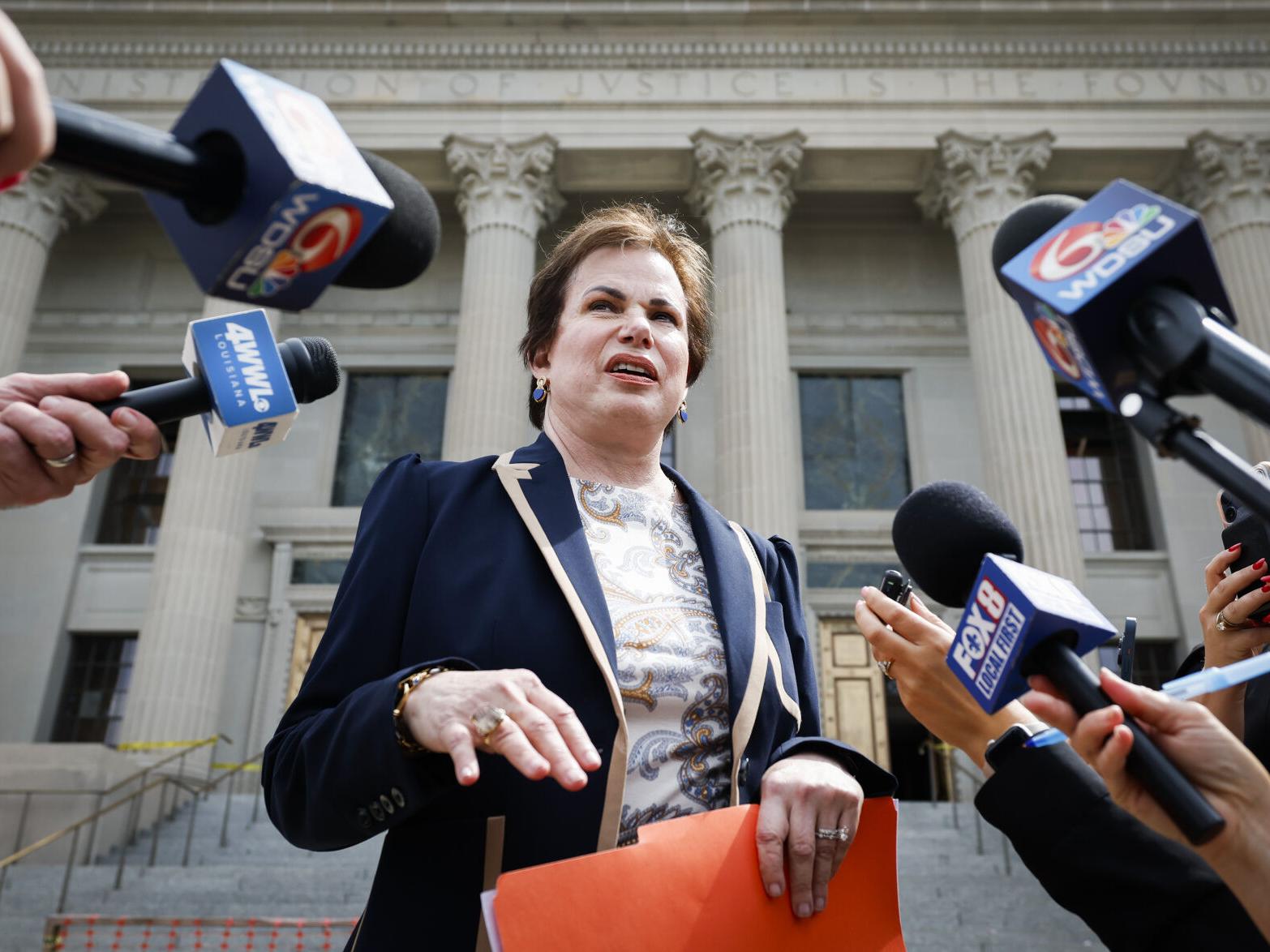
Hearn’s counsel described the decision as a victory for “an innocent American seeking justice.”
“This case never should have been brought in the first place. This was a miscarriage of justice, and what happened to Mr. Hearn is an outrage that should shock every American,” Hearn’s counsel said in a statement.
“This administration chose to pursue an unjust prosecution against Mr. Hearn. It should not get repeated chances to wield the power of criminal prosecution against someone who should never have been prosecuted.”
What “with prejudice” means
A dismissal ends a case. A dismissal with prejudice goes further by barring prosecutors from bringing the same charge again against the same defendant based on the same alleged conduct.
Here, that matters because Edelman declined the government’s request to keep the option of recharging Hearn open. The judge concluded the record already supported the view that the supposed damage traced back to a flawed renovation job, and that the government was not entitled to preserve the threat of restarting the case later.