
You can tell a story has gone viral when a single date starts doing all the work.
In this case, the date is March 2027. That month has been described publicly as the newly scheduled window for the next parole suitability hearing for Lyle and Erik Menendez. If you are looking for something publishable and checkable, the only confirmation that really counts is the California Board of Parole Hearings official scheduling paperwork for the case, such as its formal notice or scheduling order. Hearing dates can move, sometimes more than once, so treat any date you see online as provisional until it is reflected in that official notice.
The key point is simple, and it is the one people skip when they are scrolling: a parole hearing is not parole. It is the beginning of a multi-step review where the state decides whether someone serving an indeterminate life sentence can safely be released.

Join the Discussion
What changed
What changed is timing, at least as it has been described publicly. The brothers’ next parole suitability hearing is being talked about as set for March 2027, earlier than the date that had been listed before. That does not rewrite the jury’s verdict or convert their sentence into time served.
Lyle and Erik Menendez were convicted in 1996 for the 1989 murders of their parents, Jose Menendez and Kitty Menendez, and have served decades in prison. An earlier suitability hearing means their case will be evaluated sooner under California’s parole framework for people serving life terms.
That earlier timing can matter emotionally and practically. It can also create the illusion that the state has made a decision. It has not. At most, a date like this means the system is planning to hold the next review sooner than expected, subject to rescheduling and formal notice.
The sentence basics
Readers get understandably hung up on one question: why is there a parole hearing at all?
In California, parole suitability hearings exist for people serving life with the possibility of parole and other indeterminate life terms. People sentenced to life without the possibility of parole are not eligible for ordinary parole hearings unless the sentence is later changed, such as through resentencing or clemency.
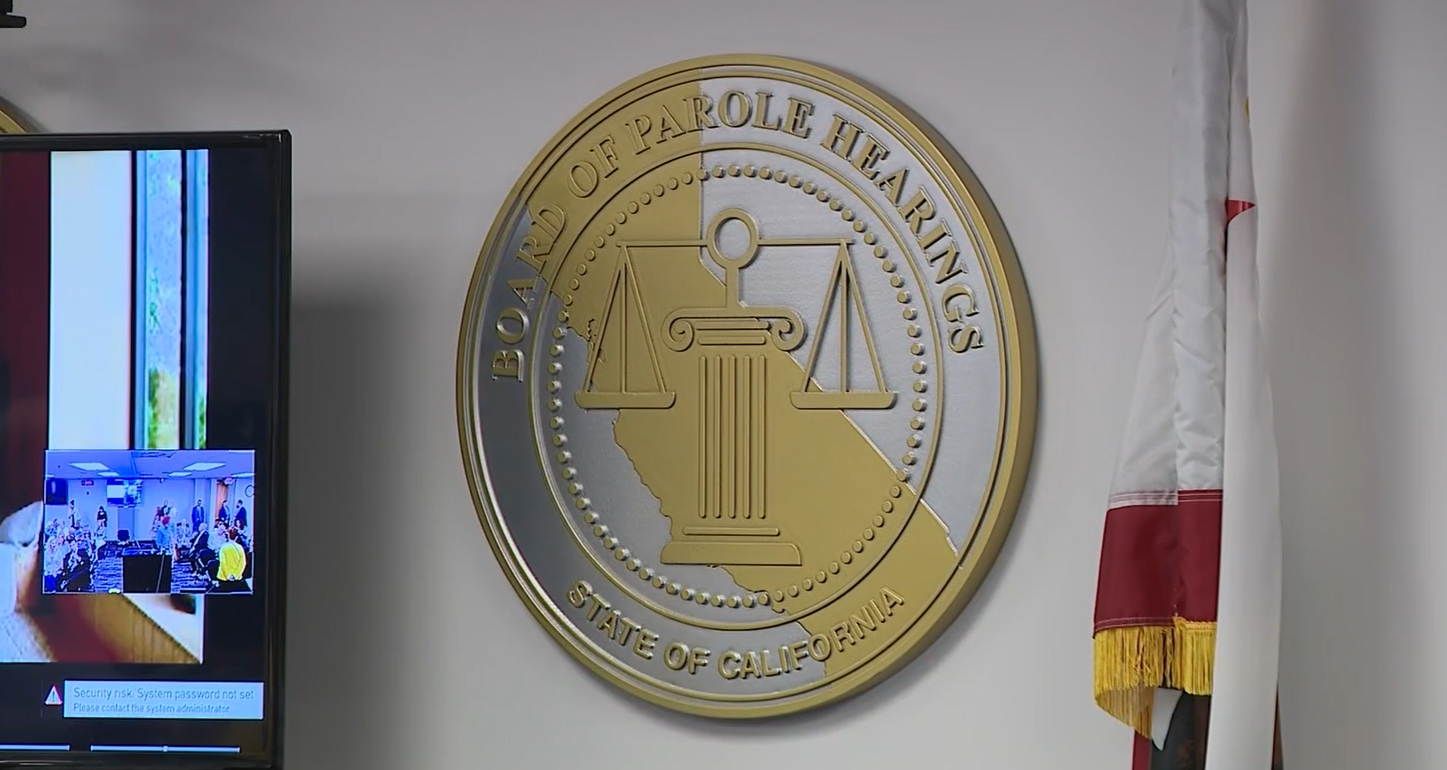
What the hearing is
California’s Board of Parole Hearings does not start from the question, “Did the person commit the crime?” That was the trial’s job. A suitability hearing focuses on the forward-looking question: Is this person currently safe to release?
In practice, the Board is evaluating risk and rehabilitation, often using the familiar California framing of whether the person would pose an unreasonable risk to public safety if released. The record typically includes:
- Institutional record: disciplinary history and compliance in prison.
- Programming and rehabilitation: education, therapy, work history, and treatment participation.
- Insight and accountability: whether the person can explain the harm caused and their role in it.
- Release plan: housing, employment prospects, community support, and supervision feasibility.
- Input: statements from victims’ next of kin, the district attorney’s office, and sometimes law enforcement representatives.
Suitability hearings are also procedural, not just philosophical. The incarcerated person is commonly represented by counsel, and participation can include prepared statements, questioning by commissioners, documentary exhibits, and victim-impact participation under California’s rules.
The word “suitability” is doing a lot here. It signals that parole is not treated as an entitlement, even after long incarceration. It is treated as a conditional decision the state must be persuaded to make.
What it does not do
An earlier hearing date does not do any of the following:
- It does not order release. The Board can find someone unsuitable and set another hearing later.
- It does not guarantee parole. Even a strong showing can end in denial based on the Board’s risk assessment.
- It does not bypass opposition. Prosecutors and victims’ relatives who oppose release can still participate and argue against it.
- It does not settle resentencing. Parole review and resentencing are different legal tracks with different decision-makers.
It also does not mean “one shot.” If the Board denies parole, it will set a new hearing date in the future. In California, that next date is often deferred by a set period, commonly 3, 5, 7, 10, or 15 years, depending on the statute and regulations that apply to the person and the case. The Board can also, in some circumstances, advance a hearing date later based on a petition or other authorized process.
This is the boring truth that tends to win in courtrooms and lose on timelines: the system moves in steps. A new hearing date is a scheduling decision, not a new outcome.
Why it is back
Two currents have been running into each other.
First, the Menendez case has been pulled back into public attention by pop culture, including a Netflix season in the Monsters umbrella that focuses on Lyle and Erik Menendez. That kind of renewed visibility does not change legal standards, but it does change the volume of public debate around those standards.
Second, Los Angeles has seen sharp, public conflict over resentencing policy and how aggressively prosecutors should revisit old cases. Changes in the Los Angeles County district attorney’s office can matter because prosecutors are often influential voices in parole and resentencing proceedings, even when they are not the final decision-makers. Because those office transitions are time-sensitive and easy to garble, the clean way to state it is this: whoever currently holds the DA position will shape the office’s posture, filings, and public messaging in any related proceeding.

Parole vs. resentencing
One reason the March 2027 date is confusing is that it arrives in a case where multiple legal conversations are happening at once.
Parole suitability
This is the Board of Parole Hearings evaluating whether release is appropriate under California’s parole process for people serving life terms. The conviction remains. If parole is granted, the person is released from prison under parole supervision as part of the life sentence, and that status can be revoked if conditions are violated. The question at the hearing is whether continued confinement is necessary for public safety.
Resentencing
Resentencing is different. It is a court-centered process that can revisit the sentence itself. One example is a prosecutor-initiated recall and resentencing request under California law, where a judge decides whether to resentence. Other pathways can be defendant-initiated depending on the statute and the case posture.
The public tends to treat parole as a moral referendum and resentencing as a legal technicality. In reality, both are legal processes with moral stakes, and both can be shaped by institutional discretion.
What it takes to leave
Even if March 2027 results in a favorable decision from the parole panel, that would still be the start of a longer sequence rather than the end of the story.
At a high level, the path to release typically requires:
- A finding of suitability after a full hearing record.
- Post-hearing review under California’s administrative process. Depending on the case, a parole grant can receive additional review within the parole system and, in some categories, may be subject to gubernatorial review under the rules that apply to the conviction and offense.
- Conditions of release, supervision terms, and a viable reentry plan.
- Surviving opposition that may include prosecutor arguments and victim-family statements.
Supporters can be right that an earlier hearing matters, because time matters. Opponents can also be right that it proves nothing, because a hearing is a forum, not a verdict.
Why process matters
The U.S. Constitution is not a parole manual. But constitutional instincts still show up in stories like this, especially around due process.
Due process is easy to reduce to a slogan, but in practice it is procedural and unglamorous: notice, hearings, records, standards of decision, and the ability to be heard. In parole practice that can mean formal notice of the hearing date, a structured opportunity to present a release plan and supporting evidence, often through counsel, and defined rules for victim and prosecutor participation.
If you want the durable takeaway, it is this: in the American system, timelines are not trivia. For people serving life sentences, a calendar can be the difference between “not eligible” and “eligible to ask.” But eligibility to ask is still not a right to receive.
FAQ
Does moving the hearing to March 2027 mean the Menendez brothers are getting out?
No. It means their next review has been described publicly as scheduled sooner than it previously appeared. The Board can still deny parole, and hearing dates can still shift. For confirmation, look to the Board’s official notice for the case.
Who sets the parole suitability hearing date?
In California, the Board of Parole Hearings conducts parole suitability hearings and handles scheduling within the parole system through formal notices and administrative scheduling decisions.
Why would California move up a parole suitability hearing?
Scheduling can change for case-management reasons, staffing, litigation-related timing, or administrative adjustments, not because the Board is leaning toward a grant. The public-facing effect is mainly this: the system is planning to hold the suitability hearing earlier than previously listed, subject to formal notice and rescheduling.
Can victims’ relatives and prosecutors still oppose parole?
Yes. A parole suitability hearing commonly includes input from victims’ next of kin and the district attorney’s office, among others.
If they are granted parole, is release immediate?
Typically no. A panel’s grant can be followed by additional administrative review and, in some cases, review by the Governor under the applicable rules. Release planning, supervision conditions, and timing requirements also apply.
What the date is
In most true-crime storytelling, the drama is in the past: the night of the crime, the trial, the verdict. Parole is different. It is the state deciding how much the past should control the future.
A March 2027 parole suitability hearing date does not answer the biggest question. It just ensures California will be forced to ask it sooner: after decades of incarceration, are they still too dangerous to release?
The system’s answer will not come from a hashtag. It will come from testimony, records, legal standards, and a decision that can still cut either way.