
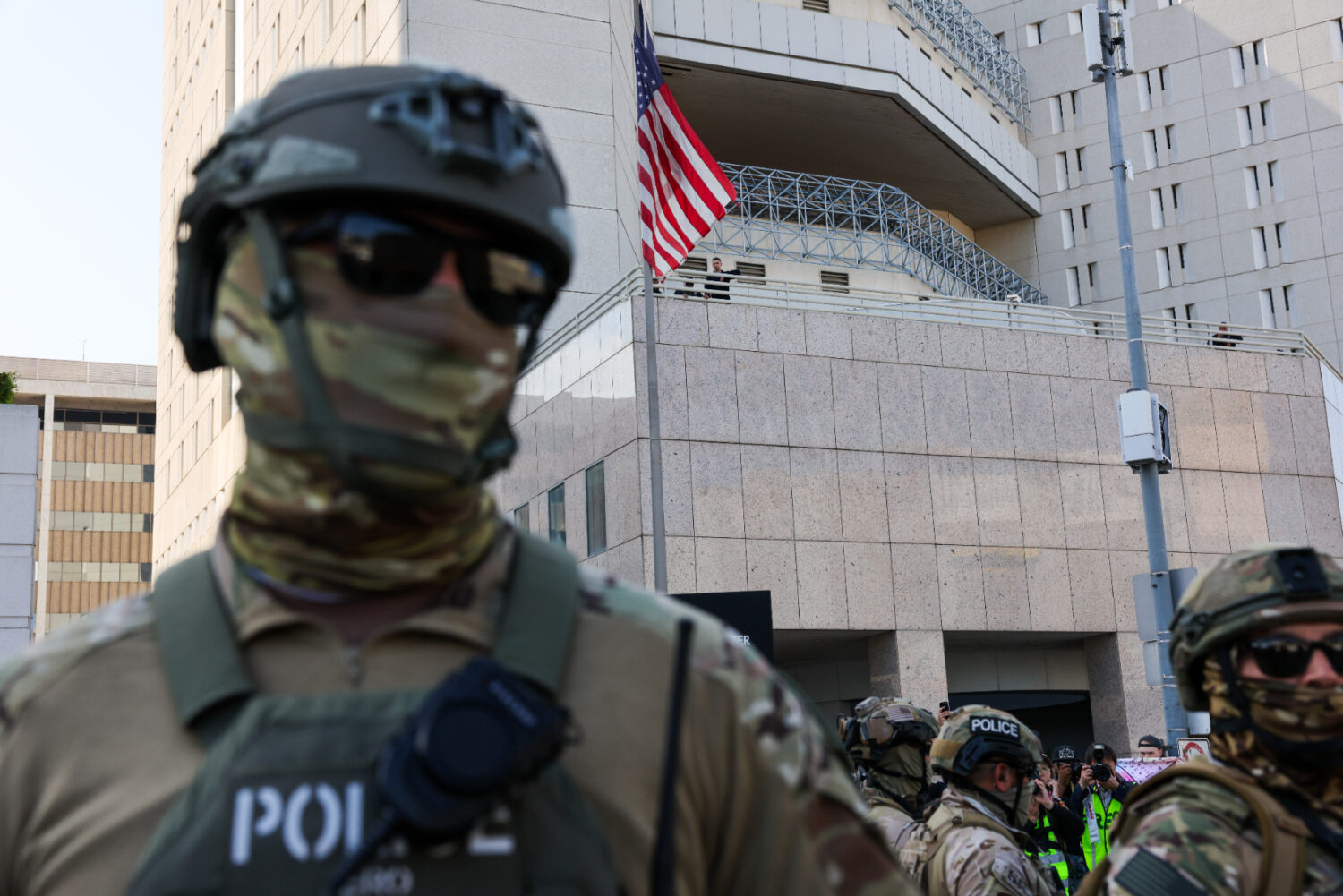
A federal judge in Ohio has issued a temporary restraining order (TRO) aimed at a narrow but fundamental constitutional principle: government officials cannot use intimidation or retaliation to punish someone for protected speech.
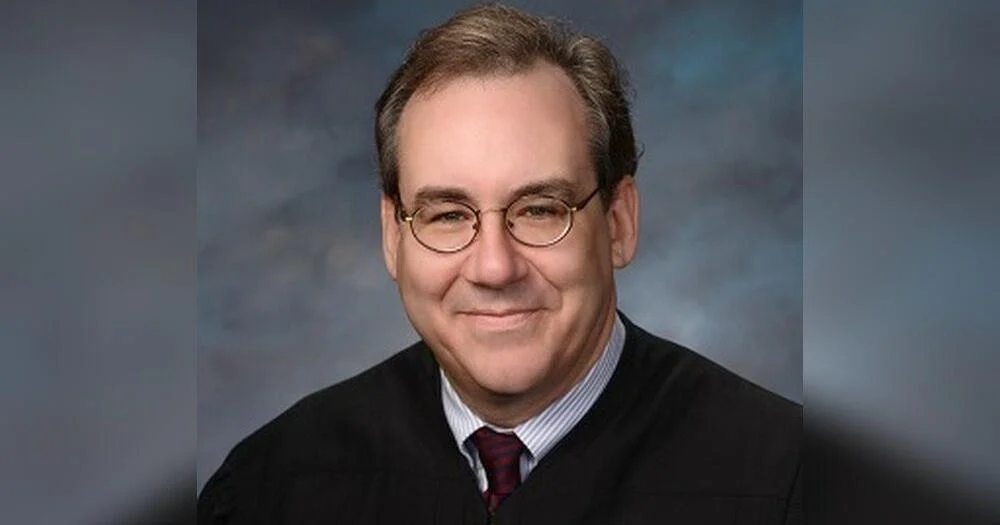
The case involves Sean Moorman, a volunteer “ICE watcher” who documents immigration enforcement activity in public spaces. Judge Michael Newman of the U.S. District Court for the Southern District of Ohio granted Moorman emergency relief that bars seven unidentified Immigration and Customs Enforcement (ICE) officers, sued in their official capacities as John Doe defendants, from engaging in “threatening, intimidating, and retaliatory action” against him without a legitimate law enforcement purpose in response to his First Amendment activity.
This order is temporary. It is not a final ruling on the facts. But it is a clear signal that, at least on the current record, the court sees a serious risk of ongoing constitutional harm if the alleged conduct continues.
Join the Discussion
What the court ordered
Moorman asked the court to stop ICE officers from taking actions that he says were designed to scare him away from observing and recording them. The judge granted a TRO enjoining the defendants and those acting “in concert” with them from engaging in threatening, intimidating, or retaliatory conduct directed at Moorman in response to his First Amendment activity, without a legitimate law enforcement purpose.
The court described the requested restraint as limited in scope, and emphasized two points that often get lost in the public conversation:
- The court is not running ICE. Judge Newman wrote, “the Court is not telling ICE, part of the executive branch, how to do its job.”
- The court is not deciding immigration policy. The judge also stressed the order does not weigh in on whether ICE should be conducting deportation operations in Springfield, Ohio.
What the order does, instead, is draw a bright line between legitimate enforcement work and what the judge viewed, at this stage, as hazing, harassment, or retaliation in response to protected monitoring.
What drove the TRO
At the TRO stage, courts move quickly and often rely on a preliminary record. Here, the judge noted that the government’s lawyer did not contradict Moorman’s factual account during an early conference and requested additional time to respond. The court found the serious nature of the allegations, and the threat of ongoing constitutional violations, made delay inappropriate.
On Moorman’s account, he “lawfully and peacefully” documents ICE interactions with the Springfield community. He says that by August 20, 2026, certain officers had identified him as an observer and began “lashing out.” The order recounts allegations that include:
- an ICE vehicle allegedly accelerating toward Moorman’s car “as though to ram it,” then veering away at the last moment (August 20, 2026),
- an officer allegedly approaching Moorman and a reporter during an arrest and placing a phone close to their faces “as if to scan or take a picture” (August 21, 2026),
- a prolonged incident in a Cracker Barrel parking lot where vehicles allegedly blocked Moorman’s ability to leave, while officers reportedly photographed his license plate and followed him as he moved from spot to spot,
- and an encounter in which Moorman says officers led him toward the rural area where he lives, slowed near his driveway, pointed at his house, and took photos of vehicles at the residence.
The order also describes the impact on Moorman’s wife, who he says feared for her safety at home during the alleged drive toward their residence. The court said Moorman and his wife later installed a security camera and now keep doors locked.
Why this is a First Amendment case
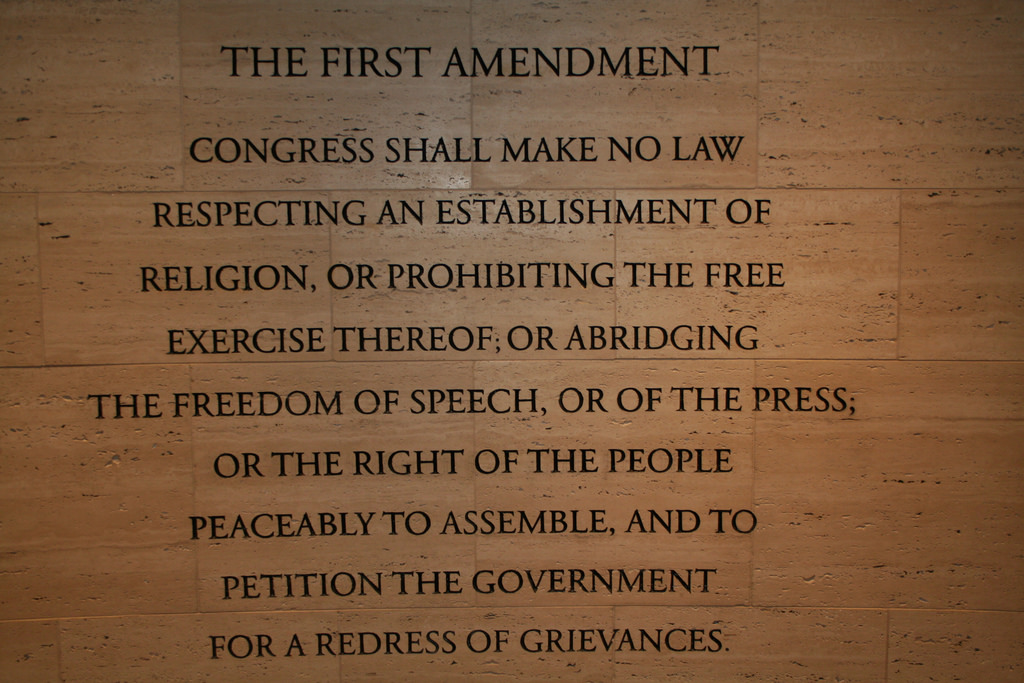
The legal theory here is First Amendment retaliation. In everyday language, that means a person claims:
- they engaged in constitutionally protected expression,
- government officials took actions that would discourage an ordinary person from continuing that expression,
- and the protected activity was a motivating reason for the government’s response.
Judge Newman’s analysis leaned on a well-established modern principle: recording government officials performing their duties in public is generally protected by the First Amendment. The order noted that eight federal circuits have expressly recognized a First Amendment right to film government agents carrying out official duties in public, and that courts within the district have recognized the right as well.
That does not mean recording is unlimited. Courts have upheld reasonable time, place, and manner restrictions, especially where safety or interference is a real concern. But the judge found the current record supported Moorman’s claim that he took steps to stay lawful and non-disruptive: recording from public spaces, following traffic laws, keeping hands visible, and not interfering with enforcement operations. The order also notes Moorman had specific training on monitoring law enforcement safely, lawfully, and peacefully.
The Fourth Amendment angle
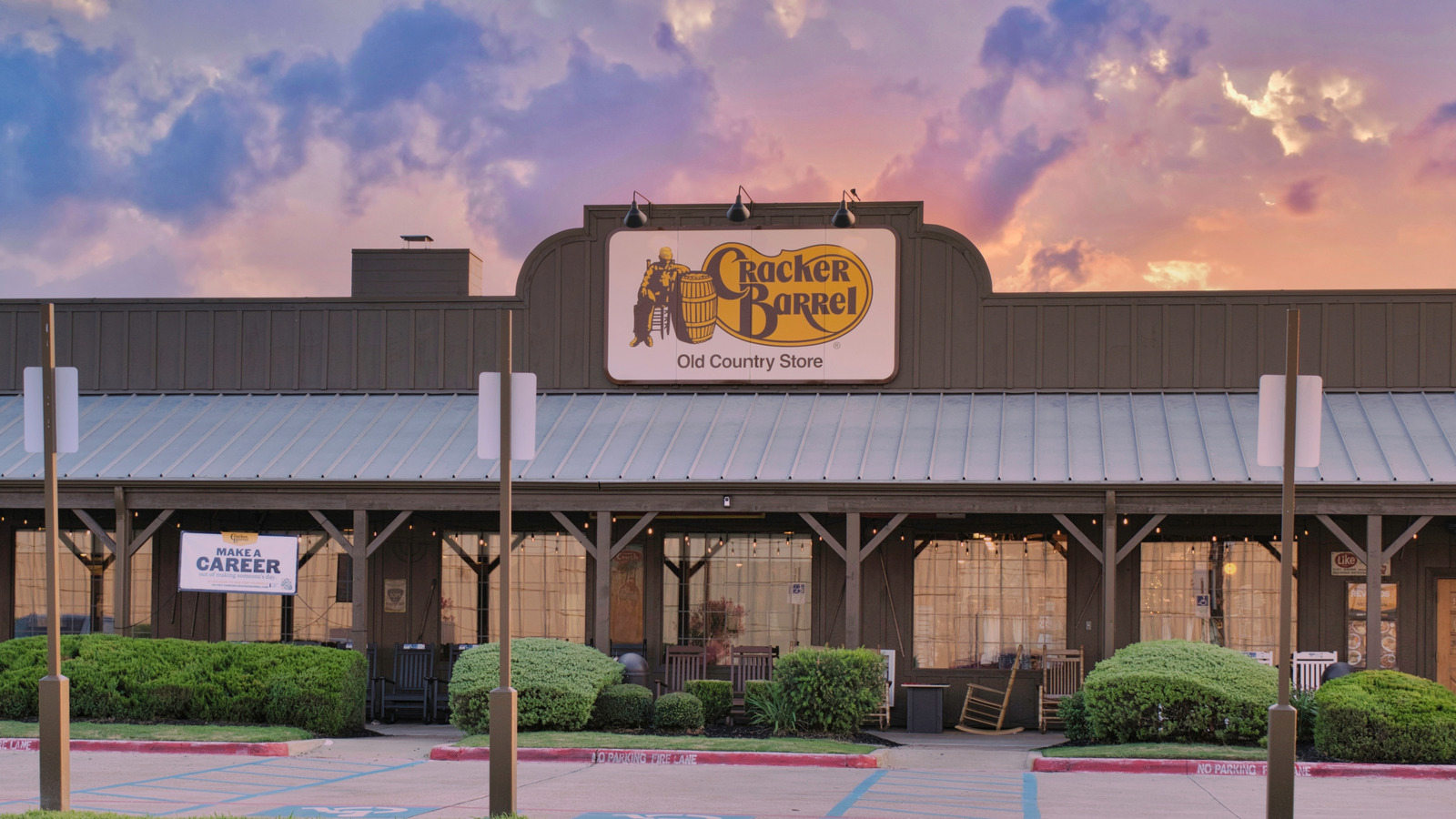
Although the headline issue is speech, the judge also pointed to something more concrete: the possibility that Moorman was effectively seized in the Cracker Barrel parking lot when vehicles allegedly blocked his car from leaving.
The order cited Sixth Circuit precedent recognizing that blocking a person’s vehicle can amount to a warrantless seizure, and further noted that a Fourth Amendment seizure can count as the kind of “adverse action” that supports a First Amendment retaliation claim.
That detail matters because it grounds the case in familiar constitutional terrain. When a government vehicle physically restricts a citizen’s movement, courts often treat that as more than a mere unpleasant interaction. It is potentially a constitutional event.
Why the court moved fast
A TRO is emergency relief. The bar is high, but the timeline is short, especially when a judge believes a constitutional violation may be ongoing.
Judge Newman relied on a frequently quoted Supreme Court principle from Elrod v. Burns (1976): “The loss of First Amendment freedoms, for even minimal periods of time, unquestionably constitutes irreparable injury.” In other words, if government retaliation is chilling speech right now, waiting weeks to sort everything out can itself cause harm that cannot be fully repaired later.
The judge also included a reminder from Justice Neil Gorsuch’s concurrence in Roman Catholic Diocese of Brooklyn v. Cuomo (2020): “Government is not free to disregard the First Amendment in times of crisis.” The point is not that this case is identical to a pandemic dispute. It is that constitutional limits do not disappear when tensions rise.
What happens next
A temporary restraining order is the opening chapter, not the ending. In the next phase, the government will have a fuller opportunity to respond, factual disputes may be developed through evidence, and the court may consider whether a longer-lasting preliminary injunction is warranted.
Defendants may also argue, as retaliation doctrine allows, that the same actions would have occurred even without Moorman’s protected activity, or that specific conduct had a legitimate law enforcement purpose. Judge Newman expressly left room for those arguments at later stages, while concluding that the current record did not support them.
For readers watching this from a civics distance, the big lesson is simple: the Constitution protects not only the right to speak, but also the right to gather information about what public officials do in public, especially when the observer is not interfering. Courts treat retaliatory intimidation as a serious problem because it can silence more than one person. It can chill a whole community.
FAQ
Is it legal to record federal officers in public?
In many jurisdictions, yes. Recording officials performing duties in public is widely recognized as protected by the First Amendment. That protection is not absolute, and it does not include obstructing or interfering with lawful enforcement actions.
Can a court order ICE officers to stop “harassing” someone?
A court cannot micromanage day-to-day enforcement decisions, but it can order officials to stop conduct that likely violates constitutional rights. Here, the TRO focuses on “threatening, intimidating, and retaliatory action” taken in response to protected activity without a legitimate law enforcement purpose.
Does a TRO mean the plaintiff has proven the case?
No. A TRO reflects a judge’s preliminary assessment that the plaintiff is likely to succeed or has raised serious questions, and that immediate harm is likely without fast court intervention. The facts are still subject to further litigation.