
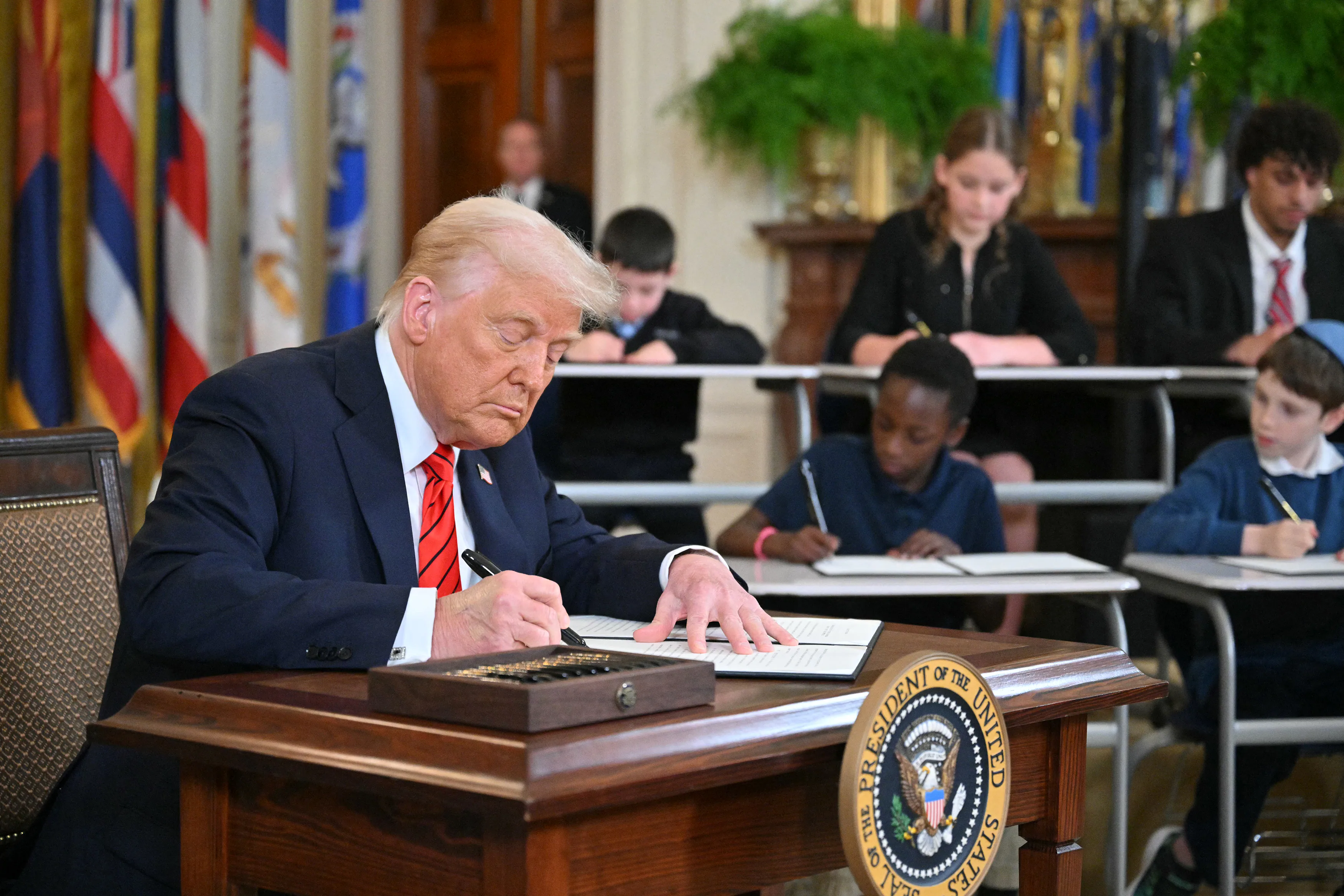
When a president issues an executive order touching mail voting, the instinctive question is simple: can the president change election rules?
The constitutional answer is less dramatic and more important. A president cannot rewrite state election law with a pen stroke. But a president can direct federal agencies to use their existing statutory powers in ways that reshape how mail ballots move through the system. That is where the legal fight usually lives.
To be clear about posture: unless an order is identified by number and date and challenged in a specific case, this is best understood as an explainer about the legal collision point any such order would create, especially if it tries to steer U.S. Postal Service practices toward particular ballot-mail standards (for example, “tamper-resistant” envelopes).
Join the Discussion
The baseline: states run elections
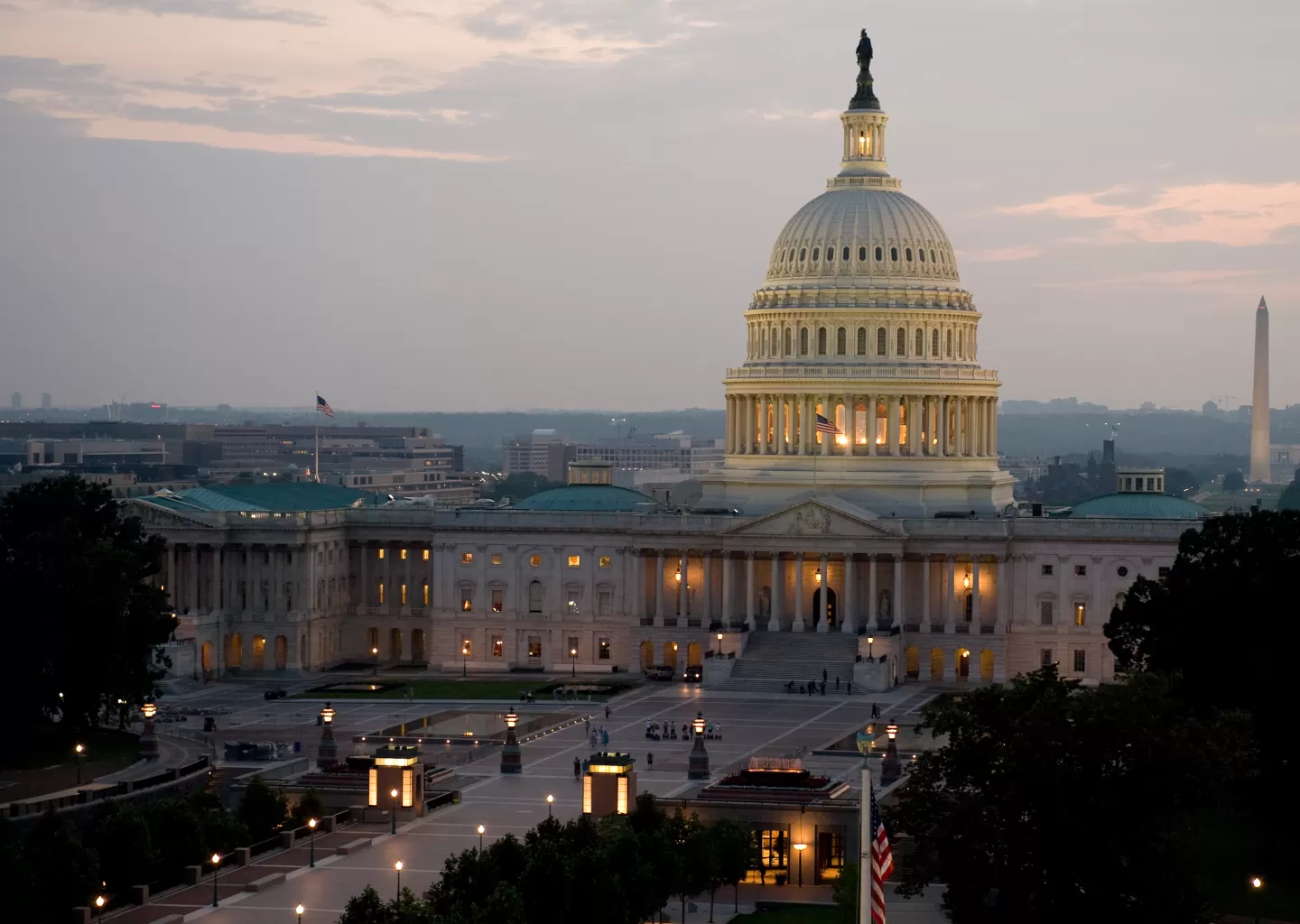
The Constitution gives states the front-line job of running elections, including elections for federal office. But that is only the first half of the structure: Congress can also regulate federal elections, and federal law can preempt conflicting state rules in important ways.
- Article I, Section 4 (the Elections Clause) says the “Times, Places and Manner” of congressional elections are set by state legislatures, though Congress may “make or alter” those regulations.
- Article II gives states the power to decide how presidential electors are appointed, with Congress setting the day for choosing electors and when they vote.
- The Tenth Amendment reinforces that powers not delegated to the federal government are reserved to the states.
So if “mail voting rules” means who is eligible for a mail ballot, how voters request one, signature requirements, curing deadlines, drop boxes, or counting rules, those are typically state choices constrained by federal constitutional protections (like equal protection) and federal statutes (like the Voting Rights Act, the National Voter Registration Act, the Uniformed and Overseas Citizens Absentee Voting Act, the Help America Vote Act, the ADA, and others).
The Constitution does not create a national election administrator in the presidency.
What an order can do
An executive order is not a law. It is a directive about how the executive branch will use authority it already has from the Constitution or, more commonly, from statutes passed by Congress.
That means an executive order about mail voting tends to do one of three things:
- Direct federal agencies (Justice Department, DHS, the Election Assistance Commission, and others) to prioritize enforcement or guidance within existing law. The EAC, for example, is largely a guidance-and-grants agency, not a national election regulator.
- Condition federal funds on certain administrative practices, when statutes allow funding conditions and the conditions satisfy constitutional limits.
- Use federal operational control over federal systems and property that elections rely on, including the mail.
The president’s ceiling is statutory and constitutional, and for agency implementation it is also administrative law. If an order effectively creates new legal obligations without Congress, it is vulnerable under separation-of-powers doctrines and the limits Congress built into each agency’s organic statute.
The USPS question
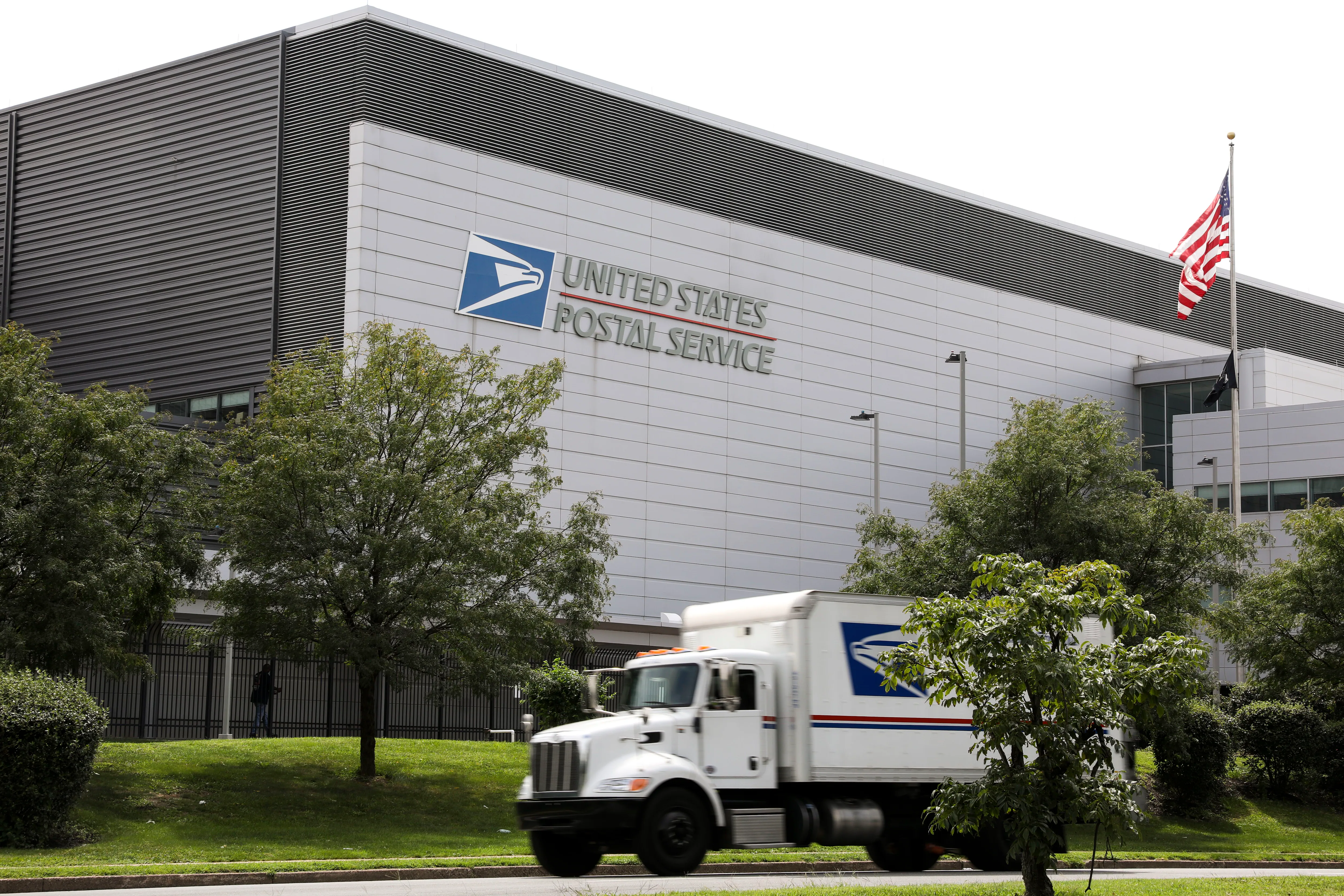
Mail voting is uniquely complicated because it sits on top of a federal delivery system that Congress has structured to be partly insulated from day-to-day presidential control.
The U.S. Postal Service is an “independent establishment” of the executive branch. It is not a cabinet department. It is governed by a Board of Governors, and its day-to-day operations are run by a Postmaster General chosen by the board. Presidents still have leverage in practice, especially through appointments to the Board of Governors and broader political oversight, but the governance structure is designed to keep USPS from functioning like a normal White House-directed agency.
That design matters because it raises the central legal question behind any attempt to use USPS as an election lever: can the president order the Postal Service to impose specific ballot-mail standards, such as requiring a particular kind of envelope?
The answer turns on statute more than constitutional theory. Under Title 39, Congress gave USPS broad authority over postal services, classifications, and mail standards, and it also created the Postal Regulatory Commission (PRC) to oversee defined categories of postal decisions. In practice, some changes flow through PRC review pathways (including rate and service-related disputes), while other changes are handled as internal USPS policy or operational guidance with different avenues, and sometimes narrower avenues, for challenge.
One important distinction is between preferences and requirements. USPS can recommend best practices and provide election mail guidance, such as design and addressing practices that improve machinability and tracking (for example, barcode and addressing standards commonly used in election-mail programs). A harder legal line is crossed if USPS conditions acceptance, handling, classification, or pricing in a way that effectively forces states to redesign ballot packets.
Tamper-resistant envelopes

A “tamper-resistant envelope” requirement sounds like a simple security upgrade. Legally, it is more like a fork in the road.
If a requirement is implemented as a binding standard that affects whether ballot mail is accepted, how it is processed, what class of mail it can use, or whether it triggers different handling, it starts to look like a regulatory change. That brings familiar constraints, with one USPS-specific twist.
- Statutory authority: does USPS actually have power to impose the requirement in the way described, as opposed to recommending it?
- Procedure: USPS is generally exempt from many Administrative Procedure Act provisions, including classic notice-and-comment rulemaking requirements (see 39 U.S.C. § 410). But that does not mean process disappears. USPS still must follow applicable Title 39 procedures, its own published rules where they apply, and in some categories it may face PRC oversight and structured review routes.
- Reasoned decisionmaking: where review is available, courts often expect USPS actions with real-world legal consequences to be justified with evidence and a rational explanation, especially if they disrupt established reliance interests for states and voters.
- Judicial review risk: the route and standard of review can vary depending on the kind of postal action and the statute invoked. But if a change is poorly justified, internally inconsistent, or appears aimed at an end Congress did not authorize, a court can still block it under the applicable framework.
Also, claims like “treat ballots as nonmailable unless they use X envelope” should be understood as a contested and novel move, not a routine option. USPS has real authority over mailability standards, but election mail is also an area where practical reliance, past practice, and statutory design can matter a great deal in court.
Where courts come in
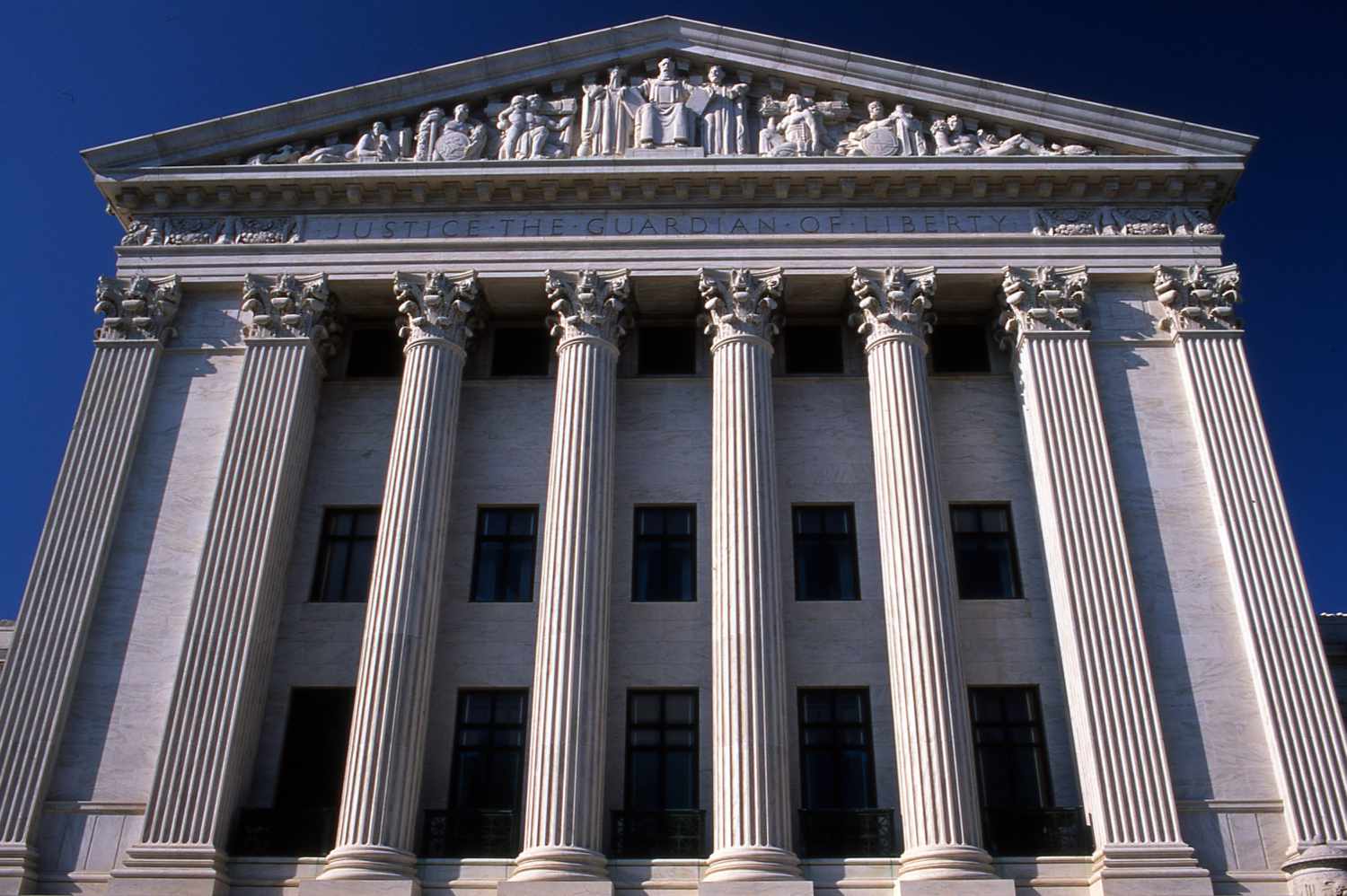
The Supreme Court does not review executive orders in the abstract. It reviews concrete disputes: a state sues, an agency is challenged, a lower court issues an injunction, and the case climbs. Many fights never reach the justices because lower courts can resolve them on Title 39 statutory grounds long before any constitutional question becomes necessary.
If litigation does reach the Court, expect familiar separation-of-powers themes:
- Youngstown-style limits: when the president acts without clear congressional authorization, presidential power is at its weakest. When the president acts with Congress behind him, it is stronger. (This is the basic structure from Youngstown Sheet & Tube Co. v. Sawyer.)
- Major questions sensitivity: courts have become more skeptical when agencies claim power to resolve issues of vast political and economic significance without clear statutory language. Whether a USPS election-mail policy would be treated as “major questions” territory is contested, and it would depend heavily on scope, effect, and the statutory hook.
- Statutory governance structure: if an order tries to force a postal outcome that cuts across USPS’s board-run design and the pathways Congress set up (including PRC oversight where applicable), courts may treat that as a legal defect, not just a management dispute.
The key is that a Court fight here would likely be decided less by the Constitution’s election clauses than by the decisive details of postal statutes, USPS’s governance rules, and the limits Congress set on executive control.
What could change
Even a successful federal push cannot instantly rewrite state ballot rules. States would still decide what their ballots look like and how voters return them. But federal actions can change the practical environment in at least three ways:
- Mail acceptance and processing: if USPS changes standards, classifications, or handling policies, states may need to adjust ballot design and mailing timelines to avoid delivery problems.
- Cost and logistics: new envelope standards can raise printing and fulfillment costs, which hits local election offices first.
- Litigation pressure: if ballots are delayed or rejected due to new mailing practices, states, candidates, and voters may end up in emergency court fights close to Election Day, which courts routinely face and strongly prefer to avoid.
These disputes attract judges because they are not only about authority in the abstract. They have real timing consequences, and election timing turns legal errors into constitutional injuries quickly.
Quick answers
Can the president change mail voting rules?
Not directly. A president cannot unilaterally change state election codes. But a president can direct federal agencies to act within existing law in ways that affect how mail voting operates in practice.
Does USPS have authority over election mail?
USPS controls the mail system and has significant authority over services, classifications, and standards. Whether that authority extends to requirements that effectively force states to adopt certain ballot-envelope designs is the contested legal line.
Who could sue?
Potential plaintiffs include states and local election officials (costs and operational disruption), candidates and parties (election administration impacts), and voters (burdens on casting a ballot). The exact standing theory depends on what USPS is directed to do and how it affects real-world election administration.
Can the Supreme Court block it?
Yes, if a lawsuit produces a lower-court order and the case reaches the justices. Courts can enjoin agency action or parts of an executive order that exceed statutory authority or violate the governing procedural framework.
Are tamper-resistant envelopes required for mail ballots?
Not as a single nationwide constitutional rule. Some jurisdictions use specialized ballot envelopes and security features as a matter of state law and administrative practice. A federal attempt to require them nationwide would stand or fall on statutory authority and lawful procedure.
The takeaway
Mail voting is a reminder that American elections are run through a patchwork of state rules riding on top of federal infrastructure. The president is not a national election administrator. But the president can try to steer the federal machinery that elections rely on.
The hard question is whether that steering is ordinary management of federal operations or an end-run around the state-centered design the Constitution presumes. Courts will decide that by reading the postal statutes, USPS’s governance rules, and the legal difference between “helping the mail run smoothly” and “changing the rules of the election.”