
The newly unsealed FBI interview materials tied to the Rod Blagojevich Senate seat scandal have a familiar effect: they pull everyone back into the most American kind of political question, the one where power is lawful, but trading it can still be criminal.
When people say “unsealed FBI interview summaries,” they are usually talking about FBI interview reports (often called FD-302s) that were attached to court filings or referenced in later litigation and then unsealed by court order.
Join the Discussion
The constitutional rule
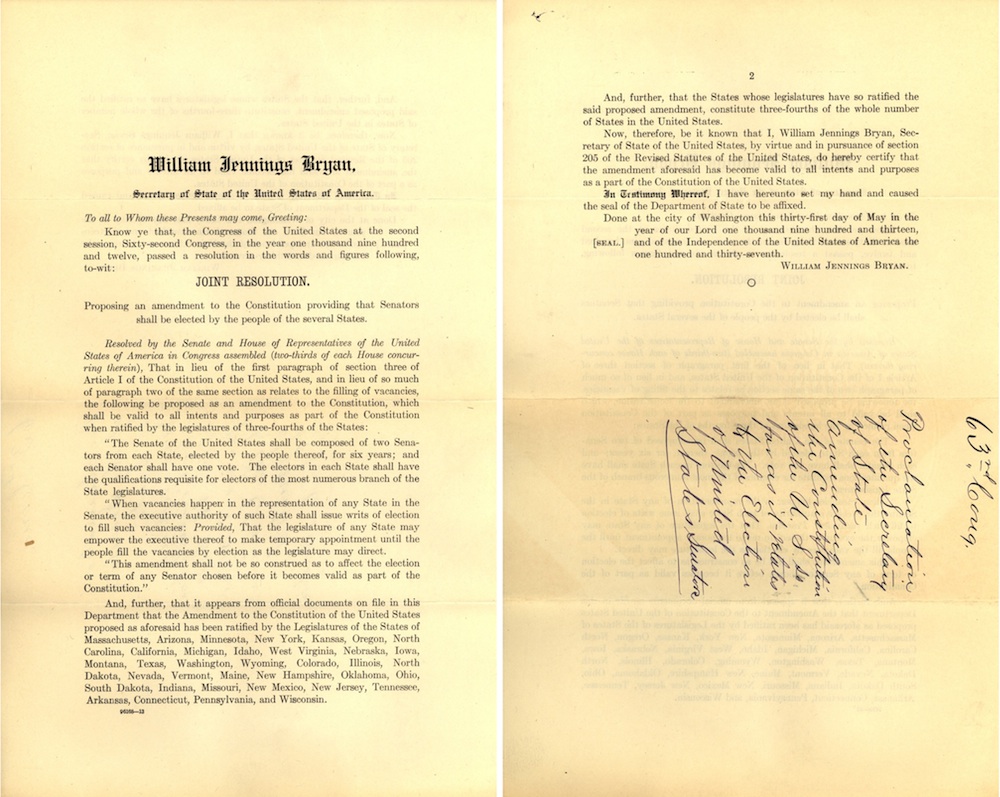
The Constitution originally required senators to be chosen by state legislatures. That changed with the Seventeenth Amendment (ratified in 1913), which moved Senate elections to the voters. But it kept a crucial piece of state control: what happens when a Senate seat becomes vacant midterm.
The Seventeenth Amendment requires the state’s executive authority, typically the governor, to issue writs of election to fill the seat. In practice, state law controls the timing and mechanics for how that election happens. The Amendment also allows the state legislature to authorize the governor to make a temporary appointment until the election occurs, but only “as the legislature may direct.”
That means the governor’s appointment power is not a personal constitutional privilege. It is a state-law power that the Constitution permits states to structure. Some states require special elections with no interim appointee. Others allow appointments with constraints.
Illinois in 2008 permitted the governor to appoint a temporary senator to fill a vacancy until the seat was filled under Illinois’s election schedule. After the scandal, Illinois did not eliminate gubernatorial appointments altogether. Instead, the state tightened its rules around the appointment process and political fundraising, including legislation aimed at reducing “pay-to-play” risks. (The exact contours and timing of Illinois’s post-2008 changes depend on specific Election Code and ethics-law amendments.)
Why this invites scandal
A Senate seat is not a job posting. It is a constitutional office. But when state law places a single official in the position to pick a temporary senator, that official controls something with enormous political value: seniority, committee assignments, fundraising access, and the power to vote on federal judges and national legislation.
The theory behind temporary appointments is that they avoid prolonged vacancies while leaving the final decision to voters at the next election. The Blagojevich saga is what it looks like when that theory collides with real incentives.
The alleged conduct
In 2008, Barack Obama was elected president, and attention immediately turned to who would occupy his Illinois Senate seat. The seat formally became vacant when Obama resigned from the Senate, but the appointment controversy played out in the weeks between the election and that resignation.
Federal prosecutors alleged that Governor Rod Blagojevich treated the appointment like a bargaining chip, exploring ways to trade the appointment for personal benefit or political advantage. The core idea was not “politics” in the normal sense. It was quid pro quo, official action in exchange for something of value, such as a paid job, fundraising commitments, or other benefits.
In federal corruption cases, “something of value” is broader than a suitcase of cash. It can include jobs, contracts, payments, fundraising support, or other benefits. The legal fight often turns on what was requested, promised, offered, or exchanged, and how explicitly.

Constitution and criminal law
The Constitution gives states room to design vacancy procedures. It does not contain a built-in good-faith test for how a governor thinks about an appointment. That is why scandals like this one typically get resolved through state ethics rules, elections, impeachment, and, when facts support it, federal criminal statutes.
In the Blagojevich prosecution, the charging theories described in public court records included honest-services fraud under 18 U.S.C. §§ 1341, 1343, and 1346, bribery and related public-corruption provisions often associated with state and local officials under 18 U.S.C. § 666, and extortion under color of official right under the Hobbs Act, 18 U.S.C. § 1951. This list is not exhaustive, and the precise mix depends on the indictment and count-by-count posture at each stage of the case. The reader’s takeaway is the boundary line: you can exercise lawful appointment power, but you cannot sell it, or solicit or accept a prohibited benefit in exchange for official action.
One doctrine point helps explain why prosecutors and courts obsess over “exchange” language. In Skilling v. United States (2010), the Supreme Court narrowed honest-services fraud to schemes involving bribes or kickbacks, not mere undisclosed conflicts of interest. That narrowing reinforced the theme that runs through modern public-corruption cases: the line is not “political horse-trading” in the abstract, but evidence that an official act was conditioned on a private payoff.
Obama and Emanuel
Public attention routinely snaps back to what then President-elect Obama and then Representative Rahm Emanuel told investigators about contacts or discussions connected to the vacancy. That is partly because their names carry permanent political gravity, and partly because FD-302s, once public, can feel like hidden chapters.
Two basics anchor the record. First, the seat was not the president-elect’s to fill. The appointment authority was a matter of Illinois law operating inside the Seventeenth Amendment’s framework. Second, the question investigators care about is not ordinary political interest, but whether anyone participated in, conveyed, or helped execute a quid pro quo involving the appointment.
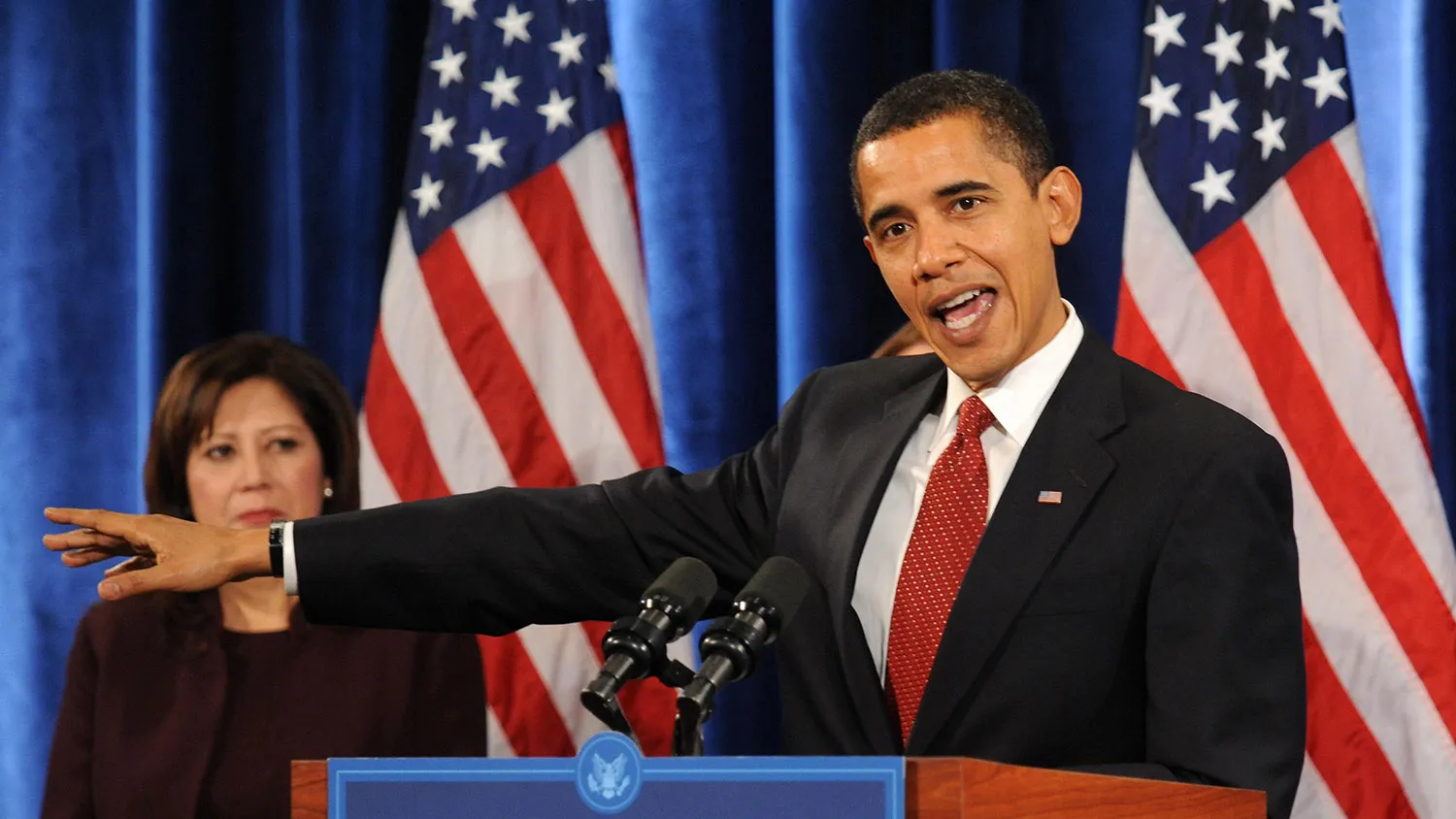
In the FBI’s documented interviews from the transition period, Obama told investigators that he had no direct contact with Blagojevich about trading the Senate seat for a job, money, or any other personal benefit, and that he did not authorize anyone to make such an offer on his behalf. Obama’s FBI interview took place on December 18, 2008 (as reflected in an unsealed FBI FD-302 placed on the federal court docket in later proceedings). Emanuel likewise described transition-related conversations and the political pressure surrounding the vacancy, while denying involvement in any arrangement that tied official action to a personal or prohibited benefit. Those are the kinds of facts that matter in a corruption investigation: who talked to whom, what was relayed, and whether anything crossed the line from advocacy into exchange.
- Political conversations about who should be appointed are normal in a high-stakes vacancy.
- Trading official action for a personal or prohibited benefit can be criminal, even if the official action itself is lawful.
How records surface
Many readers assume anything the FBI writes down should be immediately public. That is not how federal investigations work, and it is not how courts protect the integrity of criminal cases.
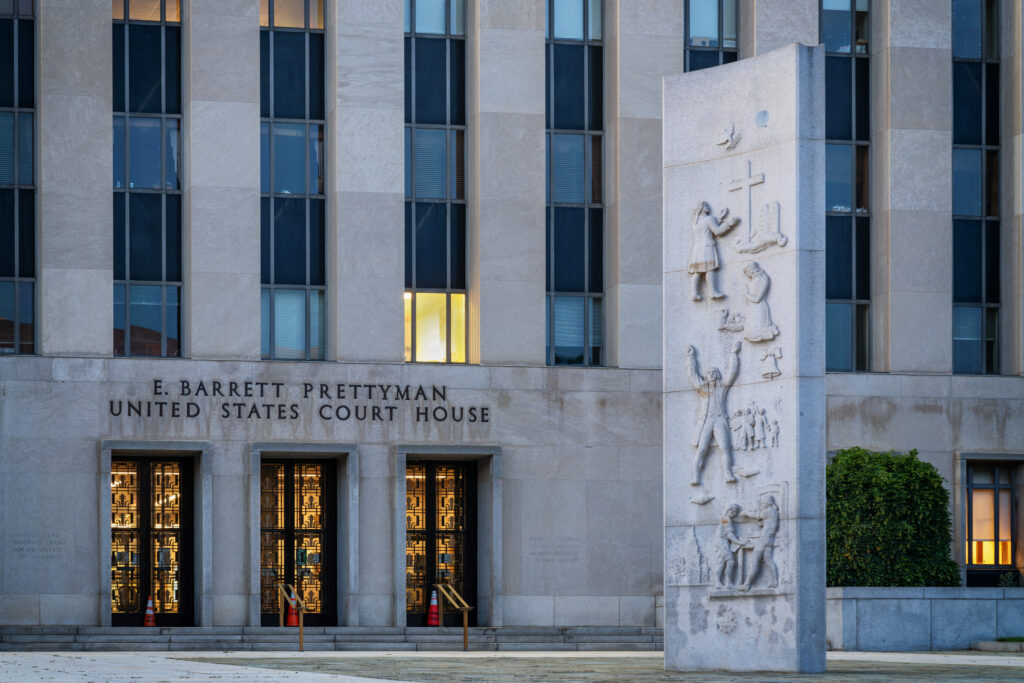
Most FBI interview reports are not public at all because they are investigative files, not court records. They generally become public only if they are filed in court, quoted in litigation, produced in discovery and then attached to a motion, or otherwise placed on the docket. Even then, a judge may keep some or all of that material under seal for a time.
It also matters what an FD-302 is. It is typically an agent-prepared summary of an interview, not a verbatim transcript, and it reflects the agent’s choices about what to include and how to describe it. That does not make it worthless. It does mean readers should be careful about treating a 302 like a word-for-word recording.
When related documents are sealed, it is usually about process:
- Fair trial rights, including limiting pretrial publicity that could taint a jury pool.
- Witness safety and privacy, especially when people cooperate or provide sensitive information.
- Law enforcement methods, including what agents asked and what they were trying to verify.
- Ongoing proceedings, including appeals or related matters that can keep records from being opened.
What happened in court
This case was not just a headline. It moved through indictments, a dramatic removal from office, and years of litigation about what counts as corruption when politics and power collide.
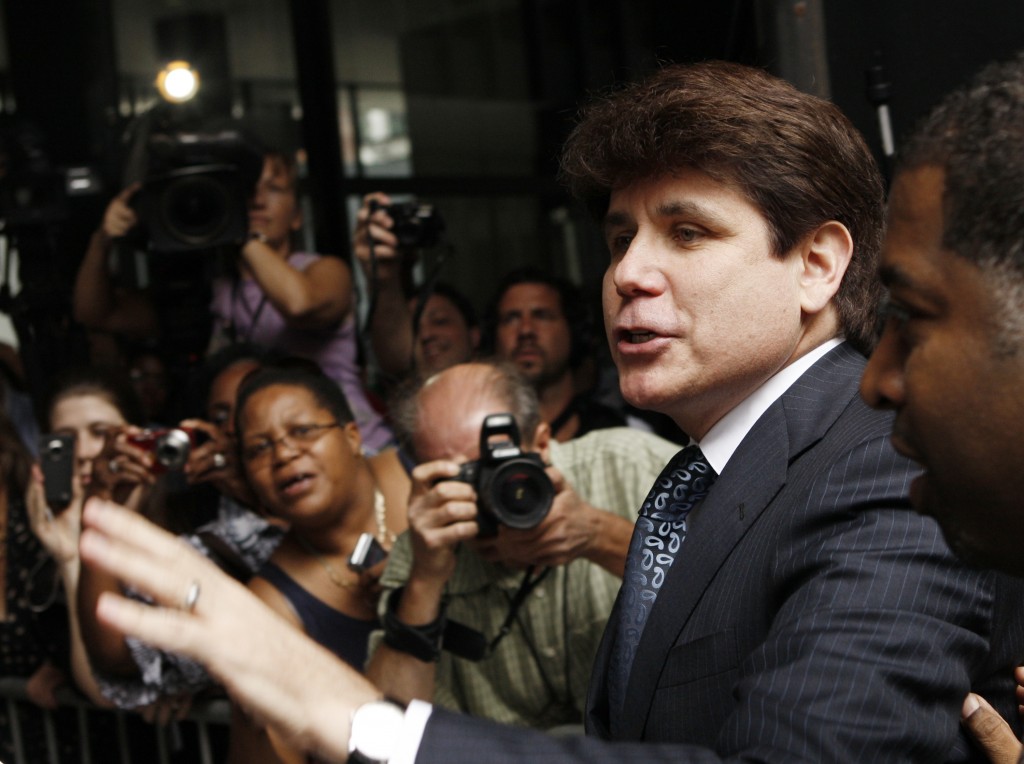
Blagojevich was arrested in December 2008 and later impeached and removed from office by the Illinois legislature. In federal court in the Northern District of Illinois, the case proceeded as U.S. v. Blagojevich, No. 08-CR-1010, before Judge James B. Zagel. (As with any docket citation, readers should treat the case caption and number as the anchor and verify the precise styling used in a given filing.)
The vacancy drama also had a concrete endpoint: Illinois ultimately appointed Roland Burris to the seat, and he was seated by the Senate.
The courtroom outcome, in plain terms:
- After an initial 2010 trial, the jury returned a mixed result, convicting Blagojevich on a single count while failing to reach a verdict on most of the other counts. (Public summaries often describe this as one conviction with a hung jury on the bulk of the case. The exact count breakdown is best stated with the verdict form in hand.)
- In 2011, prosecutors retried him on a subset of the counts that had not been resolved in 2010. The jury convicted him on multiple federal corruption counts, including counts tied to seeking to trade official action for things of value.
- He was sentenced to 14 years in federal prison.
- In February 2020, President Donald Trump commuted his sentence, and Blagojevich was released.
The civics takeaway
The American system gives executives discretion because it needs someone to act when the law cannot write down every scenario. That is true for presidents, governors, and local officials. The Senate vacancy power is a clear example: the Seventeenth Amendment permits temporary appointments so a state is not left underrepresented in the Senate for long stretches.
But discretion is also where corruption hides best, because discretion is where you can disguise a trade as “politics as usual.” The legal system tries to separate the two by focusing on evidence of exchange: who asked for what, what was offered, and whether official action was conditioned on that benefit.
The structural tension
The Seventeenth Amendment’s vacancy clause solves one problem and creates another:
- It prevents prolonged vacancies that weaken a state’s representation in the Senate.
- It concentrates appointment power in a way that can be exploited.
States can respond by changing their own laws. Some add special elections, bipartisan commissions, or constraints on who can be appointed. None of those fixes are constitutionally required. They are policy choices made inside the constitutional allowance.
FAQ
Is it constitutional for a governor to appoint a senator?
Yes, if state law authorizes it. The Seventeenth Amendment explicitly permits states to let their executive make temporary appointments until an election fills the vacancy, as the legislature directs.
Can a governor consider politics when appointing?
Yes. Politics is not the crime. The crime, when it exists, is soliciting, accepting, or offering something of value as part of an exchange for official action.
Does the president have any role in filling a Senate vacancy?
No. Senate vacancies are filled under state procedures authorized by the Seventeenth Amendment, not by federal executive appointment.
Do unsealed FBI interview reports prove wrongdoing?
Not by themselves. Interview reports are typically agent-written summaries of what witnesses said and what agents asked. They are pieces of a larger record that may include documents, recordings, testimony, and court rulings.
The lasting point
The Blagojevich scandal endures because it sits at a pressure point in our constitutional design: a temporary Senate appointment is a lawful exercise of state executive authority, but the value of that appointment is so enormous that the temptation to monetize it is always present.
Unsealed materials do not change the constitutional rule. They change what we can see about how people navigated it. And that is the deeper civic lesson. In American government, the most consequential stories are often the ones where the question is not whether someone had power, but whether they treated public power as private property.