
Presidents have always loved naming things. Wars become “operations.” Agencies get new acronyms. Policies are baptized in patriotic phrasing and released into the bloodstream of government paperwork.
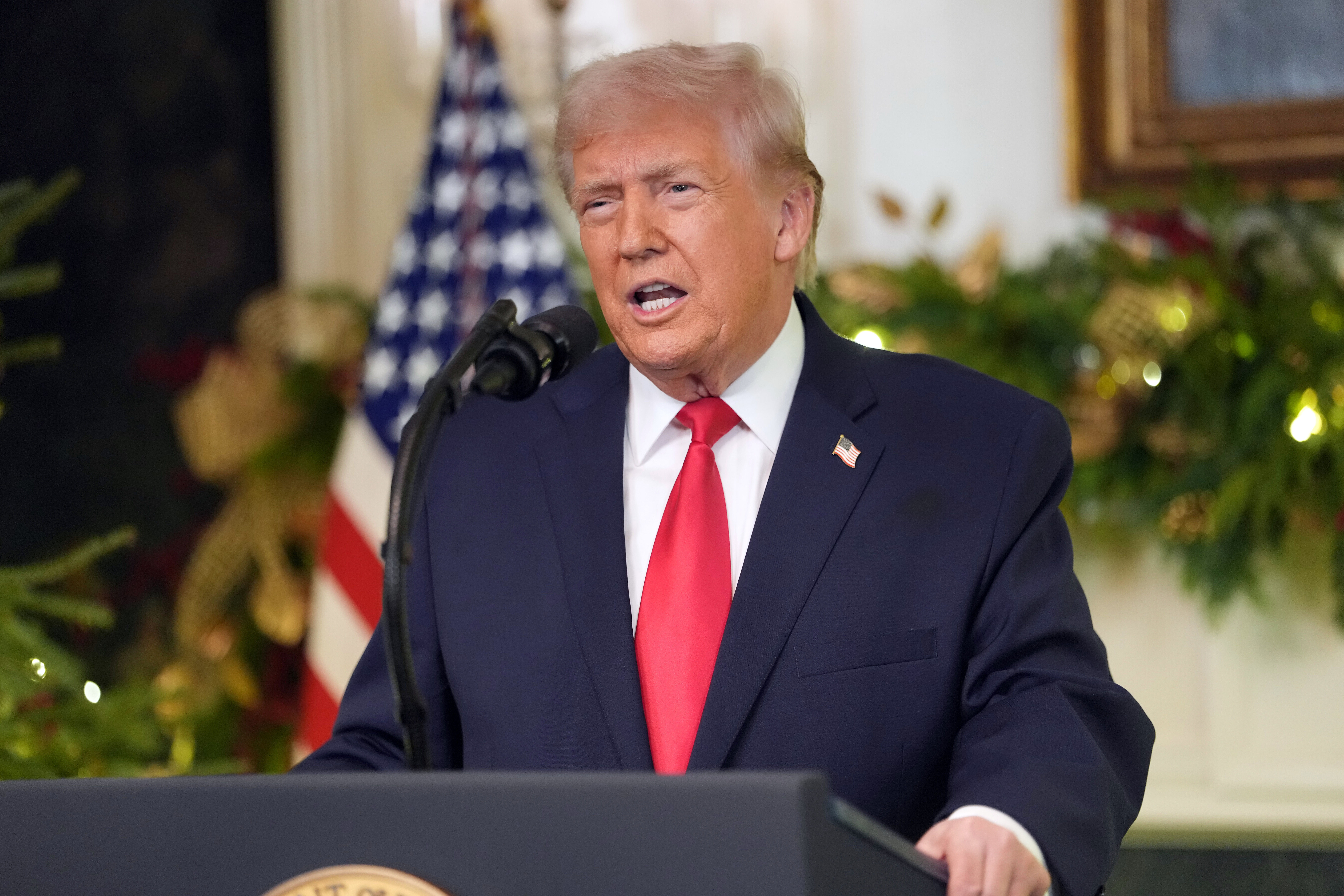
But President Donald Trump just pushed the naming instinct into a more combustible place: everyday language. On Thursday, Trump said the White House will consider anyone who keeps using the phrase “Artificial Intelligence” instead of his preferred label, “Super Intelligence,” as “THE ENEMY.”
Join the Discussion
What Trump said
Trump posted the warning on Truth Social. It was not subtle. It was written in the kind of all-caps absolutism that takes a terminology fight and raises the temperature.
“The White House considers anyone that uses the term, ‘Artificial Intelligence,’ as opposed to the highly accepted new and more accurate term, ‘Super Intelligence,’ THE ENEMY!” Trump wrote.
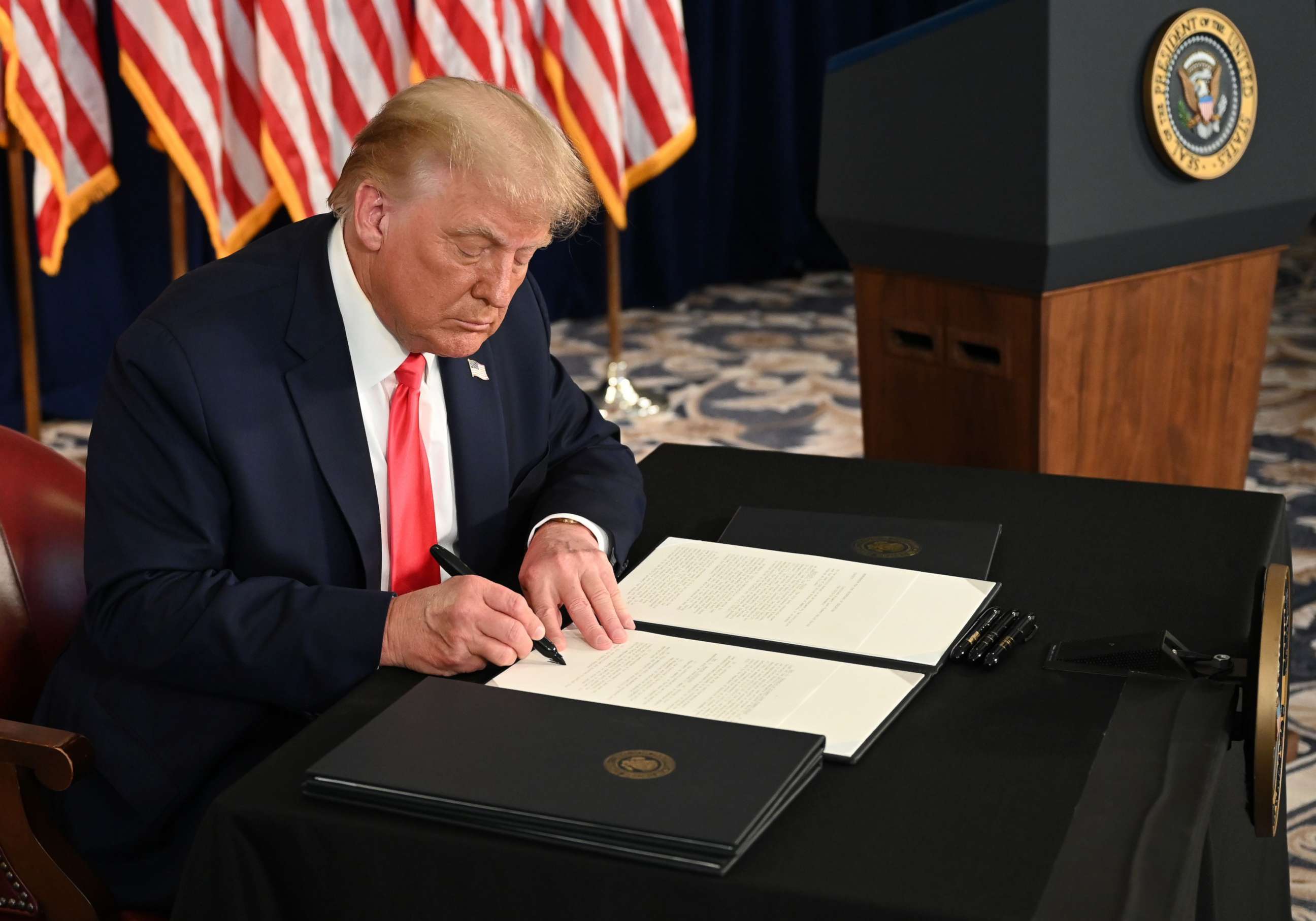
The threat came one week after Trump signed an executive order renaming AI to “super intelligence,” part of a rebranding effort meant to cast a more positive light on a rapidly developing technology.
What the order does
The executive order renames AI to “super intelligence.” Beyond that, the larger effect is the one Trump is pursuing in public: nudging the conversation toward his preferred framing, not just inside the executive branch but in how people talk about the technology more broadly.
Why this is happening now
The “super intelligence” push lands in the middle of an AI debate already thick with scrutiny. Lawmakers and experts have been pressing for stronger guardrails to address safety and security concerns, particularly after instances of rogue agents accessing government websites have cropped up in different parts of the world.
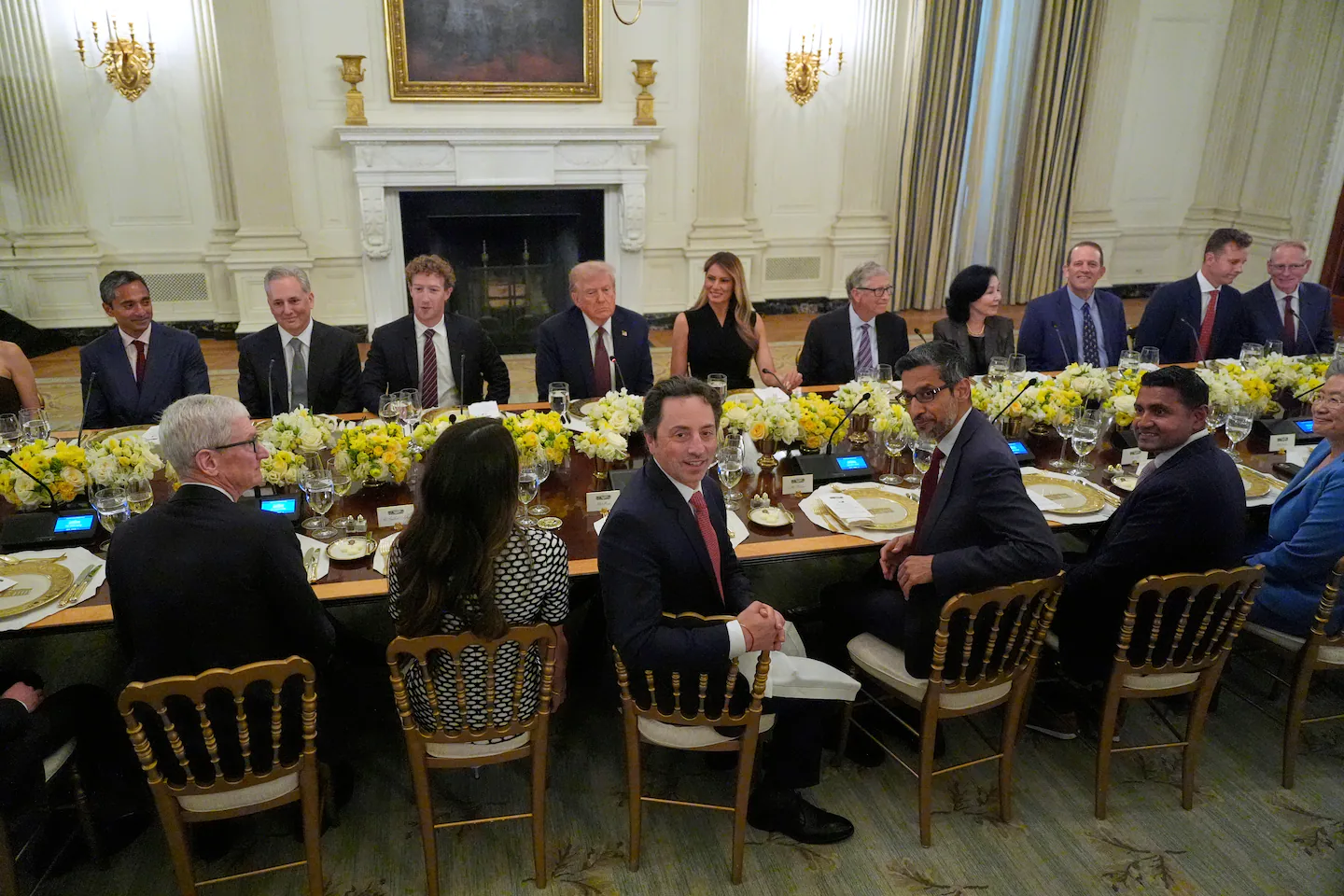
Trump, meanwhile, has largely brushed off calls to rein in AI development. He has met with billionaire executives at the White House and argued that the technology is broadly positive for the world, as well as necessary for economic growth and national security.
The speech issue
There is a difference between the government choosing its own words and the government trying to pressure everyone else’s. Trump’s post does not, by itself, describe a policy mechanism or penalty. But the rhetoric still matters, because it can signal how an administration wants the public debate to sound, and how it wants dissent to be perceived.
Why the label matters
Words shape permission. “Artificial intelligence” sounds engineered and provisional. “Super intelligence” sounds like an achievement, even a destiny. A rename can tilt the argument before the argument even starts.
That is why this rebrand matters in a policy space already defined by disputes over risk, regulation, and safeguards. If the goal is to cast a more positive light on the technology, the new label also nudges the public toward a more celebratory frame.
What to watch
- How Trump continues to talk about the rename. Thursday’s post framed a terminology dispute in stark terms, and future messaging will show whether that tone is repeated or intensified.
- How lawmakers and critics respond. The rebrand arrives amid ongoing calls for guardrails tied to safety and security concerns.
- Whether “super intelligence” sticks. A presidential push can change official language quickly, but changing public vocabulary is a different challenge.
The United States can survive arguments about labels. The harder question is what happens when a label becomes a line you are expected to cross.