
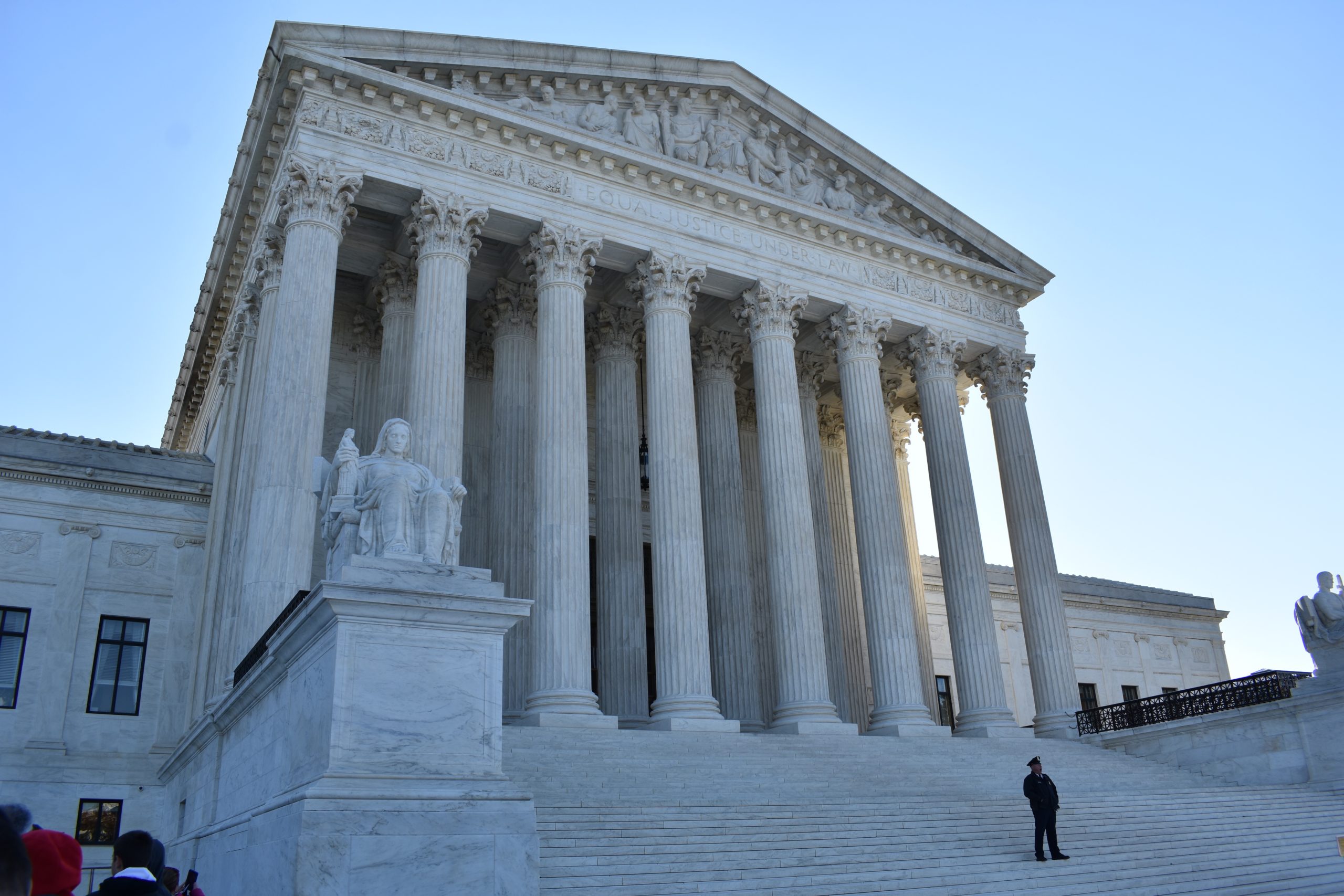
When the Supreme Court hits pause, it rarely feels like a simple pause. It changes the posture of a case, the leverage of the parties, and sometimes the behavior of the judge who thought she had the last word. That is the story behind this week’s whiplash in the litigation over new federal mail-ballot handling rules directed at the U.S. Postal Service.
On Wednesday, a federal judge in Massachusetts, U.S. District Judge Indira Talwani, vacated a nationwide injunction she previously issued blocking the Postal Service from implementing the new mail-ballot rules for the November midterms. She did not do it because she suddenly warmed to the policy. She did it because, in her words, she was “compelled by the Supreme Court’s ruling” to do so.
That one sentence tells you a lot about how power actually flows in the federal judiciary. Lower courts can act quickly. The Supreme Court can act sparingly. But when it does, it can rearrange the whole chessboard.
Join the Discussion
The timeline
The timing matters here, because timing is what made the Supreme Court’s intervention so potent.
- Friday: The Postal Service finalized its mail-ballot rule.
- Monday: The Supreme Court stayed a separate Judge Talwani injunction in Trump v. California (the plaintiff-states case).
- Tuesday: Judge Talwani ruled that finalizing the rule violated her Aug. 11 injunction, but she imposed no additional remedy.
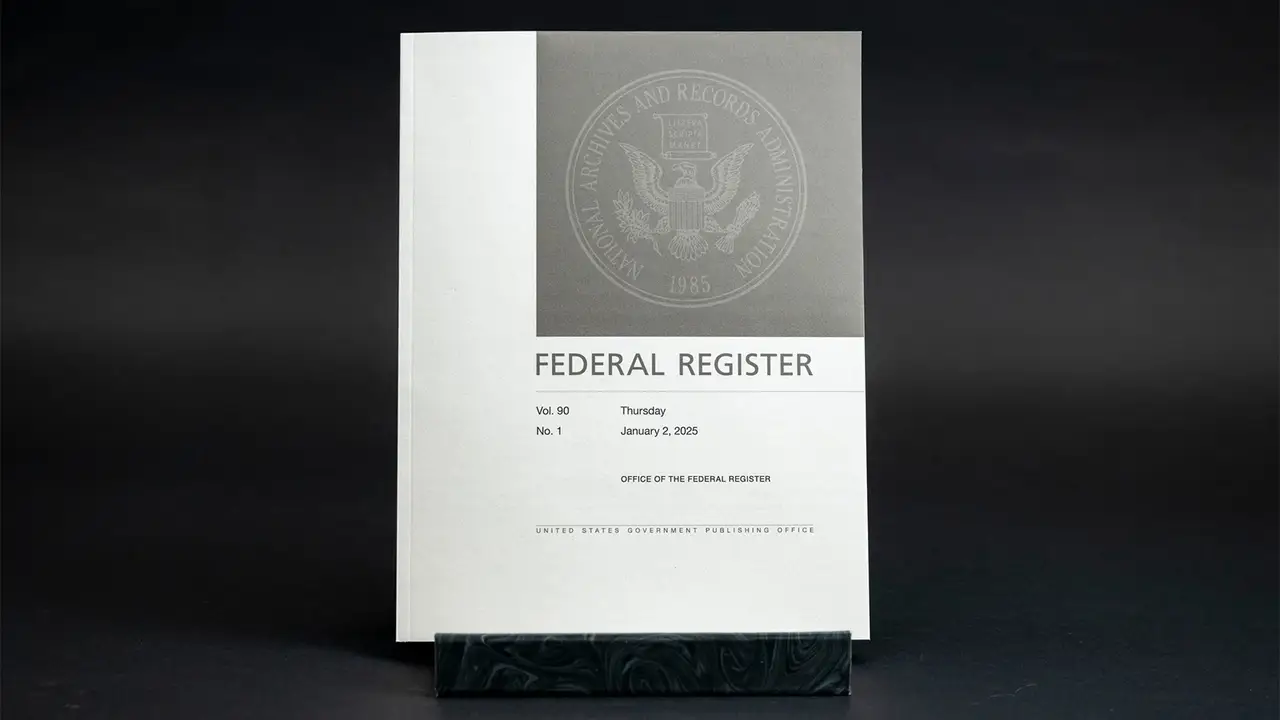
- Wednesday: The Postal Service published the final rule in the Federal Register, and Judge Talwani vacated the nationwide injunction in the separate League of Women Voters case.
That sequence helps explain why Judge Talwani framed her decision as a response to a changed legal landscape, not a change of heart.
What changed
The key trigger was the Supreme Court stay entered Monday in Trump v. California, a separate case involving the same executive order and similar injunction activity from Judge Talwani. That stay halted enforcement of an injunction that had been preventing the administration from moving forward while litigation continued.
Stays are often misunderstood. They are not final rulings on who is right. They are the Supreme Court’s way of saying: we are not convinced the lower court order should keep operating while this fight plays out.
In the mail-ballot dispute, that message mattered because it went straight to a threshold problem that judges are supposed to confront before they ever reach the merits: can the plaintiffs even be in court yet?
Standing and ripeness
The Supreme Court’s stay in Trump v. California turned on standing and ripeness concerns. The Court concluded the states’ challenge ran into those problems because, when they sued, too much depended upon speculative future events, including whether the Postal Service would even issue a final rule.
This is not just courtroom trivia. Article III limits federal courts to actual “Cases” and “Controversies.” If an alleged injury is still contingent on what might happen next, courts can be forced to step back even when the issue feels urgent.
Two injunctions
Before this week, two separate injunctions issued in Massachusetts had functioned as a wall across the road. Both were issued by Judge Talwani, and both had prevented the USPS from moving forward with the new mail-ballot rule for the 2026 election.
Now, that wall is down. The Supreme Court stayed the injunction in the states’ case. Judge Talwani has vacated the injunction in the separate suit brought by the League of Women Voters. The practical result is that neither Massachusetts injunction is currently operative.
Meanwhile, the Postal Service finalized its rule Friday and published it in the Federal Register on Wednesday. The rule itself said USPS would not implement it for 2026 until the government obtained relief from the two injunctions. Now it has, and the USPS can move forward with implementation while litigation continues, barring other legal restraint.
The League case
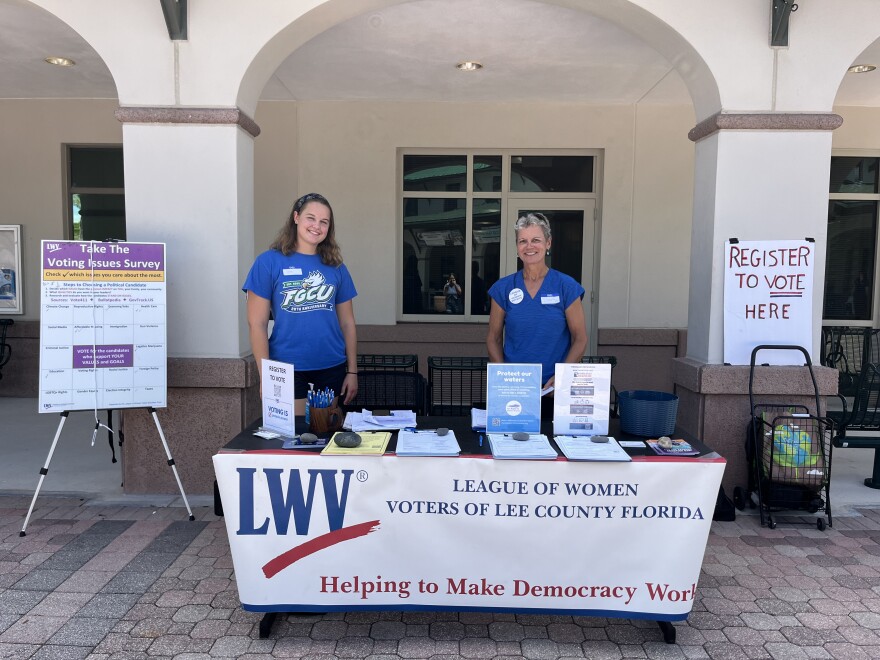
The League of Women Voters plaintiffs are not the states, and they allege a different injury: disruption and confusion for voters caused by election changes shortly before the midterms.
Judge Talwani emphasized that the Supreme Court has not actually decided whether that injury is sufficient for standing in this context. Even so, she concluded the Court would likely apply the same ripeness reasoning here “despite the different injury.” In her view, the Supreme Court’s decision amounted to an intervening change in law requiring her to dissolve the injunction.
Her order also signals she is not thrilled with the posture that produced this result. She wrote that plaintiffs have “substantial arguments that might persuade the Supreme Court to reach a different result” if they have the opportunity to present them. She also noted the Supreme Court apparently did not account for the fact that USPS had already finalized its rule Friday. And she pointedly observed that the administration pursued an emergency stay rather than expedited merits review in the 1st Circuit, “where they could avoid review of the merits.”
What happens next
The case is not over. Not even close.
- The rule is final. That matters because ripeness objections are harder to sustain once the challenged policy is no longer hypothetical.
- The plaintiffs are retooling. Judge Talwani has already granted permission for the League plaintiffs to amend their complaint to address the final rule.
- A new injunction request is likely. Judge Talwani vacated the injunction without prejudice, expressly leaving the door open for a renewed request for preliminary relief after the amended complaint is filed.
So yes, the Postal Service is presently freer to act. But the next motion could arrive quickly, and the next appeal could move even faster. Election litigation has a way of compressing time until courts are making decisions not in months, but in days.
The bigger question
Even if you ignore the politics and focus only on process, a pattern keeps reappearing in election litigation: executive action moves quickly, plaintiffs seek emergency relief quickly, and appellate courts are asked to stabilize the ground under everyone’s feet in real time.
Here, a Supreme Court stay did more than pause a lower-court order. It changed the immediate rules of the road and, in the process, forced a trial judge to unwind her own nationwide injunction. The deeper question is whether our voting rules are being shaped more by deliberation or by deadline.