
A constitutional tug-of-war is hiding inside what sounds like a routine administrative move: the U.S. Postal Service has finalized a rule that ties certain mail ballot handling to whether a state provides USPS with specific voter information and mailing identifiers.
Supporters describe the rule as basic chain-of-custody and address verification. Critics see a federal agency leaning on states for election records and potentially disrupting ballot delivery if a state does not cooperate. Either way, the fight puts a familiar civics tension back on the table: states run elections, but federal power can still shape how elections function in practice.
Join the Discussion
What the rule requires
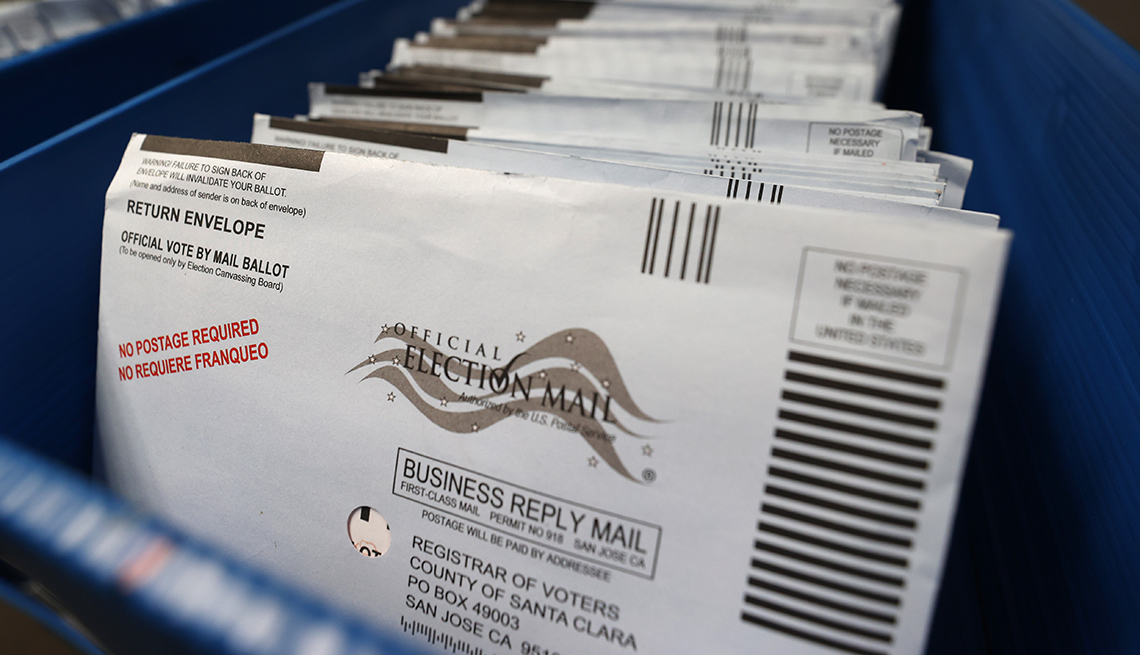
The finalized rule is built around a condition. If a state intends to receive mail-in or absentee ballots from individual voters through the Postal Service, the state must ensure those individuals have been enrolled with USPS for inclusion on the state’s Mail-In and Absentee Participation List.
The operational demand is data. To include a voter on the list, the state must provide the Postal Service the voter’s name and address. The rule also requires a uniquely serialized Intelligent Mail barcode (IMb) to appear on both the outbound ballot mailing and the return ballot mailing.
In plain terms, USPS is asking for enough information and unique identifiers to match what a state believes it is sending with what is actually moving through the mail stream.
How it ties to the executive order
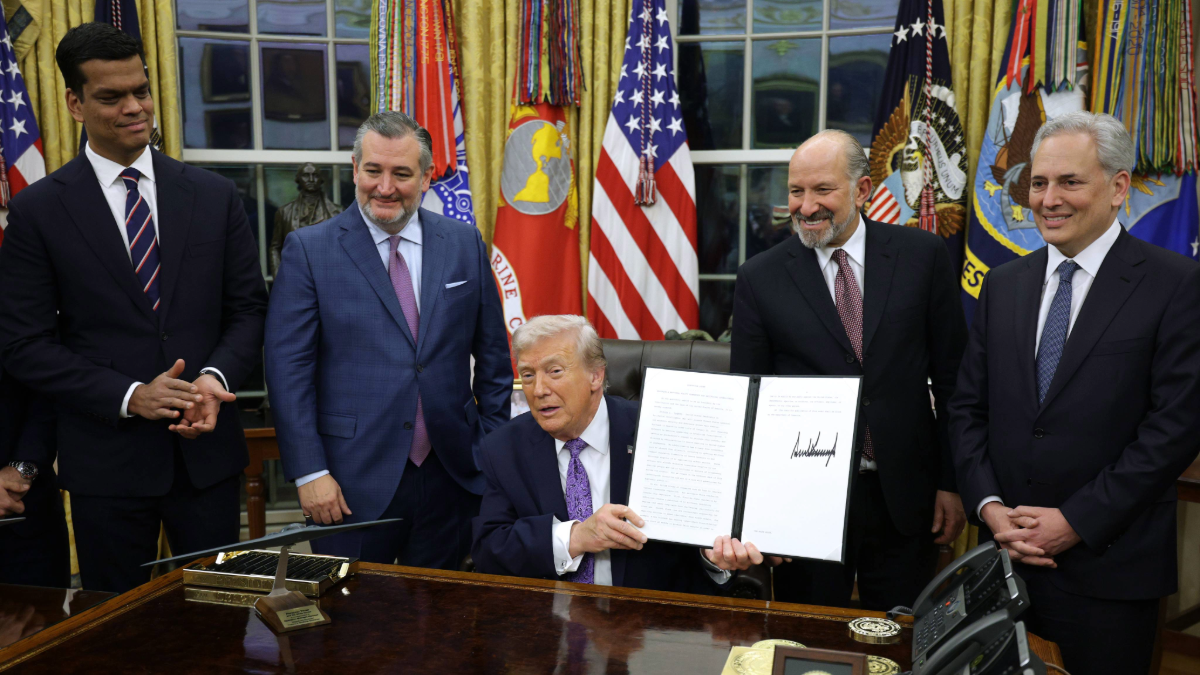
The rule aligns with President Donald Trump’s March 31 executive order on election integrity. That order directed the Postal Service to require states that plan to use USPS to send mail-in ballots to notify USPS at least 90 days before an election and to send USPS a list of eligible voters the state plans to provide a mail-in ballot to at least 60 days before the election.
Those timing requirements matter because they are part of how USPS says it can prepare its systems before voting deadlines collide with mail deadlines.
Why it is not in effect

The rule’s real-world impact depends on what happens in court. U.S. District Court Judge Indira Talwani issued a preliminary injunction blocking parts of the executive order, including the section pertaining to mail-in ballots and the Postal Service. USPS has said it will not implement the rule for the upcoming November election unless those injunctions are lifted.
As written, the rule is scheduled to be published officially on August 26, and it would take effect for the 2026 midterms if the injunction is lifted.
What “blocked” could mean

If the rule becomes enforceable and a state does not provide the required voter list information or adopt the barcode requirement, the practical leverage point is that mail-in ballots could be blocked.
One public description of the regulation is that it would deny delivery of mail-in ballots that do not match addresses in a database. The core point for states is the same: access to USPS ballot handling could be conditioned on meeting the rule’s list and identifier requirements.
That leaves states with a fast, high-stakes decision tree:
- Comply to preserve predictable mail ballot operations.
- Refuse and litigate, seeking to block enforcement against the state.
- Shift election logistics toward alternatives (such as in-person options or drop boxes where lawful), with their own limits and tradeoffs.
What USPS says it is (and is not) doing
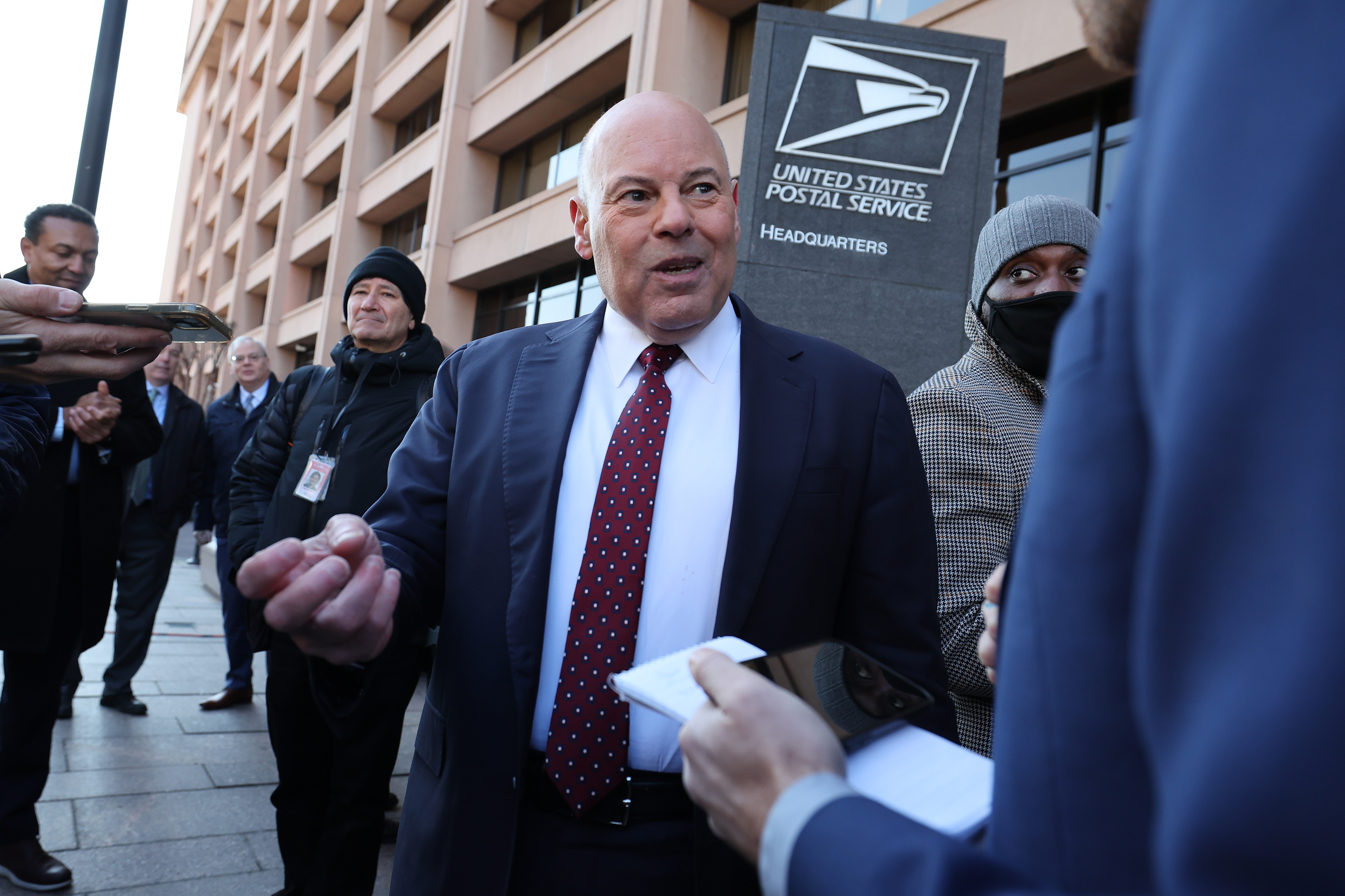
A central concern is that voter eligibility decisions belong to states under their election codes. USPS has tried to draw a boundary around its role, stating it will not play any role in determining voter eligibility.
Postmaster General David Steiner framed the operational purpose this way: the rule allows the agency to “match the ballots that a state believes they’re sending out to what actually gets sent out.”
Even with that assurance, critics argue that control over ballot delivery logistics can function like power over election administration. Supporters respond that reliable identity and address controls are basic to secure mail processes.
The court issue to watch
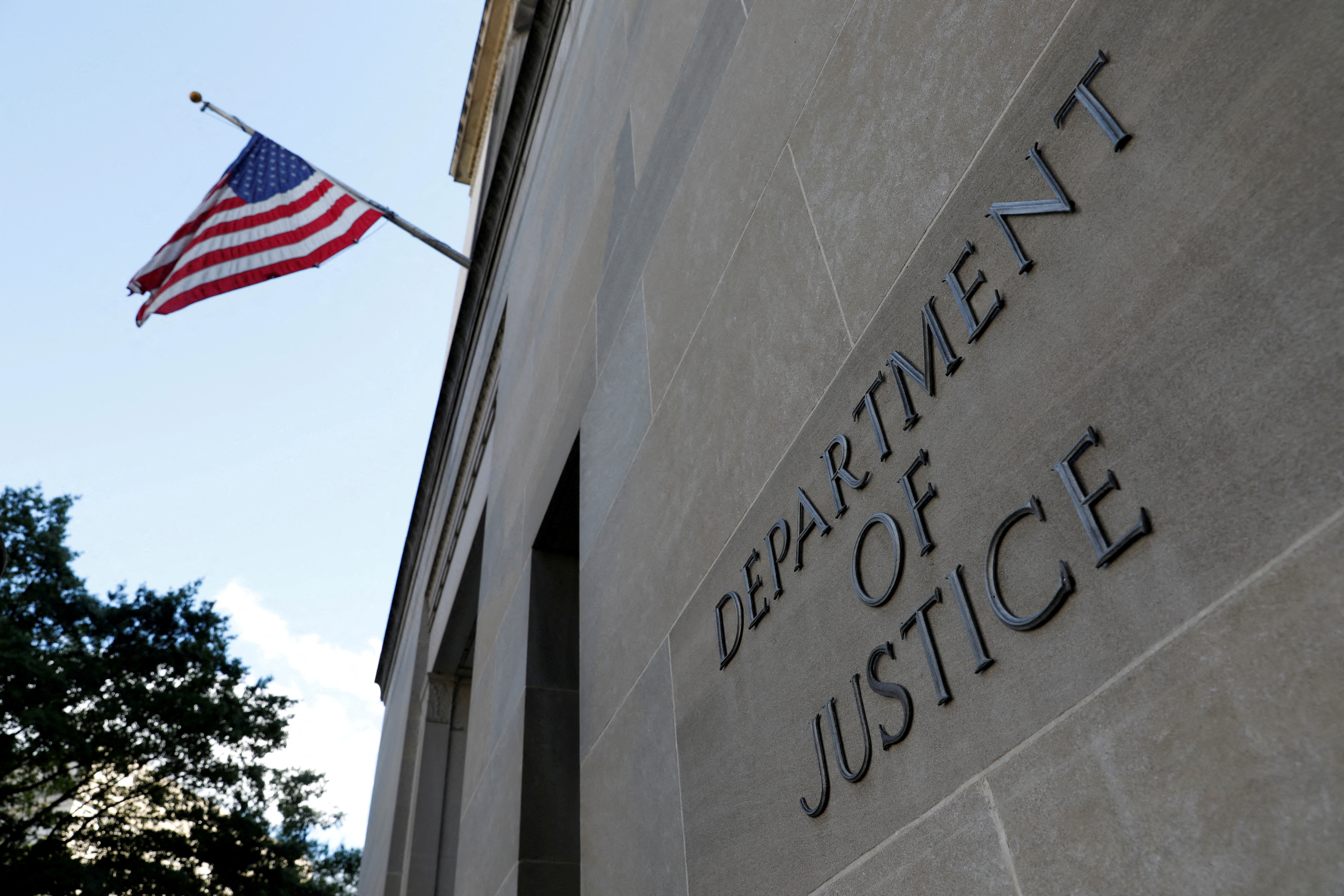
Much of the immediate litigation posture turns on a procedural idea that shows up often in federal courts: ripeness. Lawyers for the Trump administration have argued that judicial review is premature because plaintiffs cannot show concrete harm until the policy is actually in effect.
As the U.S. Department of Justice’s Civil Rights Division put it in a filing: “Plaintiffs cannot demonstrate they suffer any particularized injury from ongoing policymaking deliberations within the Executive Branch. Instead, their concern is with possible ‘action that the [government] might take in the future,’”
That matters because courts generally avoid deciding hypotheticals. States and voting groups, on the other hand, often argue that election administration is uniquely time-sensitive, and that waiting until the last minute can itself become the harm.
Where the constitutional tension is
Separate from the case-specific questions about injunctions and administrative authority, the dispute lands in familiar constitutional terrain. States administer elections, but federal law can shape the mechanics elections rely on, including the mail.
Most of the friction shows up in three overlapping areas:
- The Elections Clause (Article I, Section 4) lets states set the “Times, Places and Manner” of congressional elections, but also allows Congress to alter those rules.
- The Supremacy Clause makes valid federal law supreme over conflicting state law.
- The anti-commandeering doctrine (from Supreme Court cases interpreting federalism) generally bars the federal government from ordering states to use their personnel and machinery to carry out federal regulatory programs.
This is analysis, not a court ruling. But it helps explain why the arguments tend to split into two tracks: what USPS can lawfully require as a condition of handling ballot mail, and whether those requirements cross the line into improper federal pressure on state election administration.
What changed in the rulemaking
USPS received over 200,000 comments during the rulemaking process. The finalized version maintains the core structure: participation list enrollment, voter name and address submission, and uniquely serialized IMb barcodes on outbound and return ballot mail.
Bottom line
This dispute is bigger than barcodes. It is about how federal power shows up in day-to-day election mechanics, even when states remain formally in charge.
- If the injunction remains, the rule stays mostly theoretical for now.
- If the injunction is lifted, states may face a practical ultimatum: meet the voter-list, timing, and IMb requirements, or risk ballots being blocked.
- Some descriptions of the rule’s enforcement consequences focus on address and database matching and potential denial of delivery. The ultimate boundaries will be shaped by what courts allow USPS to enforce and how the rule is applied in practice.
Quick FAQ
Does this mean USPS will decide who gets a ballot?
USPS says no. The agency has stated it will not play any role in determining voter eligibility, and describes the goal as process verification and matching.
What must a state send to USPS?
For participation list enrollment, the state must submit the individual’s name and address and use a uniquely serialized IMb on both the outbound ballot and the return ballot.
What are the timing requirements in the executive order?
States that plan to use USPS to send mail-in ballots must notify USPS at least 90 days before an election and send a list of eligible voters the state plans to provide a mail-in ballot to at least 60 days before the election.
When could this take effect?
The rule is scheduled for official publication on August 26. USPS has said it will not implement it for the upcoming November election unless court injunctions are lifted. If the injunction is lifted, it would take effect for the 2026 midterms.