
You can feel the constitutional question hiding inside the headline: if someone flies to the United States late in pregnancy, gives birth, and leaves, did they just “exploit” a loophole or did they use a rule the Constitution itself writes in ink?
That question is getting fresh attention after the House Oversight Committee moved to investigate alleged birth tourism facilitation. Because committee actions and targets can change quickly, readers should treat the details of any specific subpoena, recipient, or business relationship as time-sensitive and verify them against the committee’s letters, docket, or public statements.
Oversight hearings are political by nature, but the legal issue underneath them is structural: the Fourteenth Amendment’s rule for citizenship by birthplace, and how little room the federal government has to rewrite it without changing the Constitution.
Join the Discussion
The rule people quote
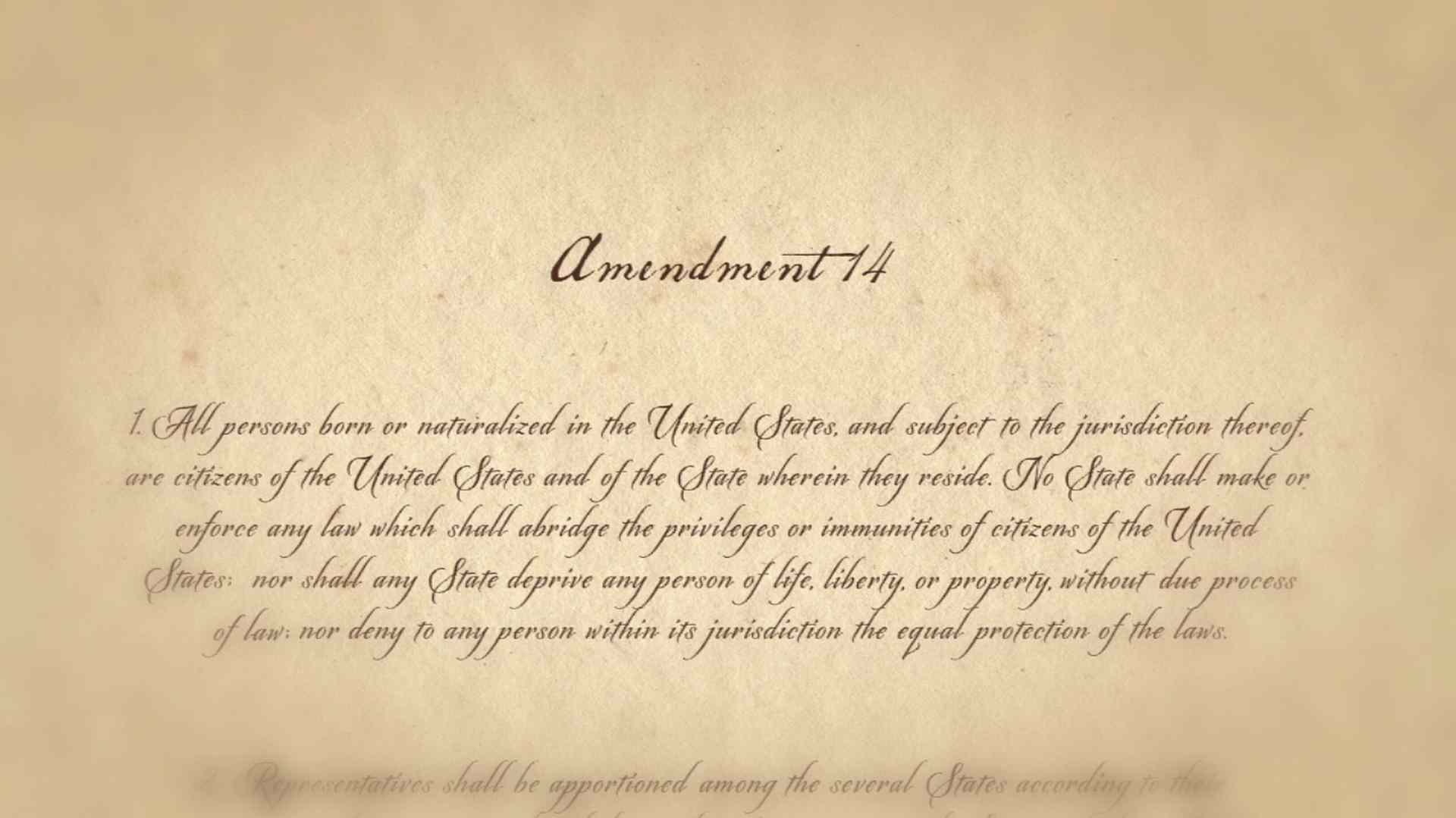
The Citizenship Clause of the Fourteenth Amendment is one sentence, and it does most of the work:
“All persons born or naturalized in the United States, and subject to the jurisdiction thereof, are citizens of the United States and of the State wherein they reside.”
Most debates stop after “born in the United States.” The real fight is over the qualifier: “subject to the jurisdiction thereof.”
In plain English, the clause says that birth on U.S. soil is the default rule for citizenship, unless you fall into a narrow category of people who are not under U.S. legal authority in the ordinary sense.
What “jurisdiction” has meant
For more than a century, the Supreme Court has treated the Citizenship Clause as a broad jus soli rule. Jus soli means citizenship by soil, by place of birth, as opposed to jus sanguinis, citizenship by bloodline.
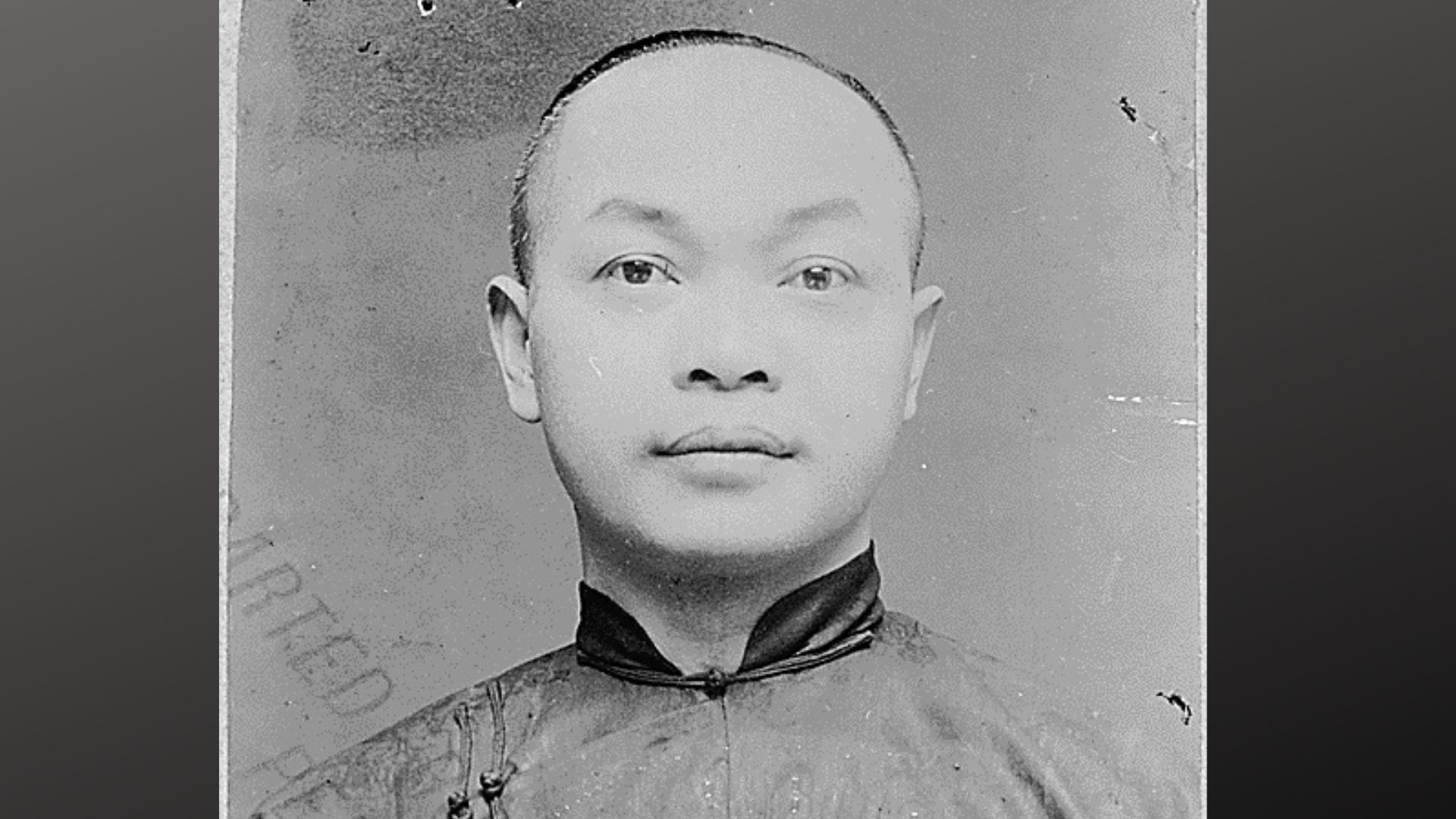
The leading case is United States v. Wong Kim Ark (1898). Wong was born in San Francisco to Chinese parents who were lawfully domiciled residents but were not eligible to naturalize at the time. When the government tried to deny his citizenship after a trip abroad, the Court said no. Birth in the United States made him a citizen, and the Court read “subject to the jurisdiction” to include almost everyone physically present and governed by U.S. law.
One important nuance: Wong Kim Ark did not squarely decide the modern scenario of a child born to parents who are unlawfully present. Still, the case’s reasoning, along with the way governments and courts have generally applied the clause, has long supported a broad view of birthright citizenship that does not turn on a parent’s immigration status.
The narrow exceptions
The classic exceptions to birthright citizenship are not modern policy concepts. They are older jurisdiction concepts.
- Children of accredited foreign diplomats are the standard example. Diplomats have formal immunities, and their official presence is not treated as ordinary subjection to local legal authority.
- Children born to an enemy force in hostile occupation are another. This is largely theoretical in modern U.S. territory, but it remains part of the traditional way lawyers describe the clause’s limits.
There is also a separate line of nineteenth-century law involving Native American citizenship, which was addressed through legislation and later constitutional and statutory developments. That history is part of why the Citizenship Clause was written carefully. The amendment was designed to end the legal whiplash inflicted on freed slaves and their children after the Civil War by making citizenship a constitutional baseline, not a state-by-state privilege.
The key point for modern disputes is this: the Supreme Court’s understanding of “jurisdiction” has historically been about immunity from U.S. law, not about whether a parent’s presence is morally approved, lawful under immigration statutes, or motivated by a plan.
Is birth tourism illegal?
“Birth tourism” is not a single crime with a single statute. It is a label for a set of behaviors that can range from lawful to criminal depending on how it is done.
Giving birth in the United States is not, by itself, illegal. Neither is a noncitizen entering the country while pregnant, so long as entry is lawful and the person complies with the terms of their admission.
Where legal risk often arises is the method of entry and the paperwork:
- Visa fraud or misrepresentation: If a person lies to a consular officer or border officer about the purpose of travel, planned medical care, ability to pay, where they will stay, or other material facts, that can trigger immigration penalties and sometimes criminal exposure.
- Financial fraud: Unpaid hospital bills, identity misuse, or falsified insurance arrangements can be prosecuted under ordinary fraud laws.
- Conspiracy and facilitation: Businesses that coach clients to misrepresent facts, fabricate documents, or evade medical costs can face investigation under fraud and conspiracy theories.
Notice what is missing: the baby’s citizenship. Whatever you think of the parents’ motives, the child’s status is a separate constitutional question.
Can Congress change it by law?
Congress has real power here, but not the kind people often assume.
What Congress can do
- Regulate immigration and visas through statutes governing entry, length of stay, and grounds of inadmissibility and removal.
- Fund and direct enforcement priorities within constitutional limits.
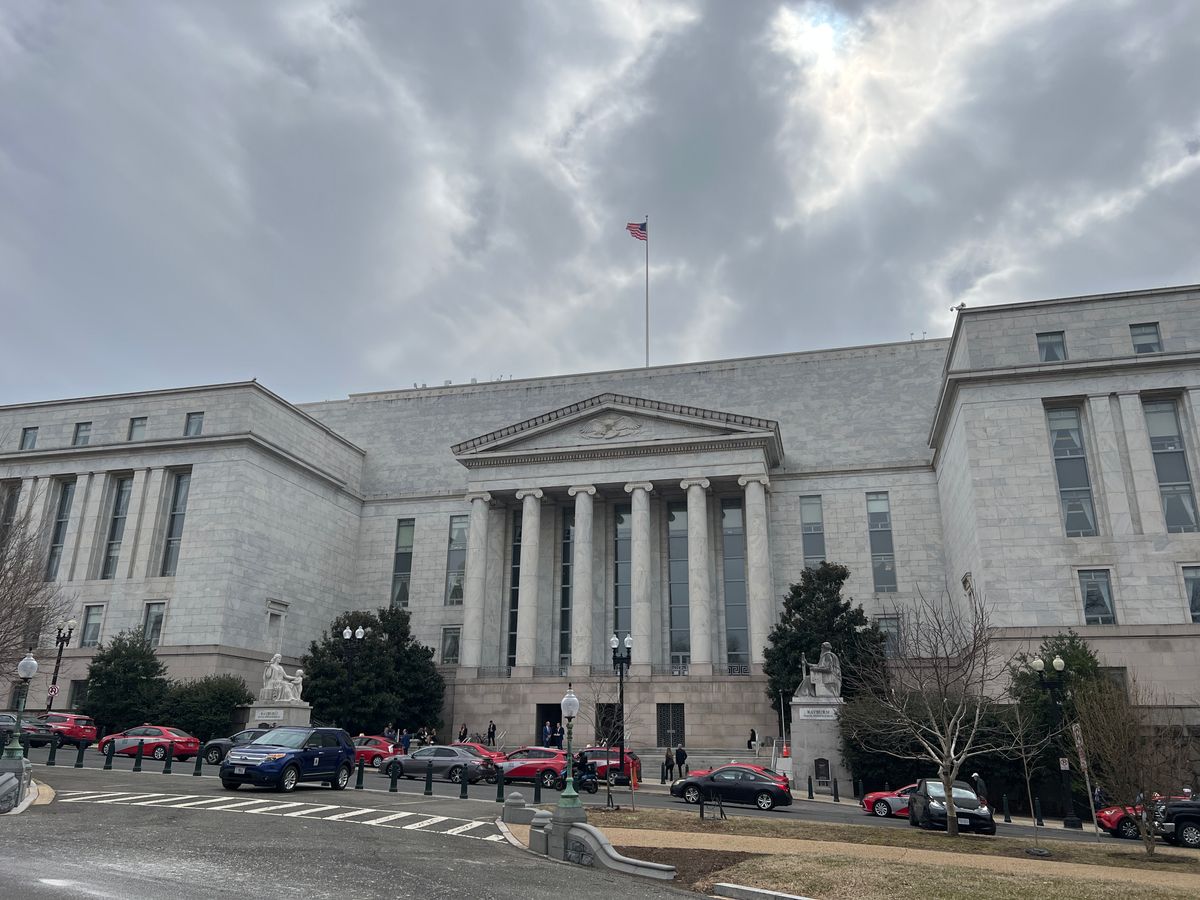
- Investigate through committees, hearings, and subpoenas when there is a legitimate legislative purpose, including possible reforms to visa fraud enforcement or medical billing practices.
- Define citizenship in areas the Constitution does not fix, such as rules for naturalization and derivative citizenship in many contexts.
What Congress cannot easily do
Congress cannot simply redefine the Fourteenth Amendment’s constitutional category of people who are citizens at birth if the Supreme Court’s existing interpretation covers them.
Could Congress pass a statute saying, for example, that children born in the U.S. to parents who are not lawful permanent residents are not citizens? It could pass the words, but the courts would have to decide whether that statute contradicts the Constitution as interpreted in cases like Wong Kim Ark and related doctrine.
Because the Citizenship Clause is constitutional text, not a policy program, changing its meaning in a durable way usually points to a short list of routes: a constitutional amendment, or a Supreme Court decision adopting a narrower reading of “subject to the jurisdiction” than the one that has largely prevailed for generations.
What Oversight is doing
Congress’s investigative power is not explicitly spelled out in one neat clause, but it is a long-recognized implied power tied to legislation. The Supreme Court has repeatedly acknowledged that Congress can investigate to inform potential laws, oversee federal programs, and examine whether existing laws are being enforced.
That is the constitutional hook for subpoenas in this area. A committee can seek testimony and documents to understand how birth tourism networks operate, whether fraud is occurring, and whether changes to visa rules, enforcement tools, or penalties are warranted.
There are limits. Oversight is not a free-ranging police power. A subpoena must serve a legitimate legislative purpose and comply with procedural safeguards. Witnesses may raise privileges. Courts can be asked to referee disputes.
But even when oversight is valid, it does not automatically translate into a congressional power to rewrite birthright citizenship itself. Investigation and constitutional amendment are different gears.
Does birth equal citizenship?
In most cases, yes.
Under the prevailing understanding of the Fourteenth Amendment, a child born on U.S. soil is a U.S. citizen at birth even if the parents are foreign nationals, including parents who are in the United States temporarily. The primary established exception is for children of foreign diplomats. Another is the rare scenario of hostile occupation.
One caveat worth stating clearly: while the broad rule is deeply rooted in constitutional text and long practice, the Supreme Court has not directly decided every edge case, including the precise status of children born to parents who entered unlawfully. The dominant interpretation remains that such children are citizens at birth, but that is also where modern legal and political argument tends to concentrate.
As a practical matter, citizenship is typically evidenced through standard documentation. A hospital records the birth, a state issues a birth certificate as a record of birth, and a U.S. passport or other federal document is commonly used as proof of citizenship when it matters later. The birth certificate supports the claim, but it does not create citizenship on its own.
Why motives feel relevant
Birthright citizenship is blunt by design. The Fourteenth Amendment was written after a war fought partly over who counts as a member of the polity. Its authors wanted to take citizenship out of the hands of shifting majorities and state officials who could decide, case by case, who “really” belongs.
A rule that turns on intent would invite the very discretion the amendment was meant to prevent. If citizenship depended on whether a mother planned to go home, or whether a family looked “settled,” you would be back in a world where officials judge belonging by hunch, stereotype, or politics.
That does not settle modern policy debates. It does explain why the Constitution’s mechanism is so uninterested in motive.
What would it take to change it?
There are only a few realistic pathways, and each is hard.
- A constitutional amendment changing the Citizenship Clause. That requires two thirds of both houses of Congress and ratification by three fourths of the states.
- A Supreme Court shift narrowing “subject to the jurisdiction” in a way that excludes some categories of children born in the United States. That would require the right case, the right facts, and a majority willing to revisit the broad reading that has defined modern practice.
- A legislative strategy focused on parents, not the child, such as tighter visa screening, stronger penalties for fraud, and enforcement against facilitators. This can reduce the industry without changing the Constitution’s citizenship rule.
Many proposals in public debate functionally operate as versions of the third pathway, even when they are discussed as if they were a direct rewrite of the Citizenship Clause. The Constitution does not make that swap easy.
Quick answers
If I am a tourist and my baby is born in the U.S., is the baby a citizen?
Generally yes under the Fourteenth Amendment as it has long been applied, unless an established exception applies (most notably, accredited diplomats).
Does the baby’s U.S. citizenship make the parents citizens?
No. The parents do not become citizens automatically. A U.S. citizen child may be able to petition for certain family members later, but that is governed by immigration statutes and timing rules, not the Constitution’s Citizenship Clause.
Can the government deny a birth certificate to stop citizenship?
States issue birth certificates as records of birth, not as grants of citizenship. Citizenship is a federal constitutional status. Disputes can arise over documentation, but the underlying rule comes from the Fourteenth Amendment.
Can Congress investigate birth tourism?
Yes. Investigations and subpoenas can be part of Congress’s oversight and legislative functions, subject to legal limits and judicial review if contested.