

When a sitting Supreme Court justice reaches for the phrase “Kafkaesque nightmare,” you should not treat it as rhetorical garnish. That is a flare shot into the sky.
Justice Ketanji Brown Jackson used those words in a dissent tied to the Court’s latest emergency decision involving mail-in voting and a Trump administration directive that uses ballot delivery as leverage. The warning was not simply that the Court got this one wrong. It was that, in her view, the Court’s timing rules can leave some election challenges stuck in procedural limbo until the moment when the damage is hardest to undo.
Join the Discussion
What happened
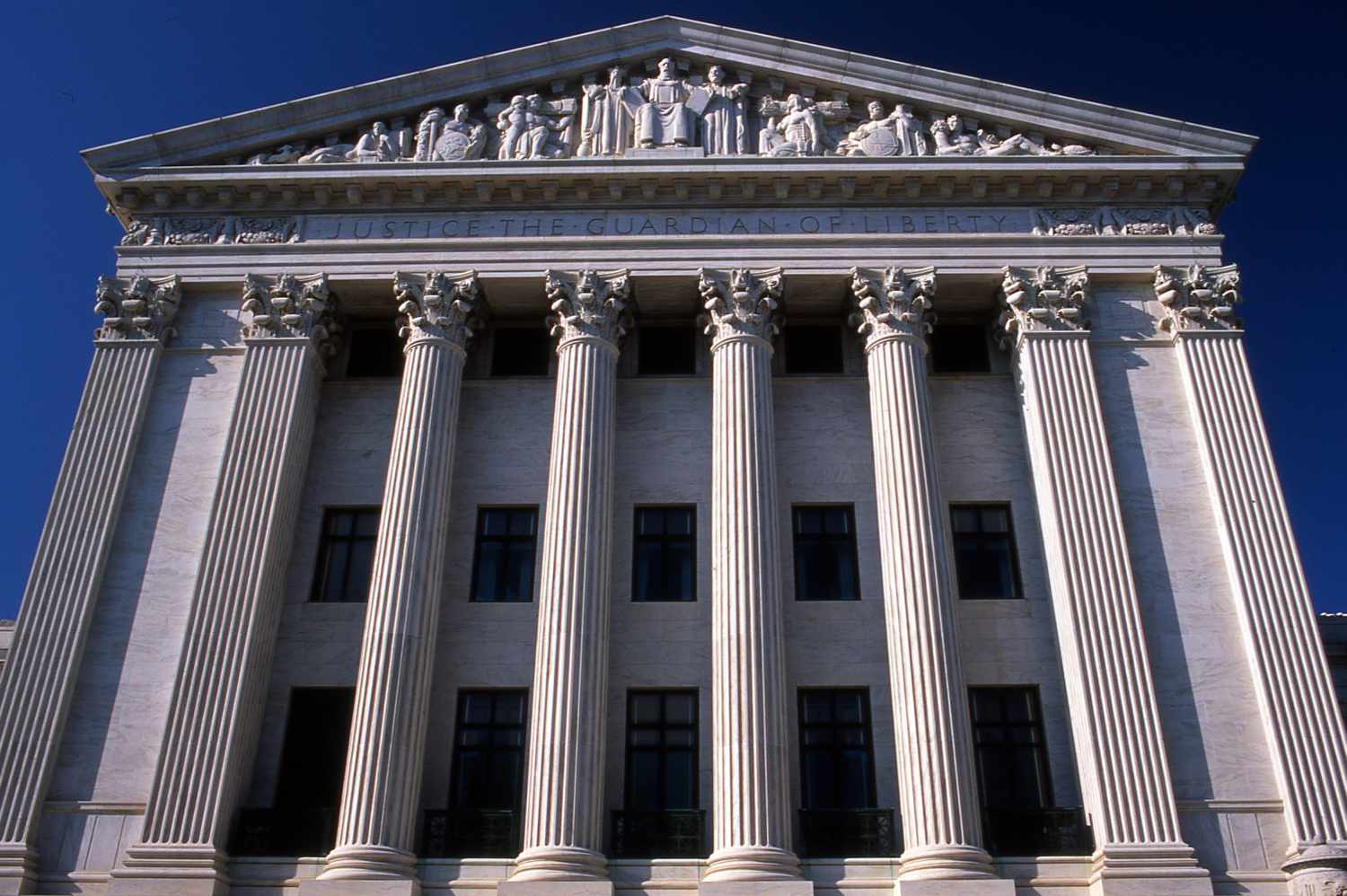
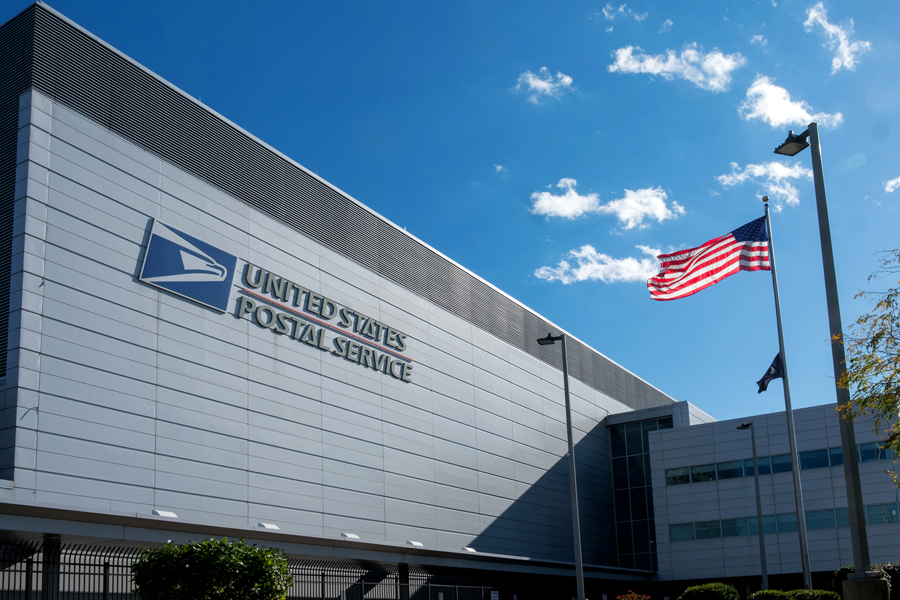
The dispute begins with a March 2026 executive order instructing the U.S. Postal Service not to deliver mail-in ballots from states that refuse to provide the administration with a list of “approved voters.” In June, Postmaster General David Steiner implemented that directive through a new Postal Service policy.
A group of Democratic-led states went to federal court and obtained an injunction blocking the policy. A U.S. district judge concluded the plan amounted to unconstitutional federal interference in state-run elections.
The administration then sought emergency relief at the Supreme Court. In a 6-3 decision split along ideological lines, the Court lifted the injunction on the ground that the states acted too early. The majority’s basic point was timing: because the policy had not yet been put into effect, the states could not show concrete harm in a way the Court found sufficient at this stage. “On that score, time will tell,” the majority wrote.
And there is one more wrinkle: while one injunction was lifted, another remains in place. So this fight is not over. It is simply moving forward under uncertainty, right when election administrators most need clarity.
Jackson’s warning
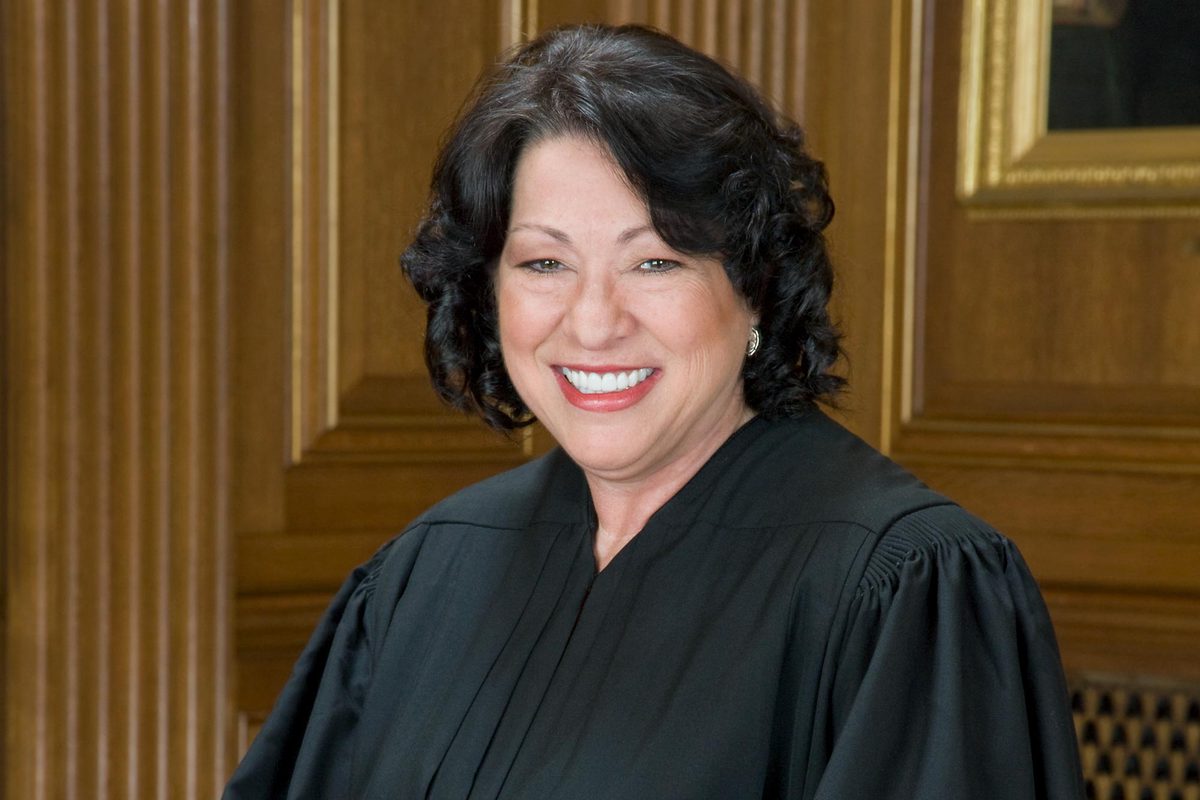
Justice Jackson, writing separately from the principal dissent authored by Justice Sonia Sotomayor, argued that the majority’s approach forces election plaintiffs into a lose-lose choice: file early and get kicked out for speculation, or wait until the policy bites and get told it is too late to safely change rules close to an election.
Her exact words are worth reading because they capture the trap. “This ruling violates well-established precedents concerning this Court’s equitable discretion and needlessly injects chaos and uncertainty into the upcoming midterm elections,” Jackson wrote. “It also lets another shoe drop in the Kafkaesque nightmare that our precedents have been steadily creating for certain plaintiffs who seek to bring election-related challenges.”
Read as a practical warning, not a slogan, the point is straightforward: if courts demand that challengers wait for harm, then treat the approaching election calendar as a reason not to intervene, the process can become self-sealing.
Why it matters
The surface issue is mail ballot delivery. The deeper issue is who gets to set the conditions of voting in federal elections, and by what mechanism.
The Constitution gives states the front-line job of running elections, and it gives Congress power to “make or alter” regulations for federal elections. That structure is messy by design: states administer, Congress can override, and courts referee when constitutional rights are on the line.
Critics argue an executive order that conditions ballot delivery on states turning over voter lists strains that arrangement. It uses federal administrative leverage, through the Postal Service, to influence the behavior of state election officials without going through Congress.
At minimum, it raises the kind of separation-of-powers and federalism questions that courts end up having to answer, often under intense time pressure.
What “time will tell” risks
The majority’s posture can be summarized like this: if the injury has not happened yet, the courts should not assume it will. In ordinary lawsuits, that caution can make sense.
Election cases run on deadlines, printing schedules, training calendars, and public trust. A rule that becomes “effective” on paper can distort the real world well before a single ballot is rejected. Administrators start planning. Voters start doubting. Campaigns start litigating in parallel.
So when the Court implies that consequences can be assessed later, it is not merely delaying a decision. It is choosing a moment when a decision may be much harder to implement cleanly.
What it could trigger

The order is not just about delivery logistics. It gestures toward a broader federal role in policing eligibility. Among the possibilities raised by the policy framework are:
- pushing the Department of Justice to scrutinize state and local officials who send ballots to voters later deemed “ineligible,”
- drawing the Department of Homeland Security into creating a “state citizenship list” tied to a federal voter database, and
- conditioning basic election operations on compliance with federal demands not enacted by Congress.
You do not have to take a position on mail voting to see the constitutional anxiety here. This is the executive branch attempting to become a national elections gatekeeper using agencies built for other missions.
Emergency docket stakes
There is also a “how,” not just a “what.” The Court acted through an emergency order, which generally means faster decision-making and fewer opportunities for full factual development than the ordinary appellate process.
In civics-class terms: when the biggest election-rule disputes get decided in the Court’s procedural fast lane, Americans can end up living with sweeping consequences before the normal process has fully run.
How bad is it
Bad enough that a justice felt compelled to say out loud what many election lawyers have been arguing for years: the Court’s current approach can make timely review harder to obtain, especially when election deadlines compress everything.
The phrase “Kafkaesque nightmare” is a warning about a system that turns citizens and states into characters trapped in a process that always has one more locked door, one more missing form, one more reason to come back later. In election law, later is not neutral. Later is often after the ballots are printed, after voters have been turned away, and after the public has started to doubt whether the rules are stable.
Democracy does not usually collapse with a bang. More often, it frays when basic operations become unpredictable, when rules change midstream, and when ordinary people start to believe the system is rigged because it is incomprehensible.
What to watch
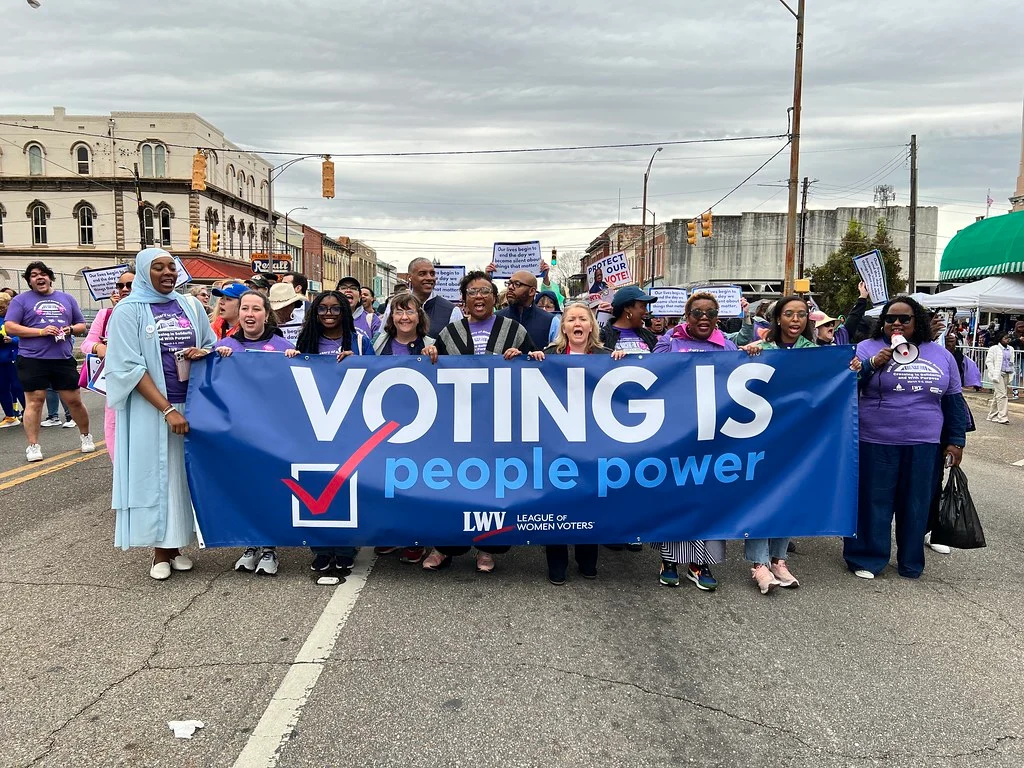
Litigation is continuing, and challengers are not backing down. In a statement, counsel and plaintiffs in League of Women Voters Massachusetts v. Trump said: “We are committed to protecting the right to vote, including full access to mail ballots for the millions of eligible voters who rely on them. President Trump’s attempt to seize control of election rules from the states and Congress is clearly unconstitutional and unlawful, and with today’s ruling, we will continue to vigorously pursue all available avenues to challenge this executive order.”
Legally, the next big questions are these:
- Will lower courts treat the remaining injunction as a meaningful brake, or a temporary speed bump?
- Will plaintiffs be able to demonstrate concrete harm soon enough to clear the Court’s timing objections?
- Will Congress respond, or will this become another chapter in the long story of legislative silence letting executive power expand?
If you are looking for the heart of the matter, it is simple: do we run elections by laws passed by representatives, or by executive leverage applied through federal agencies? The Constitution has an answer. The country is now watching to see whether our institutions still have the nerve to enforce it.