
When Supreme Court writing turns literary, it is usually because something has gone off the rails.
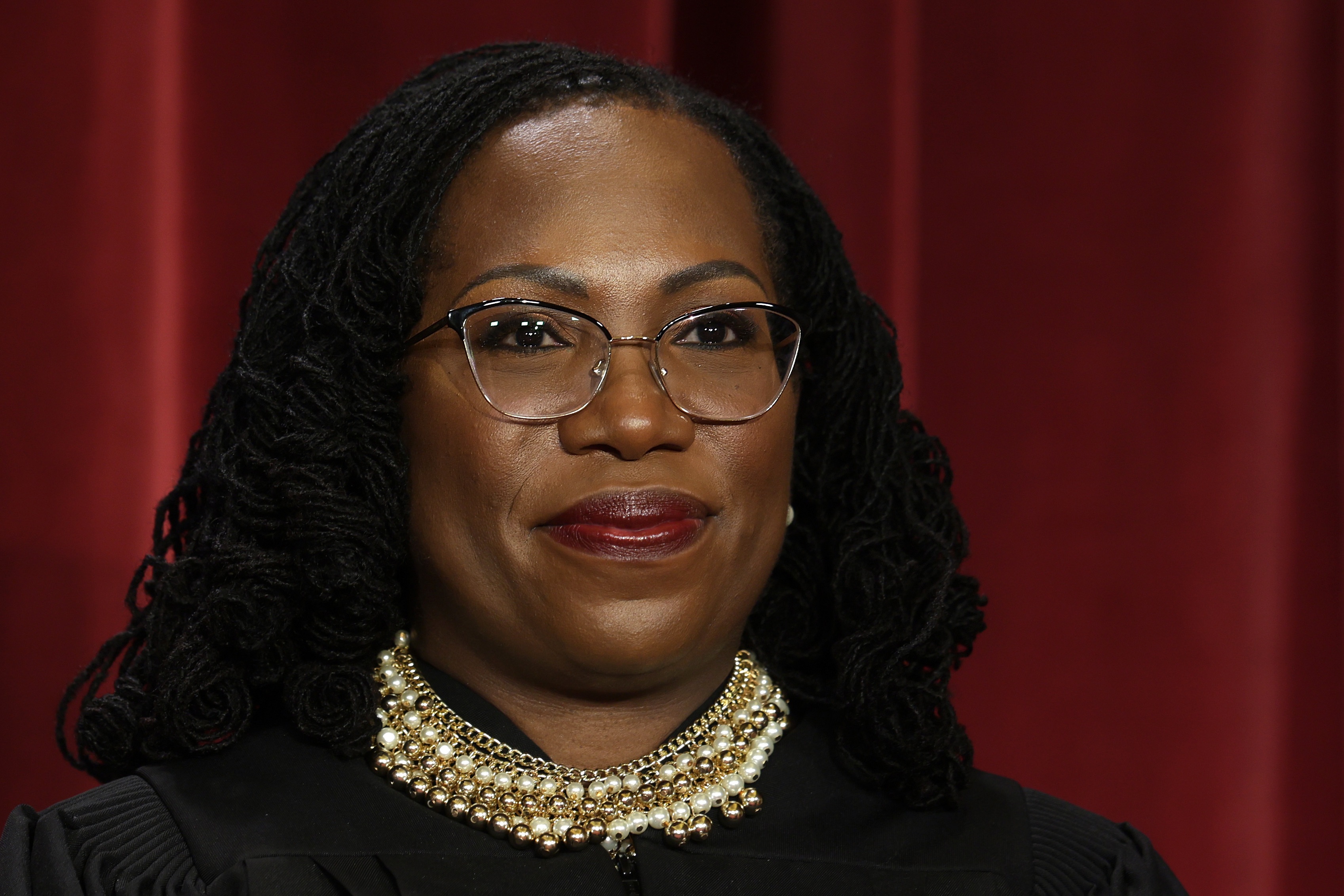
On Monday, Justice Ketanji Brown Jackson used a phrase that had never appeared in a Supreme Court justice’s dissenting opinion before: a “Kafkaesque nightmare.” She was describing the procedural maze that, in her view, keeps certain election-related lawsuits from being heard in time to prevent damage.
The spark was an emergency Supreme Court decision that sided with President Donald Trump’s administration and lifted one lower-court injunction blocking a federal directive targeting mail-in ballots, even as another injunction remains in place.
If you are feeling overwhelmed by the pace of election litigation, you are not alone. Let’s slow it down and walk through what the Court did, what it did not do, and why the dissenters are so alarmed.
Join the Discussion
What the order does
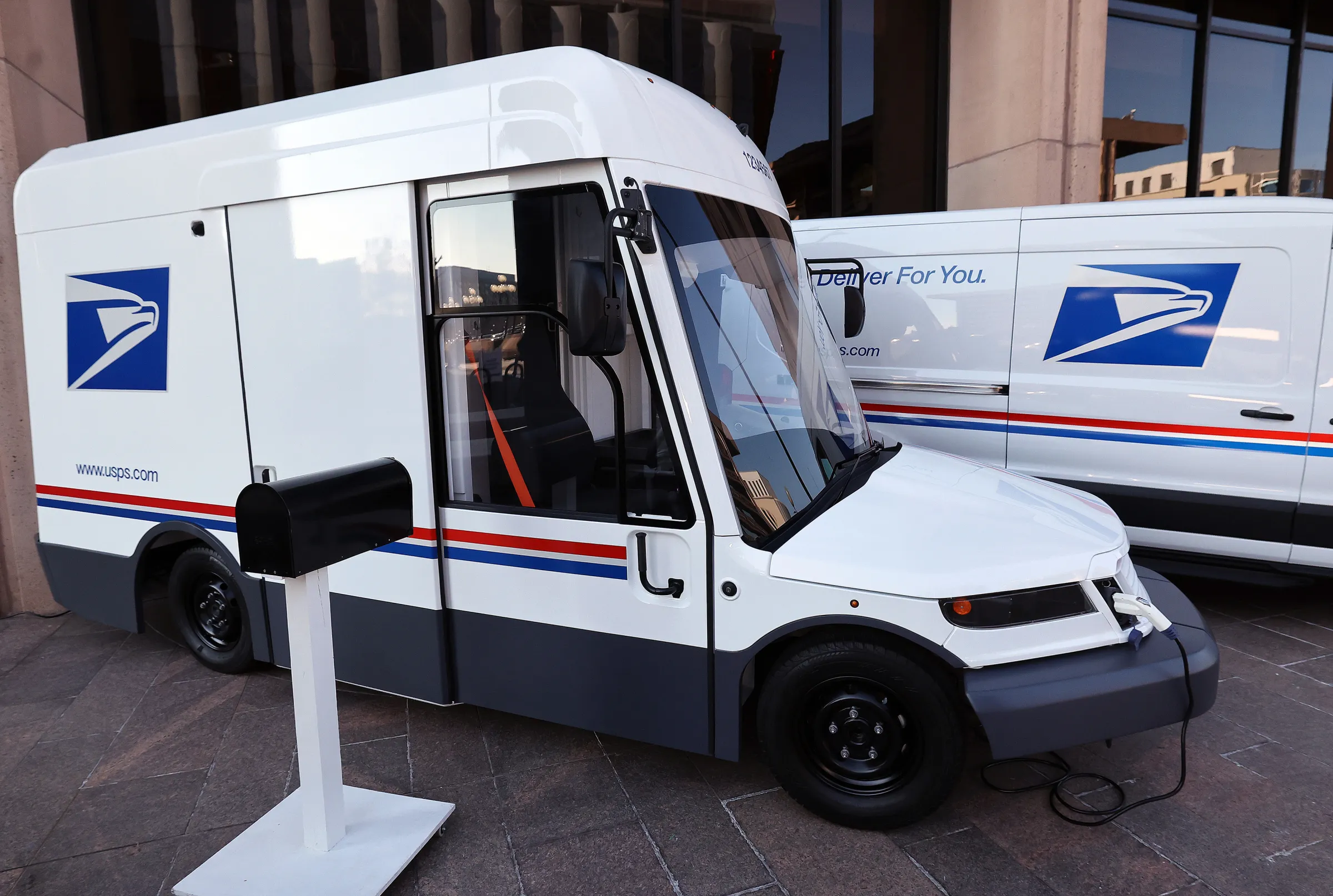
The dispute traces back to a March executive order from President Trump. The order instructed the U.S. Postal Service not to deliver mail-in ballots from states that refuse to provide the federal government with a list of approved voters.
In June, Postmaster General David Steiner implemented that directive as a Postal Service policy. Democratic-led states promptly went to court, arguing that the federal government was trying to insert itself into election administration in ways the Constitution does not allow.
The basic worry is easy to understand: if ballot delivery becomes contingent on a state turning over voter information to the administration, mail voting could be disrupted or delayed right when deadlines are hardest to move. Even a temporary disruption can function like a denial, because elections run on fixed calendars.
How it got to the Court
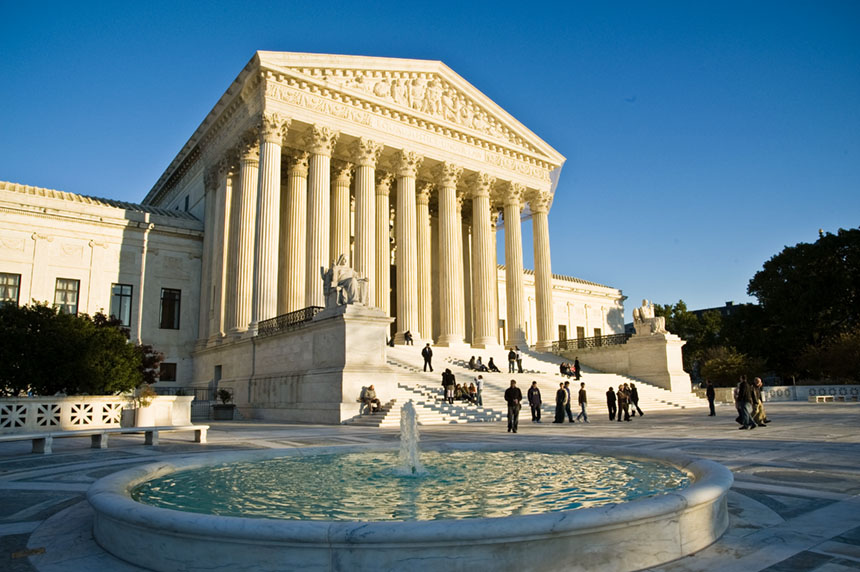
A federal district judge, ruling for a coalition of Democratic-led states, blocked the policy. The judge concluded the plan to intervene in state election processes was unconstitutional.
The administration then sought emergency relief at the Supreme Court. Emergency applications are not the same as a full merits decision after months of briefing and argument. They move quickly, often on a limited record, and they can reshape the legal landscape immediately.
On Monday, the Supreme Court issued a 6–3 emergency decision along ideological lines. The Court concluded that the lower court lacked authority to block the order at this stage.
What the majority said
The heart of the majority’s approach was timing. The states, the Court said, acted too early. Because the challenged rules had not yet been fully put into effect, the majority treated the alleged harm as speculative rather than concrete.
The majority summed up its stance with a phrase that has become familiar in election disputes: “time will tell.” In other words, the Court signaled that if real-world harms materialize later, a future lawsuit might be more viable.
One important nuance is the posture of the case right now. This emergency decision lifted one injunction, but another block on the policy remains in place. So the legal status is not a simple on-off switch. It is a set of partially open gates that could widen depending on what the lower courts do next.
Why the dissents matter
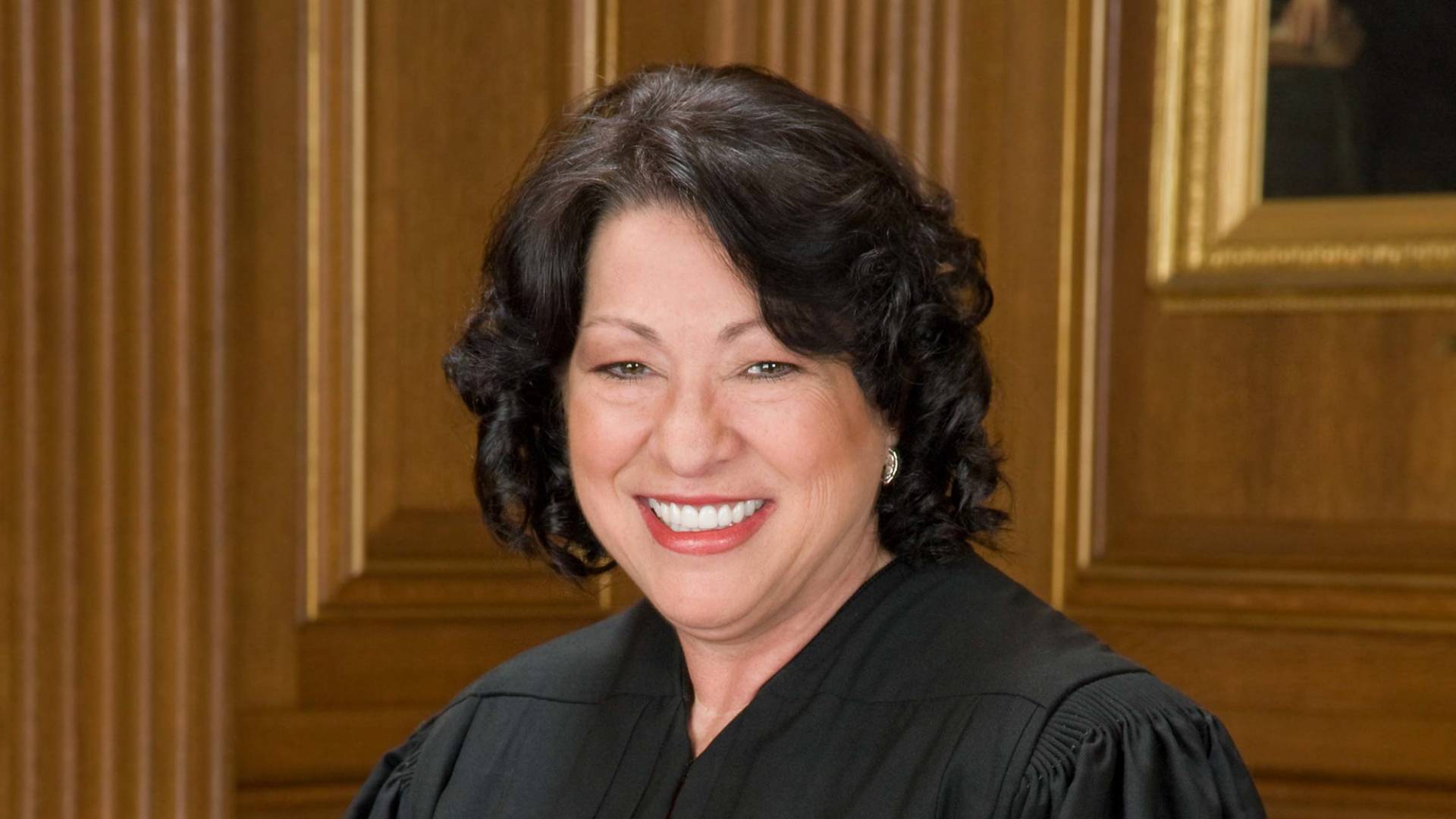
Justice Sonia Sotomayor drafted the main dissent. Justice Jackson wrote separately, and her language is the part that has caught so many readers’ attention.
Jackson warned that the Court’s move “violates well-established precedents concerning this Court’s equitable discretion and needlessly injects chaos and uncertainty into the upcoming midterm elections.”
Then she added the line that is likely to be quoted for years:
“It also lets another shoe drop in the Kafkaesque nightmare that our precedents have been steadily creating for certain plaintiffs who seek to bring election-related challenges.”
Justice Ketanji Brown Jackson
In plain English, her point is not just “I dislike this policy.” It is “the Court’s procedural rules are creating a trap.” If courts demand proof of harm before an election rule is implemented, but also move too slowly to fix problems once harm begins, challengers can get stuck in a loop where there is never a “right time” to sue.
Why voters should care
The order’s structure matters because it does more than address mail delivery. It contemplates a larger federal role in election enforcement and data collection. As described in the litigation, it points toward:
- greater federal scrutiny of state and local officials involved in issuing ballots, framed around policing ballots cast by “ineligible” voters, and
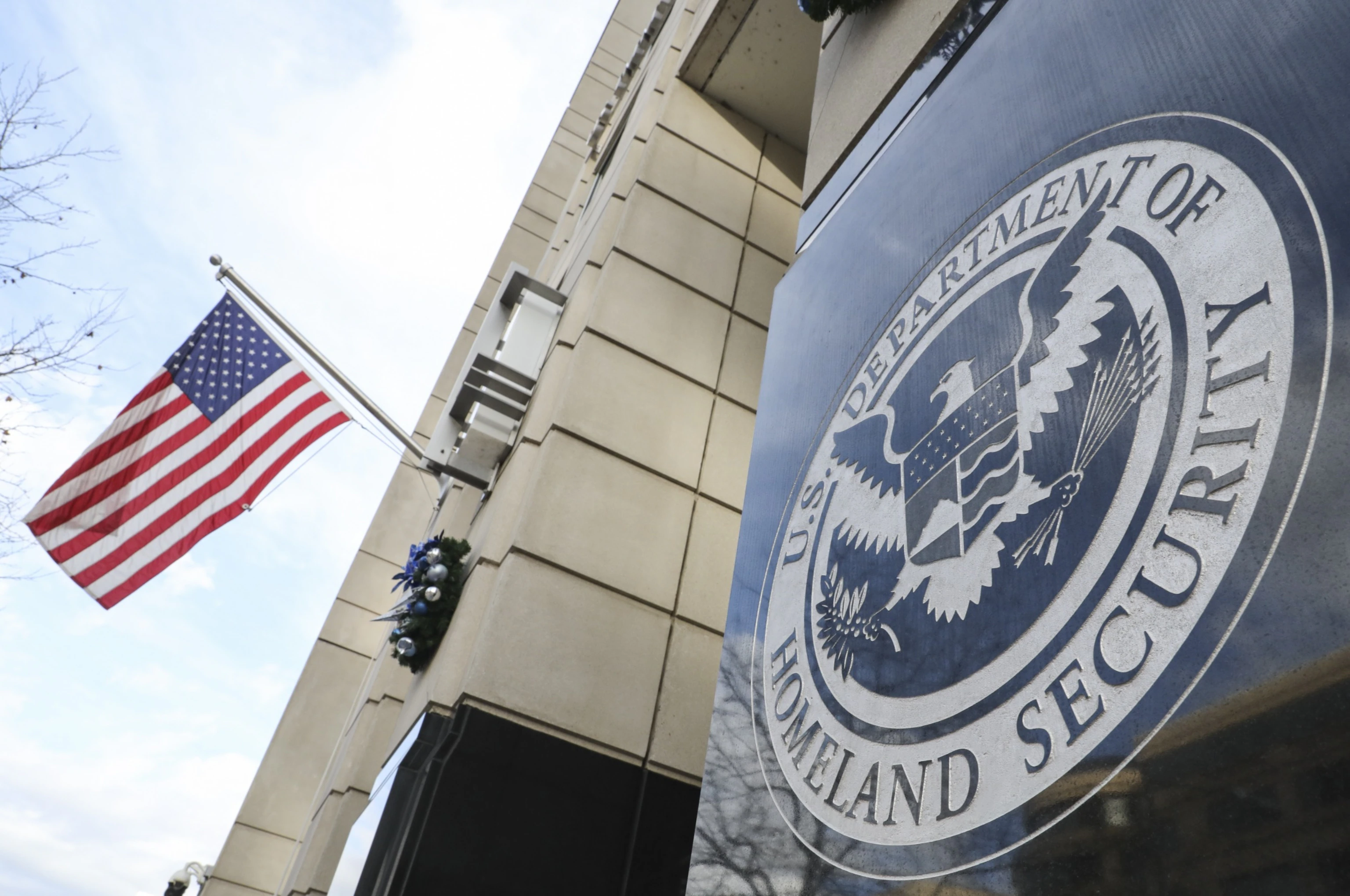
- the involvement of the Department of Homeland Security in building a “state citizenship list” tied to monitoring a federal voter database.
Even if you never mail a ballot, the constitutional questions touch everyone. Our system splits election responsibilities: states run the mechanics of voting, Congress can set certain rules for federal elections, and the federal executive branch is not supposed to unilaterally rewrite the playing field.
That is the basic separation-of-powers anxiety here. An executive order that effectively conditions ballot delivery on compliance with federal demands looks, to opponents, like the executive branch trying to gain leverage over state election administration without a new law from Congress.
What happens next
This is not “case closed.” It is “case complicated.” With at least one injunction still in place, and with more litigation unfolding, the lower courts will continue to test what parts of the policy can operate and when.
Voting-rights advocates involved in League of Women Voters Massachusetts v. Trump have said they intend to keep fighting the order in court. In a statement, counsel and plaintiffs said: “We are committed to protecting the right to vote, including full access to mail ballots for the millions of eligible voters who rely on them,” and added that “President Trump’s attempt to seize control of election rules from the states and Congress is clearly unconstitutional and unlawful, and with today’s ruling, we will continue to vigorously pursue all available avenues to challenge this executive order.”
For everyday voters, the takeaway is practical as well as legal: rules about ballot delivery and eligibility checks can change quickly when courts are acting on emergency dockets. If your state uses mail voting, keep an eye on state election guidance and deadlines, and do not assume last cycle’s process will be identical this cycle.
The bottom line
When a justice reaches for “Kafkaesque nightmare,” she is telling you the system feels designed to frustrate people who are trying to assert rights before it is too late. Whether you agree with her legal conclusions or not, it is a serious warning about timing and accountability.
In a healthy civic environment, election rules should be stable enough for voters to plan, transparent enough for officials to administer, and reviewable enough for courts to correct problems before Election Day. The closer we get to an election with unsettled rules, the more strain we put on public trust.