
Minnesota’s effort to keep ICE agent Christian Castro locked up in Texas hit a wall this week, after a federal judge declined to step in with an emergency order. The ruling denies federal intervention, meaning Castro could be released when his Texas detention period expires Thursday if no rendition warrant is issued and no other court order intervenes.
Join the Discussion
What the judge decided
U.S. District Judge Fernando Rodriguez Jr. denied Minnesota’s request for a temporary restraining order, a fast, short-term form of relief used when a party claims immediate and irreparable harm is imminent.
In his written order, Rodriguez concluded Minnesota did not meet the legal requirements for a temporary restraining order. He also found the dispute was not ready for the federal court to resolve because Texas has not formally accepted or rejected Minnesota’s extradition request.
As the judge put it: “The record reflects only that Governor Abbott has neither agreed nor refused to sign the rendition warrant as to Castro.”

Why release is on the table
Castro has been held in the Cameron County Jail under a 90-day detention period allowed by Texas law. That window expires Thursday.
Cameron County Sheriff Manuel Trevino’s counsel told the court that without a court order stopping it, and without a rendition warrant signed by Texas Gov. Greg Abbott, the jail would have to release Castro when that 90-day period ends.

The Minnesota charges
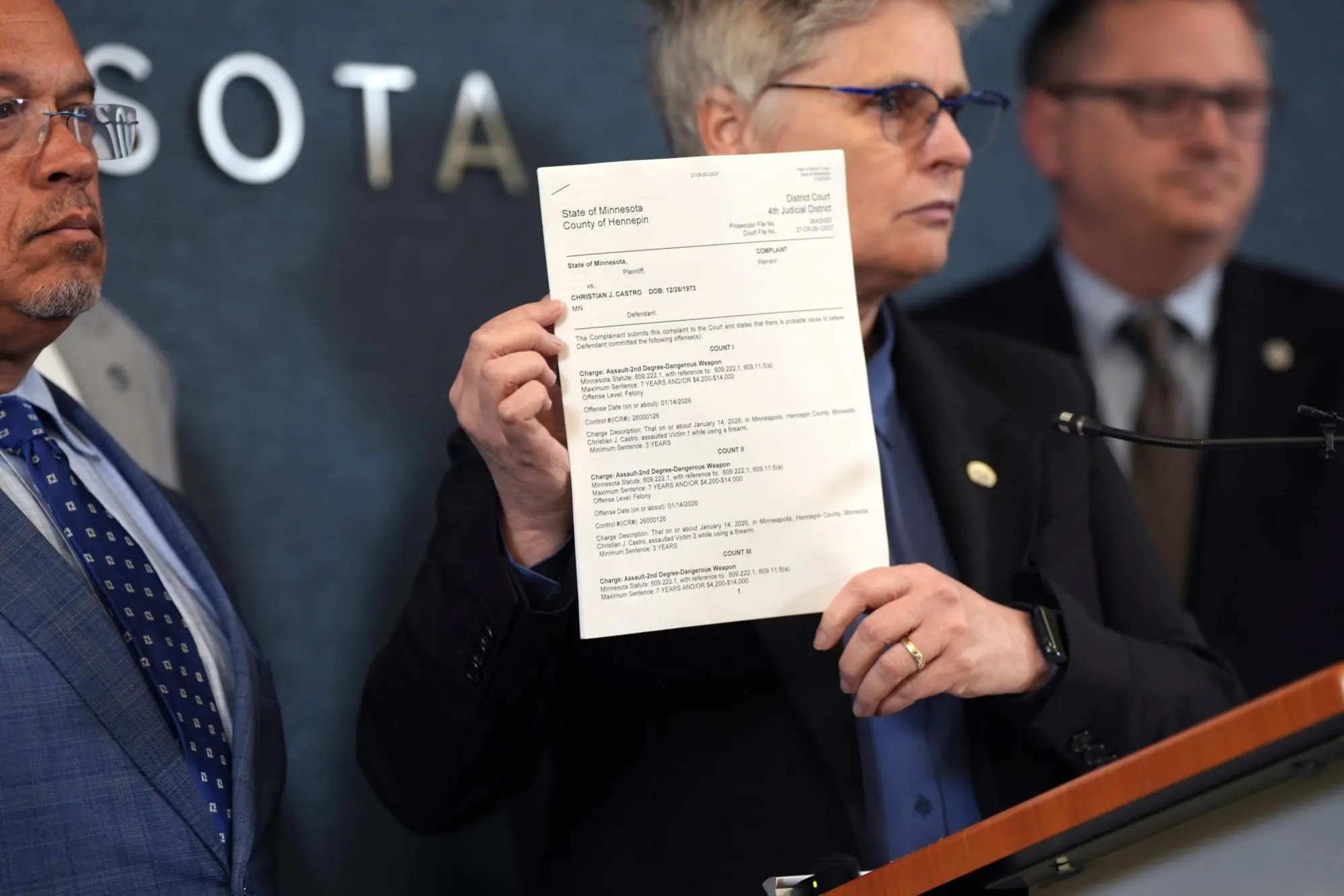
Minnesota prosecutors charged Castro in May with four felony counts of second-degree assault and one misdemeanor count of falsely reporting a crime. The allegations stem from a January ICE operation in Minnesota.
According to the federal court order, Castro fired one shot through the closed front door of a home, injuring a person in the leg. The shooting sparked protests in north Minneapolis and has become part of a broader political and legal battle over whether state authorities can prosecute federal immigration officers for conduct tied to enforcement operations.

What Minnesota asked for
Minnesota formally requested Castro’s extradition in early June, after he was arrested in Cameron County on the state’s warrant. In the federal case, Minnesota asked the court to force Abbott to immediately issue a rendition warrant and prevent Castro’s release while Texas reviewed the paperwork.
One reason Minnesota emphasized was the fear that Castro could flee to Mexico. In court filings, Minnesota pointed to recorded jail calls with a woman described as Castro’s romantic partner who lives in Progreso, Mexico. The order describes Castro discussing buying property and moving to Mexico in the future. Minnesota argued that if he left the country, securing his return could take months or years, delaying prosecution.

Texas’ review and the fugitive question
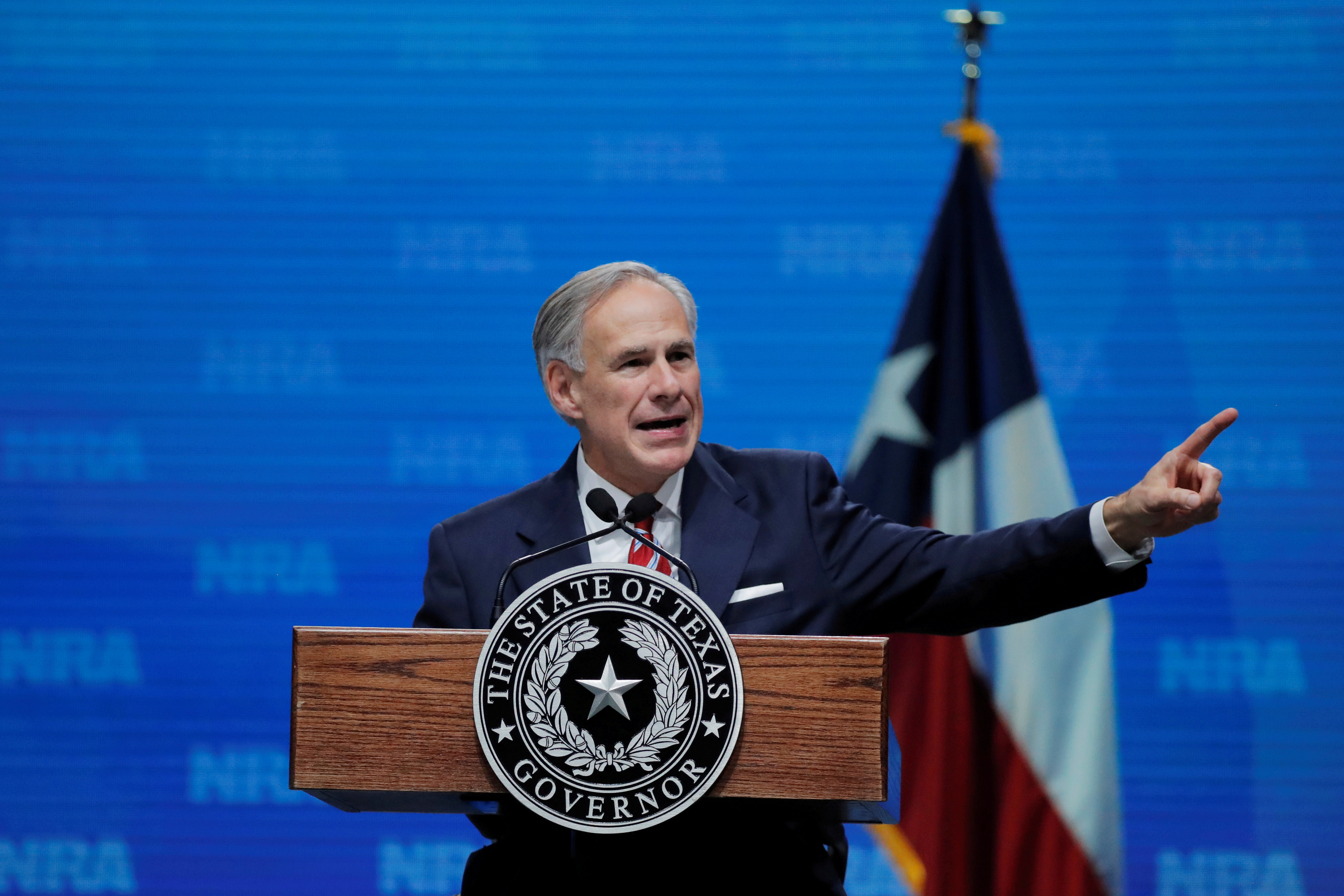
Texas has not yet decided whether to surrender Castro to Minnesota. Abbott directed the Texas secretary of state to investigate whether Castro should be surrendered, a step the judge described as permitted under Texas’ Uniform Criminal Extradition Act.
Rodriguez found that the Constitution and the extradition laws Minnesota relied on do not impose a firm deadline for a governor to complete that review. While the order notes Texas has considered Minnesota’s request for an “atypically-long duration,” the court said Minnesota did not identify a specific time limit Texas was required to meet.
Abbott has also raised questions about whether Castro can be considered a fugitive for extradition purposes because he returned to Texas on orders from federal immigration officials after the January incident. Rodriguez, however, signaled skepticism of that reasoning in a footnote, writing: “The Court has doubts that caselaw supports the construction of ‘fugitive’ that Texas is considering,” and noting that long-standing precedent appears to focus on whether an accused person left the state, not why. The judge added that the issue did not change Wednesday’s decision.
Extradition basics
Extradition is one of those constitutional mechanics most of us never think about until a high-profile case forces it into view. The Extradition Clause (Article IV, Section 2) sets the expectation that states will hand over people charged with crimes in another state.
In practice, the handoff runs through governors, warrants, and state procedures. Disputes can arise over process and timing, including whether the receiving state has completed the steps needed to act on a request. Here, Minnesota asked a federal court to push Texas to move faster and to prevent a release in the meantime. Rodriguez’s ruling turned on a threshold point: because Texas has not yet said yes or no, he concluded the controversy was not ripe for federal court adjudication.
Statements and what happens next
After the ruling, Abbott’s office praised the decision, calling Minnesota Gov. Tim Walz’s request “absurd.” Abbott press secretary Andrew Mahaleris said: “The Constitution requires deliberate consideration of extradition requests and tasks Governor Abbott to ‘decide, upon such evidence as he may deem satisfactory’ whether ‘the person demanded is a fugitive.’” Mahaleris also said: “Today’s order rebuffs Minnesota’s efforts to conscript federal courts into commandeering the authority of Governor Abbott’s office.”
Minnesota Attorney General Keith Ellison responded that the case is not over: “Regardless of today’s ruling, Christian Castro will not escape justice in Minnesota.” Ellison added: “Minnesota should never have had to file this lawsuit or this motion … Abbott is playing with constitutional fire.” He also accused Abbott of “turning Texas into a sanctuary state for violent criminals.”
For now, Castro’s immediate status depends on whether a rendition warrant is issued before the Texas detention period expires. If no warrant arrives and no other order changes the timeline, the Cameron County Jail is expected to release him Thursday.
Quick FAQ
Does the ruling dismiss Minnesota’s criminal case?
No. The ruling addressed Minnesota’s emergency attempt to block release and force immediate extradition action. It does not decide guilt or innocence, and it does not erase Minnesota’s charges.
Is extradition automatic?
The Constitution sets a clear expectation that states will deliver up a person charged with a crime in another state, but the mechanics still run through state procedures, including whether a governor issues a rendition warrant after reviewing the request.
Can a federal court force a governor to extradite?
Federal courts can review certain legal disputes, but Rodriguez concluded Minnesota’s request was premature because Texas had not yet agreed or refused to extradite Castro.