
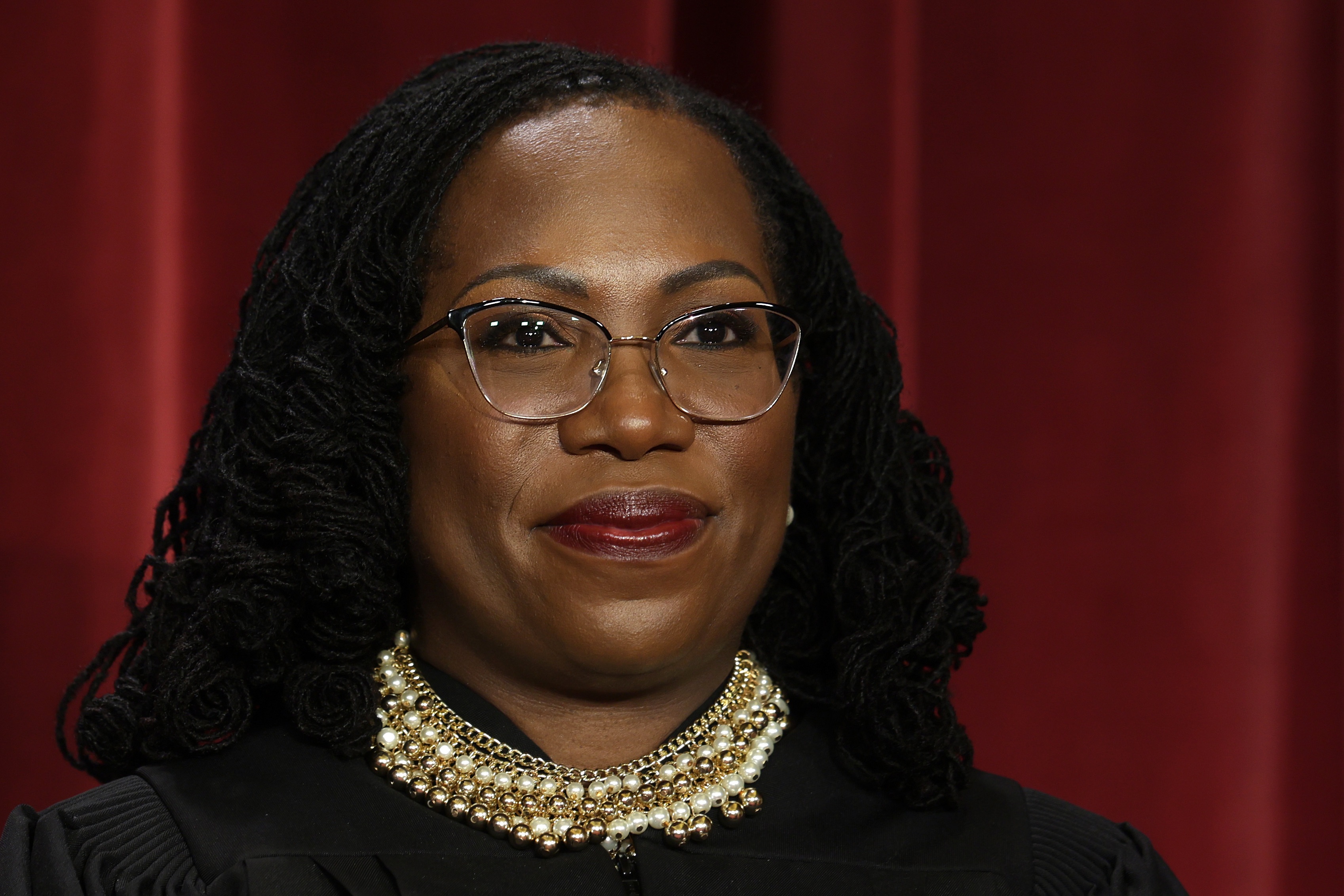
There are phrases you expect to see in a Supreme Court opinion: jurisdiction, standing, irreparable harm, maybe even equity. “Kafkaesque nightmare” is not usually on the list.
And yet on Monday, Justice Ketanji Brown Jackson put those words in writing, in a dissent tied to the Court’s emergency decision involving President Trump’s effort to crack down on mail-in voting. You do not drop a phrase like that because you are in a mood. You drop it when you think the system is becoming so procedurally tangled that ordinary people cannot realistically fight their way through it.
Join the Discussion
What this case is
Start with the basic dispute. In March, President Trump issued an executive order instructing the U.S. Postal Service to not deliver any mail-in ballots from states that refuse to hand over a list of approved voters to the administration. In June, Postmaster General David Steiner implemented that command into a new policy.
Several Democratic-led states went to federal court and won an injunction blocking the order. The district judge, siding with the states, called Trump’s plan to intervene in state elections unconstitutional.
Then the administration ran straight to the Supreme Court. In a 6-3 emergency decision along ideological lines, the Court lifted that injunction, holding the lower court had no authority to block the order.
What the Court did
The core logic of the majority is a familiar one in modern election litigation: the states, the Court said, acted too early. Because the contested voting rules were not yet in effect, the challengers could not prove they would be harmed by rules that had not yet been put into place. The majority’s posture was essentially: we will see what happens. “On that score, time will tell,” they wrote.
That can sound cautious, even modest. But elections do not wait for clean test cases. Waiting for “proof” often means waiting until the damage is done and the remedy is politically radioactive.
And it is worth noting that while one injunction was lifted, another court order blocking the policy remains in place, so the legal landscape is still fractured and fast-moving.
Jackson’s warning
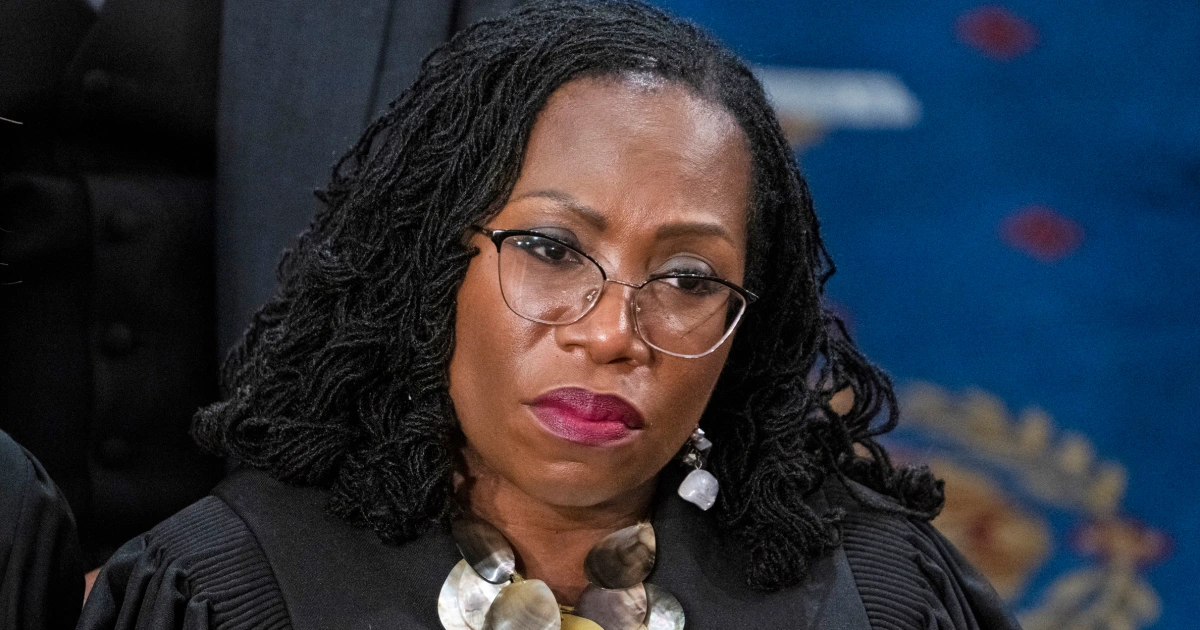
Justice Jackson did not just disagree. She described a deeper pattern, one that should make anyone nervous regardless of party.
“This ruling violates well-established precedents concerning this Court’s equitable discretion and needlessly injects chaos and uncertainty into the upcoming midterm elections,” Jackson wrote in her opinion, which was separate from the main dissent drafted by Justice Sonia Sotomayor. Then came the line that landed like a gavel on the public conscience: “It also lets another shoe drop in the Kafkaesque nightmare that our precedents have been steadily creating for certain plaintiffs who seek to bring election-related challenges.”
That is not a complaint about one executive order. It is an accusation about a legal maze: sue early and you are speculative; sue late and you are disruptive; sue at all and you may be told you picked the wrong procedural doorway. Kafka, for the uninitiated, is the writer who made bureaucracy feel like a locked hallway of doors that all lead to more locked doors.
Why this matters

The Constitution splits authority over elections in a way that practically invites conflict. States administer elections day-to-day, but Congress can regulate the “Times, Places and Manner” of federal elections. The presidency is not granted a general, free-floating power to rewrite election rules by directive.
So when the executive branch uses the Postal Service as leverage against states, you can see the constitutional tension. Is it an integrity measure tied to federal elections? Or is it a coercive end-run around Congress and state governments?
The order also points beyond the mail itself. If it is fully greenlit, it is not hard to imagine the floodgates opening, from the way it seeks to sic the Justice Department on state and local election officials issuing the ballots to the voters, to efforts to get the Department of Homeland Security to create a “state citizenship list” to monitor a federal voter database. That kind of architecture is not just “policy.” It is power.
What comes next
The litigation is not over. Groups challenging the executive order have made clear they intend to keep fighting. In the League of Women Voters Massachusetts v. Trump case, counsel for the plaintiffs stated: “We are committed to protecting the right to vote, including full access to mail ballots for the millions of eligible voters who rely on them. President Trump’s attempt to seize control of election rules from the states and Congress is clearly unconstitutional and unlawful, and with today’s ruling, we will continue to vigorously pursue all available avenues to challenge this executive order.”
In the near term, the immediate question is practical: how many states comply, how quickly, and what happens to voters caught between state instructions and federal mail policy?
In the long term, the question is constitutional: Is the Supreme Court becoming the referee of election rules, or the architect of a system where meaningful review arrives only after the contest has ended?
If “time will tell” is the majority’s comfort, it is also the dissent’s alarm. Time tells. But elections do not rewind.