

There is a question I used to put to my civics students when we hit the “Speech or Debate” Clause in Article I: What, exactly, counts as doing your job in Congress?
This week, a federal appeals court handed down a blunt answer in the case of Rep. LaMonica McIver of New Jersey. If the government’s allegations are true, the court said, physically pushing past and striking federal officers is not a legislative act, even if it happens during an oversight-minded visit to an immigration detention facility.
In a 2-1 decision, a panel of the U.S. Court of Appeals for the Third Circuit refused to toss most of the criminal case the Department of Justice brought against McIver after a chaotic confrontation at Delaney Hall in Newark.
Join the Discussion
The Delaney Hall flashpoint
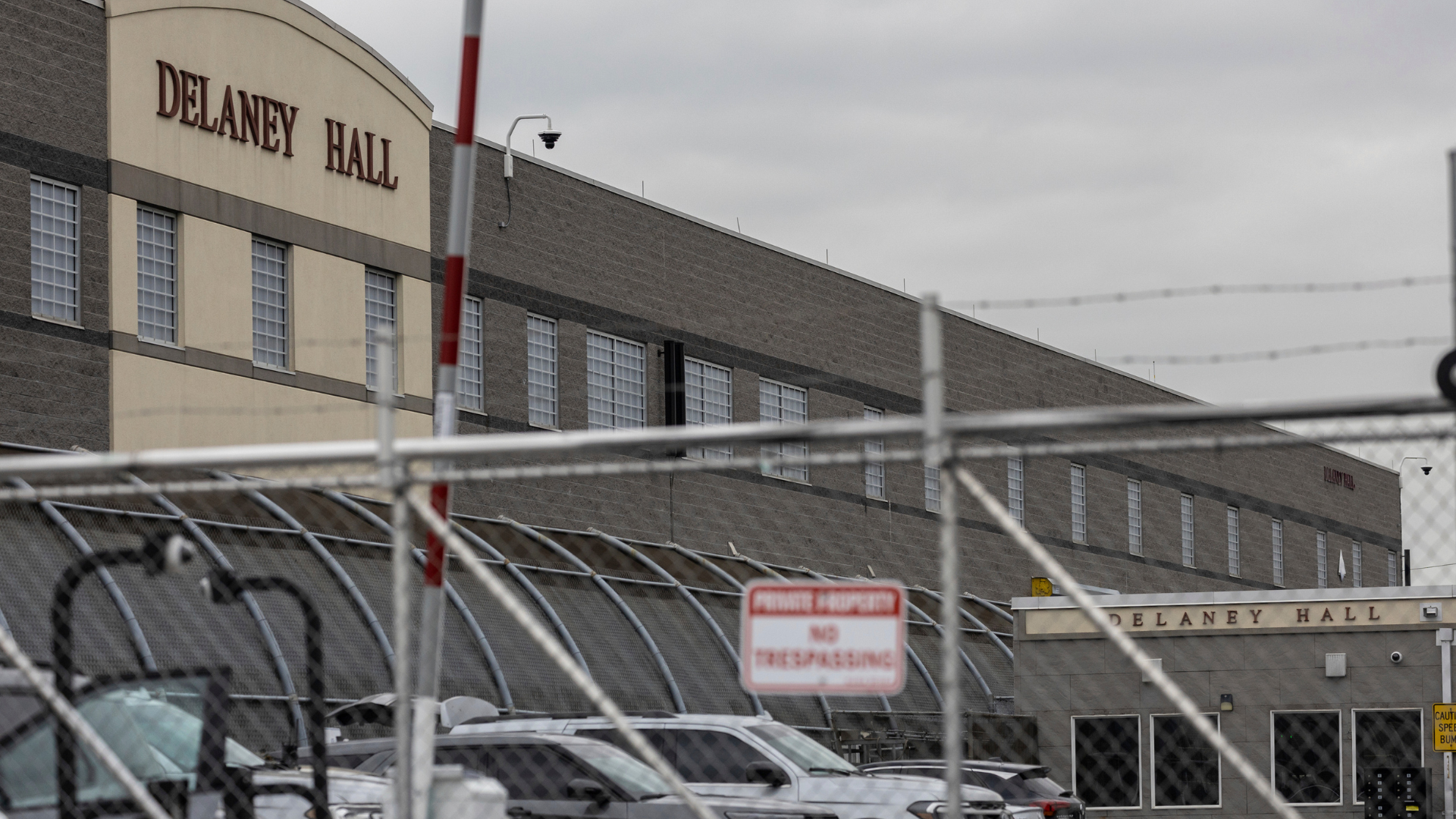
The case traces back to May 2025, when a group of Democratic officials made an unannounced visit to Delaney Hall, an ICE facility in Newark. The visit spiraled into a tense standoff between federal officials and immigration officers. Newark Mayor Ras Baraka was arrested during the clash.
McIver later faced three federal counts that include allegations of assaulting and impeding federal officers during the incident.
What McIver argued: “I was doing oversight”
McIver asked the courts to dismiss the charges on the ground of legislative immunity, a constitutional protection rooted in the Speech or Debate Clause. In plain English, her claim was that what happened at Delaney Hall fell within the protected sphere of a member of Congress carrying out official duties, including oversight of the executive branch.
Her office also criticized the prosecution as unfair, describing it as “vindictive.”
What the Third Circuit said instead
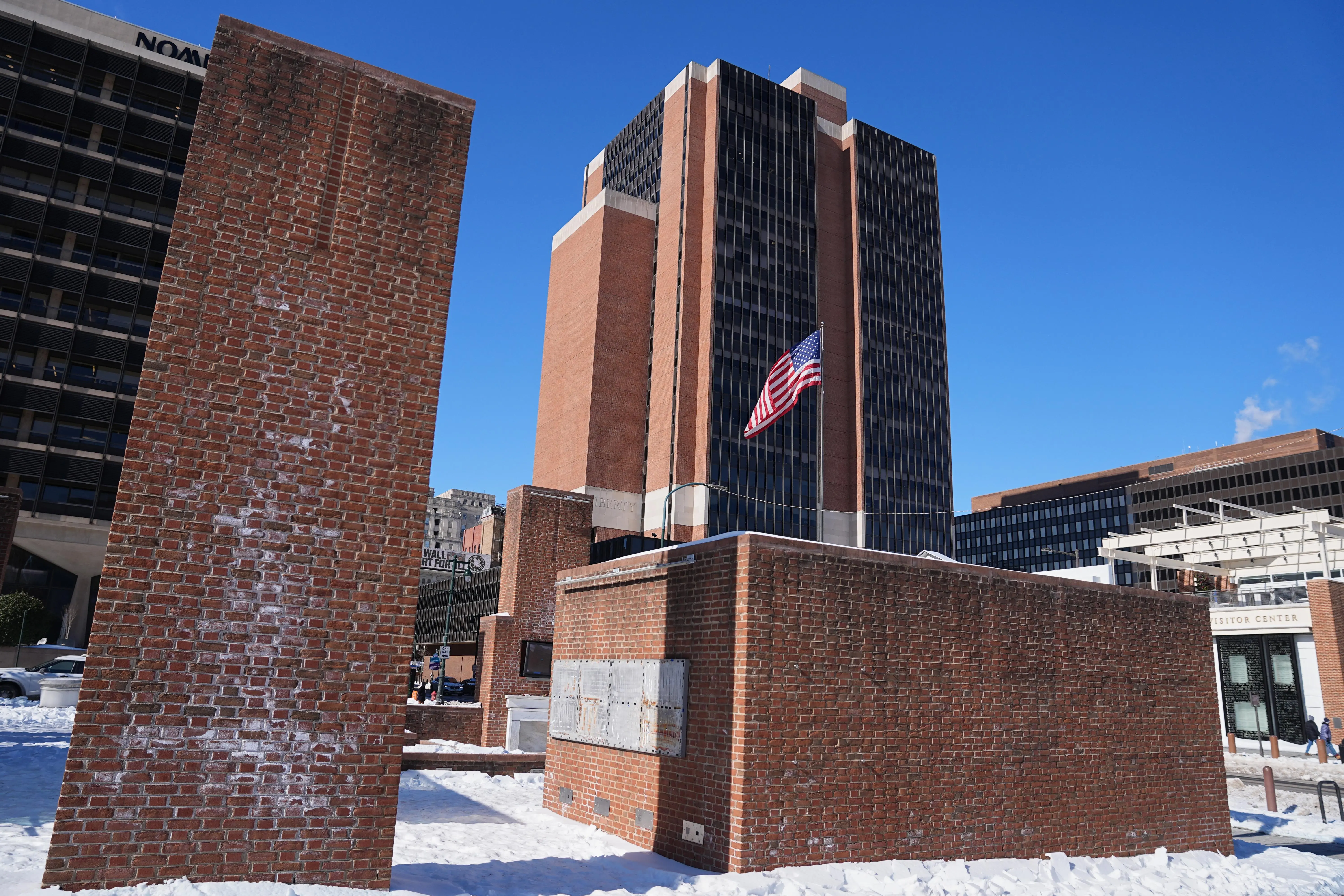
Two judges, Cindy Chung and Stephanos Bibas, concluded that McIver’s immunity argument could not knock out two of the three counts at this stage.
For Count One, court filings alleged that McIver “slammed her forearm” into a federal officer as officers attempted to arrest Mayor Baraka. The panel agreed with a lower court that this alleged intervention had no meaningful connection to a protected legislative function.
For Count Two, the allegation was that McIver used both forearms to strike an officer as she re-entered a secured area. The panel’s bottom line was simple and damning: “Like the acts charged in Count One, the acts of pushing past and forcibly striking someone are unambiguously non-legislative: they are not integral to the legislative process.”
The third count was not treated the same way. The panel sent Count Three back to the lower court for further review, rather than ending it outright.
The dissent: oversight without access is toothless
Judge Thomas Ambro dissented. He framed the problem as an institutional one: when executive-branch officials block a member of Congress from entering a facility, oversight becomes performative.
As he put it, “When an Executive Branch official prevents a Member from entering a DHS facility, she is denied effective access to an oversight inspection.”
The constitutional lesson hiding in plain sight
Legislative immunity is not a magic cloak. It protects lawmakers so they can speak, debate, vote, investigate, and legislate without harassment by prosecutors or political enemies. But it has never been a general license for anything a member does while wearing a congressional pin.
The Third Circuit’s reasoning draws a bright line that has been fading in our modern politics: oversight is real, but so are boundaries. You can demand answers. You can inspect. You can subpoena. You can hold hearings. What you cannot do, at least under the court’s view of these allegations, is recast physical confrontation as “legislating,” simply because it occurred near a policy dispute.
That should trouble both parties, depending on which side of power they expect to be on next. If immunity expands too far, Congress becomes unaccountable. If it shrinks too far, Congress becomes ornamental.
McIver’s response and what comes next
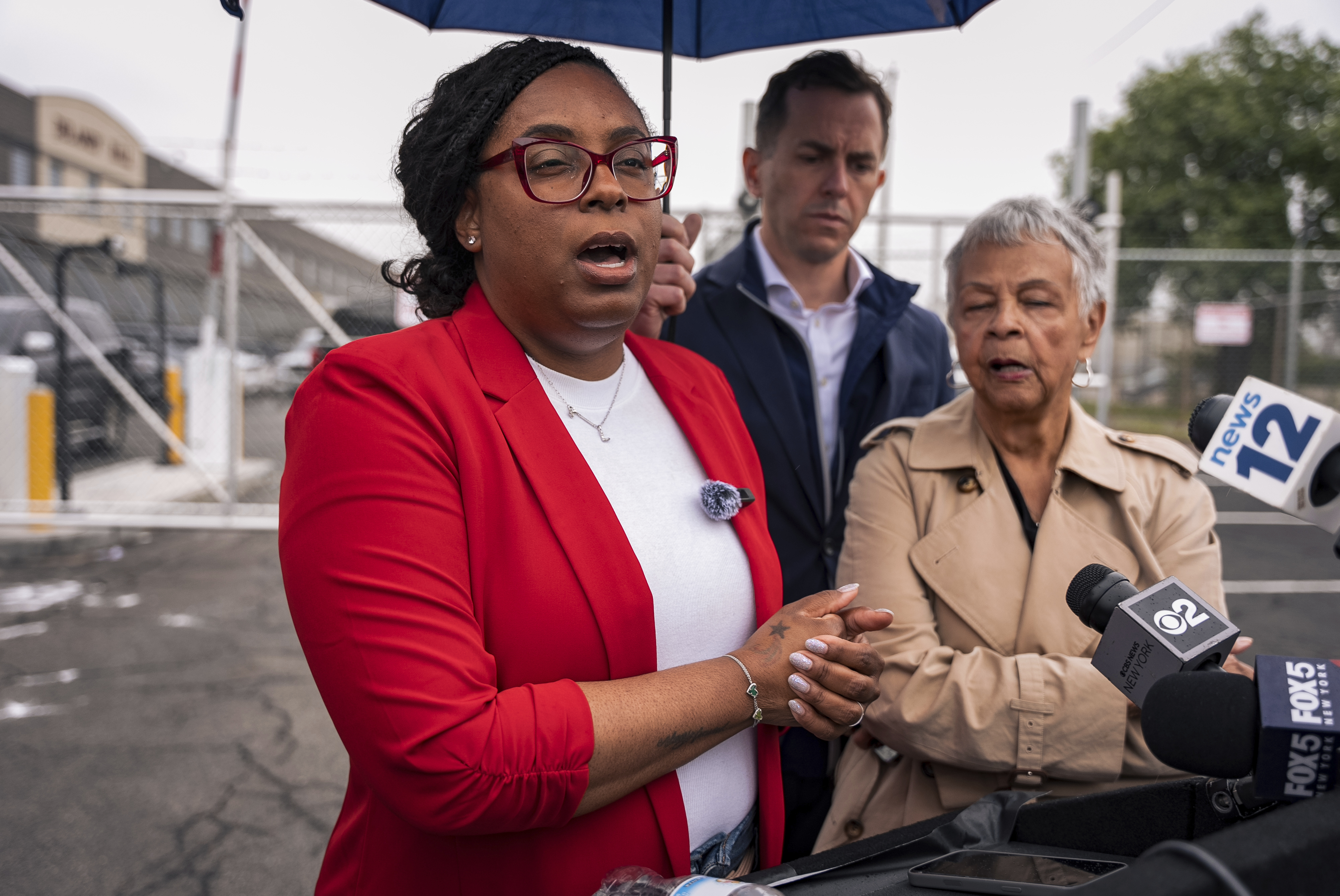
McIver said in a statement that “the court got it wrong” and warned the ruling would chill congressional oversight. “Today’s decision chills that authority and emboldens the Trump administration to continue persecuting our most vulnerable communities, those who try to defend them, and anyone who dares hold the president or his lackeys accountable. I will not fold to this administration. We are exploring every possible option. The administration will not stop me from doing my job or standing for what is right. This is not over,” she said.
Procedurally, the immediate takeaway is narrow but significant: two counts survive the immunity challenge, and one count returns to the trial court for more analysis. Substantively, the decision tees up a familiar constitutional collision, not between Congress and the presidency in the abstract, but between oversight as a constitutional duty and accountability under generally applicable criminal law.