
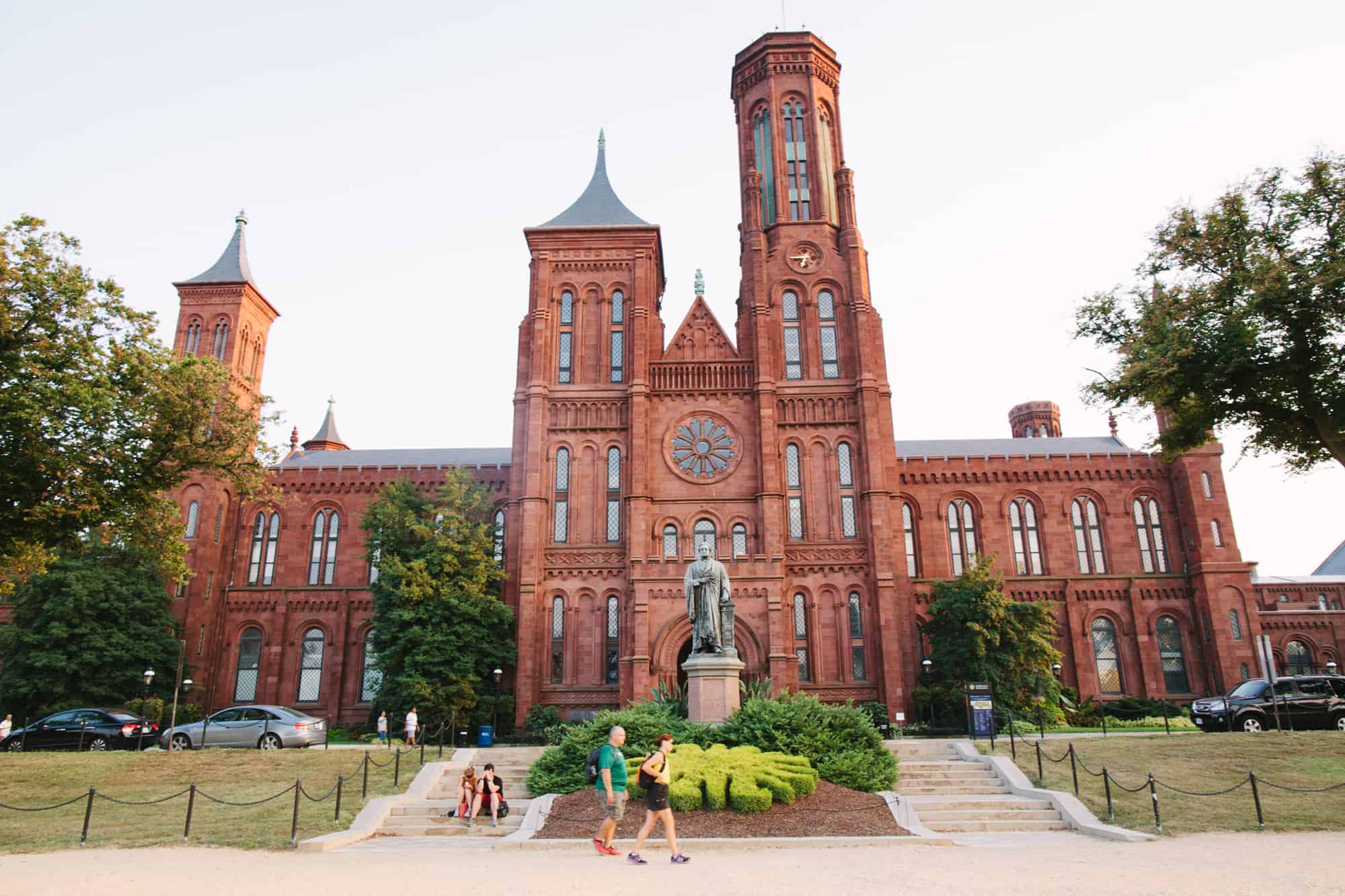
You can feel the constitutional confusion in the question itself: Who controls the Smithsonian?
It looks federal. It sits on the National Mall. It receives federal money. It holds some of the most symbolically charged artifacts in the country. So when a president (or any prominent political figure) publicly urges the Smithsonian to install a particular statue or reshape an exhibit, a lot of Americans assume the answer is simple: the president runs it.
But the Smithsonian is one of those American institutions that lives in the space between categories. It is not the White House’s museum. It is not quite a cabinet agency. It is also not a fully private nonprofit that can ignore the federal government entirely. It is a federally chartered trust instrumentality with its own governance structure, and that structure is the key to what a president can and cannot do.
Join the Discussion
What it is, legally
The Smithsonian Institution traces to James Smithson’s bequest to the United States, accepted by Congress in 1836, and it was established by Congress in 1846 to carry out Smithson’s aim: the “increase and diffusion of knowledge.” Over time it became a sprawling complex of museums, research centers, and the National Zoo.
Legally, the Smithsonian is often described as a federal “trust instrumentality.” That phrase matters because it signals two things at once, even though the label can get nuanced in litigation about whether particular Smithsonian components count as an “agency” for specific statutes:
- It is tied to the federal government. Congress created it by statute and funds significant parts of its operations.
- It is not simply an executive department. Its day-to-day decisions are not made by a cabinet secretary answering to the president.
This hybrid status is why political disputes about exhibits often produce a sense of, “Surely someone in the executive branch can just fix this.” The Constitution does not create the Smithsonian, and it does not assign museum curation to any branch. What exists is what Congress built.
Who governs it
The Smithsonian’s top governing body is its Board of Regents. That is where institutional control lives. If you want to know who can approve major direction, oversee the secretary, and ultimately steer policy, the Board is the answer.
The Board of Regents has 17 members set by statute:
- Statutory federal officials: the Vice President and the Chief Justice of the United States serve as Regents.
- Congressional Regents: three Senators and three House members serve (traditionally connected to congressional leadership).
- Citizen Regents: nine private individuals serve set terms (typically six years) and are selected through a statutory process.
The Smithsonian’s Secretary acts as the chief executive officer of the Institution and is selected by the Regents. That is another key point: the Smithsonian’s top executive is not a presidential appointee in the way a cabinet secretary is.

Is it executive branch?
Not in the way the Department of the Interior or the Department of Education is. The president’s Article II authority is strongest over officers and agencies that are clearly part of the executive branch, where the constitutional logic runs through the Take Care Clause and appointment and removal power.
The Smithsonian sits in a different lane. Its governance is designed to be buffered from direct political command, even while remaining publicly accountable through Congress and a board that includes federal officials.
That does not mean politics never touches it. It means the typical tools of presidential control are weaker.
Can a president order a statue?
A president can ask. A president can campaign publicly. A president can use the bully pulpit to frame a dispute about national memory as a dispute about national identity.
But the clean, direct legal power to command is not there the way it would be if the Smithsonian were a standard executive agency.
To “order” an exhibit change in the strict sense, you would need one of the following:
- Smithsonian leadership chooses to do it through internal governance, professional standards, and curatorial processes.
- The Board of Regents directs it as an institutional decision (typically at the level of policy and leadership oversight, not line-by-line exhibit editing).
- Congress changes the law or uses funding conditions to force or incentivize outcomes.
A president acting alone, without cooperation from the Regents or Congress, is mostly left with persuasion rather than command.
Congress’s direct lever
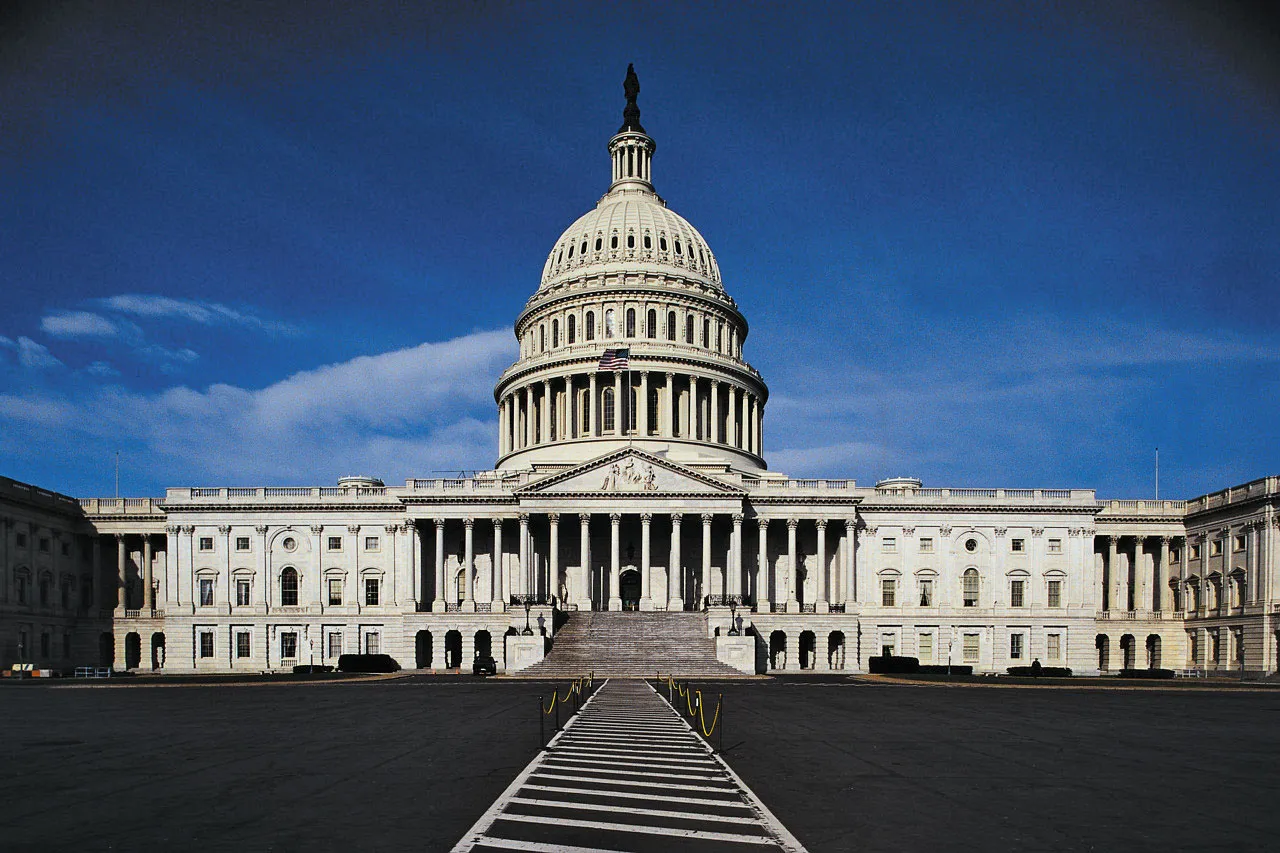
If you want the constitutional mechanics behind cultural institutions, start with Congress. Article I gives Congress the power to tax and spend, and in practice that means Congress can fund museums, research, buildings, staffing, and security.
Congress’s most direct formal lever is funding and oversight. That relationship creates two realities at once:
- Congress can support institutional independence by writing appropriations that keep the Smithsonian stable and professionally managed.
- Congress can apply pressure by attaching conditions to funding, demanding reports, holding oversight hearings, or threatening cuts.
This is why fights about exhibits often migrate to Capitol Hill. Congress may not curate artifacts, but it can make life easier or harder for the institution that does.
There are limits, though. Congress cannot use funding conditions as an end run around other constitutional rights and structural constraints. And even when conditions are legal, they can create a different problem: if politicians can micromanage exhibits through appropriations, the Smithsonian starts to look less like a steward of knowledge and more like a scoreboard for whichever coalition has power that year.
What about executive orders?
Executive orders are instructions from the president to the executive branch. They work best when the president clearly controls the people receiving the instruction.
Because the Smithsonian is not a typical executive agency, an executive order is not a magic key that forces a specific exhibit choice. A president could still issue directives to executive branch agencies that interact with the Smithsonian in limited ways, such as coordinating events, security, or interagency support. But “install this statue in this hall by this date” is a different kind of command, and it runs into the basic governance fact that the Smithsonian is not staffed and led as a presidential chain of command.
How presidents influence it
Yes, just not with a simple on-off switch. Presidents have several indirect tools, some formal, some political:
1) Public persuasion
Presidential attention can change the incentives for institutional leaders, especially when the issue is symbolic and widely covered. Museums do not operate in a vacuum. They operate in a country.
2) Working with allies in Congress
If members of Congress want the same change, pressure can become oversight, and oversight can become funding leverage.
3) Regents and relationships
The Board includes federal officials and citizens who exist in the same civic ecosystem as presidents, donors, and lawmakers. Influence often looks like relationships, not orders.
4) Appointments, but not the way you think
Because the Smithsonian is governed through Regents and selects its own Secretary, the classic “I will appoint my person and fix this” model is not clean. Influence is possible. Direct staffing control is limited.
Where the authority lives
Most of the Smithsonian’s core legal framework lives in the U.S. Code, in the provisions dealing with the Smithsonian Institution (commonly organized under Title 20). That is the practical reason the Smithsonian’s “who decides” questions tend to be statutory and structural, not purely constitutional.
Does the First Amendment apply?
This is where the conversation gets tricky, because people tend to treat “the First Amendment” as a universal shield, when it is more like a set of rules about who is speaking and who is controlling the forum.
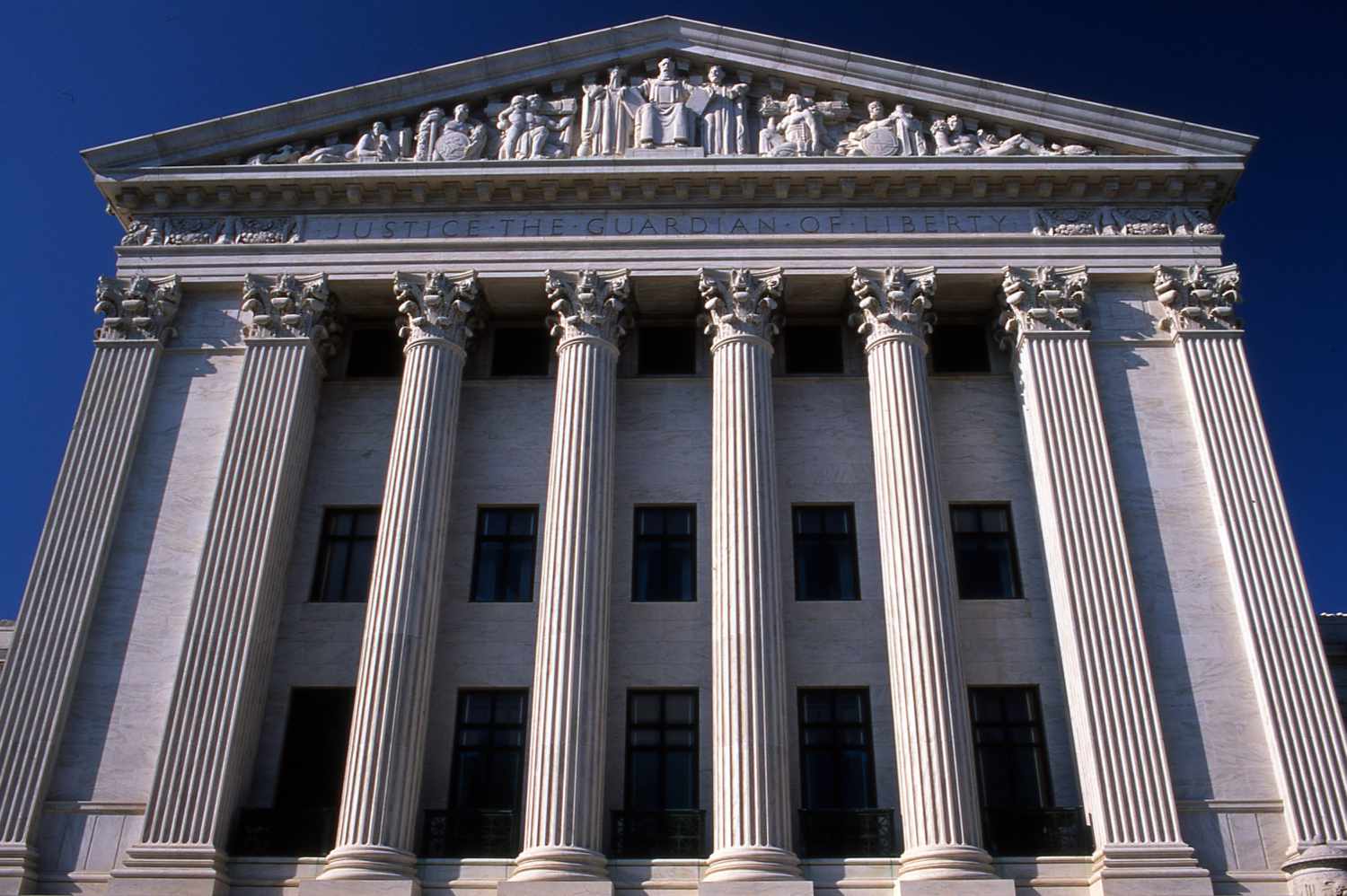
For Smithsonian-curated exhibits, the strongest analogy is usually government speech, a doctrine the Supreme Court has discussed in cases like Pleasant Grove City v. Summum (permanent monuments) and Walker v. Texas Division, Sons of Confederate Veterans (specialty license plates). The core idea is that when the government is speaking, it has more latitude to choose its message.
For outside speakers or events on Smithsonian property, the analysis can shift toward public forum rules: is the space open to general expressive activity, or is it a controlled venue with selective access? That distinction matters because restricting a private speaker in a public forum can trigger a much more demanding First Amendment test than choosing what the Smithsonian itself will say in its own curated displays.
Even so, the more immediate constraints on presidential involvement are often structural and statutory: who has the legal authority to decide, and what process is required.
Why the Constitution matters
At first glance, this looks like a purely cultural argument: one statue versus another, one interpretation of American identity versus a different one.
But underneath that is a constitutional design question Americans run into again and again: When something is publicly funded and symbolically national, who gets to decide what it says?
Our system answers that question by splitting power:
- The president is powerful, but not all-powerful, and not in every institution with a flag out front.
- Congress can fund and oversee, but it is not built to do fine-grained curation.
- Independent or semi-independent governance structures exist precisely because we do not want every national institution to become a rotating political trophy.
The Smithsonian, like the Federal Reserve or the Postal Service in different ways, is an example of the American habit of creating entities that are connected to government but insulated from direct daily control. That insulation is not a guarantee of perfect decisions. It is a hedge against whiplash.
Frequently asked questions
Who controls the Smithsonian?
The Smithsonian is governed by its Board of Regents, which oversees the Institution and selects the Secretary. Congress created the structure and funds major operations, which gives Congress significant leverage.
Can the president tell the Smithsonian what to display?
The president can publicly request, pressure, or advocate. But the president does not have the same direct command authority over Smithsonian exhibits that he would have over a typical executive agency program.
How is the Smithsonian funded?
The Smithsonian receives substantial federal appropriations, alongside other sources such as private donations, grants, and revenue from operations. Federal funding is why Congress’s oversight and appropriations power matters so much.
What is the Board of Regents?
It is the Smithsonian’s governing board, created by statute. It has 17 members: the Vice President, the Chief Justice, three Senators, three House members, and nine citizen Regents serving set terms. It is the primary locus of governance and accountability.
Can the White House influence exhibits at all?
Yes, but mostly indirectly, through public leadership, relationships, and collaboration with Congress. The Smithsonian’s design intentionally makes exhibit decisions harder to command by fiat.
The takeaway
There is a reason the Smithsonian does not sit neatly under a presidential organizational chart. It is supposed to be a steward of a national inheritance, not a daily extension of any administration.
That does not mean presidents cannot try to shape it. They can. They will. And sometimes they will win, not because they had formal authority to command, but because they persuaded the people and institutions that do.
In constitutional terms, that is the difference between power and control. The presidency is built for the first. The Smithsonian was built to resist the second.