
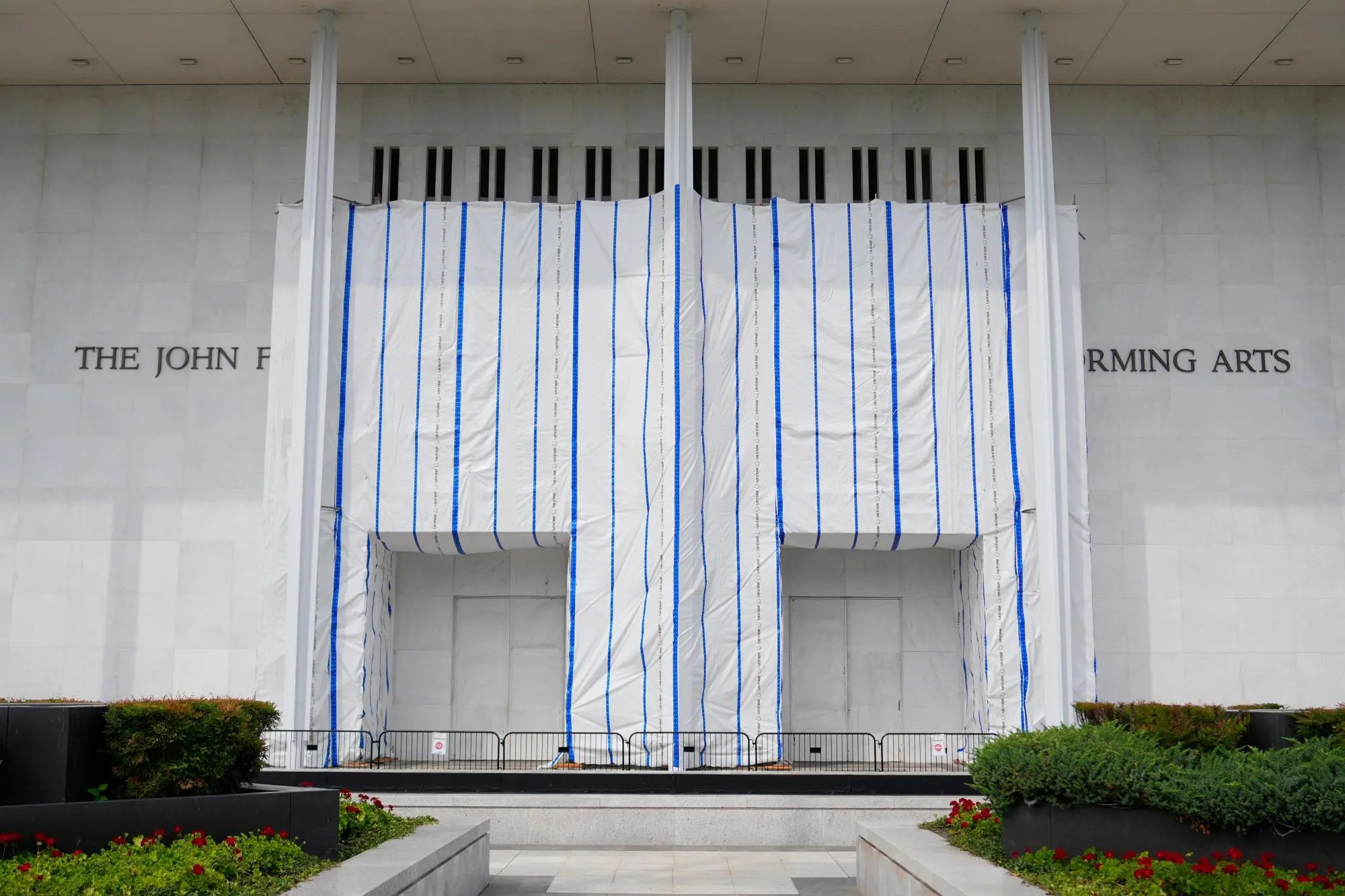
The John F. Kennedy Center for the Performing Arts is often treated like a city landmark: a big building on the Potomac that hosts big shows. Legally, it has an unusual hybrid status, and the details matter. The Kennedy Center was created by federal statute as the nation’s cultural center, operates under a federal charter, and is governed by a Board of Trustees whose core structure is set by law.
That is why a dispute over a renovation can quickly become a dispute about authority and process. When a major construction project has a federal hook, meaning a legally meaningful tie to federal money, federal property responsibilities, or required federal approvals, the fight is not resolved by messaging alone. It is resolved through the governing statute, appropriations terms, whatever contracting rules apply to that specific project, and sometimes a courtroom where a judge can issue an injunction that pauses work while the legal questions are sorted out.
Join the Discussion
What is it, legally?
The Kennedy Center is not a typical private nonprofit, and it is not a standard cabinet agency either. Congress established it by federal law as the nation’s cultural center and gave it a federal charter. The Center’s statutory framework is codified in the U.S. Code at 20 U.S.C. §§ 76h–76r (as currently codified, subject to later renumbering).
That charter matters because it answers questions that ordinary arts organizations decide privately:
- Who is in charge (a Board of Trustees structured by statute, including specified categories of trustees and ex officio officials).
- What the institution is for (a congressionally defined public mission, not simply whatever a private board chooses year to year).
- How money can flow (including federal appropriations for certain costs, alongside private donations and earned revenue).
- What rules can attach (when federal dollars, federal property responsibilities, or federal approvals are part of a project, federal legal requirements can follow).
The simplest way to think about it is this: the Kennedy Center is a cultural institution built into a federal legal framework. That does not make it “owned” by any single president or party. It does mean its governance and major capital work can be shaped by statutes, appropriations, and other federal constraints in a way private venues never face.
Who runs it day to day?
Control is shared, and that is by design.
The Board of Trustees
The Kennedy Center is governed by a Board of Trustees whose composition is set out in federal law. Under 20 U.S.C. § 76h, the Board includes presidentially appointed “general” trustees who serve fixed terms, along with specified ex officio members and other statutory participants. The commonly cited figures are 36 presidentially appointed general trustees serving six-year terms, but those specifics should be confirmed against the current statutory text and any later amendments before treating them as dispositive in a live dispute.
Not every statutorily listed participant is necessarily a voting trustee in the same way a presidentially appointed general trustee is, so it is worth checking the current statutory text and the Center’s governing documents for precise voting and role distinctions.
The board sets high-level policy, approves major strategic moves, and oversees top management.
Management and administration
Like any large performing arts institution, the Kennedy Center has professional leadership and staff who run programming, fundraising, operations, and facilities. The President’s influence typically runs through trustee appointments and whatever leadership role the charter assigns within the board’s structure, not through direct operational control of programming or facilities on a day-to-day basis.
Congress, through funding and conditions
Congress does not pick the season lineup, but Congress can shape what is possible by controlling appropriations. When lawmakers provide federal money for operations, maintenance, or capital repairs, they can attach legally binding conditions. Congress can also amend the governing statute if it chooses to restructure the Center’s governance model itself.
One more layer matters: internal governance documents, bylaws, and policies can fill in details, but they cannot override what the statute requires.
Property and federal interests
“Federal property interests” can sound abstract, but it is often the practical reason renovation disputes become legal disputes. The Kennedy Center was authorized by Congress and is tied to federal responsibilities in the charter itself. Under 20 U.S.C. § 76i, the statute assigns responsibility for maintaining, operating, and repairing the Center’s facilities (phrased in statutory terms that should be read closely for who, exactly, is charged with which duties).
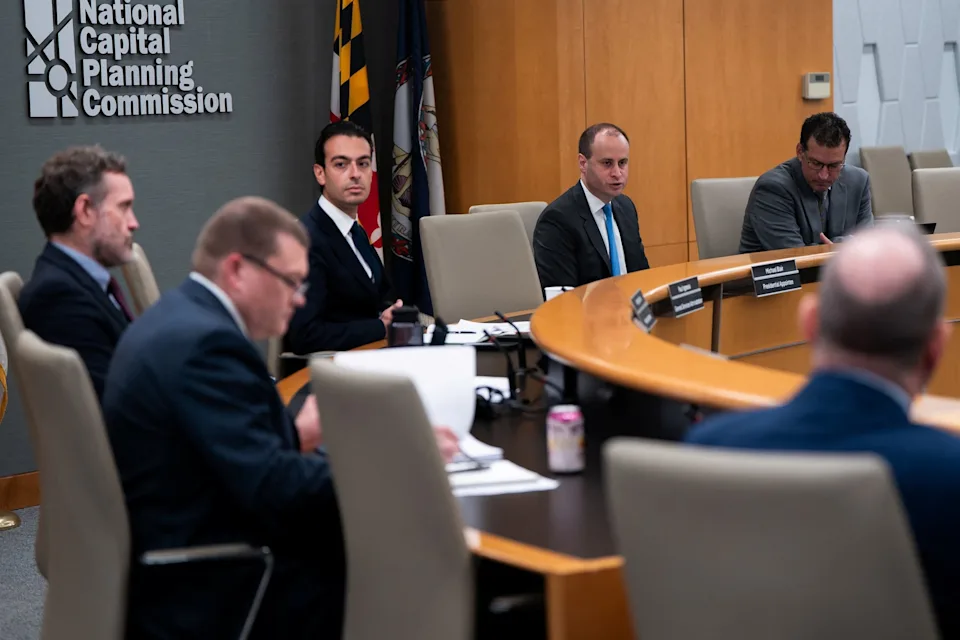
And because the site sits in the monumental core of Washington, major campus changes can implicate federal planning and design review, including the National Capital Planning Commission (NCPC) and the U.S. Commission of Fine Arts, depending on what is proposed and what approvals are required. In practical terms, that can mean things like NCPC site and building plan review and CFA design review for prominent projects on or near major federal sites.
For readers, the key point is not the real estate paperwork. It is the consequence: when a project implicates federally connected property responsibilities or required federal approvals, you can end up in a federal-law world even if private donations are also paying part of the bill.
What rules can apply to a renovation?
Renovations are where governance questions become concrete. A major project can involve:
- Direct federal appropriations, when Congress allocates money for maintenance, repair, or capital improvements.
- Private donations, which may come with donor restrictions and naming rights, but still must be integrated into a project that may involve federal conditions or approvals.
- Project-specific federal requirements, triggered by the facts that connect the work to federal authority, federal approvals, or federally conditioned funding.
For example, if Congress provides a line-item appropriation for capital work at the Kennedy Center and the project also requires a federal approval with meaningful federal control or responsibility, challengers will often argue the project includes a federal action or federal undertaking. That kind of hook can bring environmental or historic-review obligations into play, depending on what is being changed and who must approve it. Importantly, federal appropriations alone do not automatically trigger NEPA. The usual question is whether there is a “major federal action” with sufficient federal control or responsibility.
Whether federal procurement rules apply is also fact-specific. GAO bid protests and the U.S. Court of Federal Claims most clearly fit when a federal agency is the procuring activity. When the Kennedy Center contracts in its own name under its congressionally chartered structure, protest avenues may instead turn on the Center’s own procurement policies, the contract’s terms, and potentially applicable non-federal law, unless an agency is sufficiently involved to make the procurement effectively federal.
On reviews like NEPA and the National Historic Preservation Act (including Section 106), the trigger questions are typically whether there is a federal action (NEPA) or a federal undertaking (NHPA). For a project at the Kennedy Center, what can matter includes required approval by a federal agency, federal funding paired with federal control over key decisions, or work that affects a federally connected asset. The details drive the answer.
Accessibility is another common renovation trigger. Depending on the facility and the legal framework for the particular project, compliance obligations can arise under the Architectural Barriers Act (for federally associated facilities and federally funded design, construction, or alteration) and, in some settings, under the ADA and Rehabilitation Act frameworks. In general terms, ADA Title III often targets places of public accommodation, while federal facilities and federally funded programs and alterations more commonly raise ABA and Section 504 questions. The right label depends on who owns or operates the relevant space and how the project is funded and approved.
So when people argue about whether the building is “decrepit,” they are not only arguing about aesthetics. In capital-project disputes, that kind of claim can become shorthand for urgency. Urgency arguments, in turn, are often used to justify faster timelines. The legal question is still whether the chosen process matches the framework that applies to that specific project.
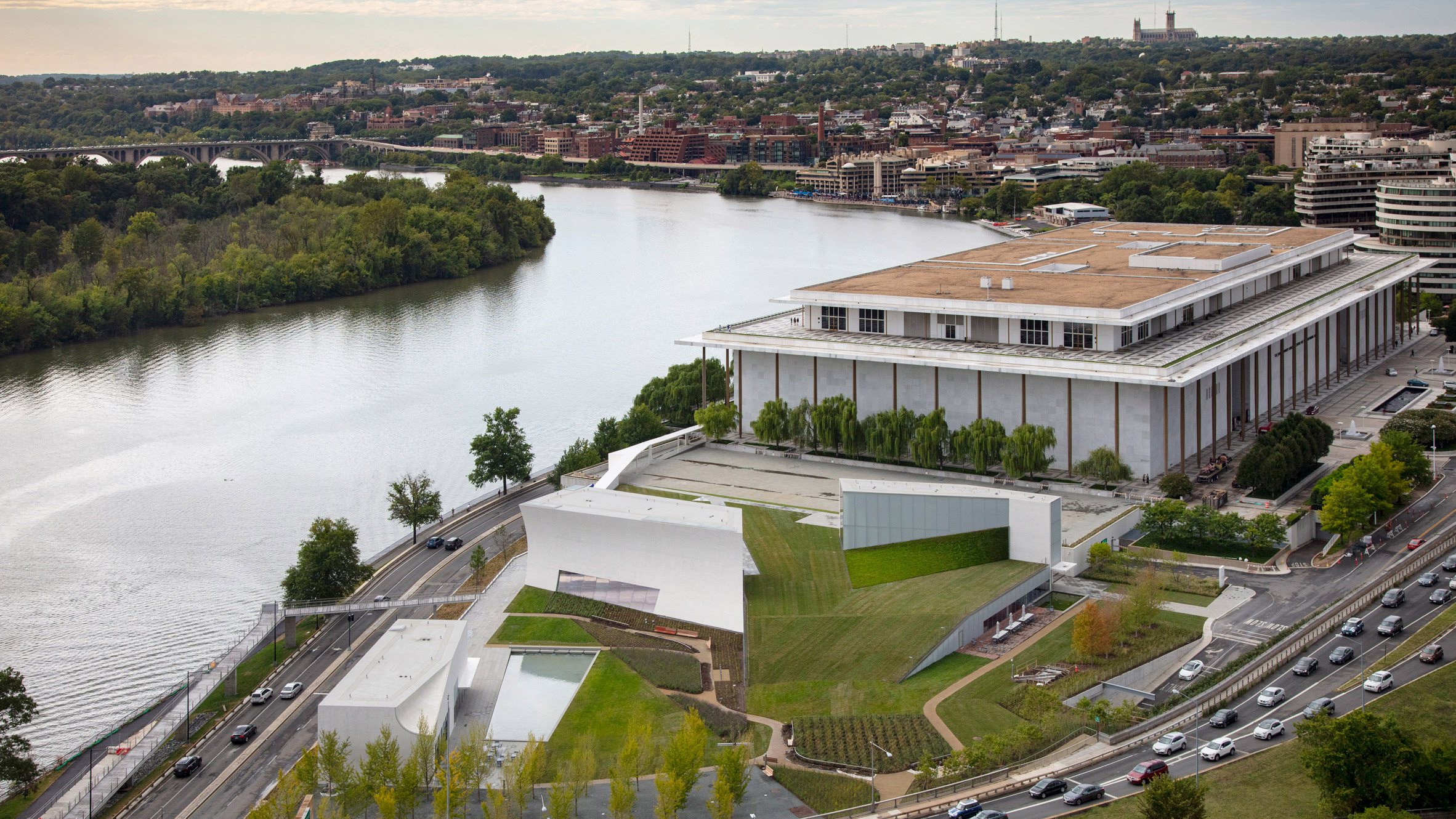
One concrete example helps. The Kennedy Center’s REACH expansion is a modern reminder of how these projects actually happen: a large, public capital project with design, construction, and philanthropic fundraising, and an approvals-and-oversight reality that is more complex than “a venue decided to renovate.” In practice, projects of that scale in Washington commonly run through bodies like the NCPC and the U.S. Commission of Fine Arts for planning and design review, alongside the Center’s own board-driven decision-making and whatever funding conditions apply. You do not need to know every permit number to see the pattern. Big projects at the Kennedy Center tend to sit at the intersection of private money, public responsibilities, and process constraints that invite scrutiny.
Why a judge can pause a renovation
A federal judge cannot redesign the Kennedy Center. But a judge can stop a government actor, or a federally governed entity acting under federal authority, from taking certain steps if the law appears to have been violated and the harm cannot be repaired later with money alone.
That is the logic of an injunction. In construction, “later” can be meaningless. Once a contract is performed, demolition begins, or a feature is removed, the change can be practically irreversible. Courts treat that as a classic setting for emergency relief.
In federal court, the familiar injunction factors typically include: likelihood of success on the merits, irreparable harm, the balance of equities, and the public interest. The weighting can vary by context, but that basic framework explains why judges sometimes freeze activity to preserve the status quo while deciding what the law requires.
Common legal pathways
- Procurement and contracting challenges: A losing bidder may bring a bid protest, but venue and standing are specific. Many protests run through the GAO or the U.S. Court of Federal Claims, but that path is most straightforward when the challenged award is a federal agency procurement. If the Kennedy Center, rather than a federal agency, is the contracting entity, the forum and remedies can differ and are often highly fact-specific.
- Administrative law claims: If a renovation requires approvals by a federal agency, challengers may argue the agency action was unlawful under the Administrative Procedure Act. Whether the APA is in play depends on whether there is final agency action and whether the plaintiff can clear standing hurdles.
- Appropriations and authority disputes: If the renovation relies on appropriated funds, plaintiffs sometimes argue spending exceeded statutory authority or violated express conditions Congress placed on the money. These cases can turn on narrow questions about what Congress authorized and who may enforce it.
Who can sue is often the gatekeeper issue. Depending on the claim, plausible plaintiffs can include competing bidders, nearby residents who can show concrete injury (sometimes), disability-access plaintiffs, or preservation and environmental groups. General political disagreement, by itself, usually does not create standing.
In other words, judicial intervention does not require a judge to have an opinion about art. It requires a credible legal claim in a court with jurisdiction, brought by a plaintiff with standing, that a governing rule was not followed.
What “conflicted judge” means
When injunctions issue, parties sometimes attack the decision-maker as well as the decision. “Conflicted judge” is a charged phrase in political discourse. In law, it has a narrower meaning: whether the judge must recuse under federal ethics rules because of a disqualifying interest or relationship.
Federal judicial recusal is governed primarily by 28 U.S.C. § 455, which requires a judge to step aside when their impartiality might reasonably be questioned, including situations involving financial interests, certain relationships, or prior involvement in the matter. Another statute, 28 U.S.C. § 144, provides a mechanism for seeking recusal based on alleged personal bias or prejudice supported by an affidavit, subject to strict procedural requirements.
Two points are easy to miss:
- A recusal fight is not the merits. A judge can be wrong or right on an injunction without being disqualified. Disqualification is about impartiality, not outcome.
- Recusal is reviewable, but it is not automatically case-ending. If a judge denies recusal, that decision can sometimes be reviewed on appeal or through extraordinary writ practice, depending on posture and circuit rules.
So when you see claims that a judge is “highly conflicted,” the legally meaningful question is not whether someone is angry about the ruling. The question is whether the specific statutory grounds for recusal are actually present and supported.
Separation of powers
The Constitution does not mention the Kennedy Center. But constitutional structure can still matter at the edges, because the Center sits at the intersection of Congress’s power to legislate and spend, the executive’s role in implementing federal law, and the judiciary’s role in resolving cases.
Congress creates and funds
Under Article I, Congress holds the power of the purse. When Congress appropriates funds for national cultural institutions, it can limit, expand, or redirect that funding. It can also revise the Center’s charter, including governance details, subject to constitutional constraints.
The executive implements
Depending on how the statute is written and how federal funds are administered, the executive branch may play roles in appointing trustees, executing federal property responsibilities, and implementing decisions tied to federal money or approvals. But the executive cannot spend money that Congress has not appropriated and cannot ignore statutory conditions just because a project feels urgent.
Courts review legality
Courts are not cultural policymakers. They decide cases and controversies. If a plaintiff with standing brings a claim within a court’s jurisdiction, the court can interpret the statute, evaluate the process, and order compliance. That is not courts taking over the arts. That is judicial review doing what it has done since Marbury v. Madison: saying what the law is and requiring government actors to follow it.
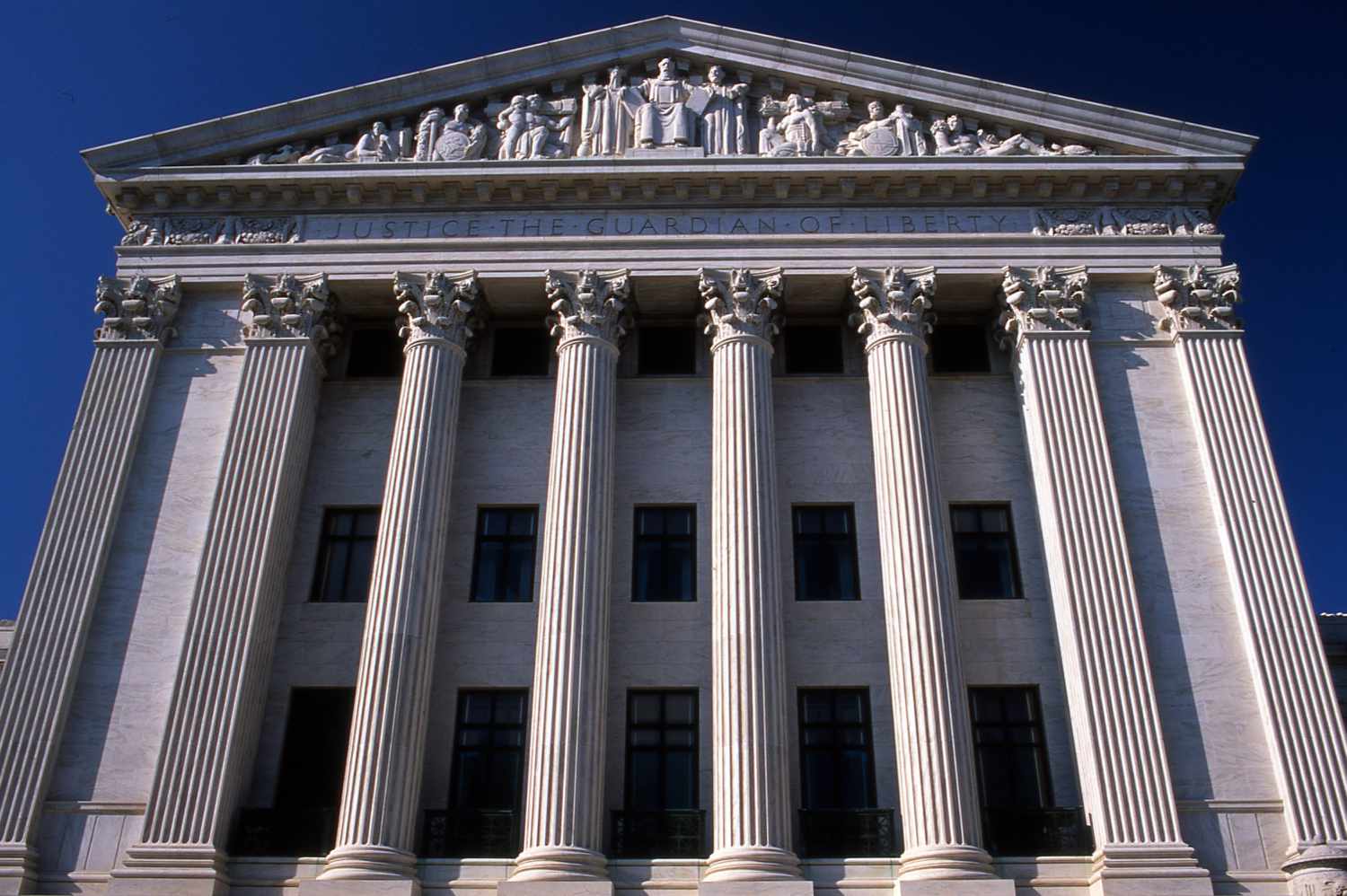
Who wins a renovation fight?
There is no single switch labeled “control.” Outcomes usually turn on grounded questions that are more statutory than dramatic:
- What does the charter authorize? If the board or leadership acts beyond statutory authority, courts can stop it.
- What money is being used, and what strings come with it? Appropriations language and grant terms can impose enforceable conditions, though who may enforce them is often contested.
- What process is legally required for this project? Contracting rules, accessibility standards, labor conditions, and any required reviews depend on the project’s federal hooks and the entity doing the contracting.
- What is the status quo, and what harms are irreversible? Injunctions often aim to prevent one-way actions while the legal issues are resolved.
The loudest claims in a renovation dispute are usually about urgency and prestige. The law is more procedural: authority, money, and process. The judge is not the architect, but in the right case, a judge can issue a status-quo order until the rules are followed.
Quick FAQ
Is the Kennedy Center a federal agency?
Not in the simple, everyday sense. It is a congressionally chartered national institution with a statutory governance structure and a funding relationship with the federal government. That hybrid status is exactly why federal law can loom large in disputes.
Can a President order renovations at the Kennedy Center?
A President can influence the institution through the statutory role in appointments and board leadership where the charter provides it. But construction still has to comply with appropriations limits, contracting requirements that apply to the project, and any required approvals. No president can unilaterally bypass those constraints.
Can Congress restructure the Kennedy Center?
Congress can amend the charter and reshape governance, subject to constitutional limits. Practically, major restructuring is politically difficult, but the power to rewrite the statutory framework is real.
Why does litigation take so long?
Because courts must establish jurisdiction, confirm standing, build a record, interpret statutes and regulations, and apply injunction standards and appellate rules. In construction cases, judges sometimes pause activity to avoid irreversible changes while those threshold questions are answered.