
Most surveillance expansions do not arrive with a dramatic announcement. They arrive the way bureaucracy prefers: through a line item, a grant program, and a purpose everyone can agree with.
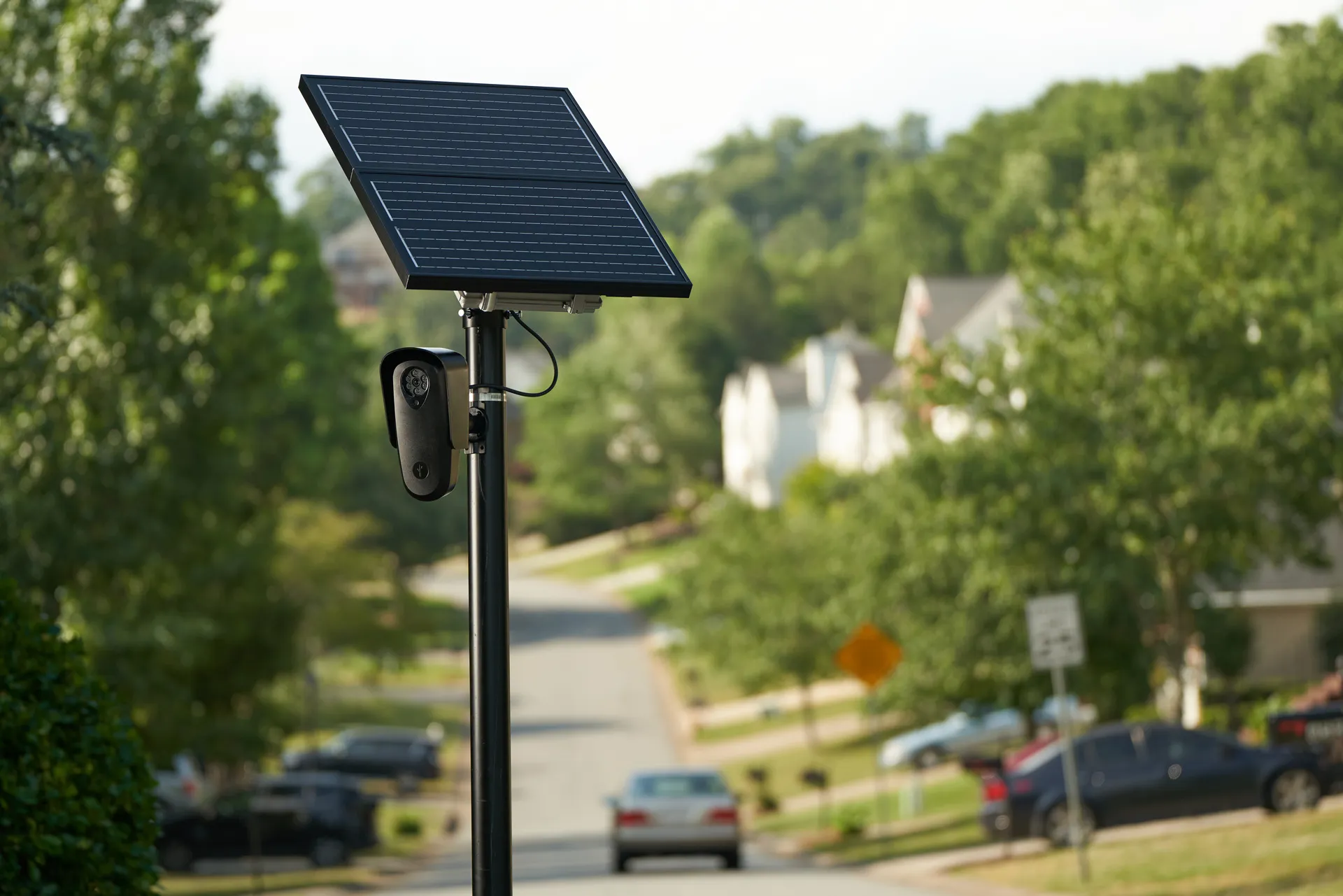
In Texas, that purpose was catalytic converter theft. In 2023, lawmakers unanimously approved a law raising auto insurance costs by $1 per year on annual auto insurance premiums, pitched as a way to fight a surge in vehicle-related crime. Three years later, at least $30 million of that fee has been devoted to supercharging the state’s Flock license-plate reader network, placing cameras along highways and city streets from El Paso to the Louisiana border.
What matters constitutionally is not the dollar. It is what the dollar buys: a system that can log where vehicles travel, make that information searchable, and share it widely, including in ways that do not require a search warrant.
Join the Discussion
How the $1 add-on scaled up
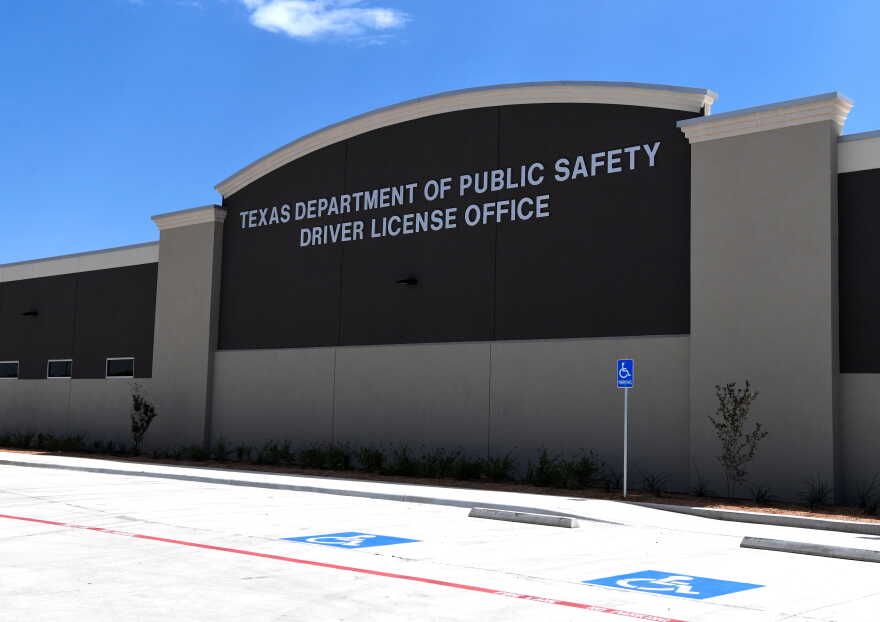
The money runs through a little-known state entity: the Motor Vehicle Crime Prevention Authority (MVCPA), created in 1991 to combat automobile theft. The authority is led by a DPS official and six governor-appointed board members, with seats designated for law enforcement, the insurance industry, and consumer representatives.
The insurance-fee model is not new. MVCPA funding has long been supported by fees attached to annual auto insurance premiums, with amounts that rose over time. What changed after 2023 was scale and direction.
- The added $1 fee has raised an estimated $81 million.
- The MVCPA has devoted at least $30 million of that fee toward expanding Flock cameras.
- That investment has turned the fee hike into at least 3,200 Flock cameras.
The buildout comes in two big layers:
- Local grants: The agency has awarded no fewer than 95 grants to help law enforcement agencies purchase and maintain about 2,000 Flock cameras.
- DPS expansion: Another $15.9 million is helping the Texas Department of Public Safety add almost 1,200 more.
At an August 2023 meeting, MVCPA chair Miguel Rodriguez said he hoped to use proceeds to “cover the entire state” with cameras. Rodriguez, who also serves as Laredo’s police chief, has framed the tool as especially valuable against organized crime. In an email, he wrote: “That kind of capability directly disrupts the operational advantage these transnational criminal organizations rely on, and it strengthens our ability to protect both Texas communities and the broader region.”
One complicating factor for accountability is that the agency does not detail how much of its grant money went to Flock cameras. Public records also do not clearly show what was purchased for 124 grants, meaning the true camera count funded through the program could be higher than what can be confirmed from documentation.
What Flock collects
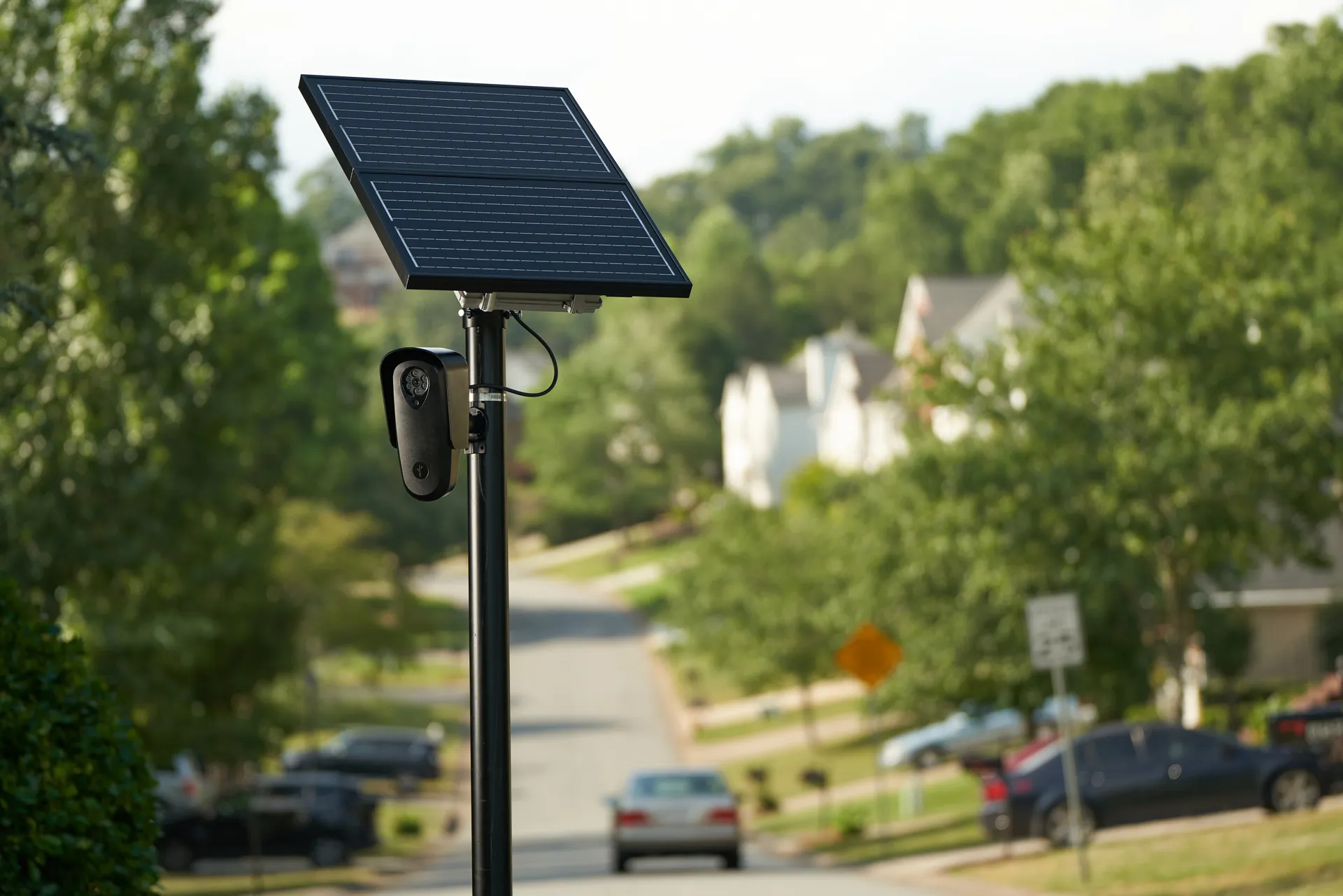
License-plate readers used to sound like a narrow tool: a camera, a plate, a hit list for stolen cars. Flock systems are broader. They create what the company describes as a “vehicle fingerprint” using artificial intelligence, storing each vehicle’s license plate and details like make, model, color, plus distinguishing features such as dents or bumper stickers.
Departments that opt in to Flock’s national lookup program can search each other’s data from anywhere in the country. Flock spokesperson Trevor Chandler defended that model by pointing to public-safety outcomes: “[Data sharing] has been one of the most effective ways Flock has been able to help find, just last year, over 10,000 missing persons,” he said.
Even if you accept the best-case use cases, a constitutional system cannot be built on best-case assumptions alone. It has to survive the worst-case ones too.
The Fourth Amendment question
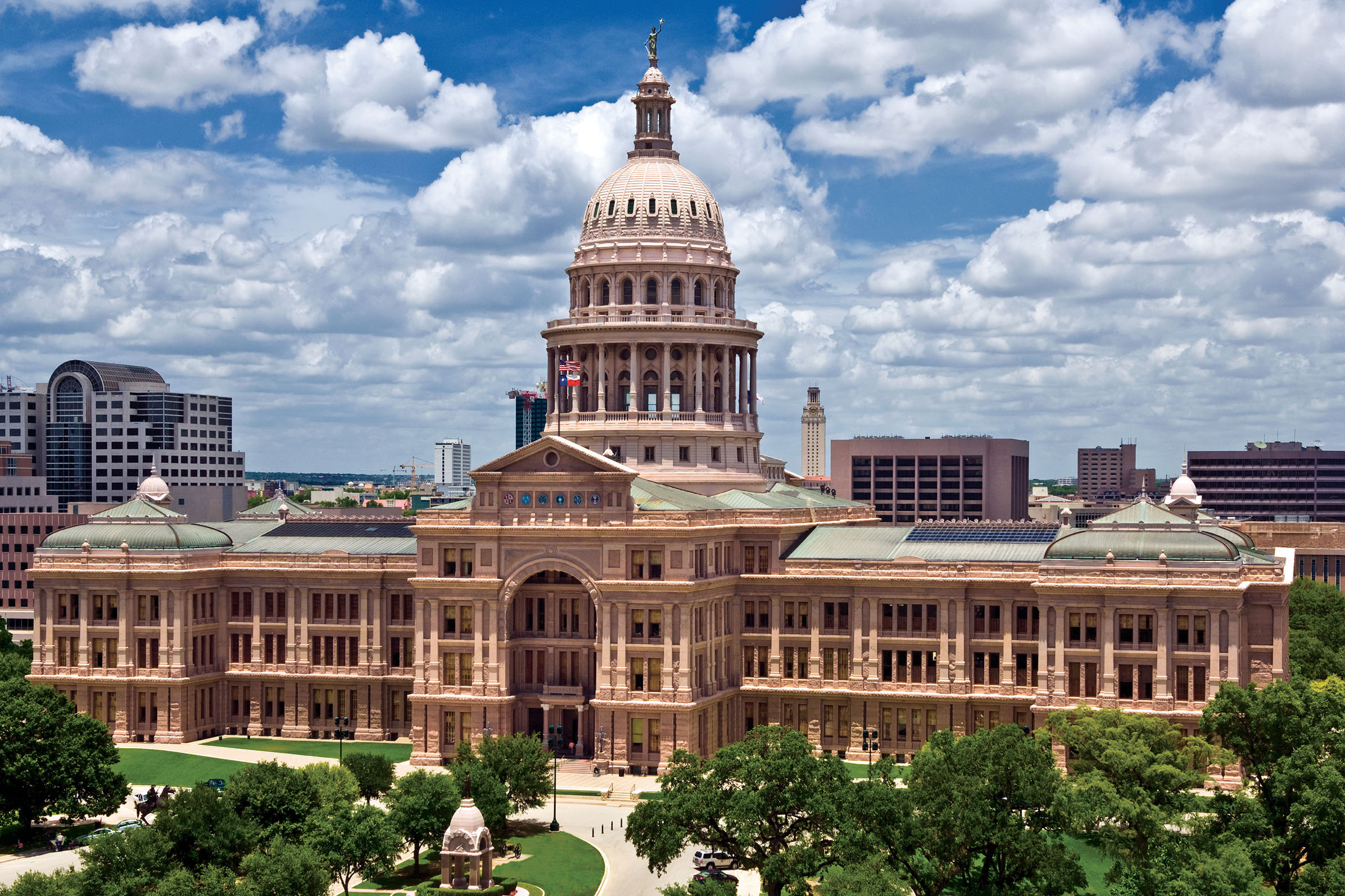
The Fourth Amendment does not forbid surveillance. It forbids unreasonable searches and seizures. The hard part is deciding when modern data collection becomes a “search” in the constitutional sense, especially when the government gathers information from public roads.
Some lawmakers are openly skeptical that mass, automated location capture fits comfortably inside the Fourth Amendment’s boundaries. Texas Rep. Mitch Little put it bluntly: “The sheer volume of information captured is not something that is entertained, in my view, by the Fourth Amendment.”
As a matter of constitutional analysis, the pressure point is often not a single scan. It is aggregation: retention over time, the ability to query after the fact, and the practical power to map where someone lives, works, worships, or regularly travels. The law here is still evolving, and litigation tends to turn on details like scale, retention, and how searches are run.
Governance and misuse
Surveillance is not only about cameras. It is about governance. Texas’ expansion highlights a common modern problem: legislatures vote for a funding mechanism, agencies administer it, vendors provide the platform, and local departments plug into data-sharing networks. Control becomes distributed, and responsibility becomes easier to blur.
Some grant-funded purchases were small, like a $7,000 award for two cameras in Bellmead. Others were large, including almost $1.7 million supporting 201 cameras in Dallas. Entire city networks, including 165 cameras in Laredo and 150 in El Paso, have been subsidized through grants.
And then there is state-level buildout. The MVCPA signed a three-year, $15.9 million contract to help the Texas Department of Public Safety install 1,183 cameras, a project overseen largely by DPS Major Sharon Jones, who described herself as “pro Flock” and left the position on Aug. 1. In early August, the MVCPA approved another $3 million to help DPS install 583 more cameras along Texas tollways over the next year.
Every surveillance technology is sold as a tool for the bad guys. It becomes controversial when it is used by the wrong people inside the system. Texas has recently seen multiple incidents and investigations involving improper access to license-plate reader data, including allegations that officers used the system to stalk ex-partners or co-workers. A Lufkin officer was indicted on 100 counts of misusing official information in a case tied to LPR access. Other departments, including in Baytown, Harris County, Fort Bend County, Temple, and Pasadena, have seen arrests, discipline, or investigations involving similar concerns.
Kenneth Feagins, an organizer with DFW DeFlock, described the core fear as a tradeoff between security and freedom: “For me, it’s always been the question of, well, how much liberty are we willing to trade for safety?” He added: “There’s a lot of malicious things that can be done with this data, and those things are no longer hypothetical.”
A pause on state funding
After questions mounted about how the insurance-fee money was being used, Gov. Greg Abbott’s office said he was pausing all state funding for local grants to be used for Flock cameras. His spokesperson, Andrew Mahaleris, said in a statement: “To the extent that cities get any funding for those cameras, most of it comes from the federal government. To the extent any funding comes from Texas agencies, those agencies are clarifying that those funds cannot be used for Flock cameras.”
That move does not resolve the constitutional issues. It underscores them. If the state can build a surveillance network quickly through a quiet funding stream, it can also attempt to shut off that stream just as quickly, often without a broader democratic reckoning about what has already been installed, what data has already been collected, and what agreements already exist.
What Texans should ask next
The Constitution does not give us easy answers here. It gives us the right questions.
- Is a warrant required for certain kinds of queries, especially those aimed at building a “pattern of life” rather than locating a specific suspect in a specific crime?
- What is the retention period, and is it set by law, contract, or internal policy that can change quietly?
- Who audits access, how often, and are audit logs public or at least reviewable by independent oversight bodies?
- What is the remedy when misuse occurs: termination, prosecution, civil liability, suppression of evidence, or all of the above?
- Can the public learn where cameras are, or is the network effectively secret until it is used against someone?
Texas built a statewide surveillance accelerant out of a single dollar. The civic challenge now is to decide whether that dollar purchased a narrowly tailored tool against vehicle crime, or a new normal where movement itself becomes a routinely searchable government record.