
Federal judges do not just decide cases. They also have to answer questions like whether a courtroom is secure enough to try a terrorism case, whether a leaky roof can wait until next term, and whether a courthouse can keep functioning when HVAC systems fail in July.
That is why a flare-up between the General Services Administration (GSA) and the federal judiciary over courthouse control is not just a facilities dispute. It is a separation-of-powers problem with fluorescent lighting.
What changed this time: Congress is again pressing GSA about how major repairs and modernization projects are prioritized, funded, and delivered across the federal building portfolio, while the judiciary is using that same spotlight to argue that building conditions and long delays are increasingly bleeding into core court operations.
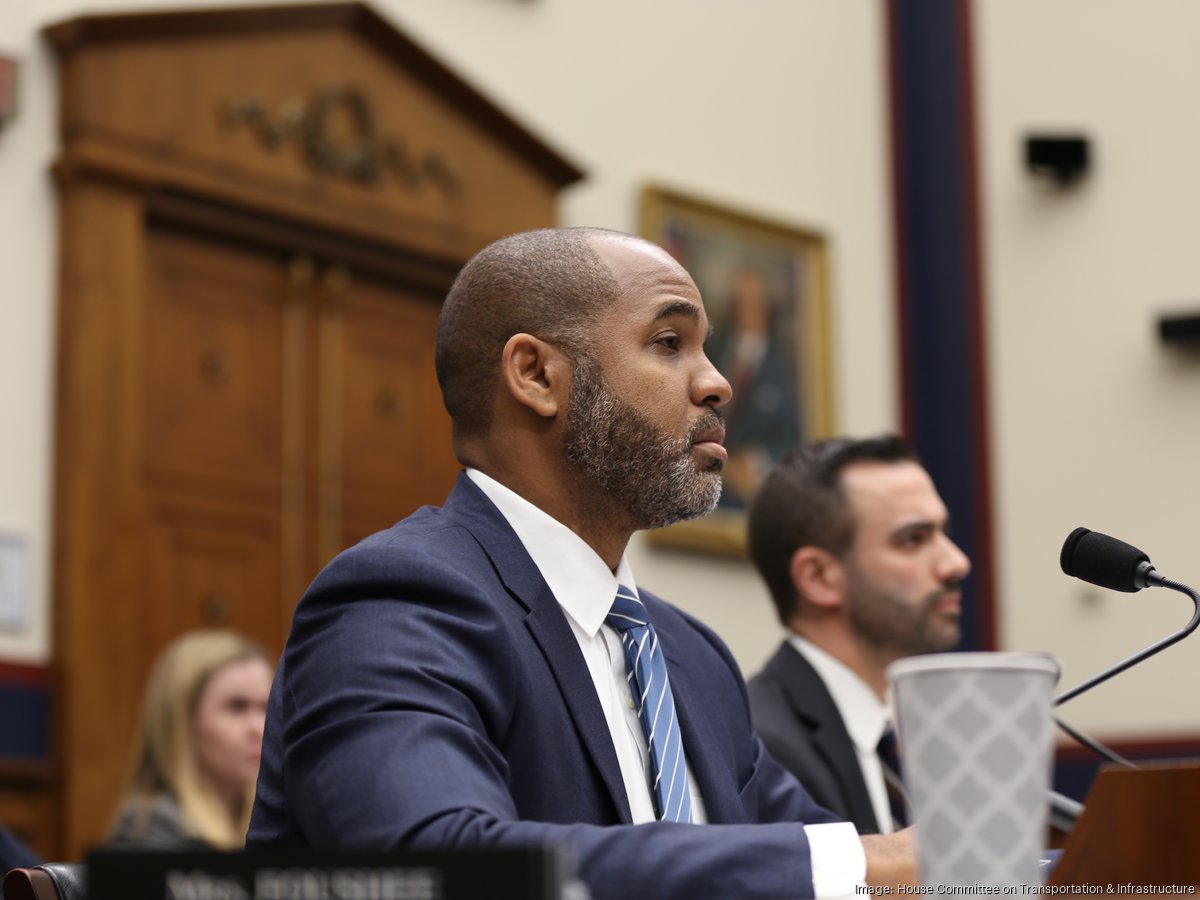
A concrete flashpoint was a House Transportation and Infrastructure Committee oversight hearing held by its Subcommittee on Economic Development, Public Buildings, and Emergency Management on May 15, 2024, titled “Federal Real Property Management: Leveraging Modernization to Improve Public Buildings and Save Taxpayer Dollars.” Elliot Doomes, Commissioner of GSA’s Public Buildings Service, testified, alongside David Marroni, a senior physical-infrastructure official at the Government Accountability Office (GAO). The practical question underneath the charts is the same one that keeps resurfacing: when building conditions start interfering with the administration of justice, who can move a project from “needed” to “done”?
Join the Discussion
The short answer
Many federal courthouses sit in buildings that GSA owns, leases, or manages, while the judiciary controls what happens inside them as courts. The exact arrangement varies by location, including leased space, mixed-use federal facilities, and a smaller set of judiciary-controlled buildings, so the split is not identical everywhere.
That division sounds tidy until you ask: Who sets renovation priorities? Who schedules disruptive work around an active calendar? Who funds long-delayed repairs? And who is accountable when “deferred maintenance” turns into an emergency closure?
In most GSA-managed courthouses, the government looks like a familiar setup: GSA functions as landlord and project manager, and the judiciary is the tenant. The difference is that this tenant is Article III and has a constitutional independence claim no other tenant can make.
Why the fight exists
Article III makes the judiciary independent by design. Judges get life tenure during “good Behaviour,” and their compensation cannot be diminished while they remain in office. That is the Constitution’s baseline protection against political retaliation for judicial decisions.
But Article III does not say: “And the courts shall own their buildings.” The Constitution also does not create a standalone judicial power to appropriate money, acquire land, or manage a federal real estate portfolio. Those levers generally sit with Congress and the executive branch.
So we end up with a built-in tension:
- Judicial independence requires courts to function without political retaliation or operational sabotage.
- Property and spending authority generally flows through Congress and the executive, which are accountable to voters and taxpayers.
The judiciary’s day-to-day institutional voice in these debates is not “a judge, somewhere.” It is the judiciary’s administrative leadership, especially the Judicial Conference of the United States (the policy-making body for the federal courts) and the Administrative Office of the U.S. Courts (which supports operations, budgeting, and facilities coordination).
What GSA does
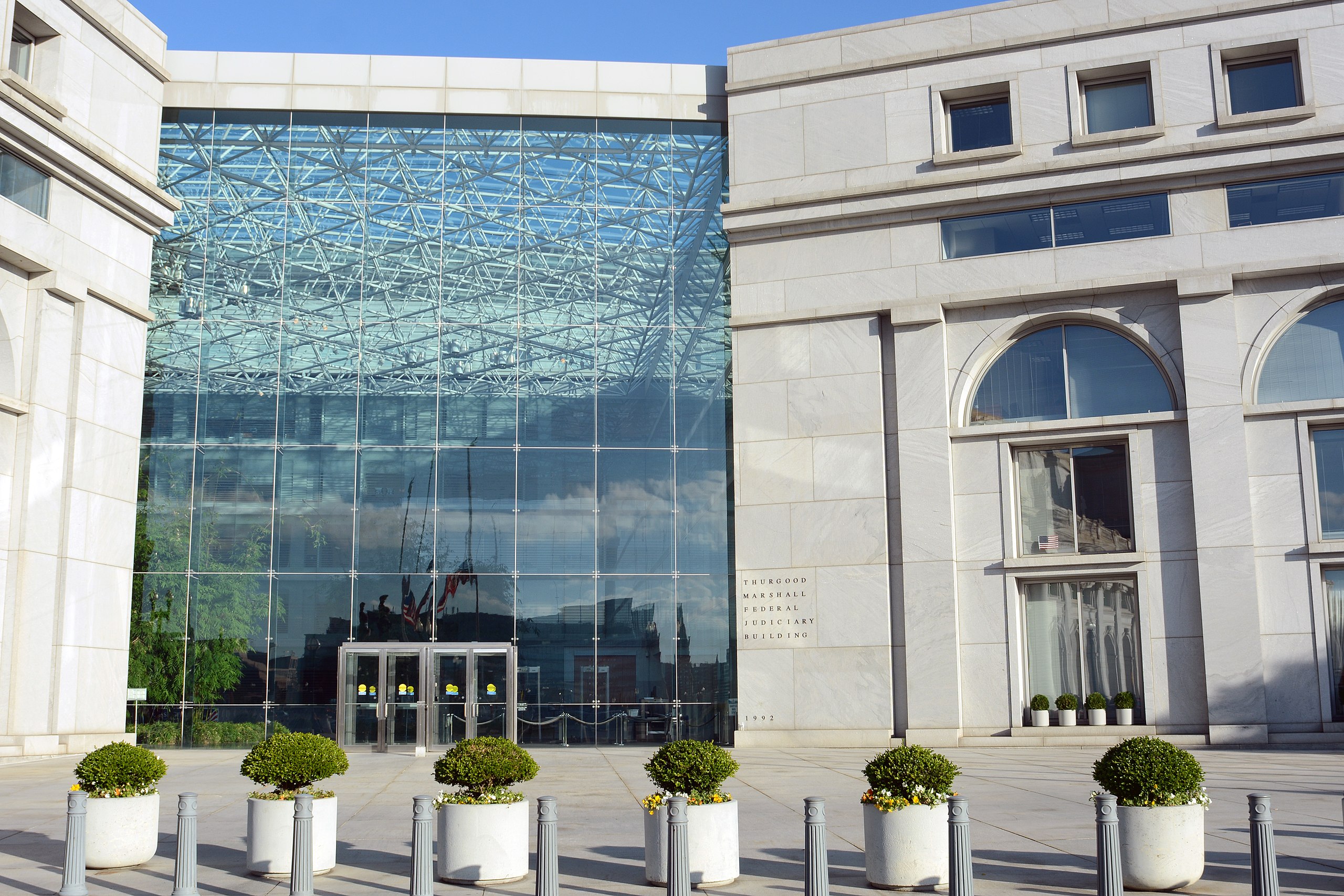
The GSA is an executive branch agency created to manage federal property and procurement. Think of it as the government’s centralized facilities manager. It acquires and maintains buildings, negotiates leases, and oversees major repairs and construction projects.
When the judiciary occupies space in a GSA-controlled building, funding often runs through a budgeted, rent-style charge paid from judiciary appropriations into GSA’s Federal Buildings Fund framework. One mechanical detail matters: tenant agencies pay rent into the fund, but Congress can place an annual limitation through the appropriations process on how much of the fund GSA may obligate in a given year. In practical terms, money can be flowing into the system while major work still waits for obligational authority, prospectus action where required, and a slot in the project pipeline. The accounting varies by building and by line item, but the operational point is consistent: the courts may “pay” for space in budget terms, while GSA typically controls the contracting and project machinery that turns dollars into construction.
That arrangement is meant to create efficiencies and protect taxpayers. One agency builds expertise in construction, contracting, and building lifecycle planning, rather than having every agency reinvent it.
What courts mean by control
When courts argue for more control of courthouses, they are not usually asking to run their own cement mixers. They are asking for leverage over priorities, timelines, and minimum standards that directly affect court operations.
It also helps to separate what the judiciary already controls from what it does not.
- Courts and the Judicial Conference set operational requirements for court space: courtroom functionality, circulation needs (judges, juries, defendants, public), and many security-driven design standards that make a courthouse a courthouse. Those requirements are reflected in judiciary space planning standards and tools such as the U.S. Courts Design Guide, which informs how court space is planned and evaluated.
- GSA generally controls capital planning, contracting, and project execution for GSA-managed courthouses, including when work occurs and how it is phased.
Courts typically frame the practical stakes like this:
- Security and movement (secure entrances, holding cells, sally ports, controlled circulation).
- Reliability (HVAC, elevators, electrical systems, water intrusion).
- Function (courtrooms that can handle modern trials, technology, and accessibility requirements).
- Scheduling power (construction phases that do not force a courthouse to shut down mid-docket).
One reason the rhetoric has sharpened is the size of the repair and modernization burden the judiciary says it is carrying. According to the Administrative Office of the U.S. Courts’ FY 2025 Congressional Budget Justification, the judiciary put total repair and modernization needs at roughly $8.3 billion across judiciary facilities and judiciary-occupied space, as a portfolio-level estimate rather than a one-year request.
If you want the stakes in one sentence: a failed chiller or a compromised secure corridor is not just a facilities issue. It is a trial-delay issue, a safety issue, and sometimes a rights issue.

Security roles
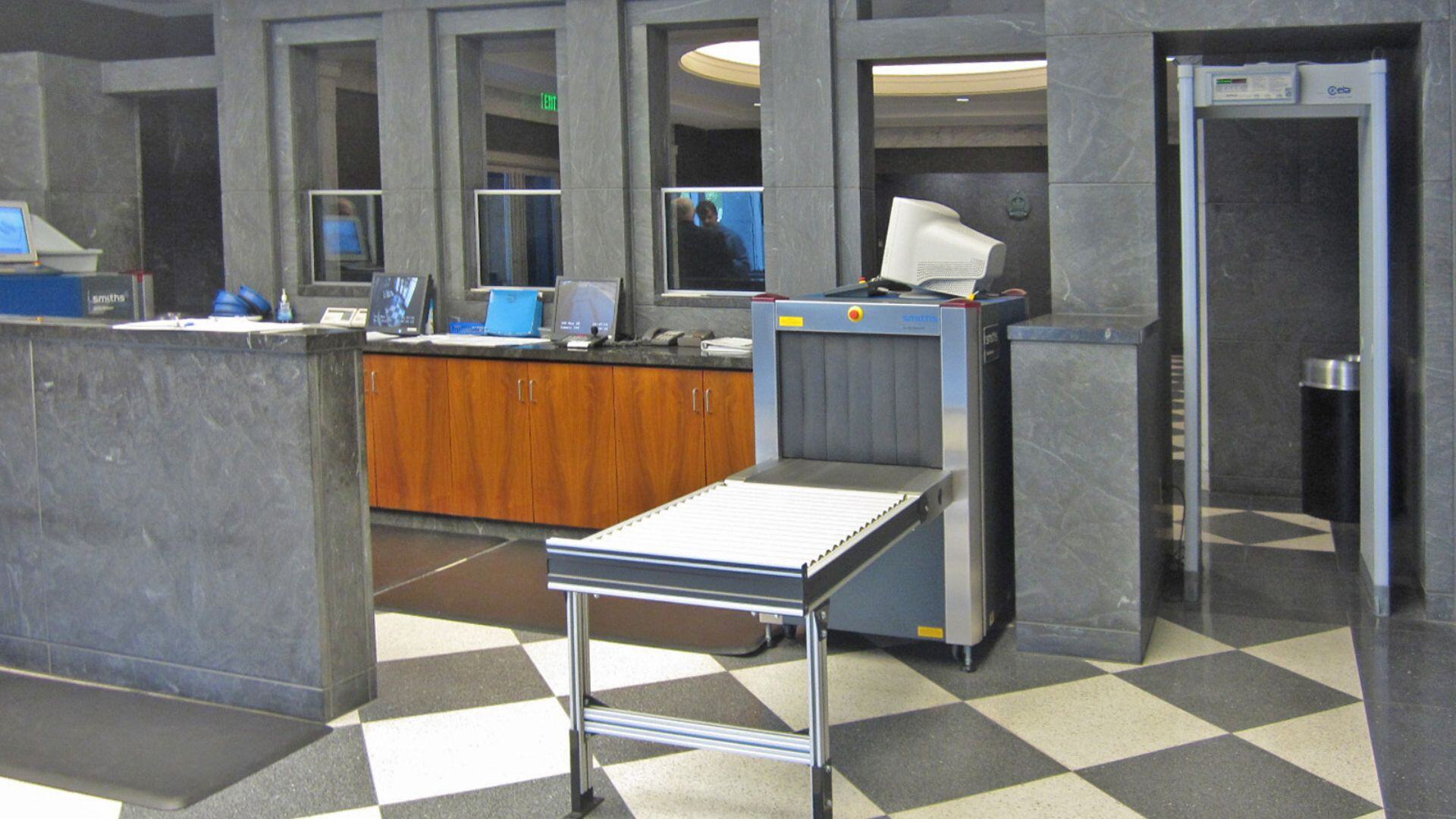
“Courthouse security” is where readers often conflate roles, and where the governance problem becomes most concrete. A quick way to keep the lanes straight is: USMS runs the people-and-proceedings security mission, the judiciary sets how court operations must function, and GSA often controls the building systems and construction fixes.
- U.S. Marshals Service (executive branch, DOJ): responsible for judicial security and prisoner operations connected to federal court proceedings. In many courthouses, day-to-day screening and posts are staffed by Court Security Officers working under USMS oversight, with coordination that can include local law enforcement depending on the site and threat posture.
- Judiciary: sets operational requirements for how proceedings must run, including circulation, access, and how spaces must function to protect juries, parties, and the integrity of proceedings.
- GSA: manages the physical plant in many courthouses, including entrances, barriers, doors, building systems, and the sequencing of construction.
This is why “control” debates become real. If the Marshals identify a vulnerability that needs a construction fix, it still takes time, money, approvals, and scheduling through the facilities process. Courts are arguing about who gets to move a safety-critical project to the top of the list.
What GSA worries about
GSA’s argument, in broad terms, is a taxpayer-stewardship one: if the judiciary gets more autonomy over property management, it could reduce standardization and complicate long-term portfolio planning and cost control. In public debates about shifting authority, GSA officials and allies often point to the risk that decentralized facilities management can produce inconsistent maintenance, uneven expertise, and higher lifecycle costs.
Stated more simply, GSA tends to argue that a single, government-wide property manager can:
- Standardize building-condition assessments and lifecycle planning.
- Centralize contracting expertise and compliance with procurement rules.
- Balance competing capital demands across agencies to avoid duplicative or stop-start projects.
Even without taking sides, you can see the institutional incentives:
- GSA is evaluated on portfolio management, standardization, and budget discipline across many agencies.
- The judiciary is evaluated on running courts that work, which makes building reliability and security non-negotiable.
And there is a further reality that both sides sometimes imply and rarely foreground: even a perfectly run project pipeline still hits the hard ceiling of what Congress authorizes and appropriates in a given year.
The constitutional core
Here is the distinction that often gets lost in headlines: judicial independence is a constitutional requirement, but courthouse ownership and maintenance are largely statutory and budgetary choices.
Congress controls federal spending through appropriations. Congress also has broad authority, within constitutional limits, to structure and administer the federal court system below the Supreme Court, including where courts sit and how they are supported.
Meanwhile, the executive branch executes the laws Congress passes and manages federal property through agencies like GSA. That is not inherently a threat to the judiciary. It becomes a threat if property control is used as leverage to punish courts for their rulings or to disable their basic functioning.
That is the separation-of-powers fault line. Not whether a federal building has new windows, but whether someone outside Article III can use windows as leverage.
How projects move
Courthouse projects do not move like private renovations. Big repairs and construction typically run through a federal pipeline with multiple choke points:
- Funding through the appropriations process, often split between operations and capital needs.
- Authorization for major projects in some cases, including the prospectus process for projects above statutory cost thresholds.
- Acquisition rules that govern contracting, procurement, and competition.
- Scheduling around active court operations where you rarely can “close for remodel” without major security, logistics, and docket impacts.
Prospectus, in plain terms, is the formal package GSA submits for certain high-cost federal building projects. For projects above the statutory threshold, prospectus authorization is often a prerequisite before a project can proceed. The precise thresholds and categories are set by statute and can change over time. Prospectus authorization is also not the same as funding. It is typically reviewed by the committees of jurisdiction (commonly House Transportation and Infrastructure and Senate Environment and Public Works). Authorization and appropriations are separate steps, and both can shape the project’s timeline.
For many civilian federal buildings, GSA draws on the Federal Buildings Fund, which is fed largely by rent payments from tenant agencies and then shaped by appropriations decisions through annual limitations. Even when the courts are paying “rent” in budget terms, courthouse projects still compete with other building demands, and major work can stall in the gap between identified need and authorized, funded execution.
So when courts complain about delays, they are often complaining about a system that can be rational on paper, but slow in the moments that matter.
What the backlog means
A backlog figure is not just a big number for a press release. It is usually a sign of two things at once:
- Deferred maintenance that compounds. A roof leak becomes structural damage. Old HVAC becomes mold risk. Electrical limitations become safety risks.
- Governance friction about prioritization. Even when money exists somewhere in the system, projects can stall when approval chains, contracting constraints, and competing needs slow decisions.
Courthouses are especially sensitive because they are not flexible office space. You often cannot relocate an Article III trial calendar into generic swing space without significant security and logistics costs, and sometimes without compromising basic courthouse design needs like secure circulation.
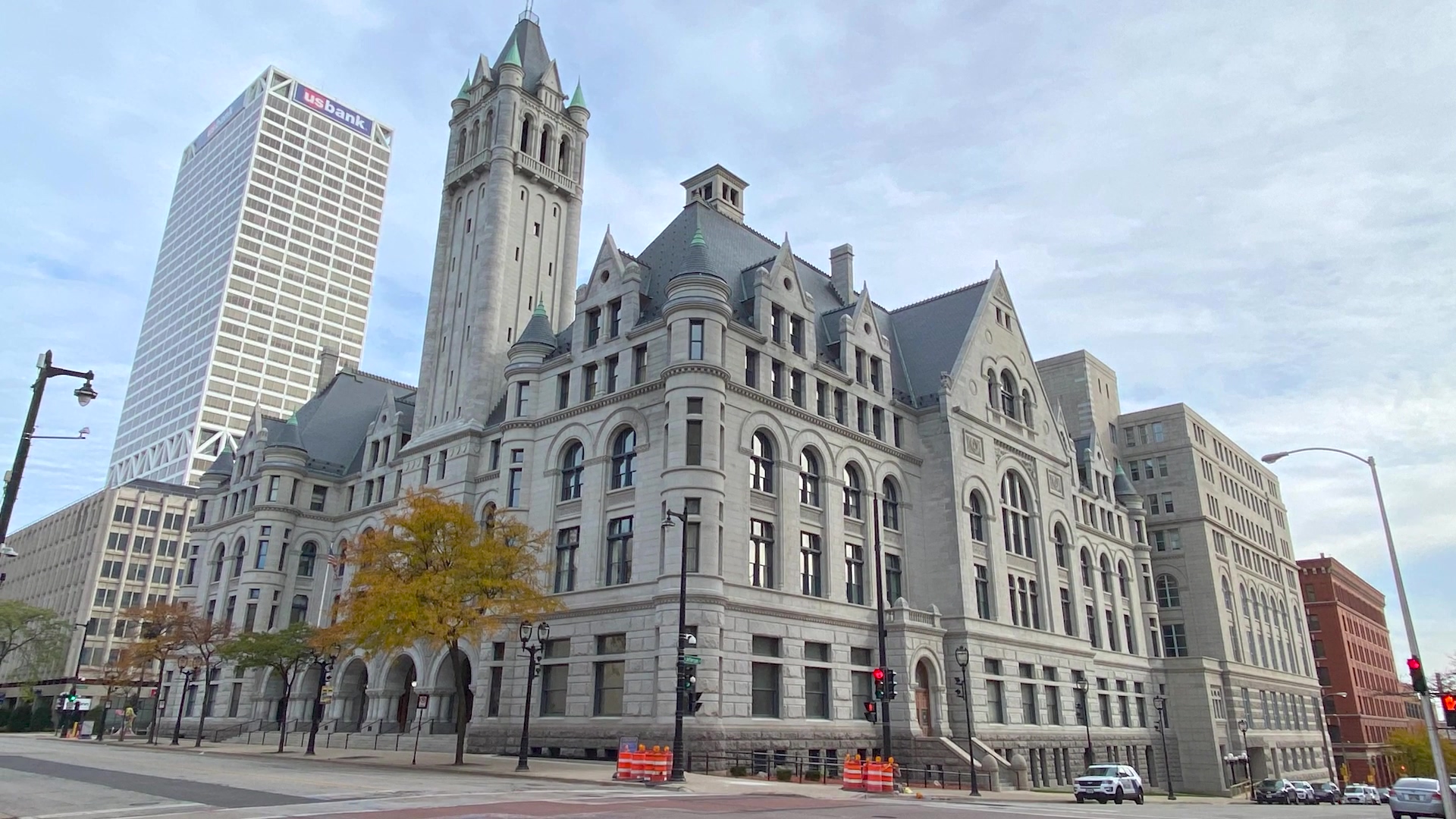
What that looks like in real life is not subtle. In July 2023, the Federal Building and U.S. Courthouse used by the U.S. District Court for the Eastern District of Wisconsin in Milwaukee experienced cooling issues during a period of extreme heat. The court issued public notices explaining operational changes while building conditions were addressed, including rescheduling and adjustments for jurors and visitors.
Different cause, same takeaway: when a courthouse’s physical plant fails, the consequences show up immediately in scheduling, access, and the basic ability to hold proceedings safely.
What courts already control
One reason this debate can sound binary is that we talk as if every courthouse is either “GSA” or “the judiciary.” Reality is messier. The judiciary directly manages some facilities and certain categories of space, and it also sets courthouse-specific standards even where GSA holds the deed. In addition, some court space is leased, and some courthouses are part of larger federal complexes with multiple agencies and shared building systems, which can complicate who controls what and when.
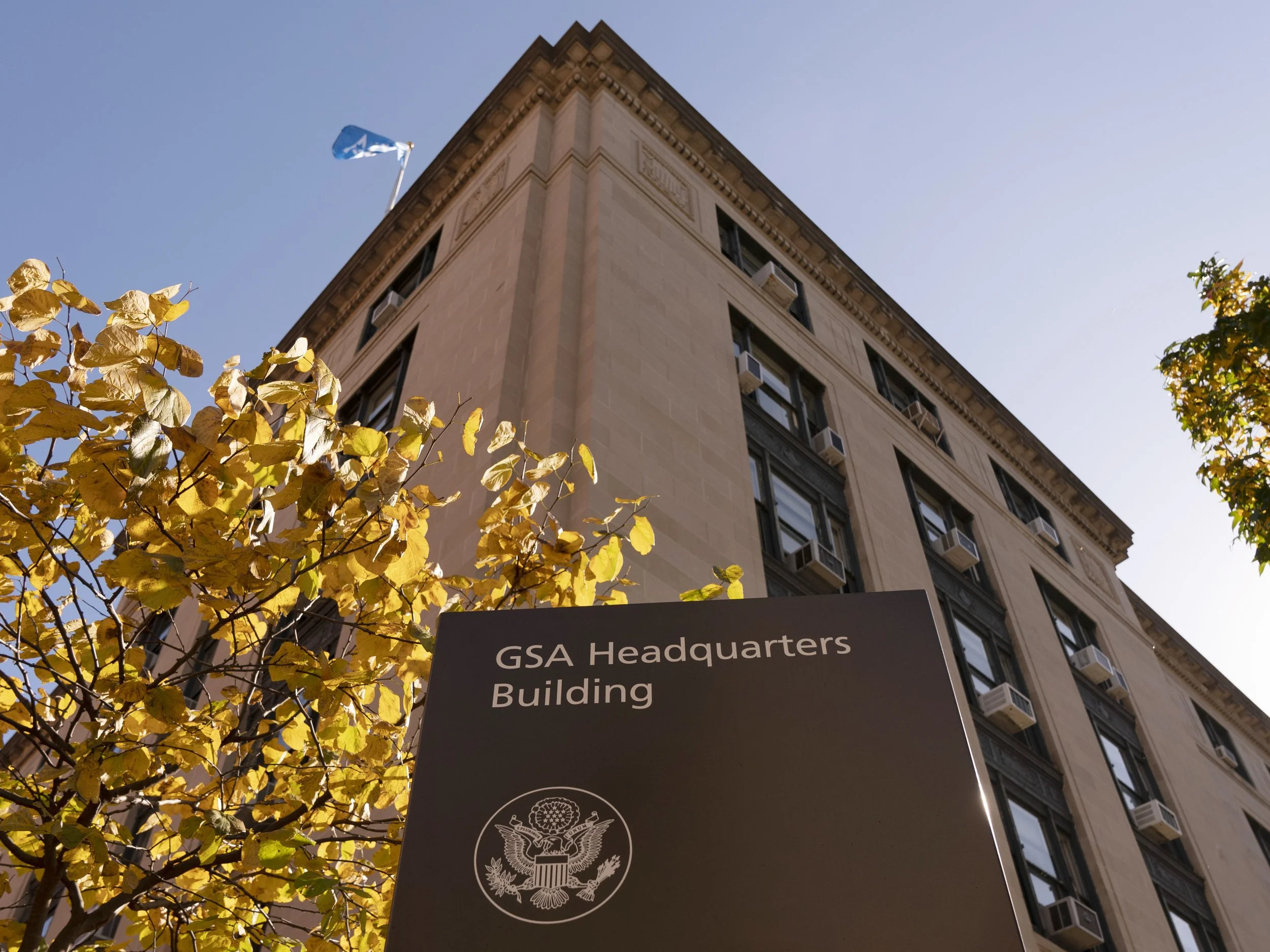
At the national level, the most visible example of judiciary-controlled space is the Thurgood Marshall Federal Judiciary Building, which houses major judicial administrative offices. More locally, the judiciary can control portions of facilities and specialized build-outs tied to court operations even when GSA owns or manages the broader structure. Those pockets of control are part of why the judiciary argues it can responsibly steer more of the facilities decision-making that directly affects court functions.
How coordination works
This is not purely ad hoc. In most places, courthouse needs are surfaced through a mix of local court leadership and court unit executives, the judiciary’s administrative apparatus (including the Administrative Office and circuit-level facilities staff), and GSA’s regional and headquarters processes for assessing building condition and sequencing work. There are also routine coordination channels around security and operations, since courthouse functioning is a three-actor reality: courts, USMS, and building management.
At many courthouses, security planning and facilities issues also run through standing coordination structures that include court leadership and the Marshals. The specifics vary by site, but the basic idea is consistent: security needs are identified by the people who run proceedings, then translated into physical requirements that have to move through the facilities pipeline.
The problem the judiciary keeps highlighting is not that there is no process. It is that when the process bogs down, courts feel the consequences first and most directly.
What more control could mean
There are several models Congress could choose, each with tradeoffs:
- Full transfer: courthouses move into a judiciary-controlled property account. This maximizes court autonomy but requires the judiciary to build a larger facilities bureaucracy and bear more direct accountability for cost overruns.
- Shared governance: GSA keeps ownership, but courts gain binding authority over priorities, timelines, and minimum standards for security and functionality.
- Dedicated courthouse funding lane: Congress creates a more predictable capital and maintenance pipeline for courthouses, reducing the churn that turns routine repairs into emergencies.
- Status quo with performance targets: keep the GSA model but require measurable timelines, transparent reporting, and clearer escalation paths for projects tied to safety and security.
In today’s debate, the most common asks are concrete: a binding say in the courthouse priority list, a courthouse-focused capital lane so projects do not get buried in the wider federal portfolio, or a narrower transfer of responsibility for specific categories of repair and modernization work so it can be scoped and executed faster.
To make any of those options real, Congress has the usual tool kit: it can change statutory delegations, rewrite how courthouse space is funded, and attach enforceable consultation, reporting, and timeline requirements to courthouse projects that affect security and core operations. In practice, most versions of “more control” come down to whether the courts can reliably force movement on mission-critical work, not whether they hold the deed.
And this is not a brand-new argument. Variations of courthouse-control and courthouse-funding reforms have cycled for years through oversight hearings, appropriations report language, and judiciary requests, largely because the underlying tension never really goes away and no single fix has settled it.
What to watch
This dispute will likely move through the unglamorous channels where separation of powers becomes real: appropriations bills, authorization language, oversight hearings, agency guidance, and judiciary budget submissions.
The key question is not which side has the better talking point. It is whether the system can do two things at the same time:
- Protect judicial independence by ensuring courts can operate without external pressure or operational choke points.
- Protect taxpayers by ensuring federal buildings are managed with long-term competence, measurable performance, and transparency.
If either value is treated as optional, the other one eventually pays the price.
FAQ
Does Article III require the judiciary to control courthouses?
No. Article III protects judicial independence, but it does not grant the courts a general property-management power.
Can Congress give the judiciary more control over federal courthouses?
Yes. Congress can restructure administrative arrangements and funding mechanisms for courthouse management, so long as it does not violate constitutional limits or undermine the judiciary’s ability to function.
Why not let GSA handle everything if it is the property expert?
Because courthouses are not ordinary office buildings. Security design, public access, and the integrity of proceedings are operational necessities, not preferences. Courts argue those needs can get deprioritized when they compete with a government-wide property portfolio.
Is the backlog proof that GSA is failing?
Not by itself. A backlog can reflect insufficient appropriations, rising construction costs, procurement constraints, competing priorities, and governance choices. But it does indicate the current system is not keeping pace with courthouse needs.