
Most Americans learn the basics of the courts as if judges are neutral machines: a case goes in, the law comes out. Recusal is the part of the system that quietly admits what everyone already knows. Judges are people. They have friendships, investments, former clients, spouses with careers, strong opinions, and sometimes past statements that age poorly in the glare of a new controversy.
So the law builds in an escape hatch: when a judge’s participation would be unfair, or would reasonably look unfair, the judge must step aside. That is what recusal is. It is not a punishment. It is a guardrail.
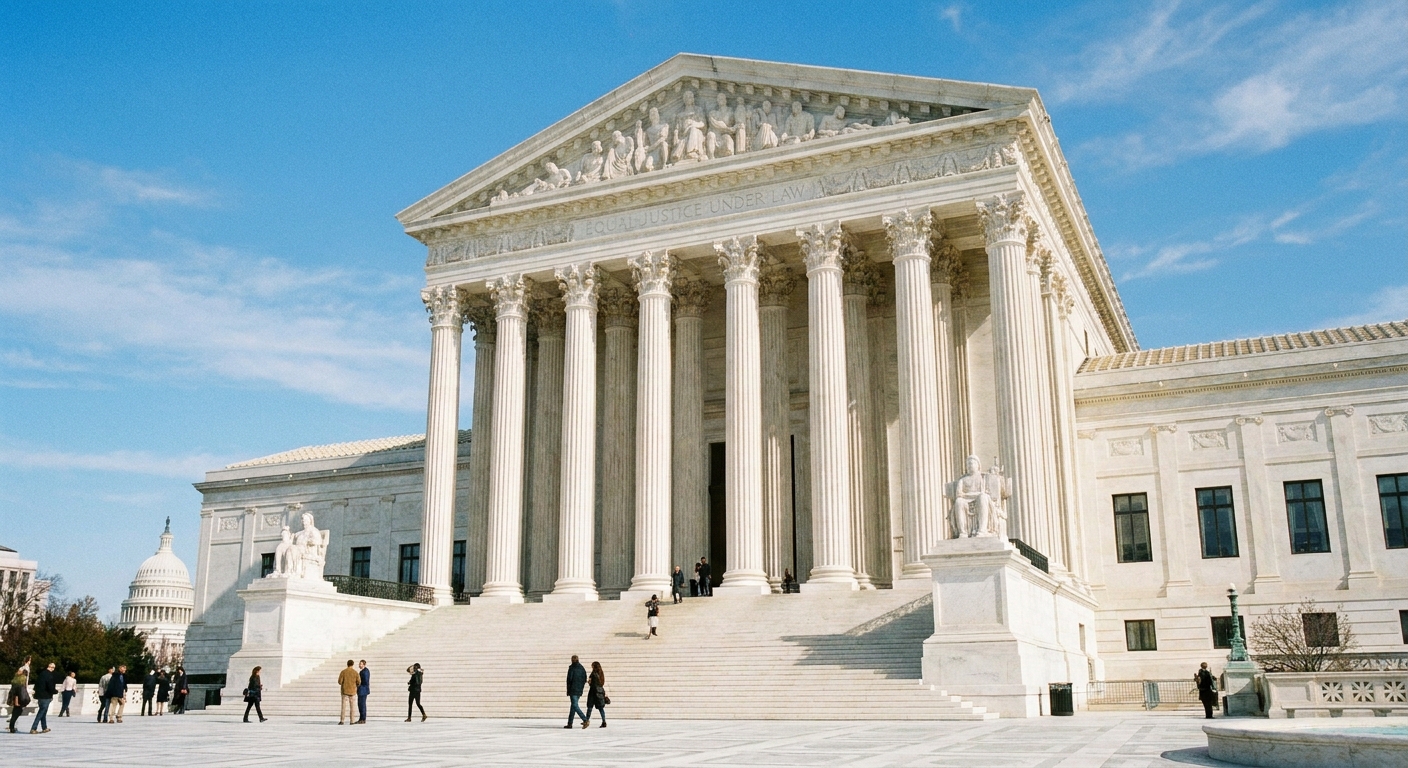
The tricky part is that recusal sits at the intersection of law and perception. The legal system needs rules that are concrete enough to apply, but flexible enough to protect public confidence. And the rules look different depending on whether you are in federal court, a state court, or the U.S. Supreme Court.
Join the Discussion
What recusal is and what it is not
Recusal means a judge does not participate in a case. In federal court you will also hear disqualification. Both terms point to the same outcome: a different judge is assigned, or in an appellate court the panel changes.
Recusal is not the same as:
- Losing a case. A judge can rule against you repeatedly without being biased.
- Harsh language. Judges can criticize arguments, lawyers, and conduct. The question is whether they can still decide based on the record and law.
- Prior legal work in the abstract. Many judges were prosecutors, defense attorneys, civil litigators, or government lawyers. Prior experience alone is not disqualifying.
Recusal is about conflicts of interest and impartiality. The Constitution promises due process. Recusal is one way the legal system tries to deliver it.
The federal framework: statutes first, then ethics
Federal recusal is anchored in two main statutes:
- 28 U.S.C. § 455, which requires a federal judge to disqualify himself or herself in specific situations and whenever impartiality “might reasonably be questioned.”
- 28 U.S.C. § 144, which lets a party file a sworn affidavit asserting personal bias or prejudice by the judge in a district court case.
There is also an ethics layer: the Code of Conduct for United States Judges. It is influential and often cited, but it is not a statute. In practice, § 455 is the workhorse because it covers both concrete conflicts and the broader appearance-based standard.
The big idea in § 455: appearance matters
Section 455(a) is the line you will see quoted in recusal disputes because it is simple and dangerously broad: a judge must step aside in any proceeding where the judge’s impartiality might reasonably be questioned.
Notice what is missing: proof of actual bias. The standard is not “is the judge biased?” It is closer to “would a reasonable observer, knowing the relevant facts, doubt the judge’s neutrality?”
That is not legal softness. It is a recognition that courts run on legitimacy. The public can accept losing. It struggles to accept a process that looks pre-rigged.
The specific triggers in § 455(b)
Section 455(b) lists situations that are less about vibes and more about clear conflicts. Common categories include:
- Personal bias or personal knowledge of disputed facts.
- Prior involvement as a lawyer or government counsel in the same matter, or in some circumstances a closely related one.
- Financial interests in a party, or sometimes in the subject matter.
- Family relationships where a spouse or close relative is a party, a lawyer in the case, or has a substantial interest that could be affected.
These categories try to translate an intuitive premise into law: you should not be a judge in your own cause, and you should not be a judge in your family’s cause, and you should not be a judge in a case that affects your wallet.
How recusal requests actually happen
Most recusal disputes begin in a way that feels anticlimactic. A party files a motion. The judge reads it. And then, in most courts, the challenged judge decides the motion.
That structure makes some people uneasy, but it is the default. Courts treat recusal as an issue of judicial duty and case administration, not as a mini-trial about the judge’s character.
Three ways recusal comes up
- Self-recusal. Judges routinely step aside without a motion when they spot a conflict, often due to financial disclosures or prior involvement.
- Party motion. A litigant files a motion under § 455 (and in federal district court sometimes § 144).
- Disclosure then consent or motion. A judge discloses a potential issue on the record. Parties decide whether to object. (Some conflicts can be waived. Others cannot.)
Recusal also has a timing problem: if you wait too long, courts may treat the motion as strategic. If you file too early without facts, it can look like you are fishing for a different judge.

The appearance standard, translated
People often summarize recusal as “avoid even the appearance of impropriety.” That phrase shows up in judicial ethics discussions and state codes, and it captures the spirit of § 455(a).
But courts do not apply “appearance” as a popularity contest. The observer is not the angriest person on social media. It is a hypothetical reasonable person who knows the relevant facts.
That is why context matters. For example:
- Campaign donations in state judicial elections can raise appearance issues because money supports the judge personally. Some states set thresholds or disclosure rules.
- Public statements can create an appearance problem when they look like a pre-commitment to a result in a particular case.
- Friendships and affiliations can matter, but most judges have professional networks. The question is closeness, dependency, and whether the relationship intersects with the case.
Appearance standards are designed to protect trust, but they are also a magnet for abuse. If “appearance” is too easy to allege, it becomes another litigation tactic. Courts constantly try to keep the standard meaningful without letting it become a veto.
What counts as bias, legally
In federal doctrine, courts often distinguish between:
- Judicial rulings and courtroom conduct, which almost never prove disqualifying bias by themselves.
- Extrajudicial bias, meaning a prejudice that comes from outside the case, like personal animus, personal involvement, or a non-case source of information.
This is why you will see opinions say something like: being tough on one side does not equal bias. Even being wrong does not equal bias. The law aims to separate unfavorable from unfair.
The Supreme Court: different pressures
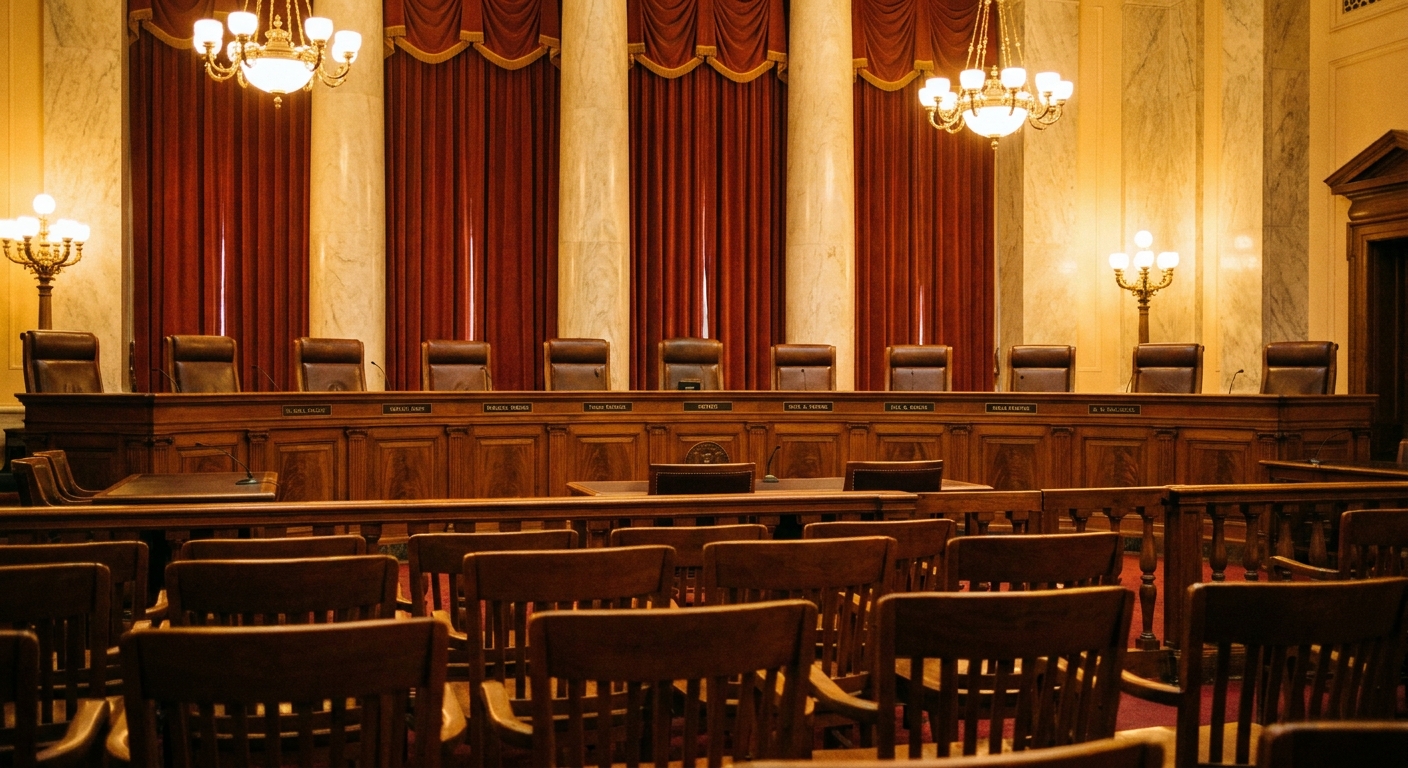
Recusal works differently at the U.S. Supreme Court for one basic reason: there is no replacement justice. If a justice steps aside, the Court shrinks. In a closely divided case, recusal can function like an outcome.
Historically, each justice decides recusal for himself or herself. There is no higher court to run to. There is no routine mechanism for the full Court to review a colleague’s choice, and the Court rarely explains recusals in detail. Often the public sees only a short notation that a justice “took no part in the consideration or decision.”
Two additional realities matter here.
The Court’s own ethics code
In November 2023, the Supreme Court issued its own Code of Conduct, a formal set of ethics principles for the justices. It tracks many familiar themes from lower-court ethics rules, including the idea that justices should avoid both actual conflicts and serious appearance problems.
What it does not change is the core enforcement structure. The justices remain the ones who apply it to themselves, including on recusal, and the Court still does not have an external referee.
The rule of necessity
The Court also sits in the shadow of an old doctrine called the Rule of Necessity. In plain terms, it says that if every judge is disqualified, then none are, because the law cannot allow a case to die for lack of a forum.
That doctrine is most intuitive at the Supreme Court. If a dispute can only be resolved by the Court, and too many justices have some connection to the issue, recusal can collide with the system’s need to decide something. That does not erase ethics concerns. It explains why Supreme Court recusal debates are often not just about one justice’s conflict, but about institutional paralysis and public legitimacy.
Can you appeal a recusal decision? Usually, not right away
This is the part that surprises people: even if you think a judge should have stepped aside, you often cannot get immediate review.
In federal court, recusal denials are typically reviewed only after final judgment as part of the normal appeal. That means the case proceeds in front of the judge you tried to disqualify, and only later can an appellate court decide whether that was a problem.
Mandamus: the emergency option that rarely works
There is a procedural tool called mandamus, an extraordinary writ asking a higher court to order a lower court to do something right now. Parties sometimes seek mandamus to force recusal.
Courts treat mandamus as a last resort. The standard is steep: you generally must show a clear and indisputable right to relief, and that normal appeal is inadequate.
The cert denied reality
Even if you lose a recusal fight and try to take it to the Supreme Court, there is a structural fact that shapes expectations: most petitions for certiorari are denied, and denials come without explanation.
That means a lot of recusal disputes end in a procedural cul-de-sac. Not necessarily because the complaint was frivolous, but because the Court’s docket is small, its criteria are selective, and it rarely acts as an error-correcting tribunal for one-off disputes.
For the public, this creates a frustrating asymmetry. Recusal is framed as essential to fairness, but the avenues to enforce it are limited, especially at the highest level.
State courts: similar themes, different mechanics
Most state systems share the same broad goals as the federal system: avoid actual bias, avoid serious appearance problems, and keep cases moving. But states vary widely in how they implement those goals.
Three common differences you see in states
- Elected judiciaries. Many state judges run for office, which introduces campaign fundraising and endorsements. That can generate recusal disputes that federal judges almost never face.
- Different procedural routes. Some states have more robust interlocutory review options, while others mirror the federal approach of “raise it now, appeal it later.”
- State codes and constitutions. States often incorporate the “appearance of impropriety” concept explicitly in ethics codes, and some state constitutions or statutes add extra disqualification rules.
There is also a practical difference in scale. State courts handle the bulk of American litigation. That volume encourages standardized procedures, but it also means recusal decisions can be made quickly, sometimes with limited written explanation.
Why the rules are strict about money
Financial conflicts are the category of recusal that looks most obvious to non-lawyers, and for good reason. The legitimacy threat is immediate: if a judge owns stock in a party, or has a close family member whose employer is a party, the public does not need a tutorial in due process to feel the problem.
Federal judges file financial disclosure reports, and courts maintain systems to flag conflicts. Even so, mistakes happen, especially with mutual funds, retirement accounts, or corporate relationships that change mid-case.
When the conflict is real, remedies can be messy. Recusal can come late, after orders have been entered, raising questions about whether prior decisions must be vacated. The law tries to prevent that, but it cannot always unwind what has already happened.
Recusal as civic education
Recusal is not only about cleaning up the rare scandal. It is about keeping ordinary cases ordinary. Most judges are not corrupt. Most recusal issues are routine. And that is precisely why the rules matter.
The constitutional promise is not that you will always get the outcome you want. It is that the process belongs to law, not to private relationships, personal interests, or pre-decided loyalties.
If you want to read the judiciary like a citizen instead of a spectator, watch what happens when a recusal question lands. Who raises it? What facts are disclosed? What standard is applied? And just as importantly, what review is realistically available?
In a system built on consent, the appearance of fairness is not cosmetic. It is part of the structure holding the whole thing up.
Quick takeaways
- Federal recusal is primarily governed by 28 U.S.C. § 455, including an appearance-based standard.
- Specific conflicts like financial interests, close family involvement, or prior participation in the same case are common triggers.
- The challenged judge usually decides whether to recuse, which makes the standard and the record especially important.
- Immediate review is rare. Mandamus exists but is extraordinary, and Supreme Court review is unlikely because most cert petitions are denied.
- The Supreme Court now has its own Code of Conduct (issued in 2023), but recusal remains largely self-policed and often unexplained.
- The Rule of Necessity explains why, in rare situations, even a conflicted court may still have to hear a case if no alternative forum exists.
- States vary, especially where judges are elected and campaign money complicates the appearance question.