
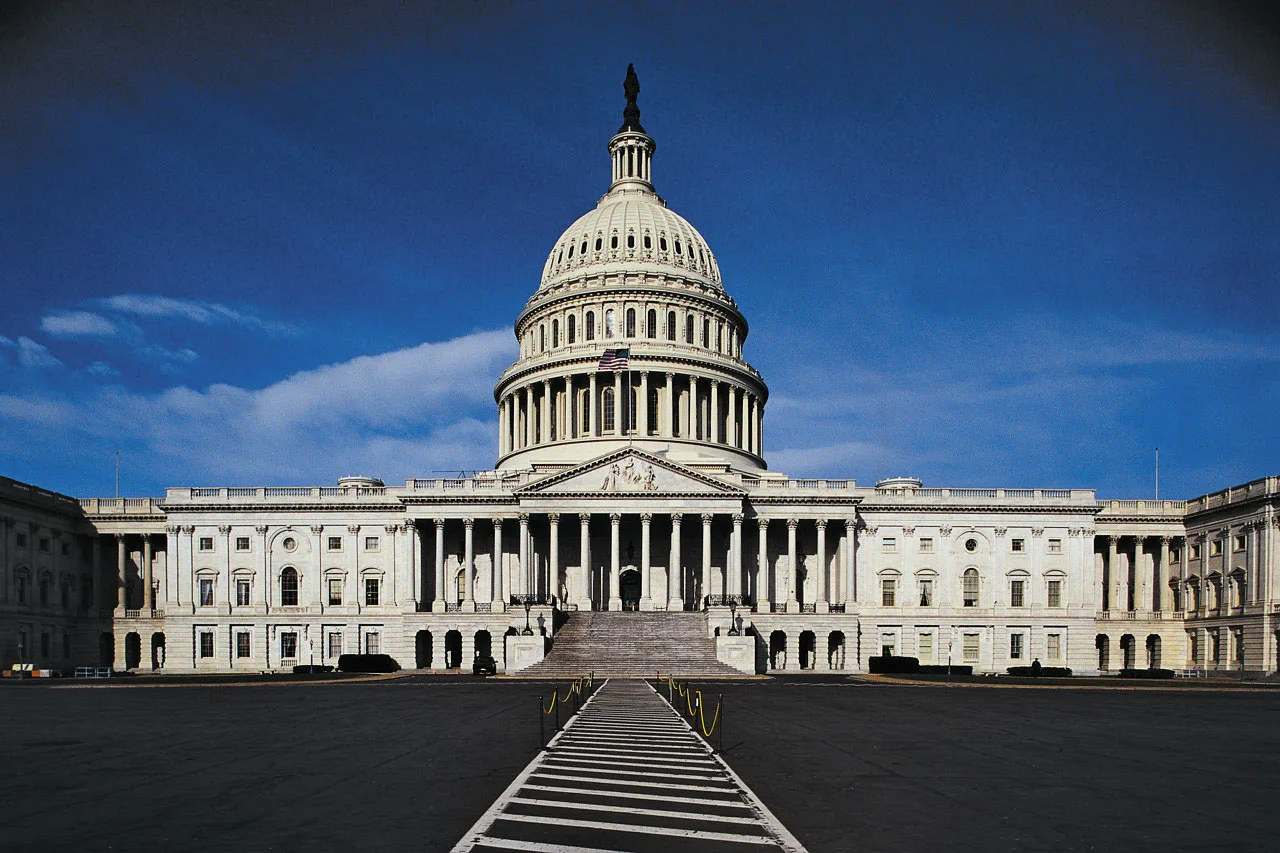
Midterms are America’s constitutional stress test. Not because the Constitution mentions “midterm elections” as a special category, but because the structure practically dares voters to send a message halfway through a presidency.
When prices climb and paychecks feel smaller, voters do what humans have always done. They look for the nearest steering wheel. And in modern American politics, the steering wheel looks a lot like the Oval Office.
With six weeks to go until Election Day and early voting already underway in a handful of states, the usual midterm forces are lining up. A constitutional lens on those dynamics starts with two realities: cost of living is dominating voter attention, and President Donald Trump’s approval rating is underwater. Those are headwinds for the party in power. They are also a civics lesson waiting to happen, because what voters feel and what the president controls are not the same thing.
Join the Discussion
Inflation and gas
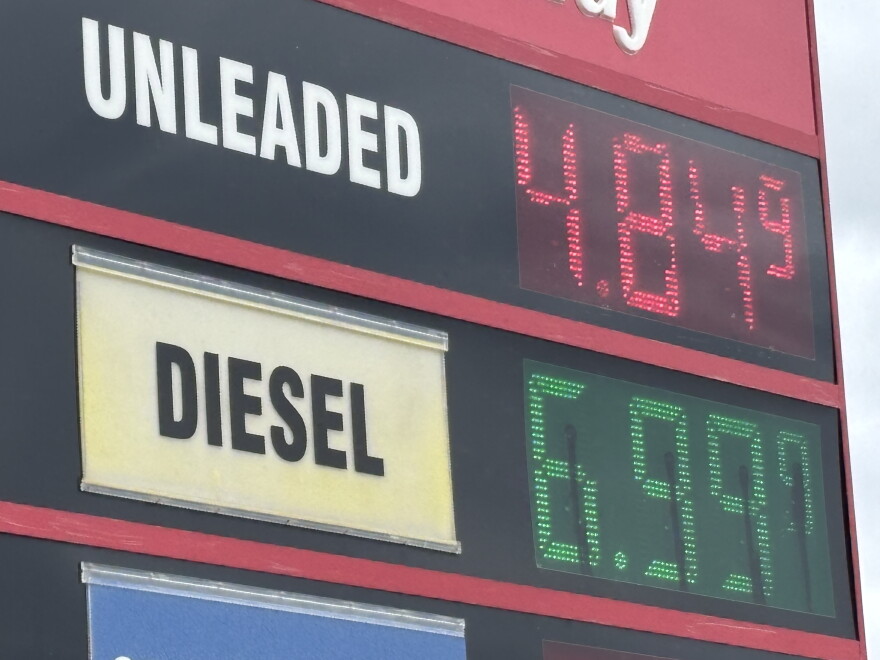
Fuel prices keep rising, with the national average for gas nearly $4.50 per gallon and diesel topping $6.50 per gallon, based on AAA’s recent figures.
Those numbers matter politically because they are the rare economic data point people see in giant font multiple times a week. Whatever the deeper causes, gasoline has a way of turning into a referendum on the people currently holding power.
President Trump has tried to reassign blame backward in time, arguing on social media: “Gas prices were much higher under Biden than under ‘TRUMP.’ So were almost all other prices.” But the political pattern is stubborn. When prices stay high, voters increasingly direct their frustration at the current administration, not the previous one.
War and the pump
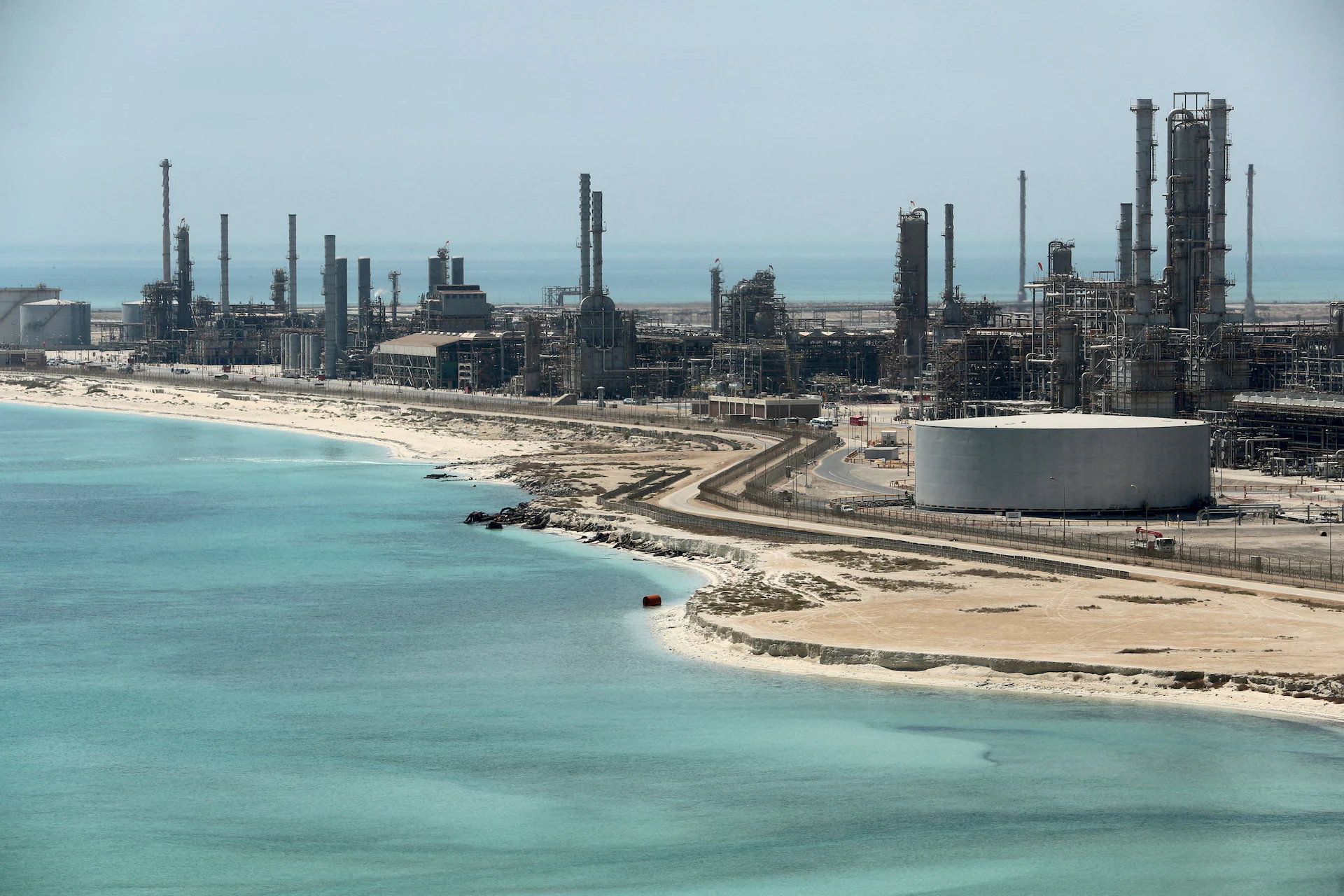
Gas prices feel personal, but they are not purely domestic. They can move because of war, disrupted shipping routes, sanctions, refinery capacity, and plain old market fear.
In 2026, fuel costs have been rising amid renewed fighting in the Middle East, alongside the war with Iran and Ukraine and attacks on Russia’s diesel industry. Those are not the kinds of variables any American official can fully control.
Still, presidents are not bystanders. They set foreign policy posture, they approve or halt certain federal actions, and they use the bully pulpit to justify tradeoffs. Democrats criticized Trump and Republicans after the president argued that fuel costs were “a very inexpensive price to pay for what we’ve done” as he pointed to attacks on Iran’s nuclear facilities. Voters are allowed to disagree and to vote like they disagree.
What the president controls
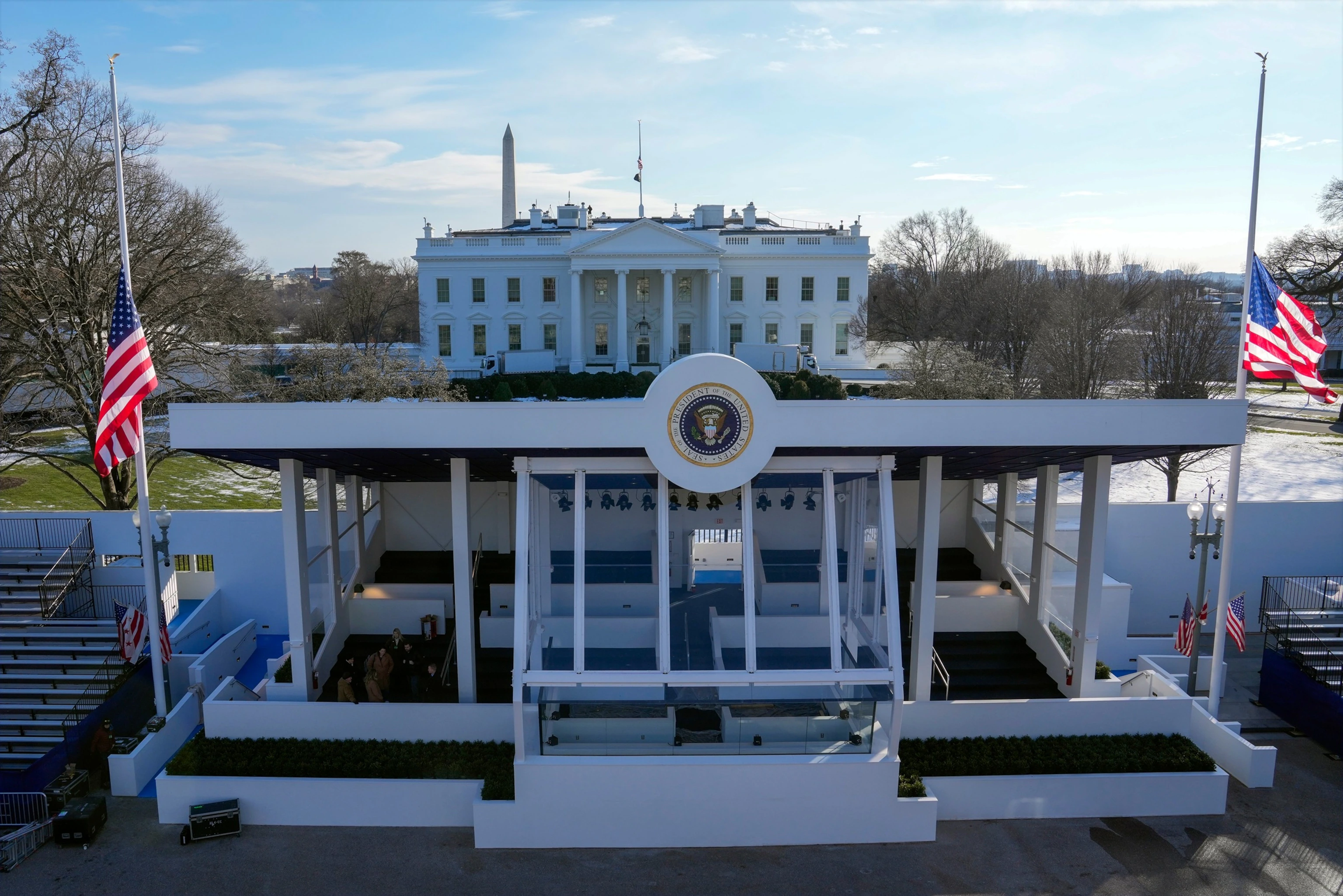
The Constitution gives the president real power, but not the kind of power most people imagine when they say “fix the economy.” Article II makes the president the executive. That means administering the laws Congress passes and directing the executive branch agencies that enforce them.
So what can the president actually do that touches inflation and energy prices?
- Execute and prioritize enforcement. Agencies can tighten or loosen certain regulatory approaches within statutory limits.
- Negotiate and conduct foreign policy. International crises can move energy markets fast. The president cannot control global supply, but diplomacy and military decisions can affect geopolitical risk premiums.
- Message and signal. Presidents shape expectations. Expectations shape economic behavior. That influence is real, but it is not a dial labeled “inflation.”
What the president cannot do alone is equally important: he cannot write tax law, he cannot appropriate money, and he cannot unilaterally restructure the economy just because voters want cheaper groceries next month.
What Congress controls
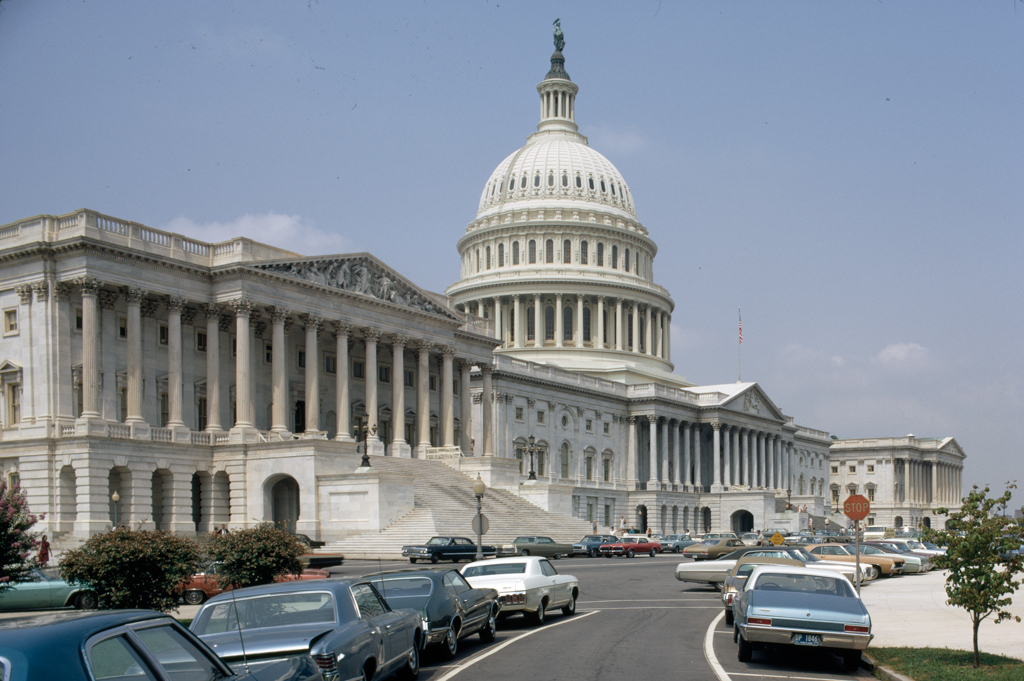
If you want to know who owns the largest inflation levers in the federal government, look at Article I, not Article II. Congress has the power of the purse. Congress taxes. Congress spends. Congress borrows by authorizing debt. Congress writes the laws that define what executive agencies may do.
That does not mean Congress can quickly force prices down. But it does mean Congress has the authority to make inflation better or worse over time by how it chooses to fund government, how it designs entitlements, and how it responds to crises.
Here is the problem for constitutional accountability: Congress is 535 people. The presidency is one person. Voters tend to punish the person they can name, recognize, and picture.
Approval as gravity
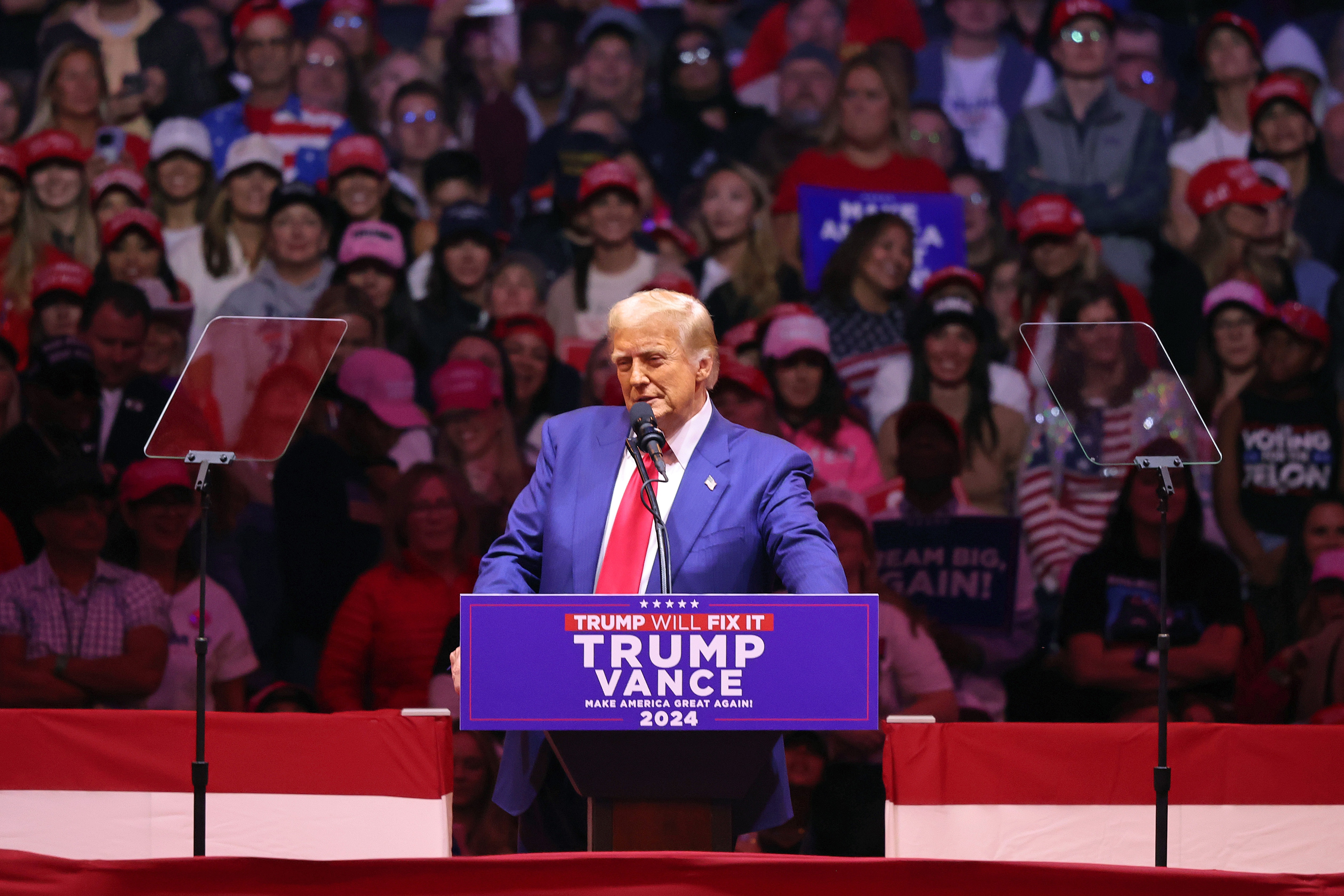
Presidential approval is not just a vanity metric. It is political gravity. A popular president can lift candidates who would otherwise be marginal. An unpopular president can turn every close race into a referendum.
In one national poll, President Trump’s approval stood at 39% among all voters. Yet inside the Republican coalition the numbers look radically different. The same poll showed him at 98% among self-described MAGA Republicans.
That split explains the strategic tension for Republican candidates in swing territory: hug the president to maximize base turnout, or create daylight to survive independent voters who are tired of the drama or unhappy with results.
Trump has leaned into that turnout logic on the trail, telling supporters: “I'm asking you to just pretend I'm on the ballot just one more time.”
When allies edge away
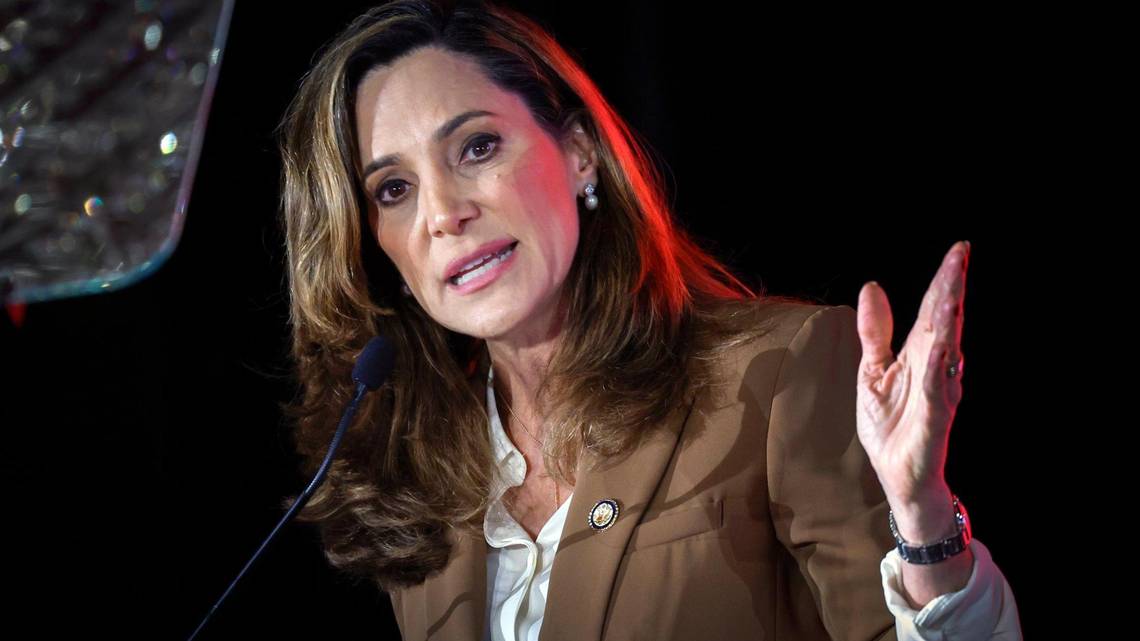
Watch what candidates do, not what they say about party unity. As the midterm environment tightens, some Republicans have already shown signs of selective separation from the administration.
Rep. Maria Salazar, who previously won re-election by a wide margin in Florida’s 27th Congressional District, released an ad criticizing the administration’s immigration enforcement as having “gone too far,” adding that “Hispanics who helped you get to the White House in 2024 feel betrayed today.”
On foreign policy, two prominent Trump allies in competitive Senate battles, Rep. Ashley Hinson in Iowa and former Rep. Mike Rogers in Michigan, demanded a swift end to the war with Iran.
This is not just campaign drama. It is the separation-of-powers system playing out through elections. Members of Congress are not cabinet secretaries. They are independently elected officials with their own constitutional job description and their own survival instincts.
Democrats and the left

Midterms are often a referendum on the party in power. But the out party can still complicate the picture, especially when its internal fights become a campaign issue.
Republicans are trying to turn the election into more of a choice by spotlighting high-profile primary wins by far-left and socialist candidates over more mainstream Democrats. At the midterm convention, Trump argued: “In state after state, the Democrat establishment has been overthrown and replaced by crazed lunatics and radicals. They call themselves Democrat socialists, but actually, they’re communists.”
Public skepticism of the Democratic Socialists of America is measurable. In the same polling, 55% of registered voters viewed the DSA unfavorably, while only about three in 10 saw the group in a positive light.
Democrats also carry brand baggage. The same polling showed the party still well underwater, with 55% of voters viewing Democrats unfavorably.
Money and ads
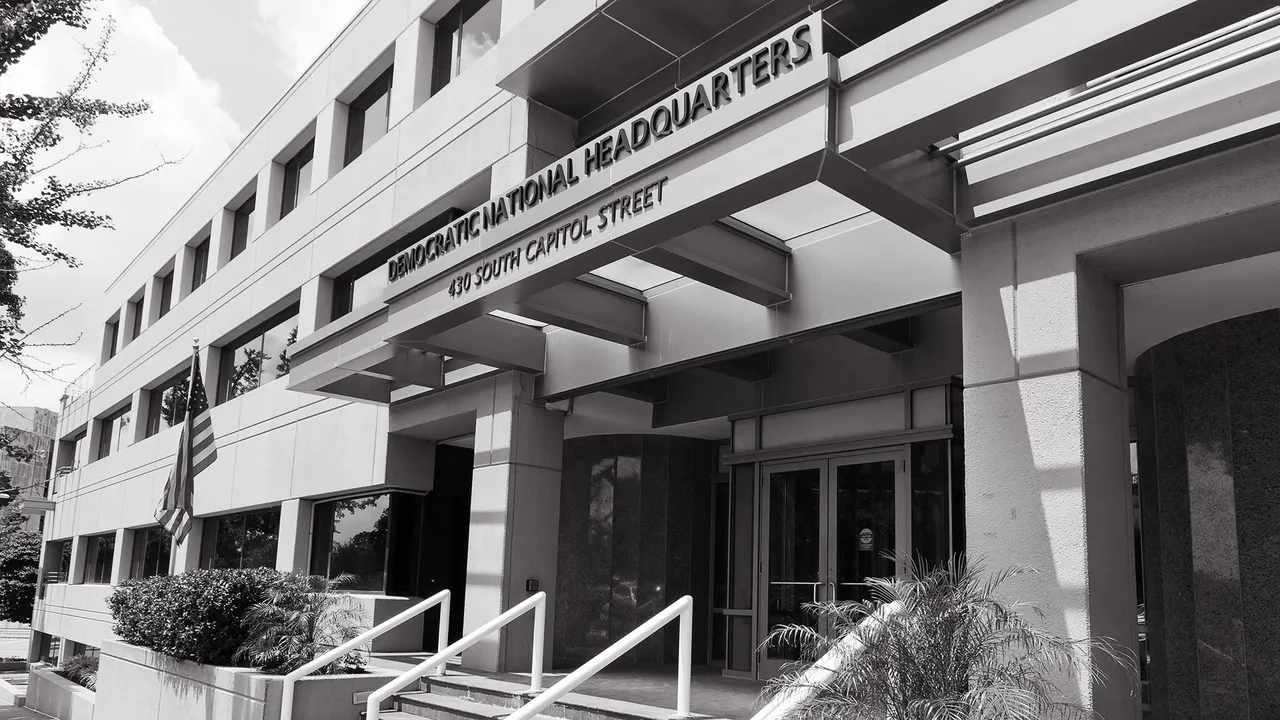
Constitutional structure shapes incentives, but campaigns are also governed by a simple modern fact: paid attention is still attention.
Republicans hold a formidable cash advantage, with the Republican National Committee far ahead of the Democratic National Committee in cash-on-hand. Outside groups, including the Trump-allied MAGA Inc., are also pouring money into the final stretch.
Since the start of September, Republican groups have outspent Democratic counterparts by more than $83 million on ads in ten crucial Senate races, based on figures tracked by AdImpact. Money is not destiny, but in close contests it can move the needle by defining the opponent before the opponent defines themselves.
Maps and math
There is also a lever voters never touch directly but feel indirectly every Election Day: district lines.
Texas passed a new congressional redistricting map thirteen months ago, a major early win for Trump’s push to help Republicans heading into the midterms. As the cycle moved forward, partisan redistricting potentially netted Republicans 10 additional right-leaning House seats.
But redrawing the map and winning on it are two different things. Headwinds can still knock a party off course even with friendlier terrain.
House and Senate maps
One of the most underappreciated dynamics in midterms is how uneven the battlefield has become. There are 435 House seats, but the Cook Report suggests control may come down to just 21 toss-up districts. Another set of power rankings lists 17 true toss-ups.
That narrowing can limit how big a wave can get in the House, even in a rough national environment for the party in power.
The Senate picture is the opposite. The map is widening, which helps Democrats. Democrats are defending open seats in Michigan and New Hampshire as they try to win back a Senate currently controlled 53-47 by Republicans. Meanwhile, Senate contests in Alaska, Kansas, Nebraska, and Iowa are now considered very competitive. Recent polling is also giving Republicans hope they can flip the Democrat-controlled open Senate seat in Minnesota.
How to vote realistically
If inflation and gas prices are your central issue, you can still vote on them without pretending any single office controls everything. Ask three questions:
- Who is making spending and tax promises that add up? That is Congress, first and foremost.
- Who is managing international risk responsibly? That is heavily presidential, though Congress funds and authorizes much of the long-term framework.
- Who tells you the truth about tradeoffs? That is everyone’s job, and too many fail it.
The Constitution does not guarantee cheap gas. It does not guarantee low inflation. What it guarantees is a structure where you can replace lawmakers who mismanage public power. Midterms are when Americans most visibly use that tool.
What to watch next
The final stretch will test whether the election stays locked on cost of living and war, or whether other forces change the trajectory. Watch for two practical tells:
- Whether vulnerable Republicans create more distance from Trump, or move toward him to juice turnout.
- Whether Democrats can exploit the widened Senate map and the narrow House battlefield, while keeping their own brand and ideological splits from becoming the story.
Strategy matters, but so does structure. A separated-powers republic works best when citizens insist on clarity about who controls what and then vote like they mean it.