
Join the Discussion
What senators are asking for
When senators urge a president to “release the home heating oil reserve,” the phrasing is often imprecise. They are not talking about the Strategic Petroleum Reserve on the Gulf Coast, or a federal stockpile of gasoline. They usually mean one small, purpose-built program created for one problem and one region: wintertime distillate shortages in the Northeast.
The important practical point is that the Northeast Home Heating Oil Reserve remains a real federal program with federally owned distillate positioned in the Northeast, stored under contract at commercial terminals. It is designed as a backstop that can be pushed into regional distribution systems during an emergency disruption.
That distinction matters because “release it” is not just a matter of opening valves. DOE may release it only after making the statutory findings Congress required, tied to an actual or imminent shortage that threatens health or welfare in the Northeast.
What the reserve is
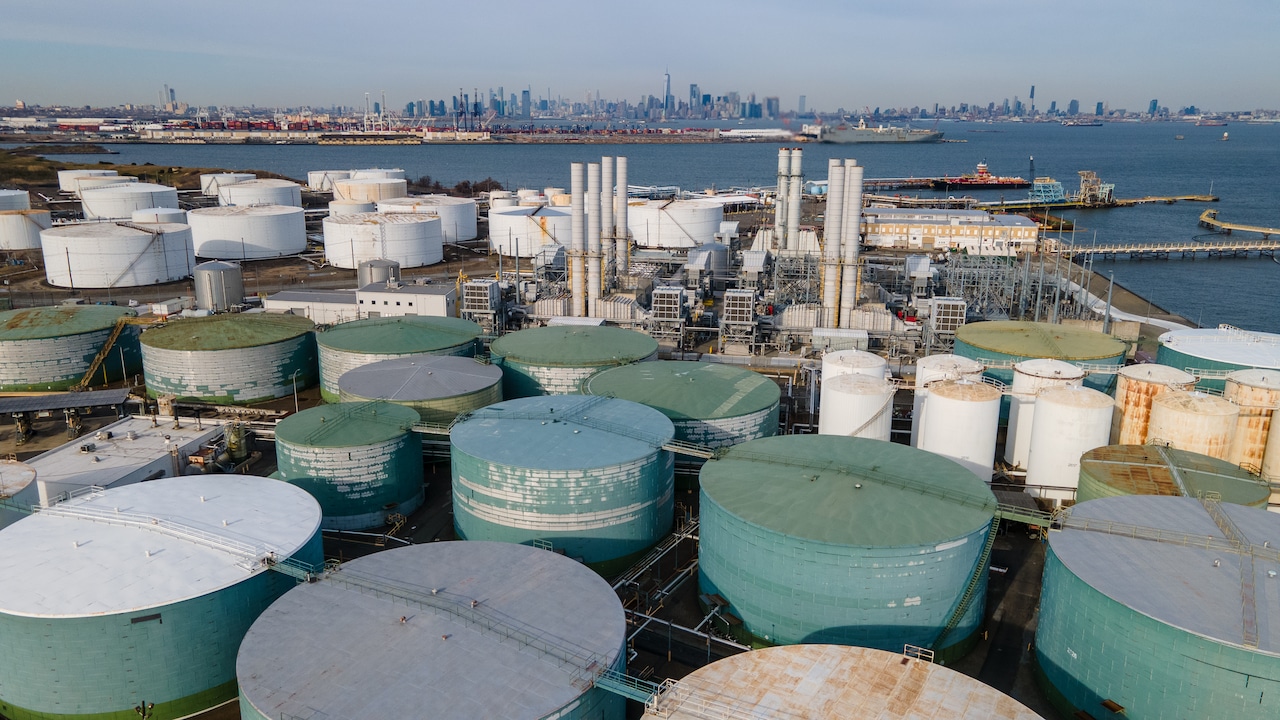
The United States maintains a dedicated reserve for heating fuel commonly called the Northeast Home Heating Oil Reserve. It stores distillate fuel that can be moved quickly into Northeastern markets during a disruption.
DOE has long described the program as having a maximum capacity of about 1 million barrels of ultra-low sulfur diesel (ULSD). That number describes the reserve’s rough capacity, not a guarantee of day-to-day inventory. (See DOE’s Northeast Home Heating Oil Reserve program description and related SPR program materials.)
If “home heating oil” and “diesel” sound like a mismatch, the simplest explanation is that ULSD is a distillate fuel that can substitute for heating oil in many supply chains and emergency uses. Using ULSD also reflects modern fuel specifications and the need for readily transferable product in commercial systems.
It is stored at commercial terminals in the Northeast so the fuel can move into local distribution networks on short notice. DOE generally does not publicize a fixed “one tank farm” location because the inventory is stored under contract in private terminal systems and can be repositioned as contracts change. Public DOE materials have historically described storage in multiple Northeast states and near major supply corridors.
The policy goal was never to permanently cheapen fuel. It is break-glass supply designed to stabilize availability during a short-term disruption that threatens public health and welfare.
Where it came from
The reserve traces to winter disruptions in the late 1990s that showed how quickly distillate tightness in the Northeast could become a public-safety problem.
DOE established the program in 2000 as a regional distillate reserve, aimed at preventing localized winter shortages from cascading into a broader health and safety emergency.
The legal authority
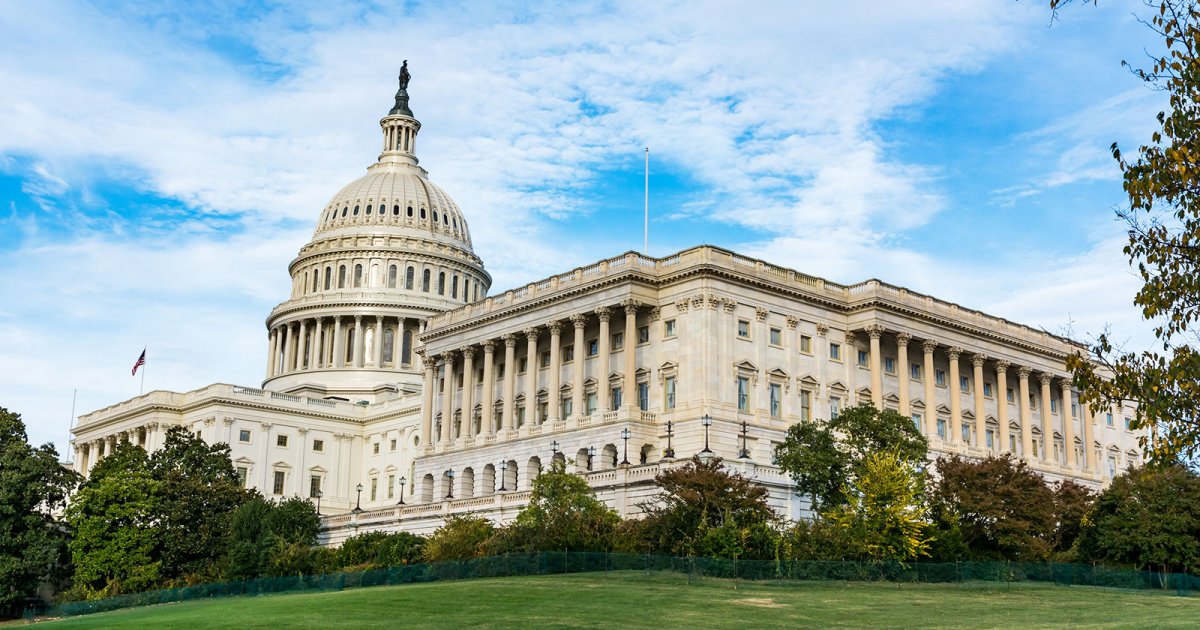
Congress placed this tool within the Energy Policy and Conservation Act (EPCA) framework and wrote a specific legal authority for a Northeast distillate reserve and its release criteria. In the U.S. Code, those provisions appear in 42 U.S.C. § 6241 (Northeast Home Heating Oil Reserve), including the statute’s release standards for the Northeast region.
The key legal point is straightforward: DOE’s power to release the reserve exists because Congress wrote it into EPCA, and a release must satisfy EPCA’s Northeast-specific findings.
How it differs from the SPR
- Size: The Strategic Petroleum Reserve is massive. The Northeast reserve is comparatively small.
- Fuel type: The Northeast reserve holds distillate fuel (ULSD), not crude oil meant for refineries.
- Purpose: The Northeast reserve targets regional winter disruptions. The SPR is designed for broader oil supply shocks.
Who controls it
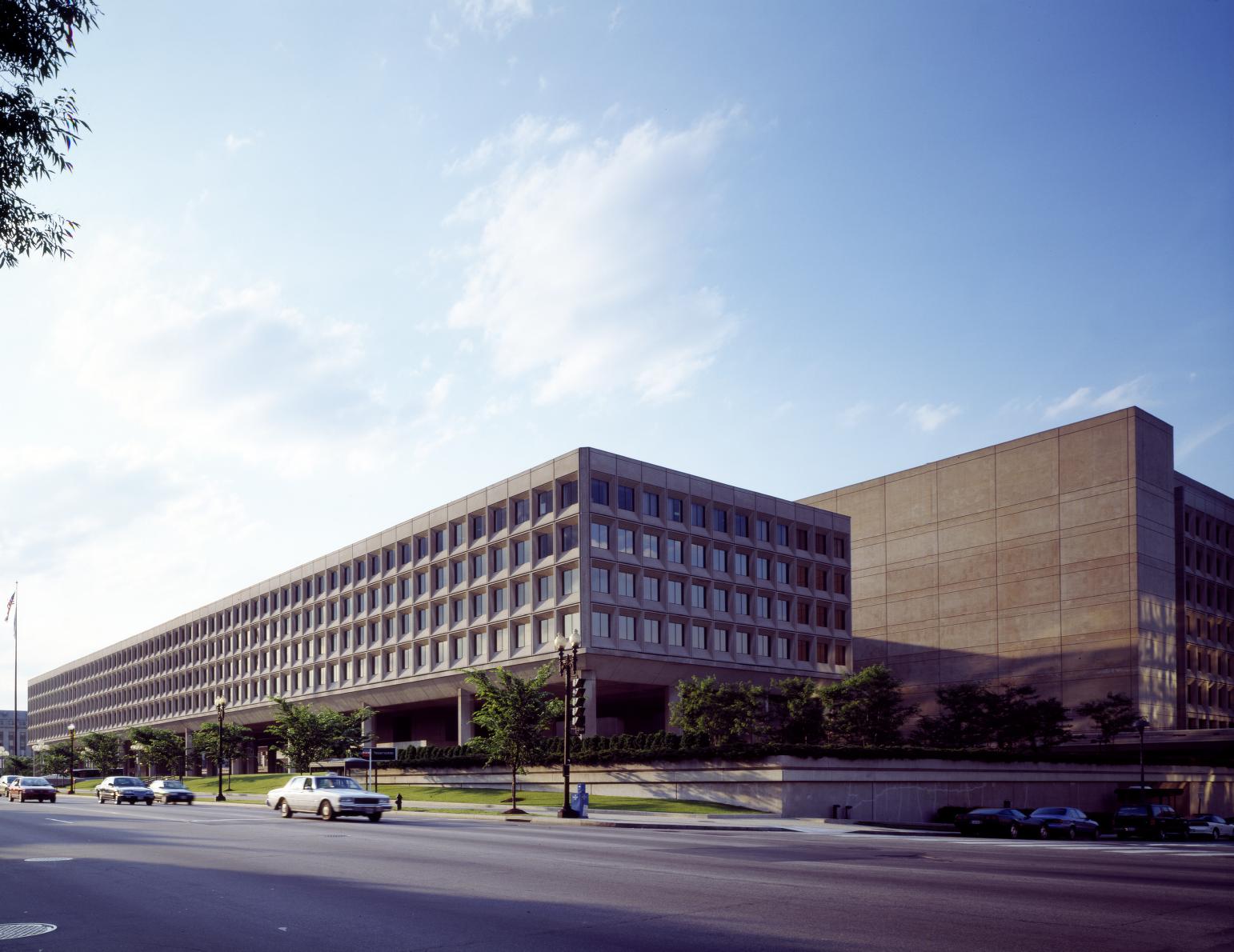
Even an emergency-sounding tool like an energy reserve lives inside an agency, under a statute, and inside a budget Congress appropriates. For the Northeast reserve, the key executive-branch player is the U.S. Department of Energy, acting through the officials and procedures EPCA established.
That does not mean the president is irrelevant. Presidents appoint top officials, set policy priorities, and can direct executive agencies within the boundaries of law. But a president’s ability to cause a release is not a free-floating constitutional power. It depends on Congress delegating authority through EPCA.
Practically, DOE leadership, typically the Secretary of Energy or delegated officials, makes the call under EPCA’s Northeast reserve standards aimed at a serious regional supply disruption. The program is structured around supply interruption and emergency need, not routine price management.
What changed in 2024
The headline change in 2024 was not that the heating-oil reserve was sold off. The major disposal direction in the Consolidated Appropriations Act, 2024 (Public Law 118-42) applied to the Northeast Gasoline Supply Reserve, a separate program focused on gasoline disruptions, not home heating oil.
That confusion is common for a simple reason: the programs have similar names, they are both Northeast-focused, and they are both DOE-managed regional reserves. But they are different inventories, different fuel types, and different policy targets.
By contrast, P.L. 118-42 did not direct a comparable sell-down of the Northeast Home Heating Oil Reserve in the way it did for the gasoline reserve. (For readers who want to verify this, the disposal language is in the enacted text of P.L. 118-42 addressing the Northeast gasoline reserve, not the EPCA authority for 42 U.S.C. § 6241.)
So when you see calls to “release the reserve,” the practical question is still the old one: do the facts on the ground satisfy the statutory emergency criteria, and would releasing limited barrels into regional distribution meaningfully address a real or imminent shortage.
Could a president release it to cut prices?
Sometimes, but only if the legal conditions are satisfied.
A president can only lawfully cause a release if there is statutory authority to do so under defined conditions. The governing framework sits in EPCA and is written for a Northeast distillate emergency, not day-to-day price politics.
The legal trigger
“Prices are high” is a political reason. It is not automatically a legal reason. Under EPCA’s Northeast reserve authority, DOE’s release decision is tied to the statute’s Northeast-specific emergency findings in 42 U.S.C. § 6241, which focus on an actual or imminent regional distillate shortage and the associated risks to public health and welfare.
What counts as an emergency
- Physical shortage risk: Evidence of a supply problem in the Northeast, not just an unpopular price.
- Meaningful harm: Conditions that would significantly affect communities or critical services.
- Health or welfare stakes: A situation where lack of distillate delivery becomes a public-safety problem.
A useful contrast
- More like the law was designed for: A cold snap plus a refinery outage, pipeline disruption, port closure, or storm-related distribution breakdown that creates imminent shortages in the Northeast.
- Less like the law was designed for: Prices rising mainly because of global crude or distillate markets, where the Northeast is still being supplied normally.
What a release can do
- Short-term relief: It can add supply quickly during a crunch, especially if local inventories are tight.
- Signal effect: It can also signal that government is willing to act, which sometimes affects market behavior.
- Limited reach: Because the reserve is finite, it usually cannot overpower long-term drivers like global distillate balances, transport constraints, or broad crude price trends.
How a release works
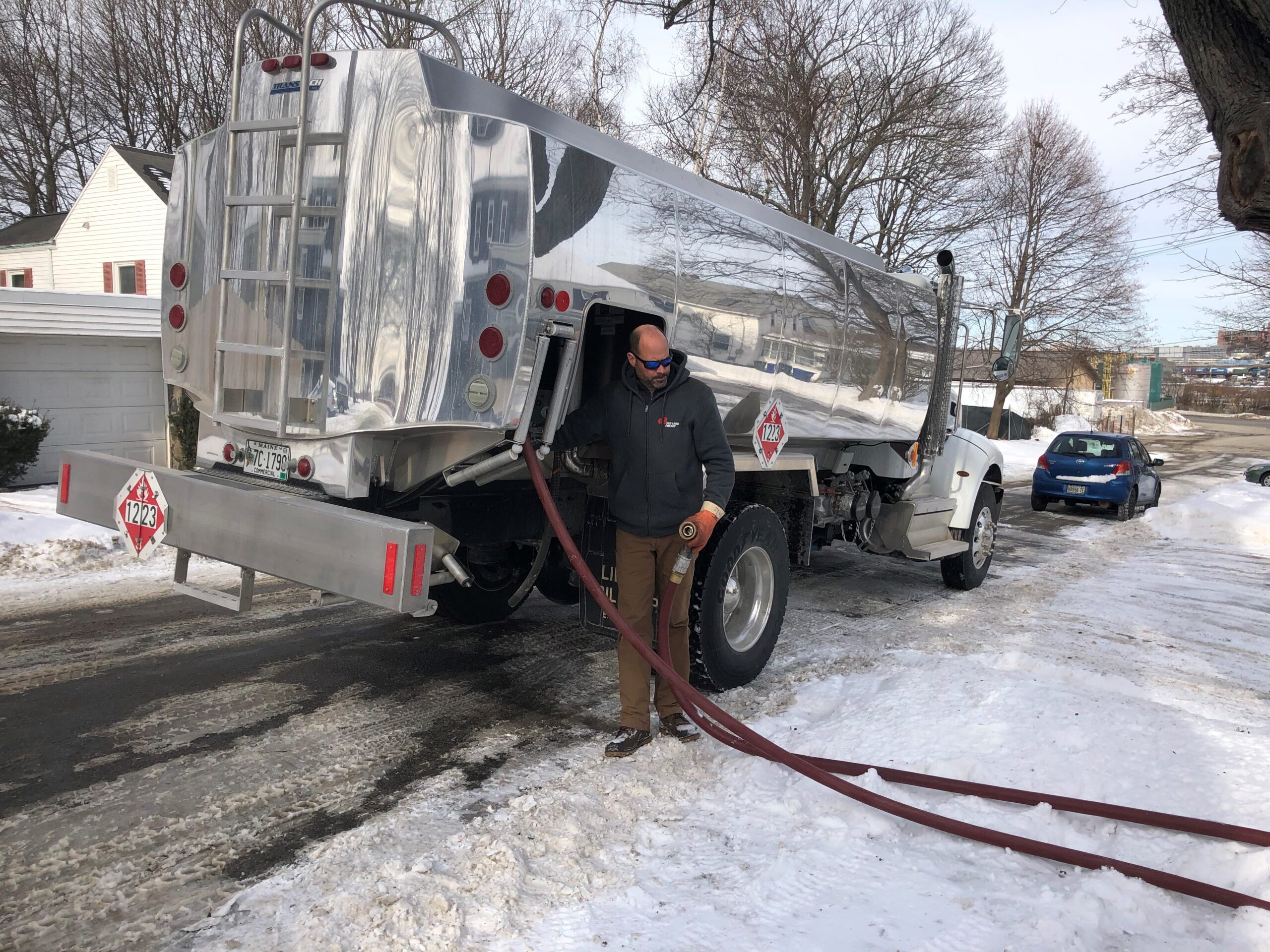
When the reserve is used, the mechanics resemble an emergency market intervention, not a direct-to-households giveaway. DOE can sell product into the market or run an exchange designed to move distillate into the region quickly, using existing commercial distribution channels. In practical terms, barrels go to qualified counterparties such as wholesalers and large distributors who can deliver into retail heating-oil and diesel supply chains.
Sale vs exchange
- Sale: DOE sells barrels to qualified buyers, and the reserve inventory goes down until DOE replenishes it later through procurement.
- Exchange: DOE lends barrels out quickly, and the counterparty repays later with additional barrels or other agreed consideration, so the reserve can be restored after the immediate emergency passes.
A concrete example came after Hurricane Sandy. In November 2012, DOE announced an exchange of up to 2 million gallons of distillate, about 48,000 barrels, from the Northeast Home Heating Oil Reserve to support emergency response needs during regional disruptions. (DOE, press release announcing the NHOR exchange after Sandy, November 2012.)
That Sandy period also included other emergency logistics actions by federal and state officials, such as temporary transportation-related flexibility intended to help fuel move into stressed markets. Those measures mattered, but they were separate from tapping a federal distillate stockpile.
Where the Constitution fits
It is tempting to treat energy reserves like a presidential dial for prices. Constitutionally, it works more like a key: the executive branch can use it only because Congress created it and specified the conditions for using it.
The president’s role sits at the intersection of three constitutional ideas:
- Congress controls the purse: Under Article I, Congress funds programs and sets the rules for federal property and spending.
- The president executes the law: Under Article II, the president must “take Care that the Laws be faithfully executed.”
- Delegation and limits: When Congress delegates discretion to the executive branch, it can also cabin that discretion.
So the constitutional answer to “could the president release it” is: the president can act through the executive branch to the extent Congress authorized it. The appropriations lesson is equally direct: Congress can expand, limit, or redirect these tools through funding and statutory instruction.
Why senators lobby the White House
If Congress created the reserve, why do lawmakers so often pressure the White House instead of passing a law ordering a release? Timing and visibility. A winter fuel spike does not wait for a legislative calendar, and a letter is fast, public, and aimed at the officials who can focus agency attention quickly.
But that political reality never changes the legal one: even a strongly worded request cannot create authority that Congress did not already grant. It can, however, push the executive branch to examine whether the statutory criteria are met and whether an emergency action is warranted.
What tools exist now
Because the Northeast Home Heating Oil Reserve still exists as a federal backstop, it remains one tool available during a true regional distillate emergency. But it is not the only tool, and it is not a substitute for broader energy and household-relief policy.
- Congressional funding tools: Congress can increase or accelerate assistance through programs like LIHEAP, which can help households pay heating bills even when fuel is expensive.
- Targeted regulatory flexibility: In limited circumstances, federal agencies can provide narrow relief that affects supply logistics, such as certain fuel specification or transportation-related waivers, depending on the statute and the facts on the ground.
- Broader oil market tools: The administration can use tools that affect the overall petroleum market, including SPR actions, though those are not the same as injecting distillate directly into Northeast heating oil distribution.
- State-level emergency measures: States can take steps within their own authorities, such as emergency declarations that affect hours, trucking rules, or procurement, depending on local law.
None of these is a perfect fix for a tight distillate market. That is why the Northeast reserve remains politically attractive: it is pre-positioned fuel tied to an emergency release framework.
What a president cannot do
Presidents have significant emergency authorities, but they do not have a general, free-standing constitutional power to set fuel prices or commandeer private fuel supplies at will. When price controls, allocations, or compulsory prioritization have existed in U.S. energy markets, they have generally rested on specific congressional authorization and detailed statutory procedures.
Absent that kind of statutory authority, actions that look like direct price controls, uncompensated seizures, or ad hoc redistribution can run into statutory limits, administrative law requirements, and constitutional constraints. The Northeast reserve is attractive precisely because it is a tool that has already been authorized, structured, and given an administrable release process in EPCA.
Why prices rise before winter
Even without any one dramatic event, heating oil prices can climb for familiar reasons: seasonal demand, tight refinery capacity for distillates, transport constraints, and competition with other distillate uses. A cold forecast can tighten markets early. A disruption in supply routes can tighten them suddenly.
When lawmakers call for a “release,” what they are often reacting to is that same underlying fear: not just that fuel is expensive, but that a tight market can become a physical shortage at exactly the wrong moment.
Quick answers
Does the federal government still have heating oil set aside for winter?
Yes. The federal government still maintains the Northeast Home Heating Oil Reserve as a Northeast emergency reserve of distillate fuel. It is best understood as a DOE-managed program with a maximum capacity of about 1 million barrels, with inventory levels that can vary. (DOE program materials describe the reserve and its capacity.)
Could the president release it whenever prices went up?
Not simply because prices are politically painful. Release authority depends on meeting EPCA-based criteria in 42 U.S.C. § 6241 tied to an emergency distillate shortage affecting the Northeast and the resulting risks to health or welfare.
Who pushes the button?
The action is carried out by the executive branch through the Department of Energy under rules Congress authorized. The president can influence that process through supervision of the executive branch, but the power originates in statute and depends on continued appropriations and maintained authority.