
Every city has bills. Chicago has bills that behave like gravity. They pull everything down, year after year, no matter who sits in the mayor’s chair.
Start with the headline number: Chicago owes roughly $55 billion to banks and its pension funds. To stay current on obligations tied to that debt, the city must spend billions every year from its main operating account, the corporate fund. The tab includes $19 billion in loan payments backed by property and sales tax revenue and about $36 billion tied to retirement obligations for former employees. The city also carries other debt for water and sewer projects and for airport operations, but that is generally repaid through user fees rather than the corporate fund.
What makes this story so difficult is not only the money. It is the pattern. Budget deficits and financial crises now arrive with regularity, and each time City Hall faces the same ugly menu: cut services, raise revenue, or find a workaround that postpones the pain.
Join the Discussion
The trap is on the calendar
Chicago’s financial crises did not arrive as one sudden collapse. They arrive like clockwork. Pension contributions rise, debt service comes due, and the corporate fund absorbs the shock. City leaders then face crucial decisions on how to dig out.
Chicago’s track record shows what happens when “workaround” becomes the default choice. Three decisions, each defensible in the short run, ended up compounding into a long-run taxpayer trap.
Pensions: the holiday
In 2000, Chicago’s pensions were about 85% funded, meaning the funds could easily pay benefits as employees retired. Then came a double hit from market turmoil. The burst of the dot-com bubble in 2000 and the Great Recession in 2007 together erased nearly $16 billion from pension investments.
Around the same time came a self-inflicted blow. In 2005, Illinois lawmakers, at the request of then-Mayor Richard M. Daley, passed legislation allowing Chicago to contribute less each year than what was actually needed to pay retirees.
As a result, in 2006 and 2007, Daley stopped making annual contributions to four pension funds serving police officers, firefighters, laborers, and municipal employees. The City Council gave near-unanimous support. It helped balance budgets without the one thing elected officials most fear: a property tax hike.
By 2010, lawmakers had seen enough to bar another pension holiday and impose a firm payback schedule for the skipped payments. State law requires two pension funds to reach 90% funding by 2055, with the other two reaching that level by 2058. That timetable is one reason the city’s annual payments spiked.
Lawmakers later tried to ease Chicago’s growing pension burdens by reducing retirement benefits for state employees hired on or after January 1, 2011. But the changes cut benefits too drastically. Under federal law, public-sector pension funds must pay workers no less than what they would have earned if they paid into Social Security.
In 2021 and 2025, lawmakers changed the law to ensure Illinois police and firefighters receive at least the federally required minimum. Gov. JB Pritzker signed the changes over the objections of city officials. City projections put the cost at an additional $11 billion over the next three decades to meet the 90% funding targets required by state law.
Chicago’s pension story has a simple moral, and it is not ideological. Skipped payments do not vanish. They become a schedule of larger payments later.
Parking meters: one check
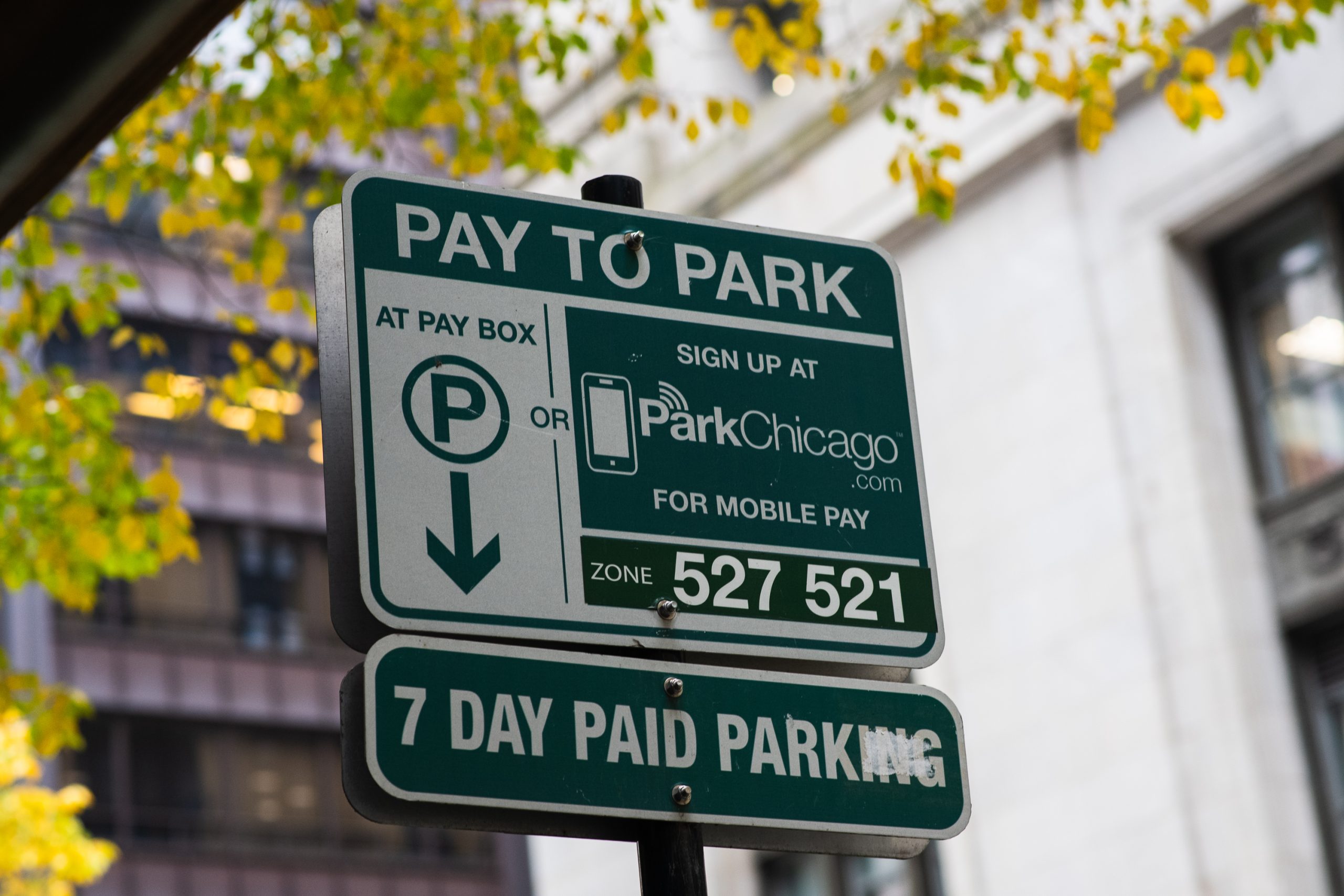
In 2008, facing big deficits in the wake of the Great Recession, City Hall reached for a deal that sounded tidy on paper: lease the city’s parking meters for 75 years to a consortium of investment funds in exchange for $1.5 billion up front.
The political benefit was immediate. The city filled holes without raising property taxes. But a 75-year lease is not a budget adjustment. It is a long transfer of public value to private control.
The backlash also arrived immediately. Parking rates rose, public anger followed, and council members began regretting their votes within months. Daley announced he would not run for reelection.
The long-term math is harsher. By 2025, the meters had generated $2.2 billion for the investors, with 58 years still left on the lease.
This year, the city looked at buying the meters back. Mayor Brandon Johnson said the city walked away because “the final purchase price was far too high.” The buyback would have required borrowing billions to finance a $3.2 billion price tag.
Across the political spectrum, Chicago officials agree the city would have been better off raising property taxes in 2008 instead of leasing the meters.
But property taxes remain the third rail in Chicago politics. In 2021, then-Mayor Lori Lightfoot raised them by $93.9 million and adopted a budget that automatically increased property taxes with inflation. Johnson campaigned against those automatic increases, and Lightfoot dropped a proposed $42.7 million hike in 2023, months before losing her reelection bid. The automatic inflation-linked increase was eliminated, even though it could have prevented the city’s credit rating from being downgraded repeatedly and significantly reduced annual budget gaps.
The meter deal has a postscript. Chicago Parking Meters LLC sold the contract earlier this year to an investment firm, triggering a one-time $75 million payment to the city. The City Council and Johnson then clashed over whether and how to use the money for pension costs, a fight that opened a temporary hole in the 2027 city budget.
Misconduct payouts: real bills
Debt is not only created by financial instruments. It is also created when government violates rights and later pays to settle the bill.
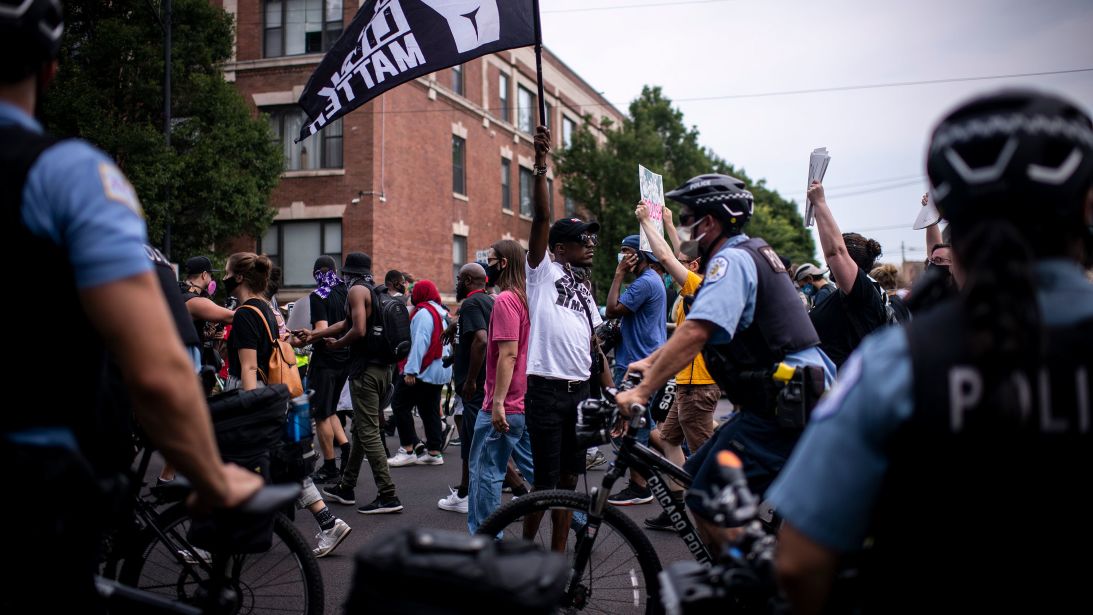
The 2014 police murder of Laquan McDonald, a 17-year-old shot 16 times as he walked away from officers, changed nearly every aspect of City Hall politics around policing. After public outrage over video of the shooting, the federal government launched a probe that in 2017 found ample evidence that the Chicago Police Department routinely violated the constitutional rights of Black and Latino Chicagoans.
In 2019, the Chicago Police Department agreed, under the oversight of a federal judge, to overhaul training, supervision, and discipline. In taking so long to address the problem, a succession of city leaders set Chicago up for a huge financial hit.
From 2019 through 2025, Chicago agreed to pay nearly $730 million to resolve lawsuits alleging a wide range of misconduct. The most expensive cases involve wrongful convictions later overturned, as well as botched raids and police pursuits that violated department policy and caused injuries.
In 2026 alone, the city has spent more than $277 million settling misconduct lawsuits. That includes nearly $100 million to resolve 90 lawsuits brought by people who say they were wrongfully implicated based on evidence tied to former Sgt. Ronald Watts, who was convicted in 2013 of taking bribes and has denied wrongdoing.
Johnson has urged the City Council to borrow an additional $481 million to cover anticipated settlement costs, including $260.8 million earmarked for 17 people wrongfully convicted based on evidence developed by former detective Reynaldo Guevara. In 2017, a judge found Guevara told “bald-faced lies” under oath, a finding that will be presented to juries in civil cases evaluating whether the city should be held accountable. Guevara has repeatedly invoked the Fifth Amendment when pressed for testimony in civil litigation. Another 25 lawsuits naming him remain pending.
City officials have acknowledged that Guevara has cost taxpayers more than any other officer, including former Cmdr. Jon Burge, who tortured and beat more than 100 Black men from the 1970s to the 1990s. Guevara, who retired in 2005 and lives in Texas, collects an annual $91,000 payment from the city’s depleted police pension fund.
Three choices, one habit
Put these threads together and you see the same civic weakness repeating itself: avoiding hard choices for expediency leads to trouble.
- Pension holidays traded a balanced budget for a future schedule of mandatory, escalating payments.
- The parking meter lease swapped decades of public revenue for a one-time cash infusion, and later forced an expensive buyback conversation.
- Misconduct payouts turned rights violations into massive settlement costs, with new borrowing proposed to manage the fallout.
Each move reduced immediate political pain. Each move raised long-term taxpayer exposure. That is why “debt spiral” is not just a metaphor. It is a description of incentives.
The question
Who pays when government refuses to choose?
Chicago’s answer, over and over, has been: later taxpayers and later city councils. But “later” eventually becomes “now,” and the bill arrives in the corporate fund.
The core lesson is not mysterious. When leaders rely on pension holidays, asset leases, and borrowed money to dodge the choices, they are shifting costs into the future. And the future always sends the invoice back.
Quick numbers
- $55 billion: total owed to banks and pension funds. The city spends billions each year from the corporate fund to stay current on obligations tied to that debt.
- $19 billion: loan payments backed by property and sales taxes.
- $36 billion: pension obligations tied to retirement benefits for former employees.
- 85%: pension funding level in 2000.
- $1.5 billion: upfront payment for the 75-year parking meter lease.
- $2.2 billion: parking meter revenue generated for investors by 2025, with 58 years remaining.
- $3.2 billion: buyback price the city considered too high, requiring borrowing billions.
- $730 million: misconduct lawsuit settlements from 2019 to 2025.
- $277 million+: misconduct lawsuit settlements in 2026 alone.