Every administration wants to steer federal grant money toward its own priorities. That is not new. What is at issue here, and constitutionally combustible, is whether the government can comb through scholars’ words, identify certain terms, and then terminate previously awarded funding because it views the work as out of step with the president’s priorities.
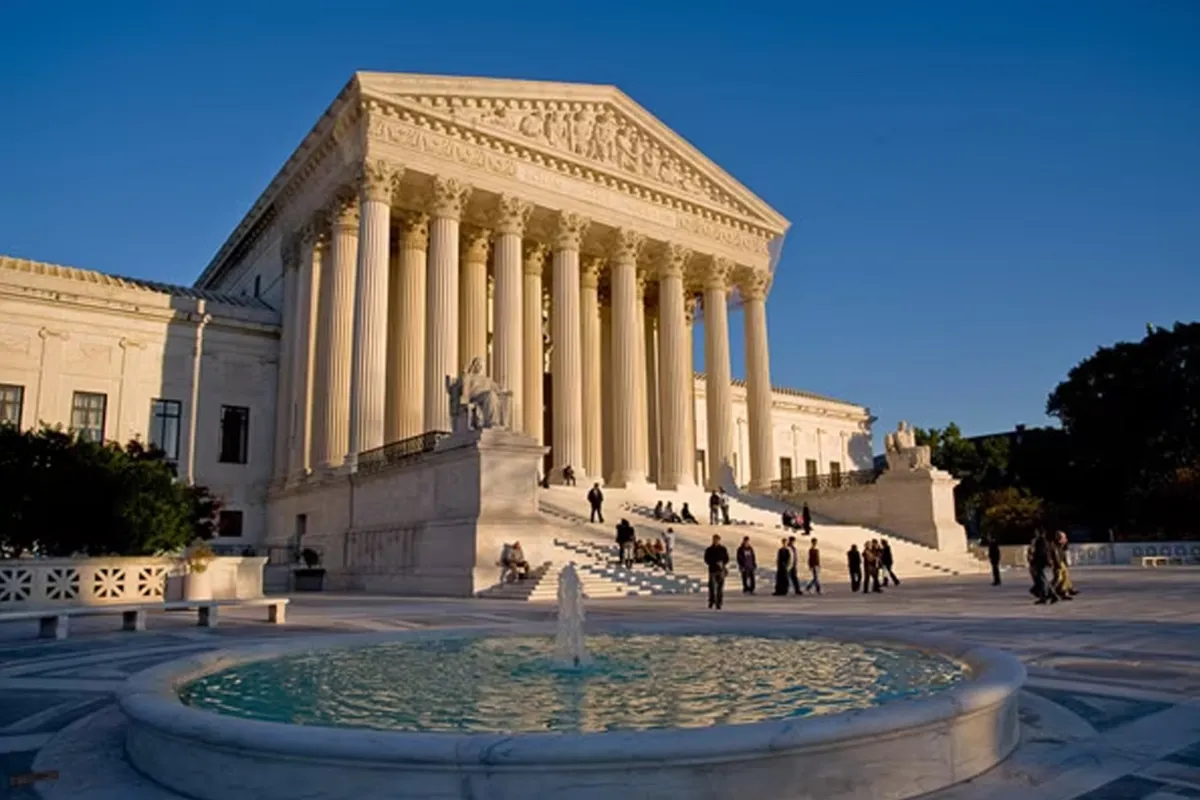
On Monday, the Supreme Court declined to hear the Trump administration’s appeal over the termination of research grants awarded to University of California researchers. That move leaves in place a lower-court ruling that the mass cancellations likely crossed a First Amendment line.
So here is the real question I used to put on the whiteboard for my civics students: when Washington hands out money, who is actually in control, Congress, the president, or the courts?
Join the Discussion
What the court did
The Supreme Court did not issue a constitutional manifesto. It did not write an opinion. It simply refused to take the case.
But in practice, that refusal matters because it keeps the U.S. Court of Appeals for the 9th Circuit’s decision in force. The lower courts concluded the grant terminations were likely unconstitutional because they were based on the perceived viewpoint of the research rather than any neutral, program-based rule.
As a result, the preliminary injunction requiring reinstatement of certain grants remains in effect after the Supreme Court’s decision not to take the case.
Why the administration pushed back
The Justice Department warned that letting the 9th Circuit decision stand would clear the way for taxpayer dollars to go to research projects promoting DEI initiatives.
That was the heart of the administration’s pitch to the justices: it wanted more leeway to cut off funding it viewed as inconsistent with President Trump’s priorities, including on diversity, equity and inclusion.
How it started
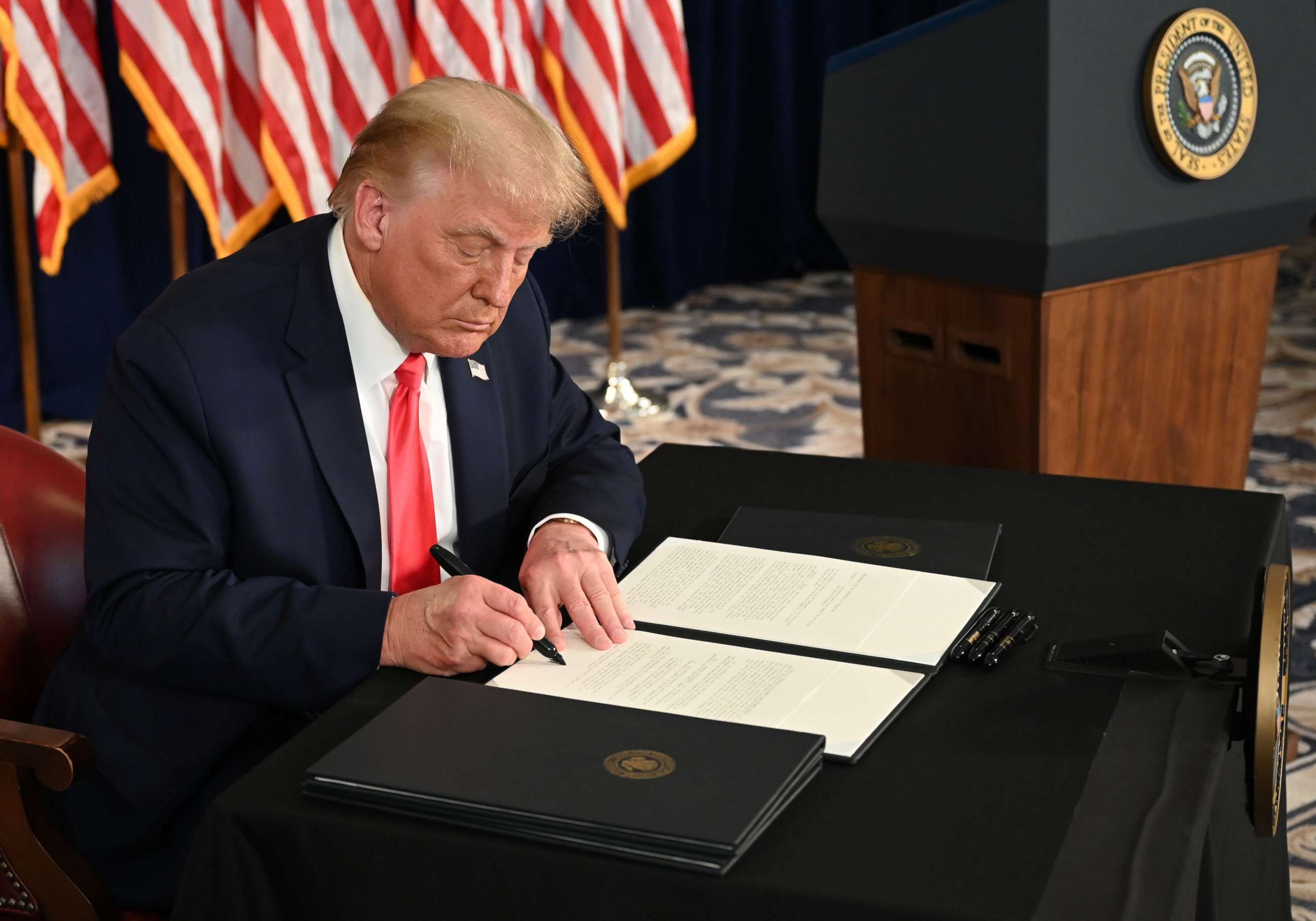
The conflict traces back to the first days of President Trump’s second term, when he signed executive orders instructing federal agencies to cancel grants related to certain topics, including DEI.
The lawsuit originally involved grants from the Environmental Protection Agency, the National Science Foundation and the National Endowment for the Humanities. While the case proceeded, the EPA portion later settled, leaving only the NSF and NEH awards in the Supreme Court fight.
Lawyers for the University of California said that from January to June 2025, more than $324 million in grants to the university system were cut off. They said the two agencies carried out the executive orders by conducting keyword searches of grant applications, and then canceled awards that used words like “diversity,” “climate change” and “gender ideology.”
Grant recipients began receiving termination letters in April 2025. Several months later, six University of California researchers who received grants from the EPA, NSF and NEH filed suit and asked a court to restore the funding.
Where the First Amendment fits

A lot of Americans have absorbed a simple slogan: the government does not have to subsidize speech. There is truth in that, as far as it goes.
But this case was not about creating a new program from scratch or setting neutral eligibility rules on the front end. It was about canceling individual grants inside existing programs, and courts concluded the terminations were likely based on the perceived viewpoint expressed in the research.
In June 2025, U.S. District Judge Rita Lin sided with the plaintiffs and certified a provisional class covering University of California researchers whose grants were terminated under the executive orders targeting DEI-related initiatives. She said the Trump administration terminated the grants en masse for touching on issues it said were prohibited and ruled that the funding was likely terminated based on the perceived viewpoint expressed in the research. She ordered the Trump administration to reinstate grants from the NSF, NEH and EPA.
The 9th Circuit upheld the district court’s preliminary injunction in May, agreeing that the terminations likely violated the First Amendment’s ban on viewpoint discrimination. The appeals court said the administration “has not merely exercised its power to choose the programs it funds but has instead terminated individual grants in existing programs based on the perceived viewpoints of individual speakers.”
That sentence is the whole case in miniature. Government can pick what it funds. Government cannot discriminate against speakers inside a program because it decides their viewpoint is the wrong one.
What is still at issue
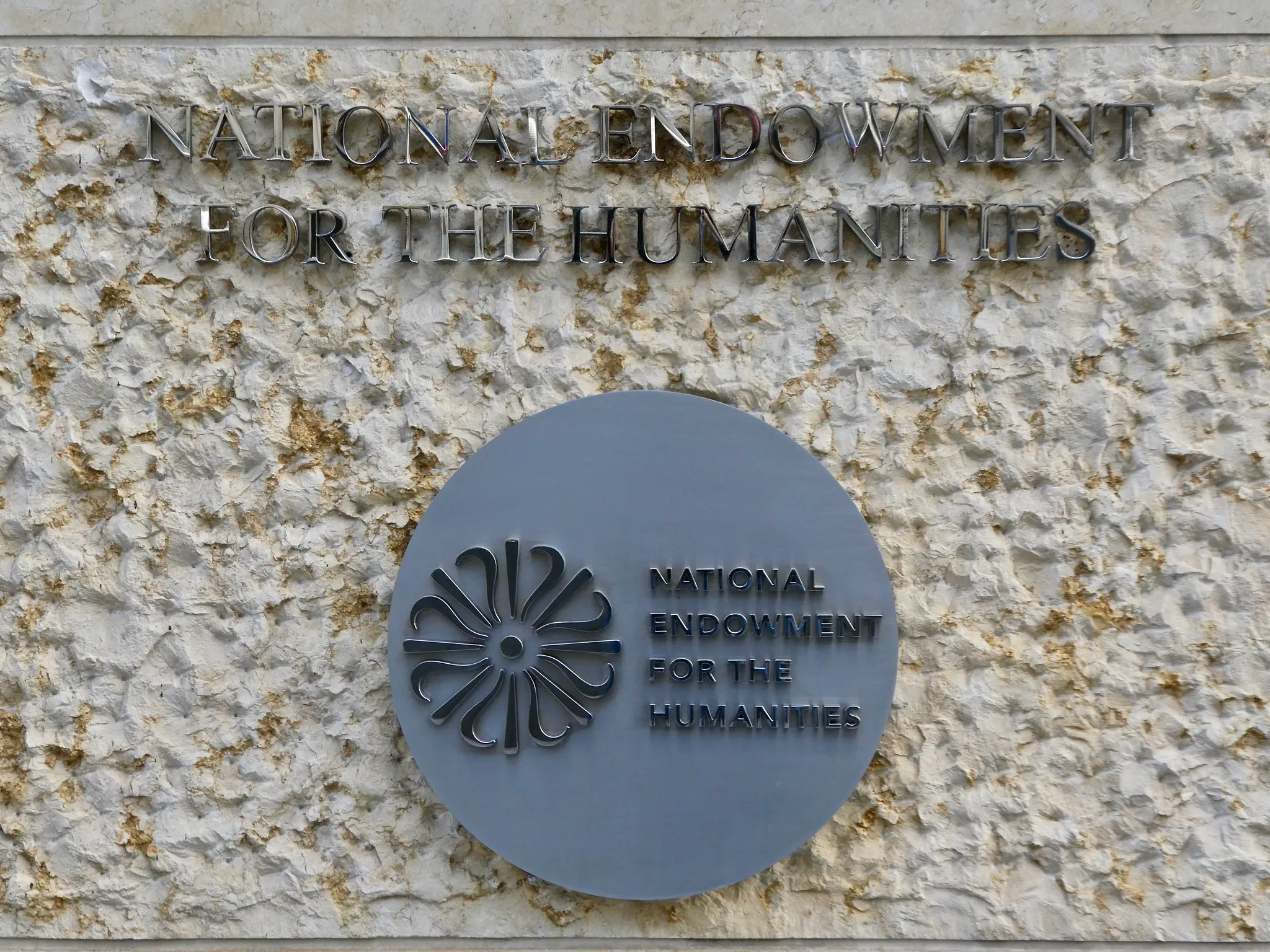
Because the EPA portion of the dispute settled, only the awards from the NSF and NEH are still at issue in this Supreme Court-related fight.
The Trump administration said there was approximately $59 million remaining on the grants, which will expire as late as November 2029.
The civics lesson
This dispute lives in the seam between two realities my students always wanted to flatten into one.
- Congress creates agencies, appropriates money, and defines what grant programs are for.
- The executive branch administers those programs and makes day-to-day funding decisions within that structure.
Presidents absolutely influence funding through executive-branch management. But when the government is accused of terminating individual grants inside existing programs based on perceived viewpoints, the First Amendment becomes the referee.
The Supreme Court’s silence does not end the case. It does mean the lower courts’ First Amendment analysis, and the injunction they upheld, remain the controlling rules for this dispute right now.