
When a story about immigration enforcement goes viral, a particular acronym tends to surface alongside the anger and grief: VOICE. It sounds like a hotline. It sounds like a task force. It sounds like a promise.
In reality, ICE’s VOICE office was something more specific and more bureaucratic: a federal victim engagement program housed inside the executive branch, designed to give certain victims a way to ask questions and receive information about immigration enforcement actions involving noncitizens.
But VOICE is also a moving target in time. The office was established in 2017, and DHS announced in June 2021 that it was replacing VOICE with the Victim Engagement and Services Line (VESL). So when VOICE appears in headlines or social media today, it may be shorthand for that earlier office, for the successor line, or for efforts to restore the VOICE name. The functions matter either way, because the constitutional friction point does not change: immigration enforcement is federal; most violent crime enforcement is state and local. Victim engagement sits at that seam.

Join the Discussion
What VOICE was
VOICE stood for Victims of Immigration Crime Engagement (often styled as “Victims Of Immigration Crime Engagement” in DHS materials). It was an office within U.S. Immigration and Customs Enforcement (ICE), which is a component of the Department of Homeland Security (DHS).
At its core, VOICE was built to provide a consistent point of contact for victims who had questions about ICE activity related to an alleged offender, especially when the case involved a removable or unlawfully present noncitizen. Inquiries often focused on:
- Custody status: whether ICE had taken custody of a noncitizen.
- Removal process: general information about immigration detention and removal proceedings.
- How to submit a concern: routing inquiries to the appropriate ICE component when relevant.
VOICE was not a court, not a prosecutor, and not a police department. It did not replace the local detective working a case or the district attorney filing charges. Its role was narrower: engagement and information within the federal immigration system, subject to limits that often include the Privacy Act and law enforcement sensitivities.
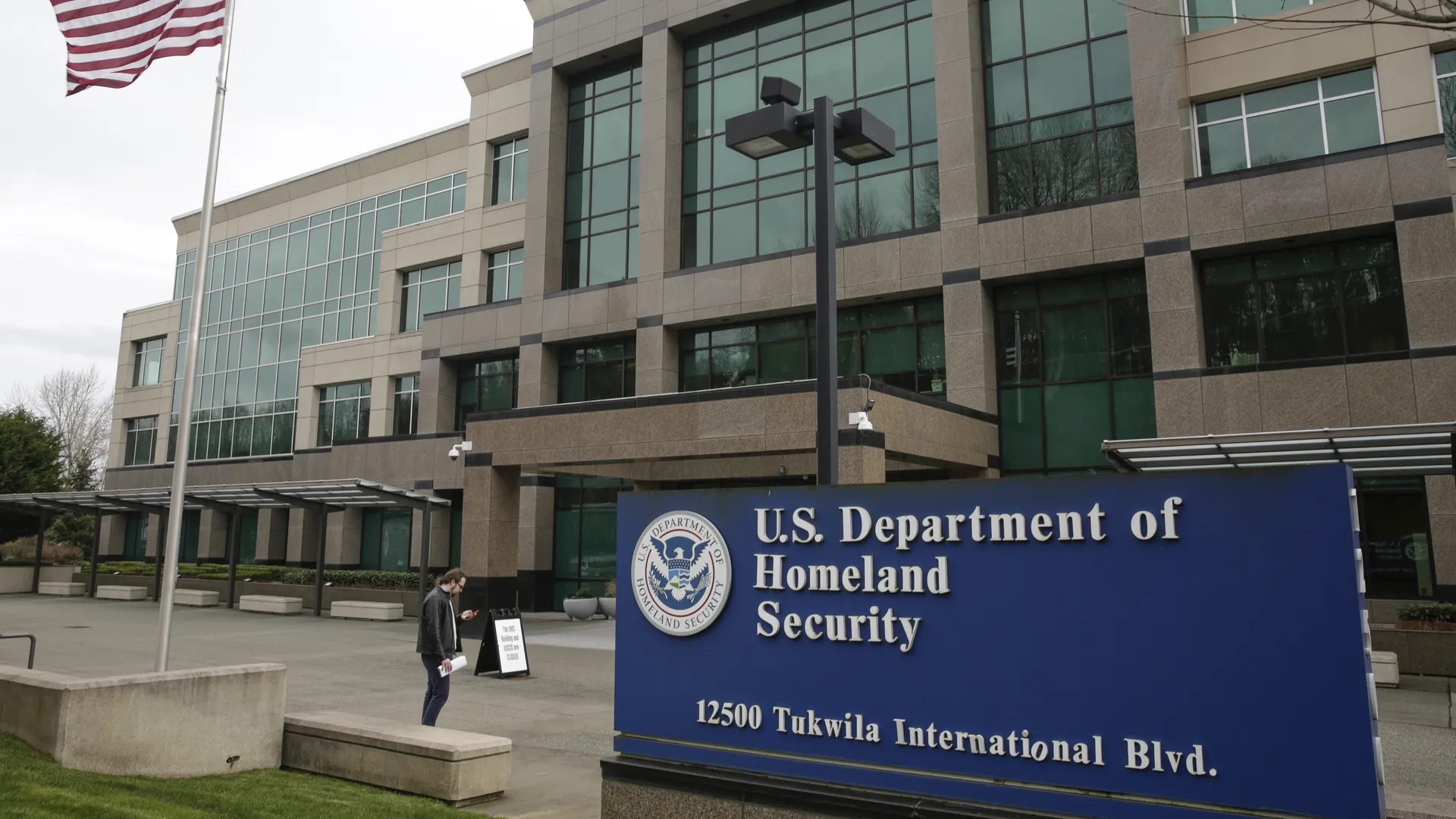
VOICE and VESL
Timeline matters here:
- 2017: DHS established VOICE as ICE’s victim engagement office.
- June 2021: DHS announced it would replace VOICE with the Victim Engagement and Services Line (VESL), shifting victim engagement into a different structure and name.
If you are looking for a current point of contact, you will often see VESL referenced in DHS materials instead of VOICE. Public references to VOICE today can be historical, shorthand for the successor service, or tied to proposals to revive the VOICE label. The practical questions remain the same: what information can the federal immigration system share with victims, and what can it not control inside a state criminal case?

What it is not
VOICE was often described as if it were an enforcement arm. It was not. Even if your question begins with a crime, the office’s lane was the immigration enforcement side of the federal government, not the state criminal justice side.
In practical terms, VOICE typically could not:
- File or dismiss criminal charges (that is a state or federal prosecutor function, depending on the case).
- Control bail decisions in state court.
- Order a deportation (removal orders come through immigration court adjudication or specific statutory processes).
- Guarantee detention while a criminal case plays out. ICE detention authority has legal limits, and it interacts with due process requirements.
This matters because the system has two tracks that can run at different speeds. For example, a defendant can post state bail while ICE files a detainer request, or ICE can release someone on an immigration bond while a state case remains pending. Victim engagement offices exist to help people navigate that mismatch, not eliminate it.
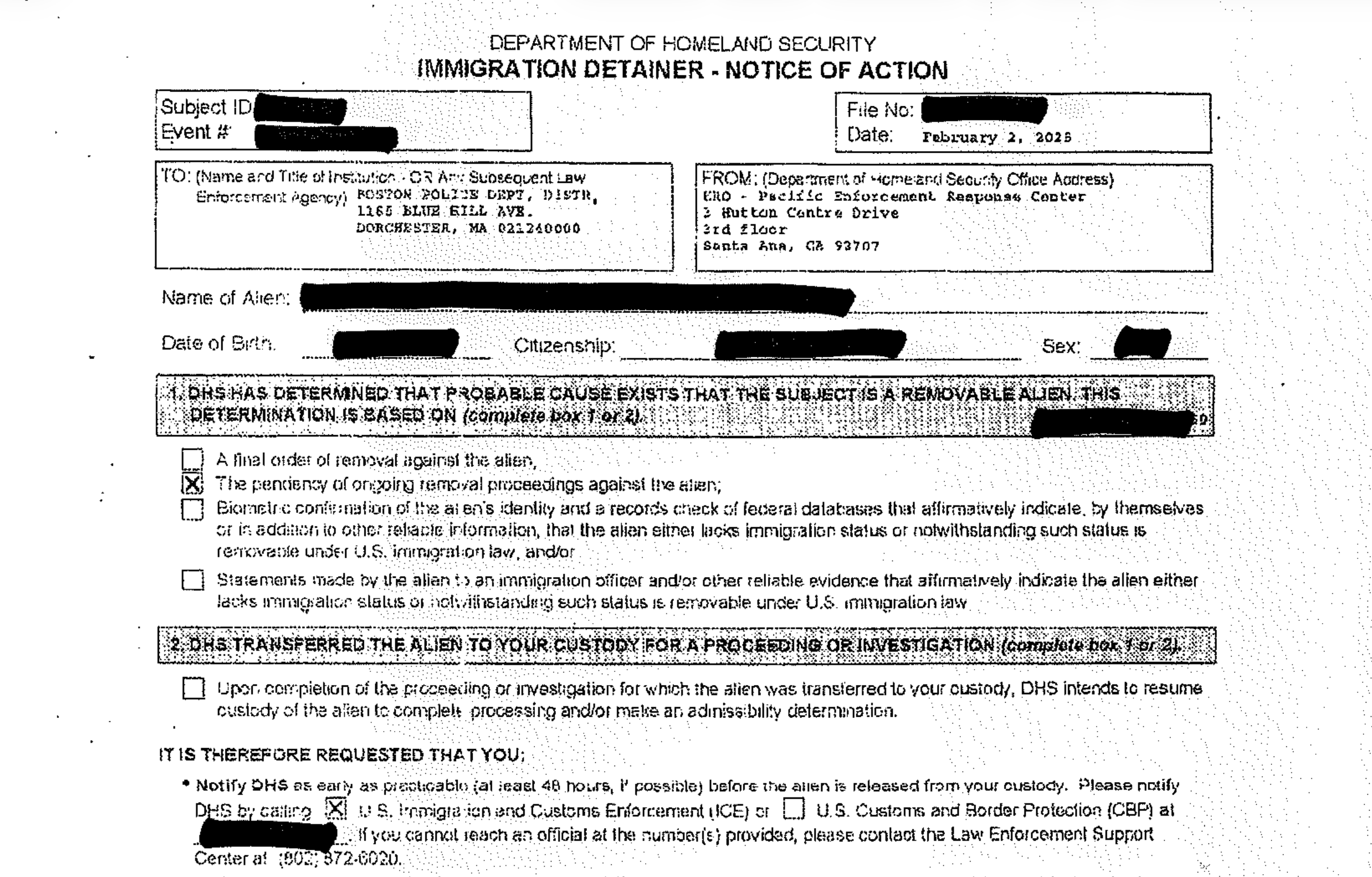
Where it fits inside ICE
ICE is generally organized around two major operational components:
- Enforcement and Removal Operations (ERO), which handles immigration arrests, detention, and removals.
- Homeland Security Investigations (HSI), which conducts criminal investigations involving cross-border crime such as trafficking, smuggling, and certain financial crimes.
VOICE was not synonymous with ERO or HSI. Think of it as a front door for victim engagement that could coordinate with other parts of ICE when an inquiry implicated their work.
That structure is important for a constitutional reason: Congress can fund and direct executive agencies, but agencies still operate through internal delegations of authority. A victim engagement office does not inherit every power ICE possesses. Its mission is engagement, not the full enforcement toolkit.
Why immigration is federal
The Constitution does not contain a neat clause that says, “The federal government shall deport noncitizens.” But the Supreme Court has long treated immigration control as a core federal function, grounded in a mix of:
- Congress’s naturalization power (Article I, Section 8).
- Foreign affairs and national sovereignty principles (often described in case law as part of the federal government’s inherent powers).
- The Supremacy Clause (Article VI), which makes valid federal law controlling over conflicting state law.
This is why states generally cannot run a parallel removal system of their own. States can cooperate with federal enforcement in certain ways, and they have enacted immigration-related policies that have been litigated, but removal itself remains a federal process governed by federal law.
At the same time, the Constitution also limits federal power in the ways that matter most to individuals: due process constraints (Fifth Amendment) and adjudication in immigration court (executive-branch adjudicators within EOIR at the Department of Justice), with federal court review in certain circumstances. Even in an area where federal authority is broad, it is not boundless.
Why it sits between systems
Most crimes are prosecuted under state law. That is structural. The United States is a federal system where states retained general “police powers” over health, safety, and welfare.
Immigration enforcement, by contrast, is a federal domain. So when a crime involves a suspect who is a noncitizen, two separate government systems may touch the same human story:
- Local police investigate.
- State courts arraign, set bail, try the case, and sentence if convicted.
- ICE may detain under federal immigration authority or pursue removal.
Victim engagement programs are designed to answer the question victims often ask when those tracks diverge: “What is the federal government doing with this person now?”
But a hotline cannot rewrite federalism. It cannot force a county prosecutor to file charges, and it cannot force an immigration judge to rule a particular way. What it can do is provide a point of contact within the executive branch to reduce the informational blackout that victims often experience.
Federal services vs state victims’ rights
Many states have constitutional or statutory victims’ rights regimes that include notice of hearings, the right to be heard at sentencing, and other procedural protections.
A federal victim engagement line is different because it lives inside the federal administrative state, not inside a state criminal court. That changes what “rights” look like.
In general, VOICE functioned more like an outreach and information service than a constitutional guarantee. If a state constitution grants a victim the right to notice in a criminal case, a state court can enforce that. If an executive branch office provides a point of contact, that is typically a matter of program design unless Congress has attached specific, enforceable duties in statute.
This is a recurring theme in American government: courts enforce legal rights; agencies implement policies and programs. VOICE was an agency program built to make a federal enforcement system more navigable for the public. VESL is the successor version of that same basic goal.
What it can do
If you are trying to understand whether a victim engagement office can help in a particular situation, it helps to think in terms of the questions it is positioned to answer.
Information and routing
- Explaining, at a general level, how immigration detention and removal proceedings work.
- Connecting an inquiry to the right ICE office when the question is actually about ICE custody or immigration case status.
- Explaining, in general terms, why some details may not be shareable because of the Privacy Act, investigative sensitivities, or ongoing proceedings.
Not the criminal case
- For updates on charges, hearings, warrants, evidence, and sentencing, the primary sources are the local investigating agency, the prosecutor’s office, and the court docket.
- For protective orders, restitution, and victim impact statements, state law and court procedure usually control.
That division is not a loophole. It is how American power is intentionally split across systems. A victim engagement office is a bridge, not a merger.
The controversy underneath
VOICE drew attention because it touched two politically explosive questions at once:
- What should happen to noncitizens who commit crimes?
- What does the government owe to victims in terms of notice, transparency, and participation?
The Constitution does not answer those questions in a satisfying moral voice. It answers them in architecture.
Congress can expand or narrow immigration detention rules, set priorities, fund programs like VOICE or VESL, and require reporting. The executive branch can set enforcement priorities within the law and organize offices to interact with the public. Courts can police due process boundaries and review legal challenges. States can prosecute crimes and define victims’ rights in state proceedings. And none of those actors can simply absorb the others without changing the constitutional balance.
That is why VOICE existed as an office, not a new branch of government. It was an executive-branch response to a public demand for clarity inside a system that is, by design, split across jurisdictions. The name may change. The seam does not.
Quick FAQ
Is VOICE the same thing as ICE?
No. VOICE was an office within ICE focused on victim engagement. ICE as a whole includes detention and removal operations and criminal investigative functions.
Is VOICE still operating?
VOICE was established in 2017. DHS announced in June 2021 that it was replacing VOICE with the Victim Engagement and Services Line (VESL). References to VOICE today may be historical, shorthand for the successor service, or tied to efforts to restore the VOICE name.
Can it stop a release from jail?
A victim engagement office does not set state bail or jail release rules. ICE may take custody under federal authority in some situations, but that depends on legal and practical constraints, not on VOICE as an office.
Does it create a legal right to information?
These services are primarily programmatic points of contact. Some information may be limited by the Privacy Act, law enforcement sensitivity, or ongoing proceedings. Whether a duty is enforceable usually depends on statute and regulation, not the existence of a hotline.
What should I have ready if I contact VESL or a DHS victim engagement line?
- The person’s full name and date of birth (if known).
- Any case identifiers you have (state court case number, jurisdiction, arrest date, or an A-number if you have it).
- Your contact information and your relationship to the case.
Even with that information, case-specific details may be limited.
Why is it in the executive branch?
Because immigration enforcement is executed by the executive branch through DHS and ICE. Congress writes the laws and funds the programs, but the day-to-day administration sits with executive agencies.