
Two arguments have been talking past each other for years, and this week’s headlines just made the cross-talk louder.
On one side: a run of federal cases accusing noncitizens of registering and voting. On the other: elected officials insisting the problem is either “extremely rare” or flatly nonexistent, and warning that a new federal requirement would block eligible citizens from the ballot.
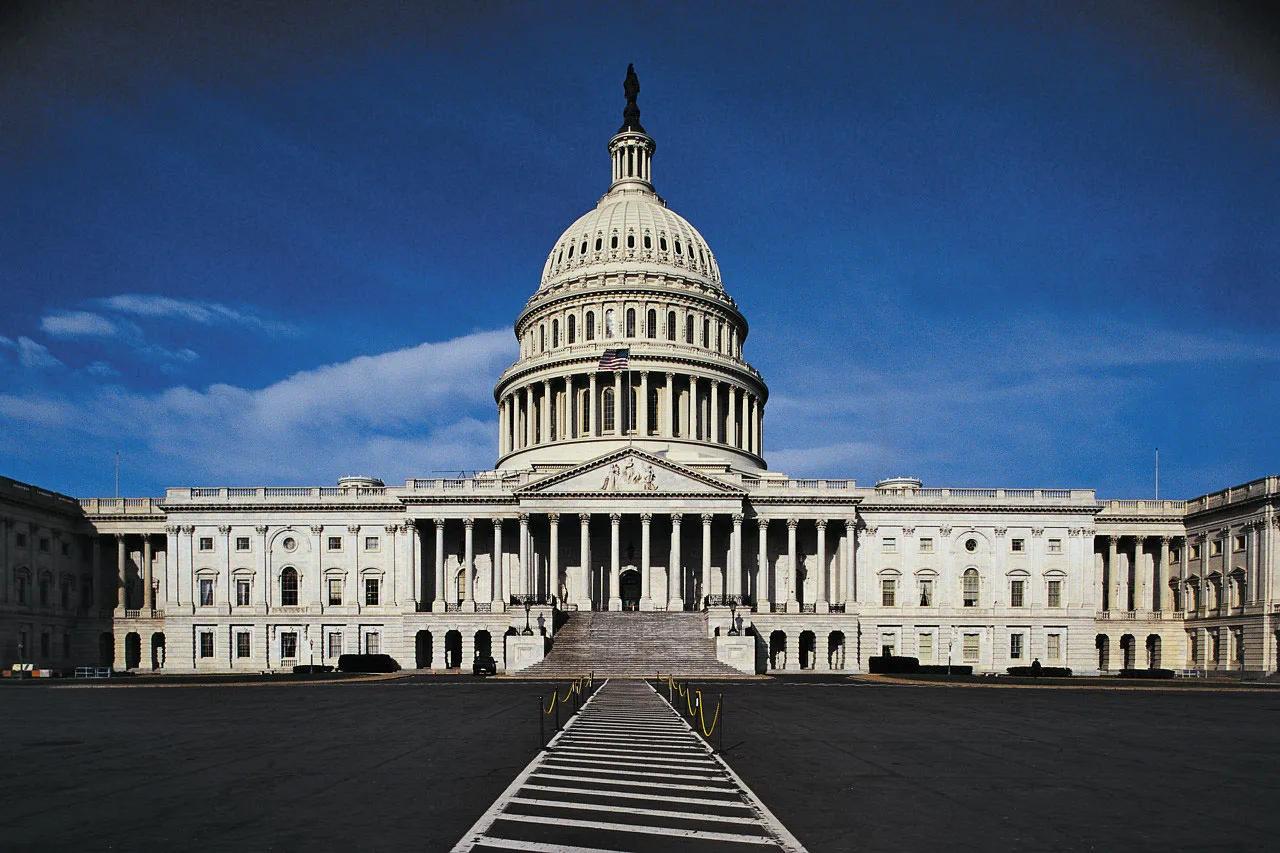
The fight sitting underneath the noise is not about whether elections should be secure. Everyone says yes. It is about what rules should govern federal voter registration and whether Congress should require a specific kind of proof before a person can register for federal elections. That debate is playing out, quite literally, at the United States Capitol.
Join the Discussion
First principle: already illegal
This is the easiest part to miss because it is not the part Congress is fighting over. The cases making news are not about a newly invented crime. They are election-related charges brought under existing law.
Federal authorities have recently announced election-related arrests and indictments involving noncitizens in multiple places, including:
- Philadelphia County, Pennsylvania, where three noncitizens were arrested this month and charged with election-related offenses.
- Minnesota, where Attorney General Todd Blanche announced indictments of 10 foreign nationals accused of committing voter fraud in Minnesota alone, including during August’s primary. He said the issue should not be a “partisan concept.”
- New Jersey, where three residents were charged this month with illegally voting and making false statements on citizenship applications. The individuals were described as being from Jamaica, Venezuela, and Senegal.
There are also individual allegations described by federal agencies and prosecutors, including:
- Sade Guppy, a national of Trinidad and Tobago, who allegedly voted illegally in the 2022 midterms.
- Cliff Sanon, described as a Haitian illegal immigrant, who was charged with submitting a fraudulent voter registration application prior to the 2026 Pennsylvania primary.
- Mahady Sacko, described as a Mauritanian illegal immigrant, accused of voting in seven federal elections since 2008.
If you are looking for the clean civics takeaway, it is this: the arrests and indictments are possible precisely because the underlying conduct is already prohibited. That is why Sen. Alex Padilla, arguing against the SAVE Act, emphasized that the conduct is “already illegal” and said “every legitimate study shows it is extremely rare.”
What the cases show
“Voter fraud” is one of those phrases that sounds like a single thing, but legally it is a bucket.
The recent cases spotlight one narrow slice of that bucket: noncitizen registration and voting, and the paperwork that tends to accompany it. That usually means allegations like:
- Submitting a registration form that falsely claims U.S. citizenship.
- Casting a ballot in a federal election while not a citizen.
- Making false statements connected to election participation or citizenship status.
Notice what is not required for these cases to exist: a sweeping conspiracy, rigged machines, or mass counterfeit ballots. Election crimes can be small-scale and still be real crimes. The policy question is how to design a system that catches wrongdoing without turning ordinary voter registration into an obstacle course for eligible Americans.
SAVE Act: the rule change
The SAVE Act is being debated as a response to exactly the kind of cases above, but it aims at a different point in time.
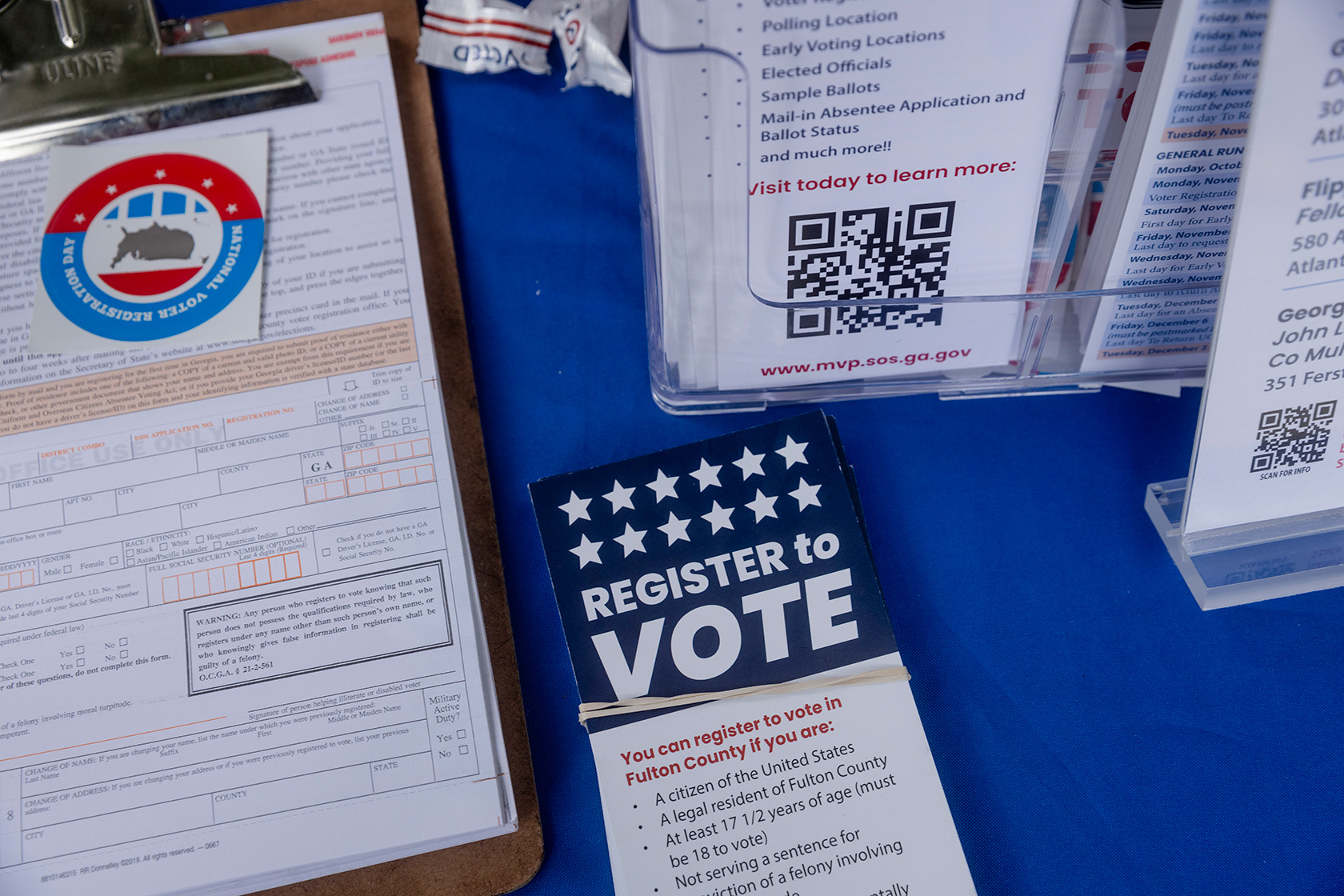
Prosecutions happen after a false registration or illegal vote is discovered. The SAVE Act would change the registration process for federal elections by requiring proof of citizenship before someone can register to vote in federal elections.
That is why the political argument is so heated. Supporters see proof of citizenship as a commonsense gate at the front door. Opponents see it as an additional documentation requirement that could keep eligible citizens from registering.
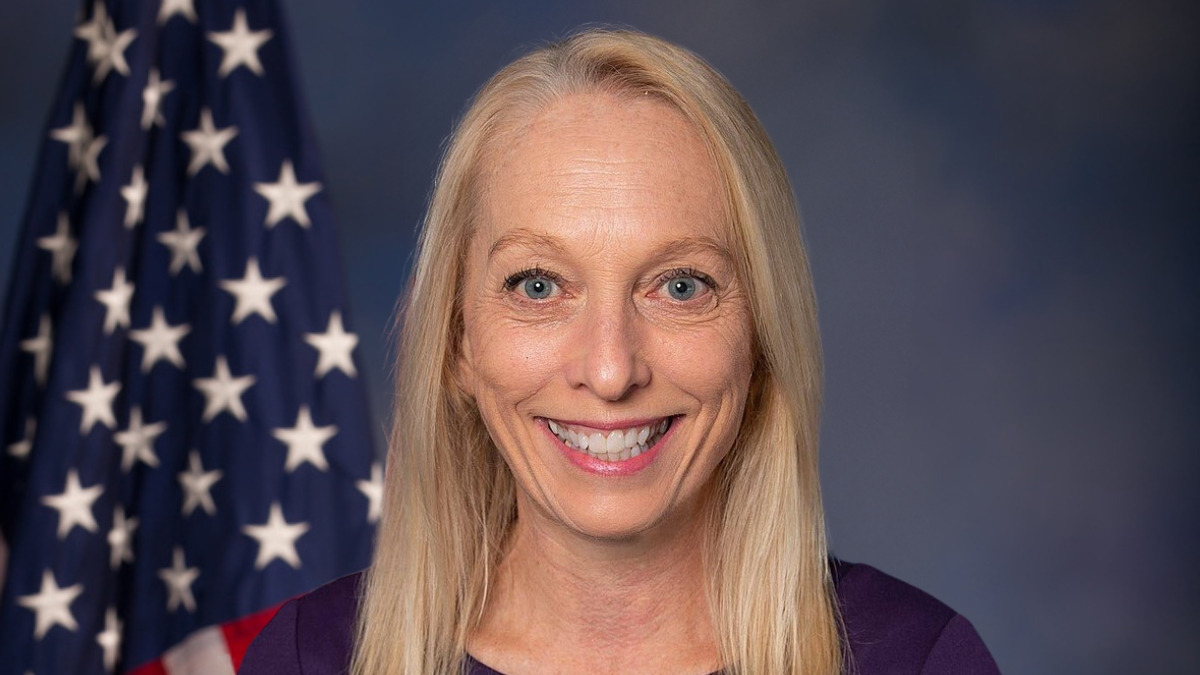
Rep. Mary Gay Scanlon, after voting against the bill in 2025, framed the issue as essentially nonexistent. “Let me be perfectly clear: This is a non-issue. Noncitizens do not vote in U.S. elections,” she said.
Who says it happens
Supporters of stricter rules are not only pointing to prosecutions. They are also making broader claims about the voter rolls and what they say is being denied in public debate.
White House spokesperson Lauren Bis said, “Despite the media and Democrats denying it for decades, noncitizens continue to register and vote in federal elections.”
“Only Americans should be electing America’s leaders,” she said.
Minnesota: who was charged
In Minnesota, Blanche said 10 foreign nationals were indicted in a case involving alleged voter fraud in Minnesota alone, including during August’s primary. He argued it should not be treated as a “partisan concept.”
The alleged illegal voters captured were described as being from Brazil, Ghana, Germany, Bosnia-Herzegovina, Liberia and Canada.
Why “rare” is not the end
There is a rhetorical move in this debate that sounds persuasive but does not actually end the policy argument: the move where someone says, in effect, “We found only a small number, therefore the system is fine,” or “We found a small number, therefore we need a new federal rule.”
Padilla, pointing to “millions” of voters and “174 million registered voters in America,” argued that the Department of Justice arrest of “a dozen people” shows the problem is exceptionally uncommon. He also criticized the arrests as a “desperate attempt by Republicans to distract from their record of rising costs, chaos, and corruption that are hurting the American people.”
He said he would rather see attention focused on reported delays in voter-registration processing in states like Texas to ensure every eligible voter can vote.
At the same time, supporters of the SAVE Act argue the arrests, roll problems, and individual cases are exactly why a proof standard should be required at the registration stage.
New Jersey: rolls and scrutiny
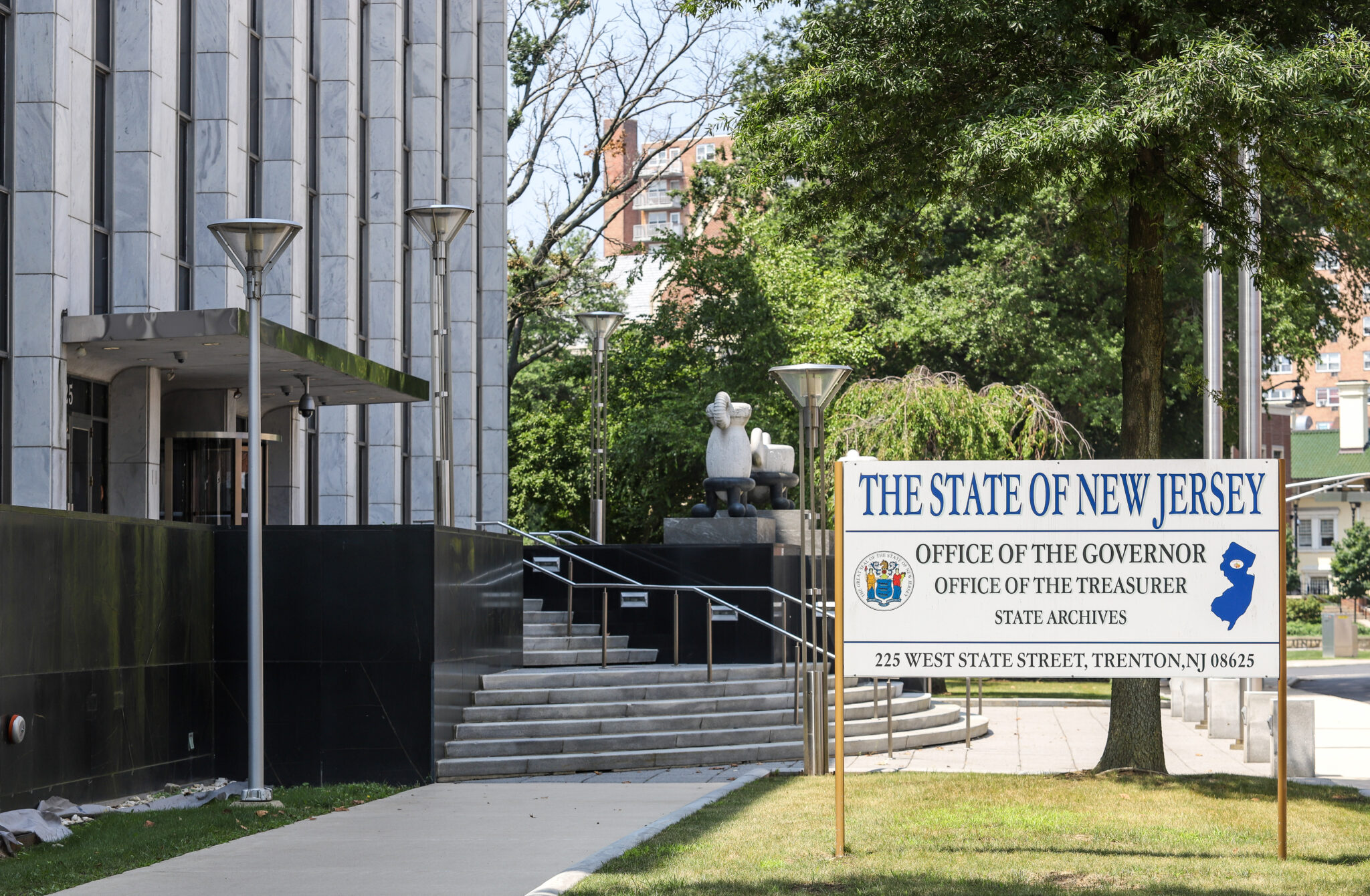
Most Americans imagine election integrity as something that happens on Election Day. But the real infrastructure battle is often the voter roll, because the voter roll is the upstream list that makes voting possible downstream.
New Jersey has become a flashpoint because state leaders disclosed concrete numbers. Gov. Mikie Sherrill said over the summer that roughly 400 noncitizens had voted in the state while resisting calls for additional federal scrutiny.
In a separate push for the SAVE Act, Rep. Chip Roy pointed to what he described as a “software glitch” where 6,600 non-citizens registered to vote and hundreds actually voted.
Democrats: “it doesn’t happen”
Several Democrats have gone beyond “rare” and argued the phenomenon effectively does not exist.
Last month, Democratic Rep. James Walkinshaw said, “It is so rare that it’s almost impossible to measure. It just doesn’t happen,” and suggested Trump was trying to resurrect the “Big Lie” and “whining about the fact that he lost the 2020 election” by posturing to make similar claims after Republicans lose the midterms.
Sen. Bernie Sanders said in March that “noncitizens do not vote in American elections.”
Rep. Joe Morelle has called the SAVE Act “extremely dangerous” and “voter suppression.”
How enforcement fits
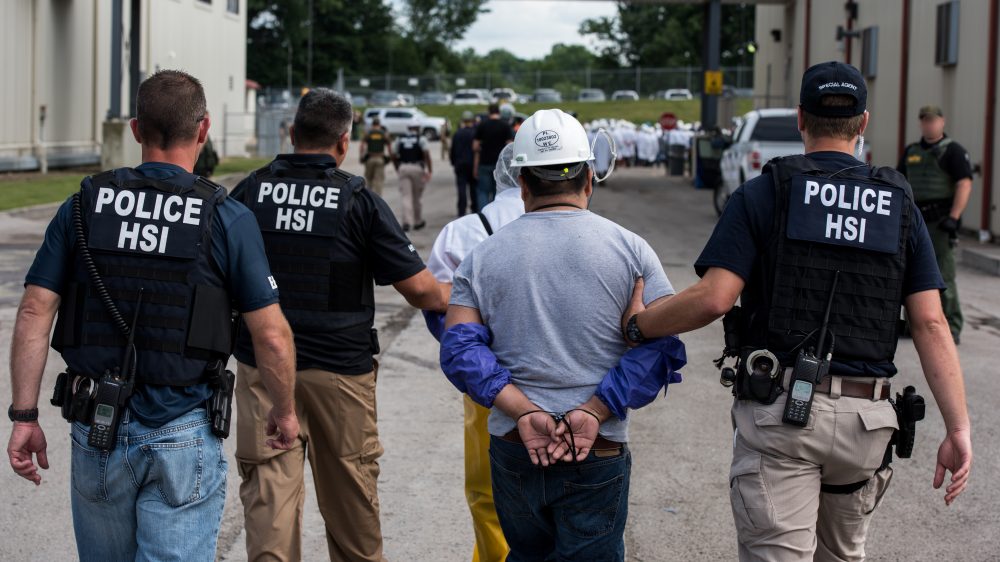
The enforcement side of this debate involves federal actors that show up repeatedly in the cases and the politics around them, including the Department of Homeland Security.
Asked about the dynamic, a DHS spokesperson said the agency could not comment on active investigations but remains committed to “rooting out and investigating election fraud wherever it can be found,” and emphasized “demonstrating proof.”
That is part of why the headlines feel jarring to people who have been told the conduct “doesn’t happen.” Investigators do not need to prove it happens often to pursue a specific allegation they say they can prove.
How to read the headlines
If you are trying to make sense of the moment without becoming someone else’s talking point, try reading election-crime headlines with three questions in mind:
- What exactly is alleged? Illegal voting, false registration, or something else?
- What part of the system is involved? Is the issue upstream at registration, downstream at ballot casting, or in recordkeeping?
- What remedy is being proposed? A new registration rule like proof of citizenship, more list maintenance, stronger prosecutions, or changes in processing and administration?
Those questions keep the conversation anchored where this debate actually lives: in rules, verification, enforcement, and the trade-offs lawmakers are willing to make.