
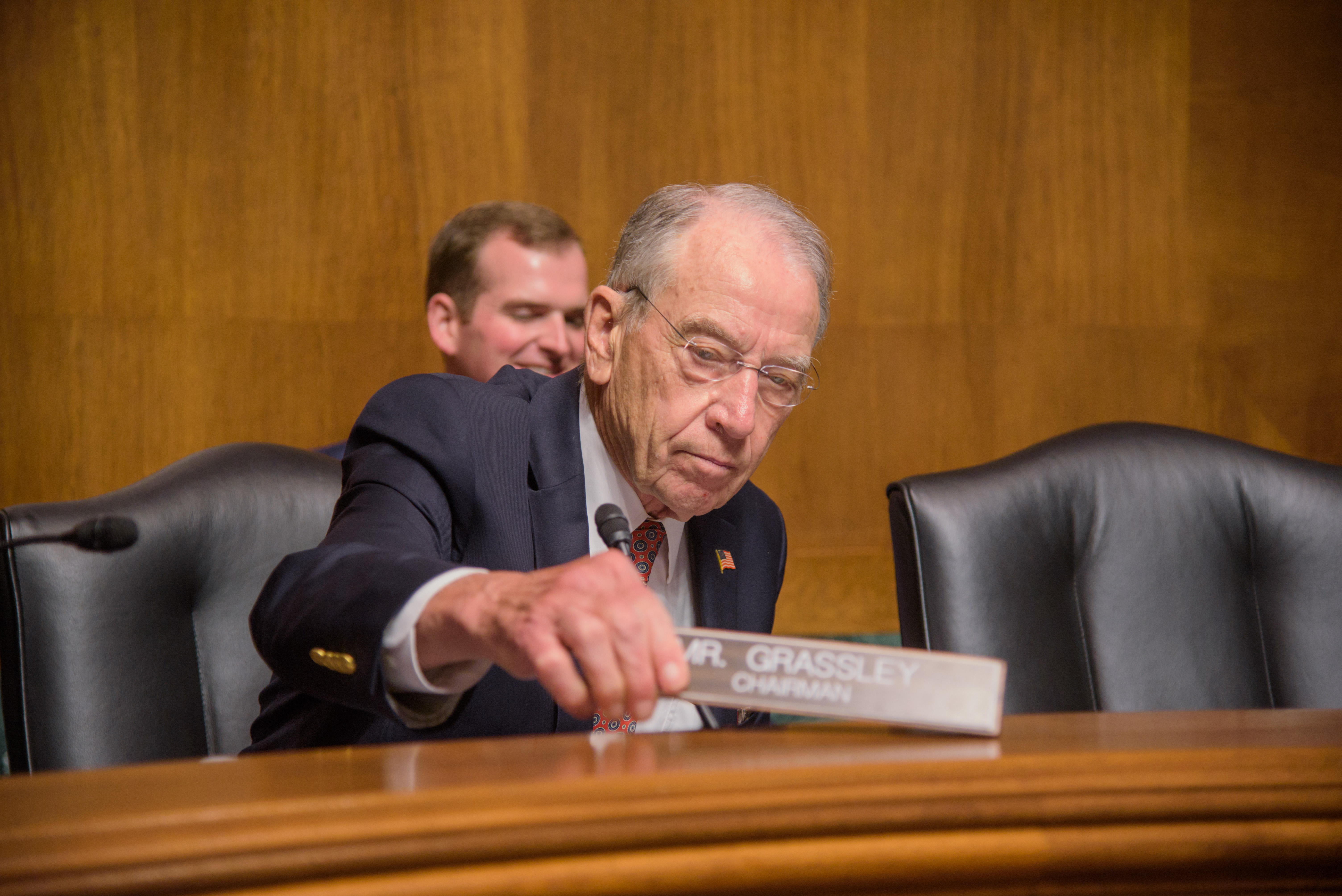
Sen. Chuck Grassley has released a new batch of unclassified FBI emails tied to the Crossfire Hurricane era, and one detail is already drawing attention: a former FBI special agent’s written push to open a criminal investigation into Elon Musk connected to Musk’s activities while overseeing the Department of Government Efficiency (DOGE).
The emails touch two sensitive civic nerves at once: how federal investigations get launched and staffed, and how politics can distort (or be perceived to distort) law enforcement decisions. In constitutional terms, this is where oversight, executive power, and fairness norms meet, and where the public benefits most from careful, document-first scrutiny.
Join the Discussion
What Grassley released
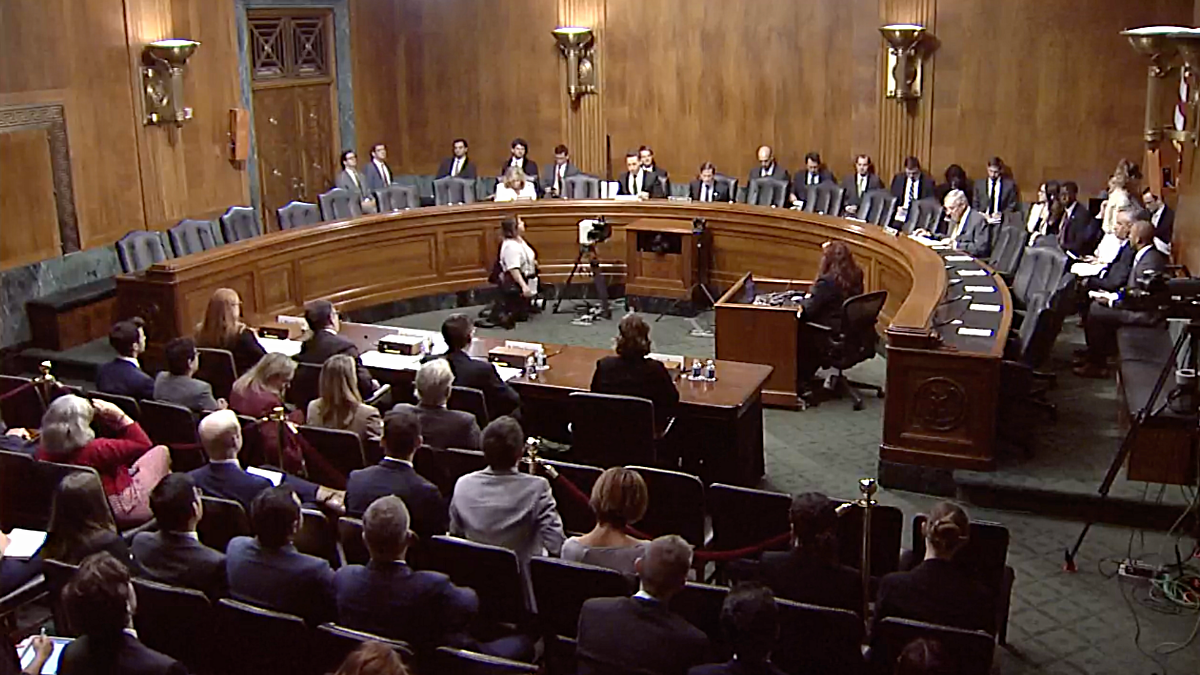
Grassley, the chairman of the Senate Judiciary Committee, made public unclassified emails between FBI personnel stemming from Operation Crossfire Hurricane, the Justice Department investigation launched during the Obama administration into whether Donald Trump’s 2016 campaign coordinated with Russia.
He discussed the records in an Oversight hearing with FBI Director Kash Patel, using blunt language about what he believes the documents show. “The previous Democrat administrations under Obama and Biden conducted secret, insidious and downright evil operations that almost took down our government,” Grassley said. “That’s arguably worse than Watergate.”
Grassley framed the release as part of a long-running effort by his committee to surface internal records from several FBI-related matters and to evaluate claims of politicization inside federal law enforcement.
The Musk and DOGE email
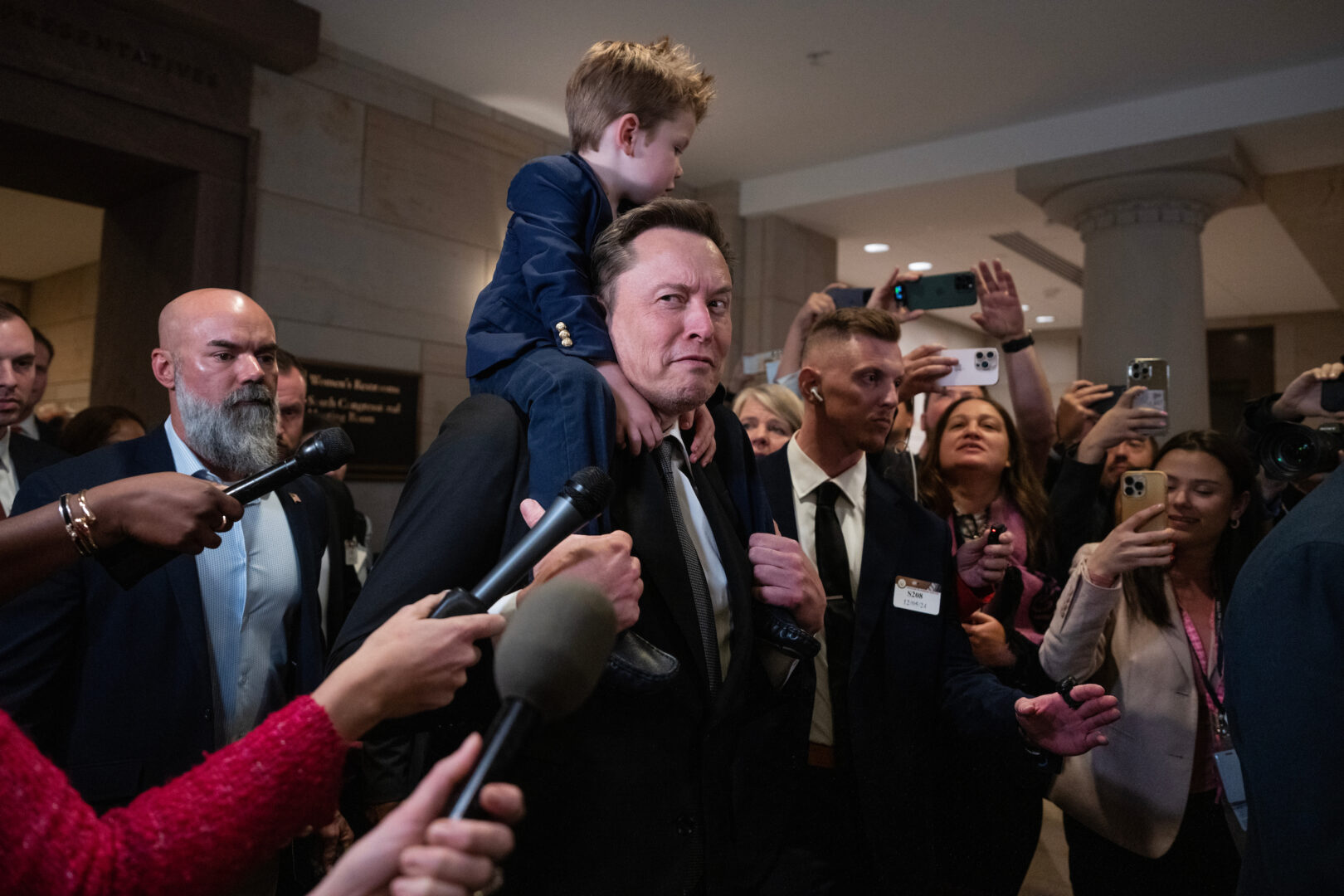
One of the most specific entries is a February 2025 email from Kevin Gounaud, who later left the FBI in February, according to his LinkedIn. In that message, he sought to initiate a criminal investigation of Musk while Musk served as a special government employee overseeing DOGE.
Gounaud’s stated concern centered on Musk posting on X about a plan for government employees to share “five things” they worked on that day. In the email, Gounaud wrote:
“Musk used a non government system (twitter) to relate information that allegedly was for official purposes. In doing so, because he is monetized (he is a majority owner of twitter) he likely generated income for himself based on Twitter's monetization model and/or advertising revenues,” and he added that “His use of twitter in this and other instances is conceptually similar to Hillary Clinton's misuse of a private email server for government business.”
Grassley later criticized the episode publicly, summarizing it as an agent being prepared to open a criminal case over Musk asking bureaucrats to report five things they had done in a week.
Why case-opening rules matter
The Constitution does not spell out FBI case-opening procedures, but it does set the guardrails for how government power must be used. The executive branch investigates and prosecutes. Congress funds agencies, writes statutes, and conducts oversight. Courts enforce constitutional limits when government action infringes rights.
That structure makes internal norms especially important, because the public rarely sees the early steps that can become formal investigations. When records show an individual agent advocating a case involving a politically charged figure, the civic questions are practical and process-based:
- Was there a clear legal predicate?
- Were standards applied consistently?
- Did supervisory review and internal checks function as intended?
Grassley pointed to a broader principle in commenting on the documents: that agents “don’t get to pick their cases.” He also said, “Based on the records known to date, that case didn’t advance.”
Crossfire Hurricane staffing emails
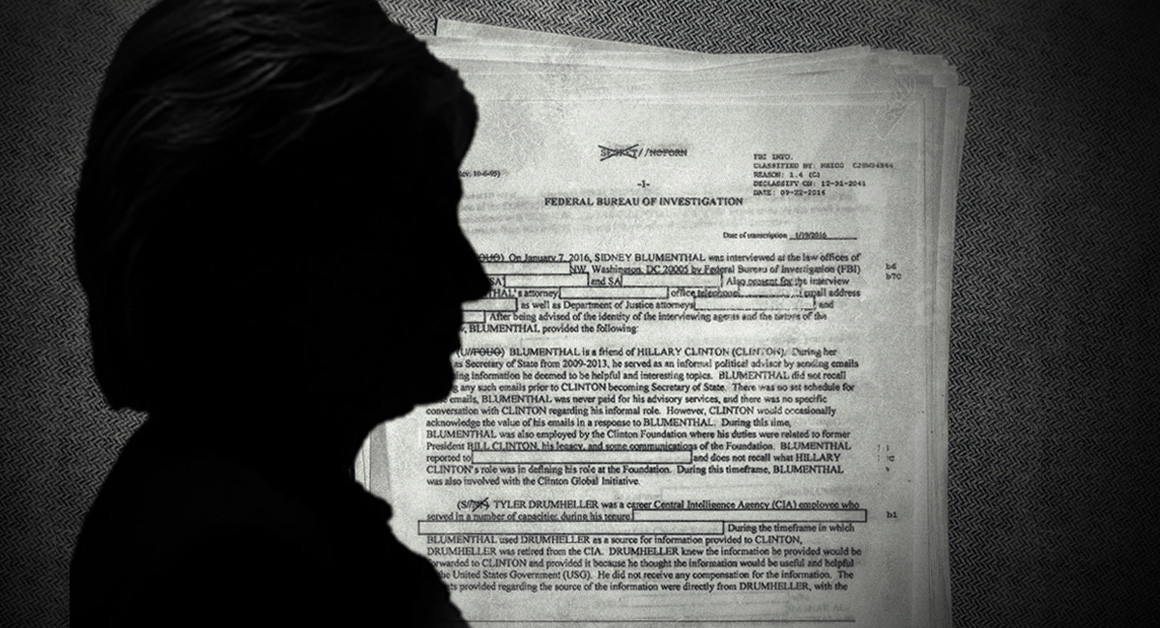
The Musk email is not the only element Grassley emphasized. The released materials also include emails showing Walter Giardina contacting colleagues multiple times over roughly four weeks starting in January 2017 to seek a role on Crossfire Hurricane.
The document dump shows Giardina emailed at least seven times over the course of that period asking to be assigned to the investigation. The findings of Crossfire Hurricane were later transferred to Special Counsel Robert Mueller after Mueller’s appointment in May 2017.
Grassley has also said Giardina was fired by Patel in August over accusations of political weaponization. For everyday readers, staffing messages can sound mundane. But in high-stakes investigations, staffing is substance. Who joins a team can influence what leads get pursued, what gets deprioritized, and how aggressively theories are tested.
Hatch Act thread
The emails also touch on Timothy Thibault, who appears in messages involving Giardina and former Supervising Agent Joe Pientka. Grassley had previously accused Thibault of violating the Hatch Act, pointing to a reshared social media post from the Lincoln Project that described Trump as a “psychologically broken, embittered, and deeply unhappy man.”
That Hatch Act allegation was reviewed by the U.S. Office of Special Counsel and ultimately dismissed.
What to watch next
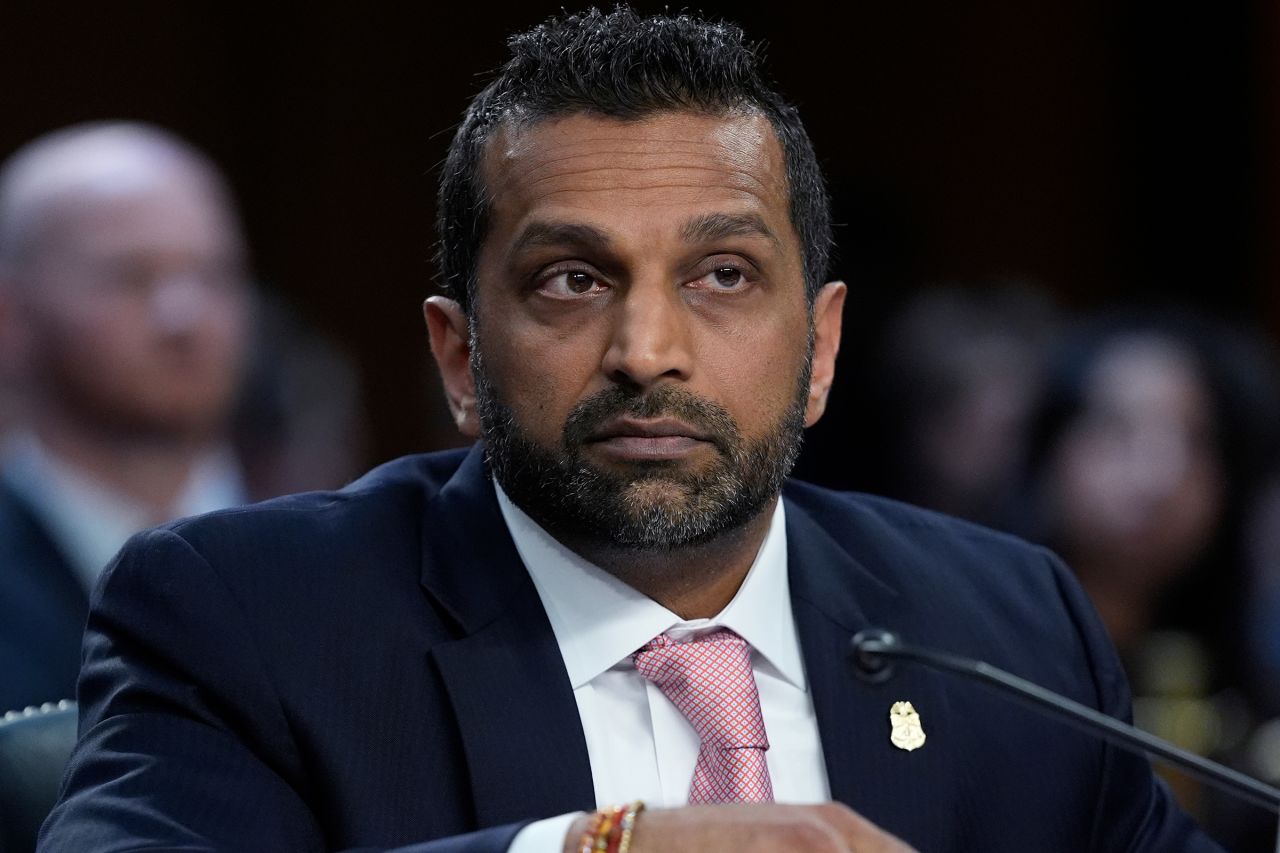
Grassley discussed the newly public records during an oversight hearing with FBI Director Kash Patel, where he compared what he described as the broader pattern to Watergate. In the same context, Grassley also said: “His efforts, as well as the case he tried to open on Senator Sinema, undercut public statements by former FBI officials that agents don’t get to pick their cases.”
From here, the practical questions are straightforward:
- Will the FBI provide additional context about how the Musk proposal was handled internally and why it did not move forward?
- Will Congress seek more documents about case-opening criteria, approvals, and supervisory review during both Crossfire Hurricane and later periods?
- Will there be clearer public guidance on how special government employees should use private platforms for official communications, especially when monetization or ownership interests are involved?
These emails are not a verdict on anyone by themselves. They are, however, a revealing look at how quickly investigative power can be proposed, and why transparent oversight remains a constitutional necessity.