
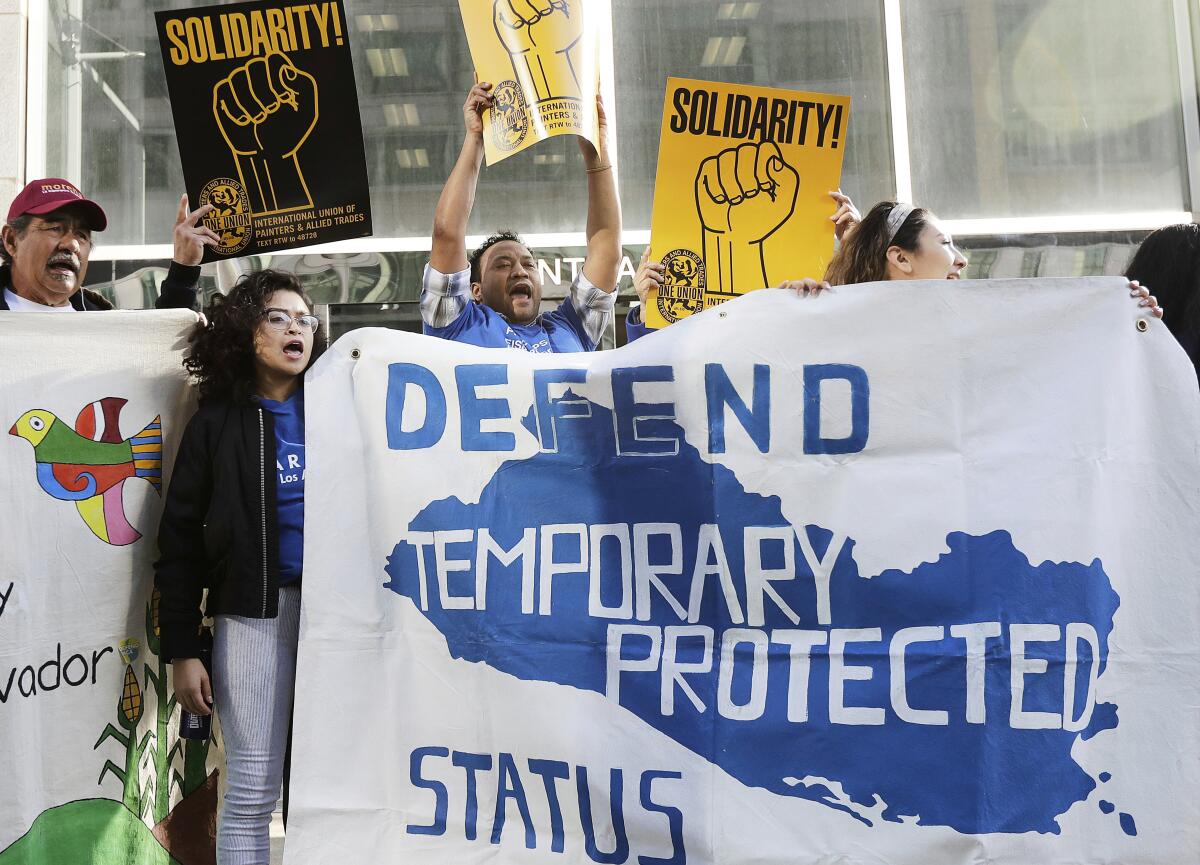
Temporary Protected Status, usually called TPS, is one of those immigration programs that can sound technical until you realize what it does in everyday terms. It lets people already in the United States remain here and work legally when their home country is too dangerous for safe return, often because of war, political instability, or natural disaster.
This week, the Supreme Court issued a decision that clears the way for the administration to remove TPS protections, stripping protections from at least 1.3 million people from 17 countries. The case that put the issue before the Court is centered on TPS terminations tied to Haiti and Syria, but the ruling’s logic carries broader consequences for how easily TPS can be ended, and how hard it may be to stop those decisions in court.
Join the Discussion
What the Court decided
In a 6–3 ruling, the Supreme Court overturned lower-court decisions that had blocked the administration from ending TPS designations tied to Haiti and Syria. Those lower courts had found serious legal problems with how the terminations were carried out, including allegations that the decision-making process failed to follow required procedures and that the terminations were unlawfully discriminatory.
The Supreme Court’s majority concluded that the lower courts overstepped their authority in challenging the administration’s TPS determinations. In practical terms, the decision means the administration can move forward with removing TPS protections while litigation continues.
Why Haiti and Syria are central
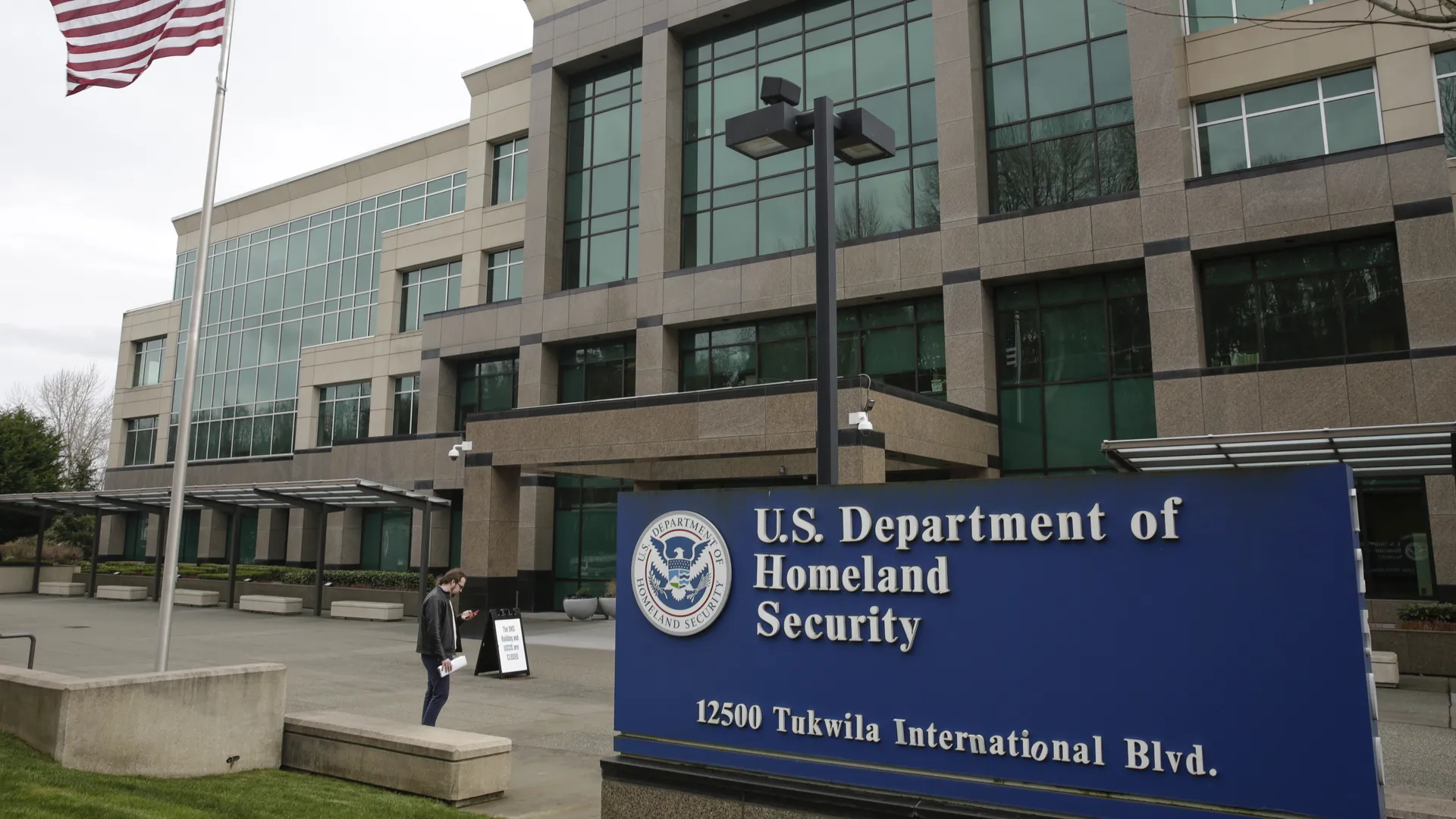
The dispute began after the Department of Homeland Security, under then-Secretary Kristi Noem, moved to terminate TPS last year for people from Haiti and Syria, claiming both countries were safe enough for immigrants to return.
One detail matters because it captures the tension at the heart of the fight: the United States maintained a Level 4 travel advisory against both Haiti and Syria at the time the terminations were pursued, signaling that travel there is considered extremely dangerous. TPS is not identical to a travel advisory, but the mismatch is hard to ignore when trying to understand why affected families and advocates view the terminations as a drastic shift.
How many people are affected
TPS is often discussed country by country, but the numbers show how big the program has become. Congressional Research Service data puts the TPS population at more than a million nationwide. Within that total, at least 330,000 TPS holders are Haitian, and about 3,800 are Syrian.
Even for people not directly covered by the Haiti and Syria designations at issue in this case, the decision matters because it signals how much room administrations may have to end TPS protections quickly, and how limited court review may be when those decisions are challenged.
Executive power and court limits
TPS sits at an uneasy intersection of policy and procedure. Congress created the program, but it depends heavily on executive judgments about country conditions and the process used to end or extend protections.
In this decision, the Supreme Court effectively strengthened the executive branch’s ability to act first and defend later, even when the consequences include the loss of lawful presence and work authorization for large groups of people. The result is not just a win or loss in one case. It is a shift in the practical balance between executive decision-making and the ability of courts to pause those decisions while challenges play out.
The dispute over discrimination claims
A major factual fight in the case involved allegations that the TPS terminations, particularly regarding Haiti, were driven in part by discriminatory motives.
In the majority opinion, Justice Samuel Alito dismissed the claims of discrimination against Haitians, saying plaintiffs’ statements were not “overtly racial” and “insufficient to show that the termination of Haiti’s TPS designation was based on the race of the Haitian people.”
Justice Elena Kagan, writing in dissent, criticized the majority’s handling of the record. She wrote that the majority “claims to see no evidence that race played any role in the Haiti decision,” but added: “But the evidence is there, plain to see, in the President’s statements, which the majority (and for that matter, his own lawyers) cannot even bear to repeat.”
This matters because discrimination claims often rise or fall based on what courts are willing to infer from public statements and surrounding context. When a court sets a high bar for what counts as proof of discriminatory intent, it becomes significantly harder to challenge broad immigration actions on these grounds, even when the impact is concentrated on particular nationalities or racialized groups.
Advocates warn about asylum
Although TPS and asylum are not the same legal protection, they overlap in real life because both are meant to prevent the United States from sending people back into danger.
Melissa Crow, director of litigation at the Center for Gender & Refugee Studies and a co-counsel in the case, called the ruling “a devastating blow to the rights of people seeking asylum, to the rule of law, and to this country’s legacy as a beacon of hope for people fleeing persecution and torture.” She added that the decision “adopts an interpretation of our immigration laws that defies the text of the asylum statute, and Congress’ intent in adopting it, which was to ensure that we do not return people seeking refuge to harm.”
Rebecca Cassler, senior litigation attorney at the American Immigration Council and another co-counsel, argued that “Cruelty is not a substitute for real solutions,” and warned that “blocking people from seeking asylum at official ports of entry will do nothing to fix our broken immigration system.” She added: “Unfortunately, today’s decision validates an approach that treats people seeking safety as a problem to shut out instead of creating an orderly system that actually works.”
What to watch next
TPS exists because Congress created it in 1990, building a statutory safety valve into immigration law. If protections keep shrinking through executive action and judicial interpretation, Congress still has tools to clarify the program’s standards, procedures, and reviewability.
Keep an eye on
- Implementation timelines for TPS termination and any grace periods.
- Further litigation over procedure and discrimination claims, even if the administration can act while cases continue.
- Congressional responses, including statutory changes to TPS or broader immigration reforms.
If you are a TPS holder or a family member trying to make decisions, this is the moment to get individualized legal advice from a qualified immigration attorney or a reputable nonprofit legal services provider. Broad explanations can clarify the landscape, but only a case-by-case review can tell someone what options they actually have.