
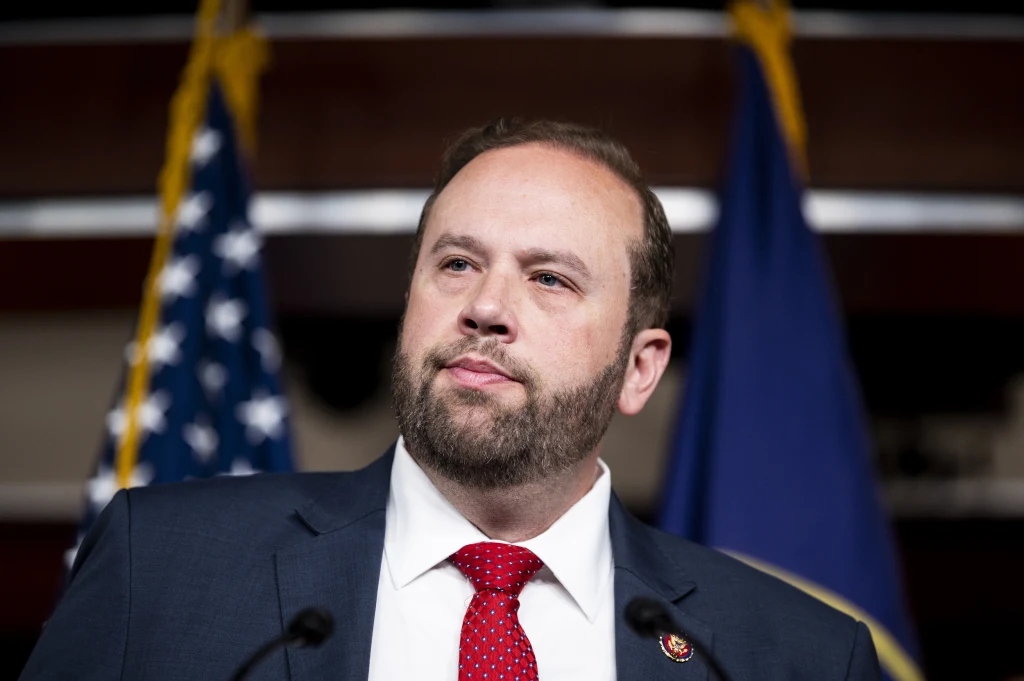
The House Ways and Means Committee has escalated an investigation into what it describes as a far-left influence-and-funding network, issuing subpoenas to three nonprofits after Chairman Rep. Jason Smith said earlier requests yielded no responsive records.
Smith, a Missouri Republican, is focusing the probe on money flows connected to Shanghai-based Marxist millionaire Neville Roy Singham. The committee is examining whether tax-exempt organizations in the United States received funds routed through layers of intermediaries, and whether those pathways raise concerns about foreign influence or money-laundering risks.
Join the Discussion
Who was subpoenaed
The subpoenas target:
The People’s Forum
BreakThrough News
Tricontinental: Institute for Social Research
Committee investigators are tracing a combined $39 million in disbursements the panel says was sent from Singham to the People’s Forum, BreakThrough News, and Tricontinental: Institute for Social Research. A central question is how the money moved and whether the structure of that movement obscured the true source of funds.
Why subpoenas now
In letters accompanying the subpoenas, Smith accused the groups of withholding records in response to earlier oversight requests. He wrote that their submissions failed to include “a single responsive document” and that their communications “misrepresented both the scope and purpose of the Committee’s oversight.”
“Accordingly, the Committee is invoking compulsory process to obtain the requested materials,” Smith wrote.
In practice, that means the committee is no longer relying on voluntary production. A subpoena compels recipients to produce records, negotiate scope, or formally object.
What the committee wants
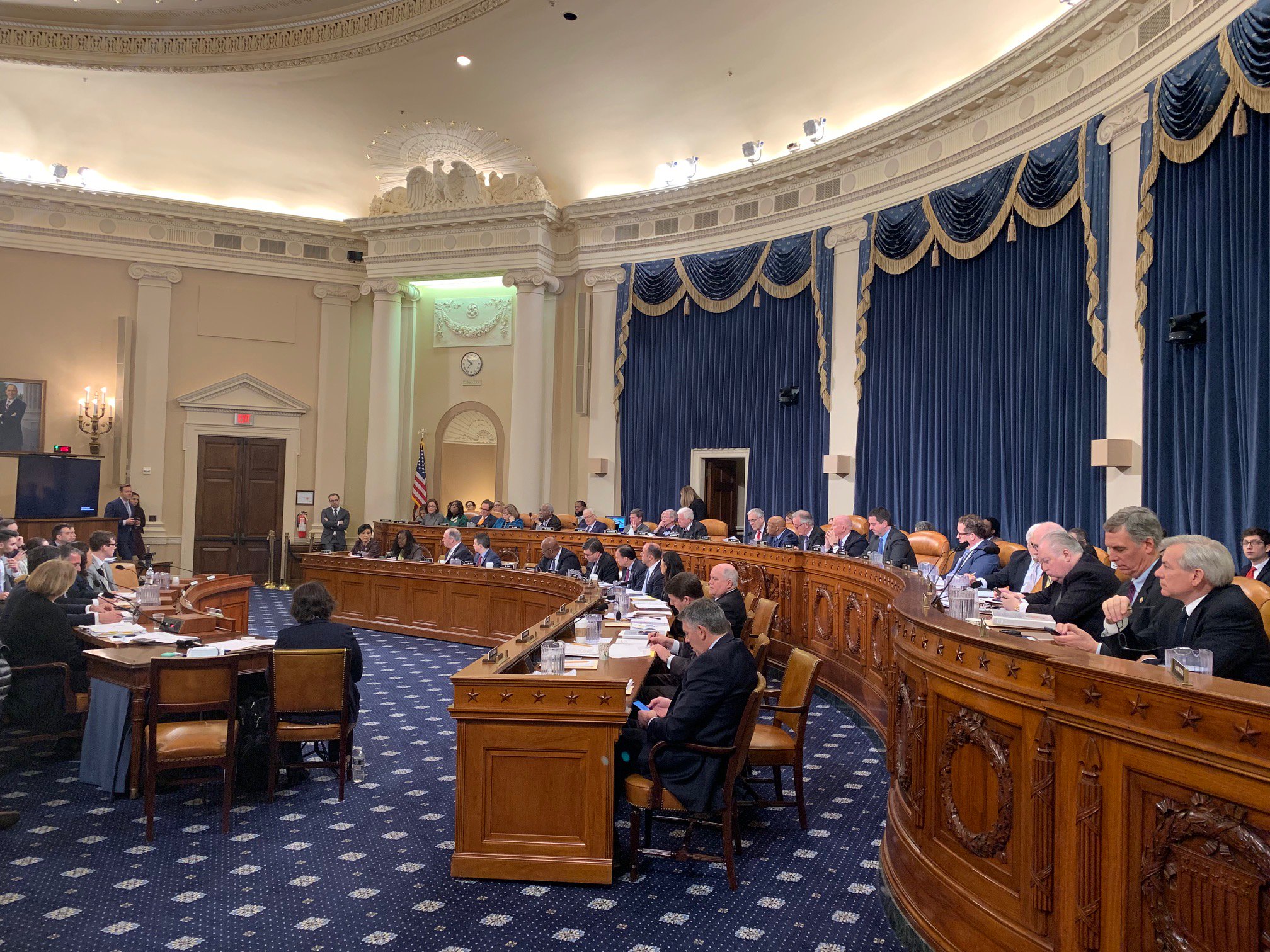
The committee’s inquiry is framed as a tax and oversight issue, which is why Ways and Means is involved. Smith’s team has said it is concerned about the network’s potential roles in:
Money laundering linked to complex funding routes
Amplifying Communist propaganda
Pushing political violence
The committee has also sought information about the groups’ communications with Singham, as well as contacts with foreign donors or foreign interests. In practical terms, that commonly means emails, contracts, grant paperwork, donor-advised fund records, wire details, internal memos, and other communications that show who proposed, approved, and directed spending.
The funding route issue
Smith alleged that Singham and his wife, activist and Code Pink co-founder Jodie Evans, helped establish a network of shell companies and donor-advised funds to funnel money into the United States in ways that raise “significant concerns regarding foreign influence over a tax-exempt organization.”
Whether Singham pushed the $39 million through that shell-company network before it was received by the three subpoenaed groups is the question the panel says it is examining.
From an oversight standpoint, the immediate goal is documentary. To assess compliance risks or potential violations, investigators typically try to build a clear record of:
Where the money originated
Which entities handled it along the way
What restrictions, if any, were attached
Who ultimately decided how it would be used
What a subpoena means
Congressional subpoenas are significant, but they are not criminal charges.
What a subpoena does: it compels production of records and, sometimes, testimony. It also puts legal pressure on recipients to comply, negotiate scope, or raise formal objections.
What a subpoena does not do: it does not, by itself, establish wrongdoing. Any criminal process would run through law enforcement, not a House committee.
If the committee concludes reforms are needed, it can also pursue legislative responses, including changes affecting nonprofit reporting rules or disclosure practices involving donor-advised funds.
What happens next
Once subpoenas are served, recipients generally choose among a few routes: comply, negotiate narrower production terms, or refuse and contest the subpoena. Deadlines can be extended, but issuing subpoenas signals the committee is no longer willing to wait for voluntary cooperation.
For the public, the core question is whether the paper trail supports the committee’s concerns, including its focus on whether the $39 million moved through intermediary structures before reaching the subpoenaed organizations.
Quick FAQ
Is this a criminal case?
No. A House subpoena is an oversight tool. Criminal liability, if any, would come from a separate law-enforcement process.
Why is Ways and Means involved?
Ways and Means has jurisdiction over tax policy and parts of the legal framework that governs tax-exempt organizations. If lawmakers suspect improper influence or illicit finance using nonprofit structures, that committee is positioned to demand records and propose reforms.
Does ideology matter legally?
Ideology alone is not illegal. The committee’s stated focus is on funding routes, disclosure, and potential foreign influence concerns. Any legal consequences would depend on evidence of violations, not viewpoints.