
When a president promises to stop a Washington, D.C. mayor from implementing policies on policing, bail, or cooperation with ICE, the instinctive question is simple: can he actually do that?
The constitutional answer is both more powerful and more limited than it sounds. D.C. is not a state. It is a federal district. That single fact changes almost everything about how “local” local government really is in the nation’s capital.
Join the Discussion
The baseline: Congress runs D.C.
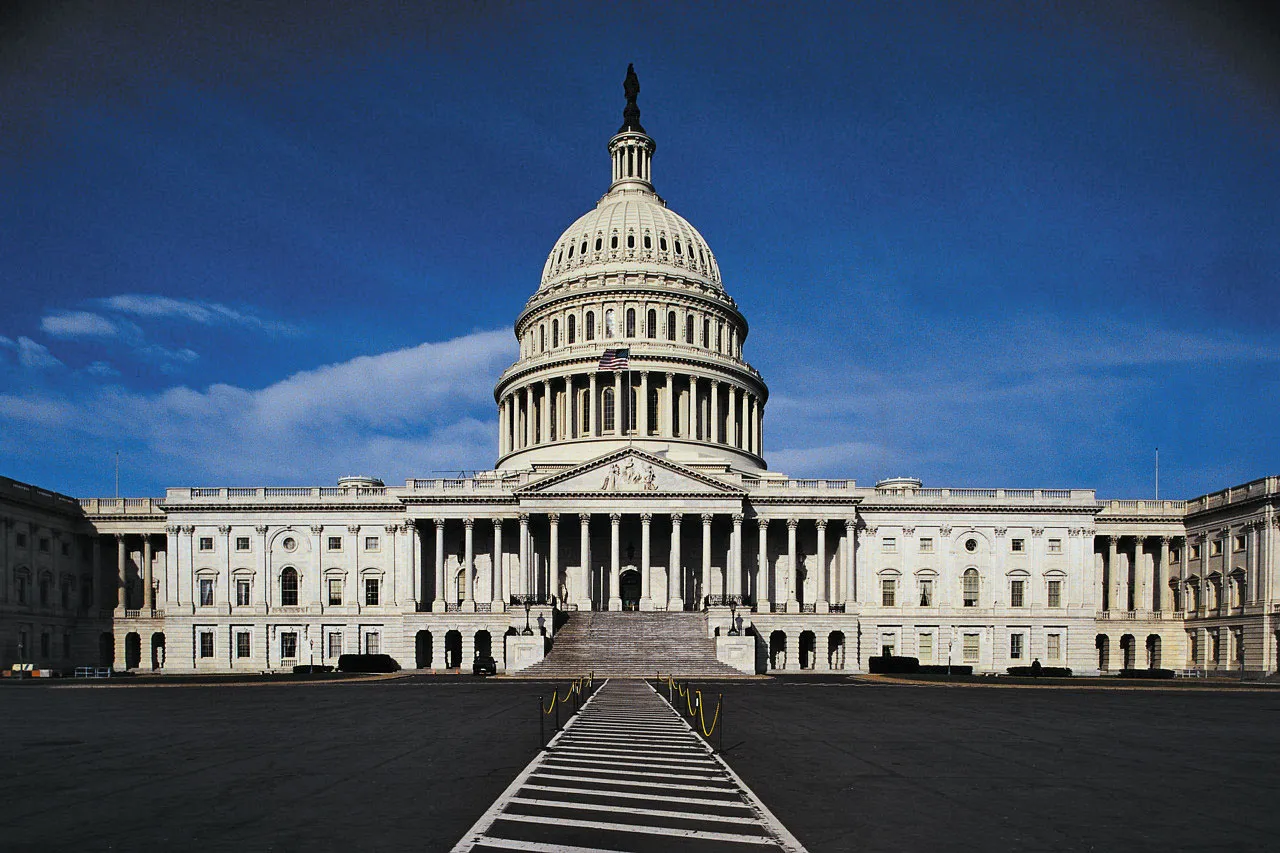
Start with the text. Article I, Section 8, Clause 17 gives Congress power:
- “To exercise exclusive Legislation in all Cases whatsoever” over the District that becomes the seat of government.
That phrase is the core of the story. The Constitution places the capital under congressional authority in a way no state is. Whatever autonomy D.C. has exists because Congress allowed it, and Congress can narrow it again.
That is not a partisan point. It is the structural design of the District. D.C. residents have local elections, but they do not have state sovereignty backing those elections.
What home rule means
Most people hear “Home Rule Act” and assume it created something like statehood-lite. It did not.
The District of Columbia Home Rule Act (1973) delegated certain governing powers to a locally elected mayor and council. D.C. can pass local laws, run agencies, and manage day-to-day municipal functions. But Congress retained the power to step in.
Two home rule realities
- Congress can block D.C. laws. After the D.C. Council passes an act and the mayor signs it, it is transmitted to Congress for a statutory review period. If Congress wants to stop it, it generally must pass a disapproval bill through both chambers and send it to the president for signature (or override a veto). In other words, it takes real lawmaking, not a one-house move or a simple resolution.
- Congress controls the delegation itself. Home rule is a statute. A later Congress can amend the statute, impose new limits, or change D.C.’s governance structure.
So the legal question is not “can federal power reach D.C.?” It already does. The real question is which federal actor can pull which lever, and how fast.
Can a president order the mayor?
In general, no. The D.C. mayor is not a Cabinet secretary. The mayor is not in the president’s chain of command.
The president cannot simply issue an order that rewrites D.C. legislation or compels the mayor to adopt a particular bail system, defund or refund police, or pass or repeal “sanctuary” ordinances.
But the president can influence outcomes through federal law enforcement authority, federal funding choices (where statutes allow), and by working with Congress, which holds the District power.
ICE and sanctuary policy
“Sanctuary city” is a political label, not a single legal status. In practice, sanctuary policies usually mean some version of local non-cooperation with federal immigration enforcement. Common examples include limits on:
- Honoring ICE detainer requests without a judicial warrant
- Sharing certain data with immigration authorities
- Allowing ICE access to local jails for interviews
Here is the key constitutional distinction: a city often has more room to decline to help than to actively interfere.
Why that distinction exists
In the states, the anti-commandeering doctrine generally prevents the federal government from forcing state or local officials to administer a federal program. D.C. is not a state, and Congress has broader constitutional authority to legislate directly for the District, so those limits may not apply in the same way if Congress chooses to command specific D.C. governmental actions by statute.
Even so, the practical point remains: the federal government can enforce federal law itself, but it does not automatically get to conscript local personnel unless there is a valid legal hook.
That does not mean D.C. can block ICE from operating in the District. ICE is a federal agency enforcing federal law. If ICE has lawful authority to act, a D.C. policy cannot nullify that federal power.
There is also a separate pressure point Congress sometimes uses: information-sharing mandates or limits on restricting information sharing in certain contexts (for example, 8 U.S.C. § 1373 has been repeatedly litigated and remains politically contested). The takeaway is not that one statute ends the debate, but that Congress can try to write the rules for what D.C. must share and what it may keep to itself.
So a president cannot “turn D.C. into a non-sanctuary city” by decree. But the federal government can continue conducting immigration enforcement in D.C., and Congress can legislate conditions specific to the District if it chooses.
Policing in D.C.
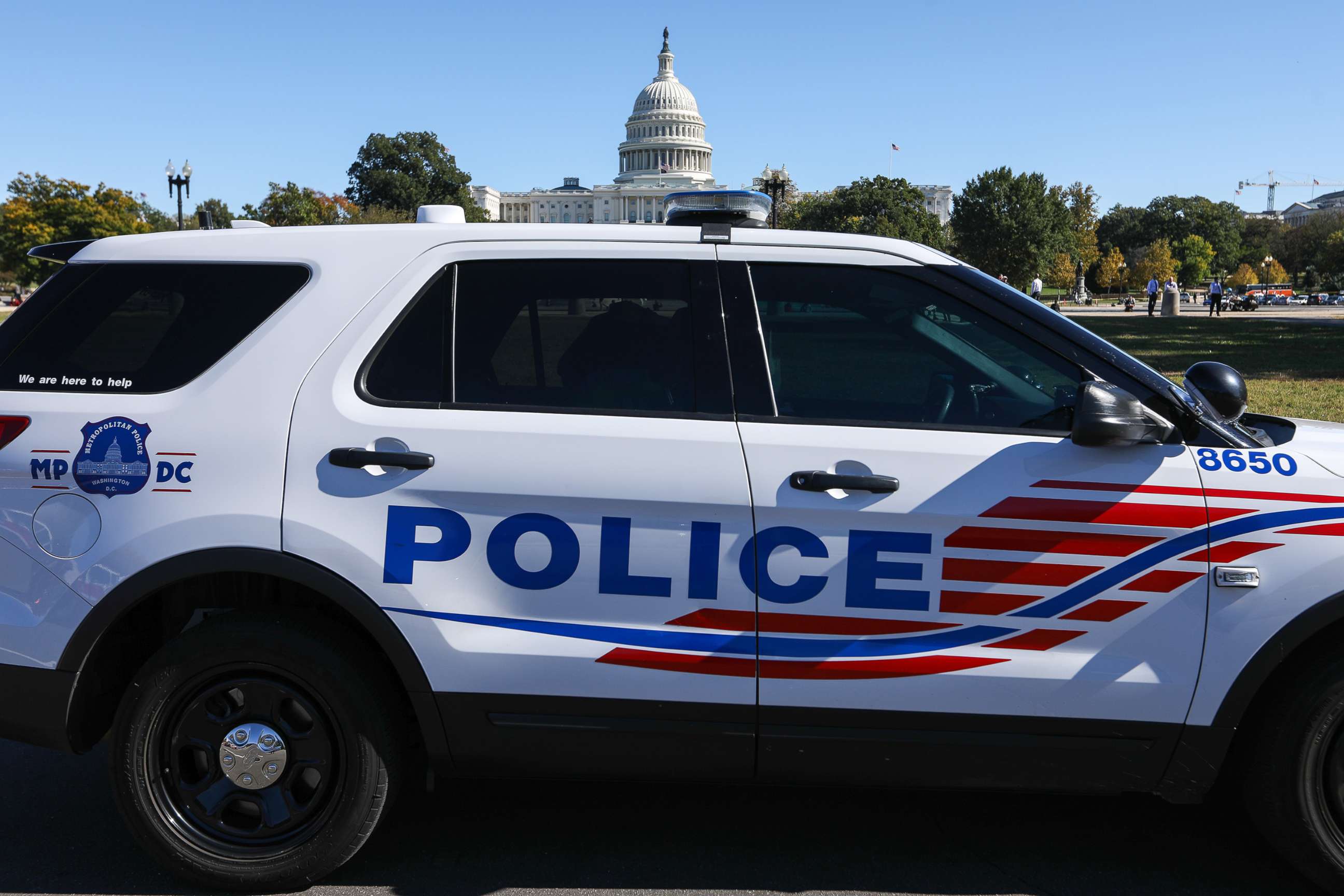
Washington’s policing landscape is unusually crowded. The Metropolitan Police Department (MPD) is a local agency under the mayor, but D.C. also hosts a significant federal law enforcement presence, including agencies with jurisdiction tied to federal property and federal functions.
In practical terms, that includes forces like the U.S. Park Police, the U.S. Secret Service (protective mission), and the U.S. Capitol Police, alongside many other federal investigative agencies. MPD is the general city police department. Those federal agencies are not substitutes for MPD, but they can materially change enforcement intensity in the District in their lanes.
That matters because a president does not need to control MPD to increase federal enforcement activity in the District. Federal agencies can surge resources, prioritize certain offenses, and coordinate with prosecutors, all within the boundaries of federal law.
Can a president take over MPD?
There is a real legal mechanism often described as a “takeover,” but it is not a casual switch a president flips because he dislikes a mayor’s platform.
Under the D.C. Home Rule Act, in emergency circumstances the president can direct the D.C. mayor to provide MPD services for federal purposes, and if specific statutory conditions are met the president can direct the MPD directly for a limited period. The key point for everyday readers is this: outside of emergencies or specific statutory triggers, MPD remains a locally managed department.
If a president wants lasting control over D.C. policing as a matter of ordinary governance, the most direct route is not unilateral executive action. It is legislation, meaning Congress.
Bail and the D.C. courts
D.C.’s criminal justice system does not map neatly onto a state model. In most states, state courts and county prosecutors dominate local criminal law. D.C. is different.
Two features are especially important when people argue about bail, prosecution priorities, and incarceration policy in the District:
- Many prosecutions are handled by the U.S. Attorney for the District of Columbia. That is a federal executive branch official, ultimately under presidential supervision. In broad strokes, the U.S. Attorney’s office handles most adult prosecutions in D.C. Superior Court, including many serious offenses under the D.C. Code.
- D.C. also has a locally elected Attorney General. The D.C. Office of the Attorney General plays a major role in civil enforcement and also prosecutes specific categories of cases (notably many juvenile matters and certain other offenses) under D.C. law.
- D.C.’s local court system is federally created. The D.C. Superior Court and D.C. Court of Appeals are not “state courts.” Congress structured them, and Congress can restructure them.
This is why debates over “cashless bail” or charging decisions in D.C. can quickly become debates about federal authority, even when the underlying crimes look local.
Congress is the backstop
If you are trying to predict whether a D.C. mayor’s agenda can be blocked, the most important actor is often Congress, not the president.
Congress can:
- Disapprove or amend D.C. laws through legislation
- Change the Home Rule Act itself
- Use appropriations to restrict how D.C. funds are spent
- Federalize or restructure aspects of D.C. governance, within constitutional bounds
How the budget lever works
D.C. raises much of its own revenue, but Congress can attach conditions through appropriations and other budget legislation. In practice, that can look like a rider that bars the District from spending any funds (including locally raised funds, depending on how Congress writes it) on a specified purpose, or a requirement that certain dollars be used only if D.C. adopts particular policies. It is one of the most concrete ways Congress can shape outcomes without rewriting the entire Home Rule Act.
The president’s role is still significant, but it is mostly legislative and administrative leverage:
- Signing or vetoing congressional action related to D.C.
- Setting priorities for federal law enforcement in the District
- Directing executive branch officials who operate in D.C., including the U.S. Attorney
So can a president block the mayor?
Not in the simple way the headline implies.
A president cannot generally command the D.C. mayor to abandon an agenda. But because D.C. is constitutionally a congressional district and only statutorily self-governing, a determined federal government has more tools to shape outcomes in Washington than it does in a state capital.
The durable takeaway is this: D.C. home rule is real, but it is conditional. The mayor leads a city. Congress owns the basic structure. The president influences outcomes mostly by steering federal enforcement and by partnering with Congress, not by issuing a one-person override.
Questions people ask
Can D.C. refuse to cooperate with ICE?
D.C. can often limit voluntary cooperation, especially where requests are not backed by judicial warrants. But it cannot legally prevent federal agents from enforcing federal law within their authority. And if Congress directly legislates for the District, it may be able to require forms of cooperation that would raise different constitutional issues in a state.
Can Congress stop D.C. from becoming a sanctuary city?
Congress can override or preempt D.C. laws and can impose conditions through legislation and funding. That is the most direct “stop” button in the system.
Can a president increase policing in D.C. without the mayor?
Federal agencies can increase enforcement on federal property and for federal crimes, and the U.S. Attorney’s office can shift prosecution priorities. That can change street-level reality without changing D.C. statutes.
Can the president control D.C.’s budget?
Only through the legal channels Congress has created. Congress historically plays a role in D.C.’s finances, and federal appropriations can carry conditions. The president participates through the federal budget process and through signing or vetoing legislation.
The bigger lesson
D.C. sits in a constitutional limbo by design. It has elections and local lawmaking, but not the sovereignty that shields states from federal override. Every fight about D.C. governance eventually returns to the same foundational fact: Congress has “exclusive Legislation” power over the District, and home rule exists because Congress decided it should.
That can feel abstract until a national political figure publicly vows to block a local agenda. Then the Constitution stops being a museum document and becomes what it has always been: the operating system.