
When a House member files an impeachment resolution, the headlines often make it sound like the constitutional gears have already started grinding toward removal. They have not.
Rep. Al Green of Texas has filed another resolution calling for the impeachment of President Donald Trump. The filing matters because it uses a real constitutional mechanism. But in House practice, introducing a resolution is closer to starting a conversation than finishing a prosecution.
Editor’s note: Because impeachment filings are time-sensitive, readers should verify the specific resolution number, introduction date, and current status in the official House record (for example, in Congress.gov or the House Clerk’s database).

Here is what that resolution actually does, what it does not do, and how impeachment moves (or stalls) once it enters the House.
Join the Discussion
The Constitution’s structure: House and Senate
The impeachment power is split on purpose. The Framers did not want one body to both accuse and convict.
The House has the “sole Power of Impeachment.” (Article I, Section 2.) Think of this as the power to bring formal charges.
The Senate has the “sole Power to try all Impeachments.” (Article I, Section 3.) Think of this as the trial.
Removal requires a two-thirds vote of Senators present. Conviction is hard by design.
The Chief Justice presides when the President is tried. Not the Vice President, for obvious conflict reasons.
Impeachment is therefore two different events that people routinely merge into one word. The House can impeach without removal. The Senate can only remove after a House impeachment.

What a resolution is and is not
An impeachment resolution is a House document that alleges impeachable conduct and typically proposes “articles of impeachment.” Sometimes it is a single broad article. Sometimes it is a list of multiple charges, organized like counts in an indictment.
But filing a resolution does not equal impeachment. A filing alone has no legal effect unless the House acts on it.
So what does Rep. Al Green’s resolution do?
It places a proposal in the House system. That means it can be referred, debated, tabled, amended, or ignored under House rules.
It forces colleagues to decide whether to engage. Leadership and committees may have to make procedural choices: send it to committee, schedule it, or move to dispose of it.
It creates a formal vehicle for future votes. If the House ends up voting on impeachment, it often does so through articles that began as resolutions.
What it does not do: it does not trigger an automatic investigation, it does not automatically schedule a House vote, and it does not send anything to the Senate by itself.
Can one member impeach a president?
One member can introduce an impeachment resolution. That is true and it is an important civic fact: the process does not require permission from leadership at the filing stage.
But one member cannot impeach the president alone, because impeachment is an act of the House as a body.
To actually impeach, the House must adopt one or more articles of impeachment by a majority vote in the House, with a quorum present. That is when the constitutional “accusation” happens.
Impeachment is also not limited to presidents. The Constitution allows impeachment of civil officers, which includes other federal officials such as judges.
What happens next in the House
After a resolution is introduced, the House has options. The key thing to understand is that impeachment is not just law. It is also procedure. And procedure is power.
1) Referral to committee
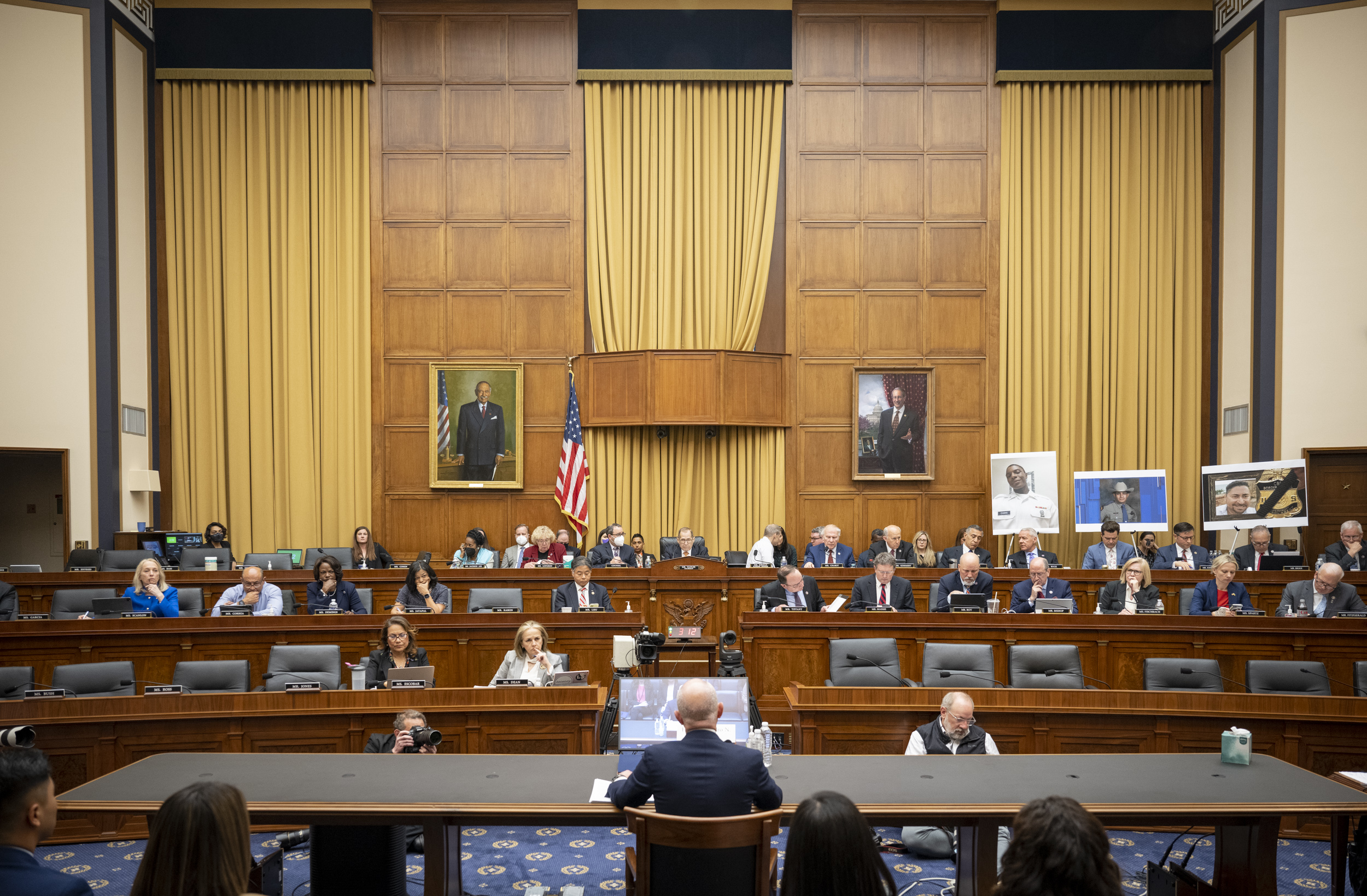
Typically, impeachment-related measures go to the House Judiciary Committee, the body that historically handles constitutional questions and prepares articles. Committees can hold hearings, gather records, take testimony, and draft revised articles.
But referral is not a guarantee of momentum. A resolution can be referred to Judiciary and then never be scheduled for a hearing or a markup. In Congress, inaction is a decision.
2) Investigation and hearings
The Constitution does not require hearings, and it does not dictate an investigative format. The House can investigate through committees, special task forces, subpoenas, depositions, public hearings, or closed-door interviews.
This is why impeachment is sometimes described as a political remedy rather than a criminal one. The House designs the fact-finding process it believes the moment requires, within its own rules and due process norms.
3) Drafting and reporting articles
If a committee moves forward, it may vote to “report” articles to the full House. Those articles are the formal charges. This is the moment when allegations become a structured accusation.
4) The House floor vote
Only a House vote adopting at least one article makes a president “impeached.” The threshold is a majority vote, assuming a quorum is present.
If the House adopts articles, it then typically appoints House managers to act like prosecutors in the Senate trial and formally notifies the Senate that it has impeached the official.
A note on “privileged” impeachment resolutions
Some impeachment-related measures can be raised as privileged under House practice, meaning a member may be able to force a nearer-term procedural decision on the House floor. Even then, outcomes still depend on what a House majority is willing to do with the resolution, including moving to table it or sending it to committee.
What “high Crimes and Misdemeanors” means
The phrase that governs impeachment is famously slippery: “Treason, Bribery, or other high Crimes and Misdemeanors.” (Article II, Section 4.)
Notice what is missing: there is no list of qualifying offenses, and “high” does not mean “severe prison time.” In the impeachment context, “high” is often understood to mean high office and abuse of public trust. The House has historically treated impeachable conduct as behavior that undermines constitutional governance, even if it is not neatly chargeable under the criminal code.
That flexibility is both the point and the risk. It allows Congress to respond to abuses that do not fit ordinary statutes. It also means impeachment depends on institutional judgment, not just legal syllogisms.
If the House impeaches, what the Senate does
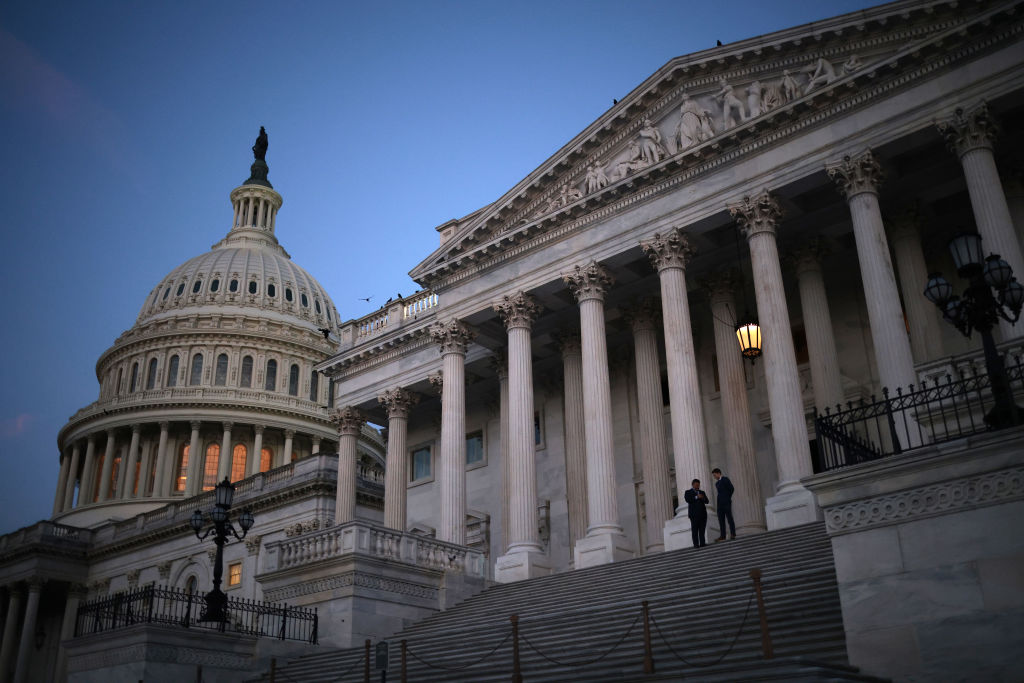
Once articles are transmitted, the Senate holds a trial. Senators take a special oath. Evidence is presented. The House managers prosecute. The president’s counsel defends. And the Senate votes.
Conviction and removal require two-thirds of Senators present.
The Senate can also vote to disqualify the convicted official from future federal office, by a separate vote that in practice is decided by a simple majority.
The consequences are office consequences. Impeachment does not itself impose prison time. Criminal liability, if any, runs through ordinary courts.
Even after the House impeaches, timing is not automatic. The Senate controls its own schedule and can delay organizing trial proceedings.
Why many resolutions go nowhere
Impeachment is constitutionally available, but institutionally expensive. It consumes time, attention, committee bandwidth, and floor schedule. It also forces members to take votes that will define them.
So House leaders often ask practical questions before moving forward:
Is there enough support to pass articles in the House?
Is there any plausible path to a two-thirds Senate conviction?
Is the evidentiary record strong enough to persuade people outside the initiating faction?
Would censure, oversight hearings, or legislation be a more realistic tool for the alleged problem?
Those are political questions, but they sit on top of a constitutional design choice: impeachment is meant to be hard to complete, because removal is meant to be rare.
FAQ
Does filing an impeachment resolution mean President Trump is impeached?
No. A president is impeached only when the House adopts articles of impeachment by a majority vote (with a quorum present).
Can the House remove a president by itself?
No. The House can impeach (charge). Only the Senate can convict and remove, by a two-thirds vote of Senators present.
Does the Constitution require a crime?
Not explicitly. “High Crimes and Misdemeanors” has historically included abuse of power and betrayal of public trust, even when criminal statutes are not the cleanest fit.
What is the fastest possible path after a resolution is filed?
The House could choose to move quickly, including by using floor procedures that force a nearer-term decision on how to handle a measure. In practice, the House often uses committees and investigation first. Speed is a choice made through House procedure, not a constitutional default.
The bottom line
Rep. Al Green’s new impeachment resolution is a real constitutional instrument, but it is not a constitutional verdict. It is the opening move in a process that only becomes “impeachment” at the moment the House votes to adopt articles.
That distinction matters. In a republic built on separated powers, the paperwork is not the power. The votes are.