
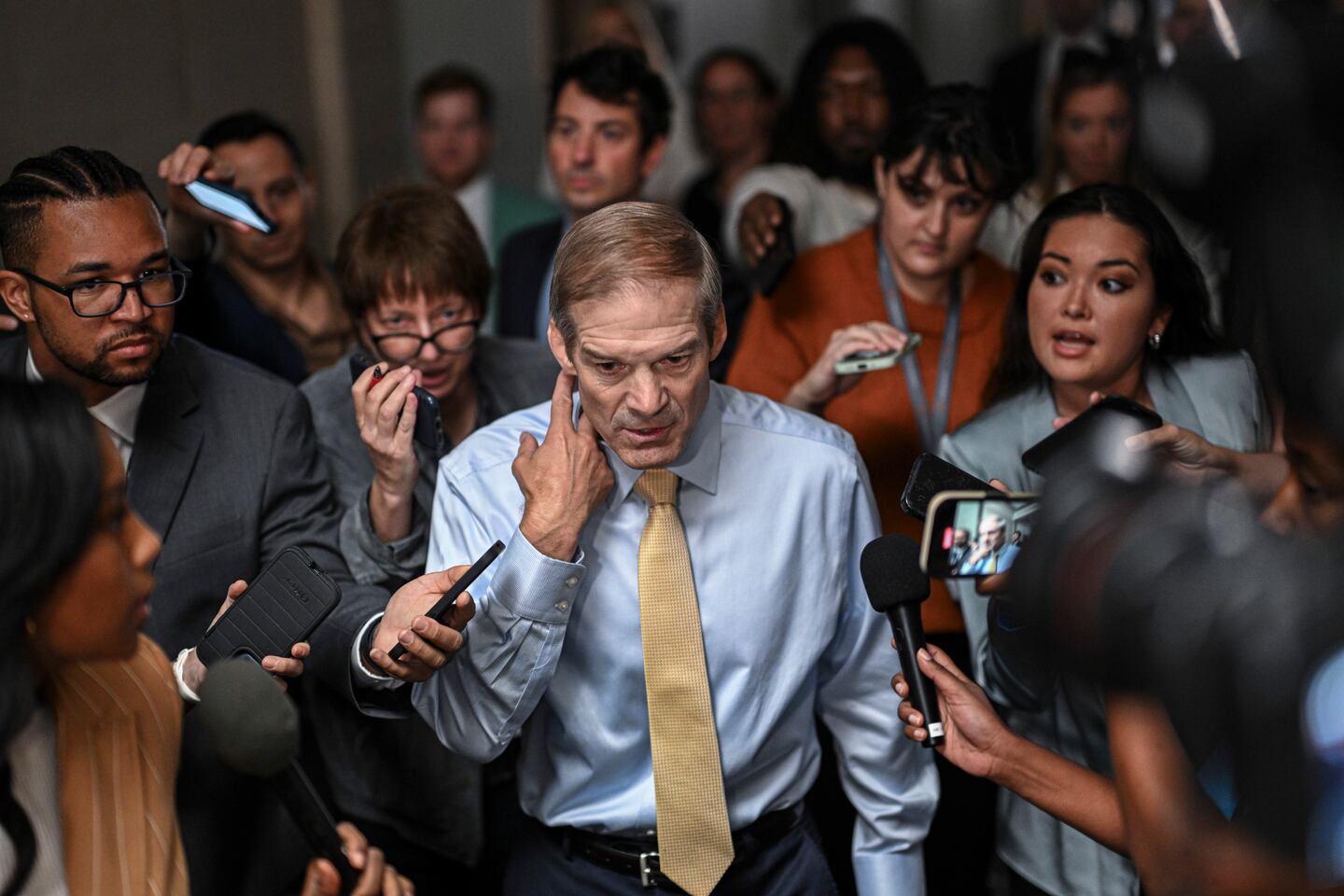
When a member of Congress “demands” FBI documents, it can sound like a simple hierarchy: lawmakers ask, agencies comply. The Constitution does not work that way. It sets up separate branches with overlapping powers, and then it forces them to argue until something gives.
The current dispute involves House Judiciary Committee Chairman Jim Jordan pressing the FBI for materials tied to something being described in some public accounts as “Round River.” You do not need to know every detail of that label to understand the underlying civics question people are really asking: can Congress force the FBI to turn over documents, and what happens when the FBI says no?
Join the Discussion
Congress can oversee the executive branch
The Constitution does not contain a neat clause that says “Congress may oversee the executive branch.” But oversight is treated as an implied power that flows from Congress’s explicit duties: writing laws, appropriating money, and checking misconduct.
The Supreme Court has repeatedly recognized that Congress has a broad power to investigate as part of its legislative function. Classic cases like McGrain v. Daugherty and Watkins v. United States are often cited for the idea that Congress may seek information to support legislation and other matters within its jurisdiction, not to simply expose private affairs or act as a roving prosecutor.
That means congressional committees can:
- Send document requests and letters.
- Hold hearings and take sworn testimony.
- Issue subpoenas if authorized by chamber and committee rules.
- Condition funding or rewrite statutes based on what they learn.
In plain English: Congress’s leverage is not just the piece of paper called a subpoena. It is the combination of investigation, publicity, budgeting, and legislation.
Why the FBI can resist
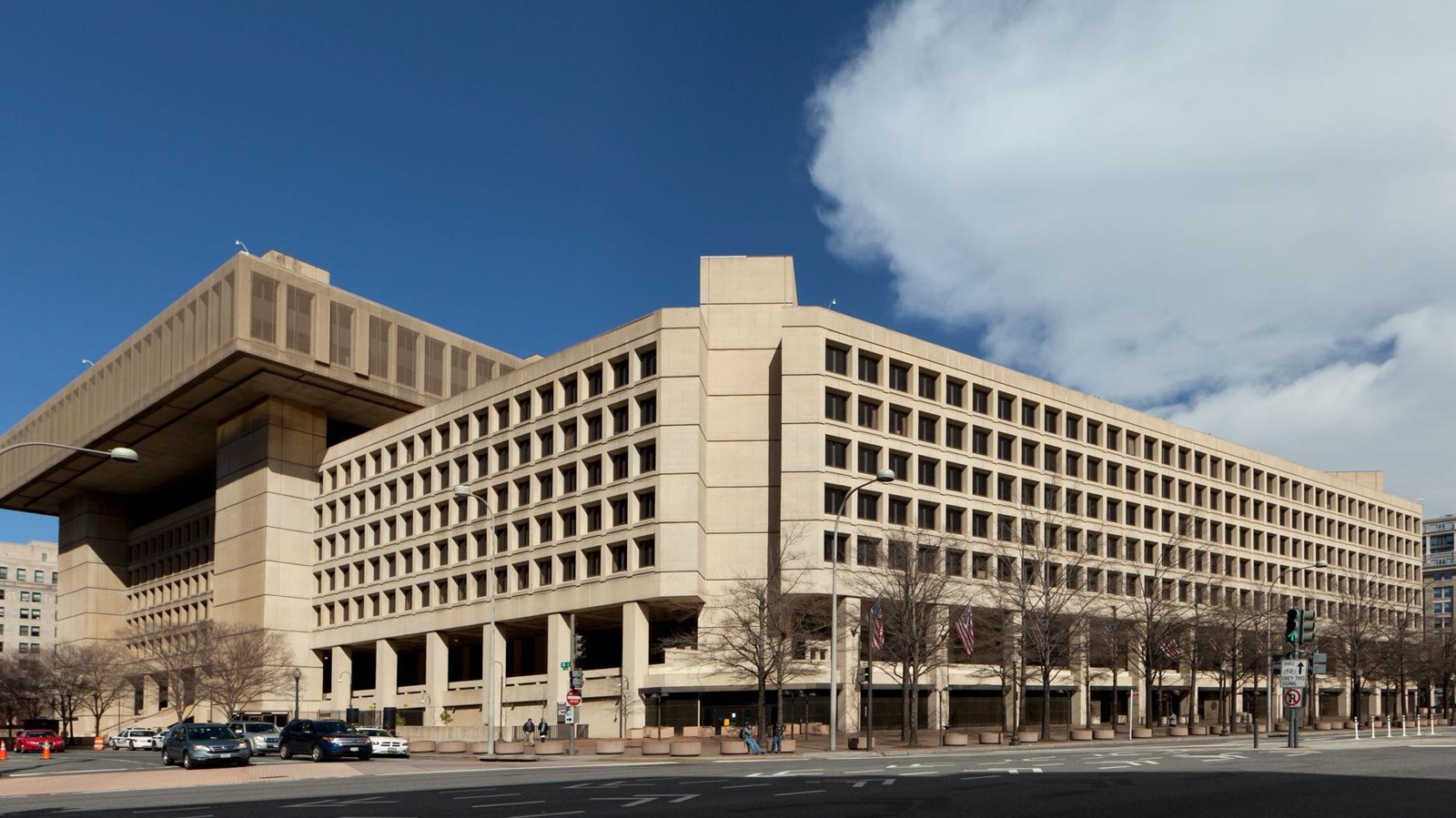
The FBI sits inside the executive branch, under the Department of Justice. Under Article II, the President is charged with executing the laws, and that includes supervising federal law enforcement. So when Congress requests investigative records, it is colliding with executive branch responsibilities that are also constitutional in character.
Three practical realities explain most refusals, delays, and partial productions.
1) Law enforcement sensitivity
Investigative files can include confidential sources, methods, uncharged allegations, and leads that would be compromised if released broadly. Even if a committee promises confidentiality, agencies often argue that compelled disclosure risks chilling cooperation and damaging future cases.
2) Legal restrictions and classification
Some information is classified or protected by statute. Congress can receive classified information through secure channels, but access is often mediated by clearances, committee procedures, and executive branch equities about who can see what. In other words, classification can change the method and the scope of production, not just the pace.
Agencies also cite privacy statutes, grand jury secrecy rules, and protections for ongoing prosecutions.
3) Privileges and related doctrines
The executive branch can assert executive privilege to protect certain communications and deliberations. Agencies may also invoke the law enforcement privilege, the deliberative process privilege, and attorney-client or work product protections in appropriate contexts. Privilege is not a magic word that ends the inquiry, but it is a recognized constitutional tool that can narrow what must be turned over, especially where disclosure would interfere with core executive functions.
How Congress tries to force it
A public dispute typically moves in stages.
Step one: the request
Committees start with letters and negotiated accommodations: briefings, redactions, limited in camera review, production to a small group of cleared staff, or a secure read-in for members (sometimes in a classified facility when necessary). Sometimes agencies provide a privilege log or explanations for what is being withheld.
Step two: the subpoena
If negotiations fail, a committee can vote to issue a subpoena. A subpoena is not self-enforcing. It creates legal risk and political pressure, but it still requires a next step if the recipient refuses.
Step three: contempt options
- Criminal contempt: Congress can refer contempt to the U.S. Attorney. But the U.S. Attorney is part of the executive branch, and DOJ has long taken the position, including in Office of Legal Counsel opinions, that it should not prosecute executive officials who are withholding information at the President’s direction based on separation of powers.
- Civil enforcement: The House can sue in federal court to enforce a subpoena. This can work, but it is slow, and courts often encourage compromise. Litigation can also run into justiciability and separation of powers concerns.
- Inherent contempt: A largely dormant power where Congress could detain a contemnor itself. It is legally famous and practically rare in modern times.
The takeaway is counterintuitive: Congress has strong tools, but “force” often means “force a negotiation”, because the executive branch controls prosecution and controls the documents.
Where the Round River fight fits
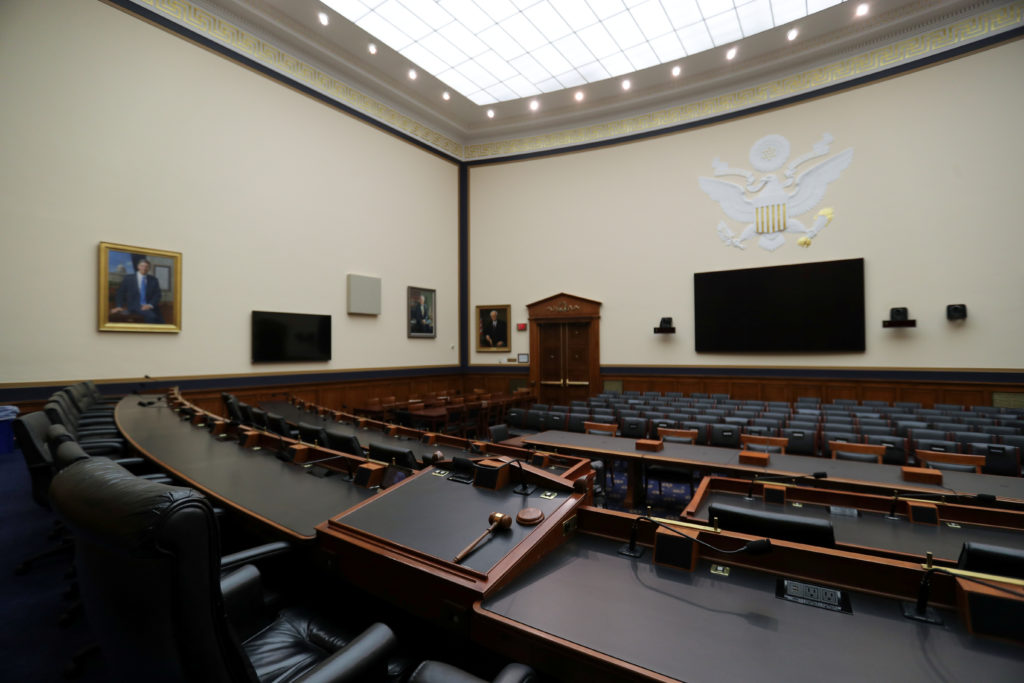
Public accounts describe “Round River” as a label attached to FBI materials that lawmakers want, in connection with claims that federal law enforcement activity may have touched people associated with a former president and his allies. In that framing, the House argument is straightforward: Congress needs to know whether the FBI followed the law, followed internal rules, and whether new legislation or budget constraints are needed.
The FBI and DOJ, in turn, generally respond in this kind of conflict by asking questions that are less about politics and more about institutional control:
- Are the materials part of an ongoing investigation, or were they part of a closed matter?
- Do they contain source identifying information or operational methods?
- Would production set a precedent that congressional majorities can routinely pull raw investigative files?
- Can the committee’s oversight needs be satisfied through summaries, briefings, redactions, or limited review instead of full bulk productions?
That is why these disputes so often produce compromise solutions that look unsatisfying to everyone: partial productions, staged releases, redactions, and secure read-ins for a subset of members or staff.
Limits that matter
Congress can investigate. Congress can legislate. But Congress is not a grand jury, and it is not supposed to run federal cases from the dais.
Courts have said congressional investigations must have a valid legislative purpose. That line is flexible, and committees can usually articulate one. Still, it becomes important when oversight requests start to look like demands for evidence to accuse named individuals, rather than efforts to craft laws or supervise spending.
Modern cases also reflect the same basic theme: when subpoenas collide with core separation of powers concerns, courts often talk in terms of balancing and tailoring rather than absolute wins. (For example, Trump v. Mazars is frequently cited for limits and considerations in certain congressional subpoena fights.)
This is part of the deeper separation of powers problem: if Congress can routinely compel raw FBI files, it can pressure investigations and punish political enemies. If the FBI can routinely refuse Congress, it can operate with less democratic accountability. The Constitution does not “solve” that tension. It makes the branches negotiate inside it.
What usually happens next
Most congressional-executive document fights end in one of four places:
- Accommodation: the agency provides some materials, often with redactions or secure review conditions.
- Delay: time becomes the executive branch’s ally, especially near elections or the end of a Congress.
- Litigation: courts may order some disclosure, but they often push the parties back to the bargaining table.
- Legislative leverage: Congress uses funding, confirmations, or statutory changes to extract compliance.
If you are looking for a simple yes or no, here it is: Congress can compel FBI documents in principle through subpoenas and enforcement mechanisms, but it cannot always compel them in practice, especially when the executive branch credibly invokes investigative sensitivity, classification, statutory limits, or privilege.
That is not a loophole. It is the system operating as designed: checks and balances by friction, not by efficiency.
Quick FAQ
Can Congress subpoena the FBI?
Yes. Committees can issue subpoenas for documents and testimony under House and Senate rules, tied to a legitimate legislative purpose.
Can the FBI ignore a subpoena?
Not in a straightforward sense. Refusal can trigger contempt proceedings or litigation, but enforcement is slow, contested, and often ends in negotiated accommodation rather than immediate production.
Does “FBI independence” mean Congress cannot oversee it?
No. The FBI is not a fourth branch. It is part of the executive branch. “Independence” usually means professional norms and some insulation from day to day political direction, not immunity from congressional oversight.
What if the documents are classified?
Congress can receive classified information, but typically through secure facilities and procedures and often with limits on distribution. In practice, classification and executive branch equities can significantly shape what is shared and with whom, even when oversight authority exists.