
When a public-benefit fraud story re-enters the headlines, it often comes wrapped in campaign language: who knew what, who was “tainted,” who should answer for what. But the legal system does not run on slogans. It runs on jurisdiction, evidence, intent, and due process.
This article explains what people usually mean when they refer to a “Minnesota welfare fraud scandal,” how fraud involving programs like SNAP and Medicaid is investigated, and the line the Constitution draws between political accountability and criminal prosecution.
A note on scope: Minnesota has seen multiple high-profile fraud cases tied to public programs in recent years, including federally funded child nutrition program fraud charged in federal court (often discussed under the “Feeding Our Future” umbrella) and separate investigations involving other state and federally supported benefits. This is a legal explainer, not a claim about any single defendant or public official.

Join the Discussion
What “welfare fraud” means in law
“Welfare fraud” is a catchall phrase. Legally, cases tend to break into categories, and each category shapes how investigators gather proof.
- Eligibility fraud: A recipient lies about income, household size, residency, disability status, or employment to qualify or to receive more benefits.
- Provider fraud: A business or nonprofit bills a government program for services not provided, inflated costs, kickbacks, or manipulated documentation. In Medicaid, this is often called health care fraud. One common example is billing for a higher level of service than was actually provided.
- Trafficking and benefit conversion: SNAP benefits are sold for cash, exchanged through sham transactions, or routed through ineligible purchases. A typical pattern is a retailer running fake purchases and handing back cash at a discount.
- Identity and application fraud: Someone uses another person’s identity to obtain benefits, sometimes tied to larger identity-theft operations.
The jurisdictional hook is straightforward: public-benefit programs are created and regulated by statutes, and many are funded or governed in part by federal law. That means the same underlying conduct can implicate state criminal enforcement, federal prosecution, or both, depending on the program, the conduct, and the evidence.
Who investigates: state, federal, and overlap
Public-benefit programs are rarely “owned” by a single level of government. SNAP is federally funded and federally regulated, but largely administered by states. Medicaid is jointly funded and heavily regulated at the federal level, but run day-to-day by states. That shared structure creates shared enforcement.
State-side investigators
In Minnesota, investigations can involve county human services fraud units, state auditors, and state law enforcement. For Medicaid in particular, the Minnesota Attorney General’s office houses the Medicaid Fraud Control Unit, which investigates and prosecutes (or refers) certain provider and patient abuse matters tied to Medicaid.
These teams often start with administrative red flags such as inconsistent paperwork, unusual billing patterns, suspicious vendor activity, whistleblower reports, or data matches showing undisclosed income.
Federal investigators
When federal money or federal program rules are involved, federal investigative agencies may join or lead, including:
- USDA Office of Inspector General (for SNAP-related fraud patterns, retailer trafficking, and program integrity)
- HHS Office of Inspector General (for Medicaid provider fraud, kickbacks, and billing schemes)
- FBI (particularly for large, organized, multi-jurisdictional schemes)
- IRS Criminal Investigation (when tax violations, laundering, or complex money trails appear)
- Postal Inspection Service (when mail is used to execute or conceal a fraud scheme)
Joint cases
Large fraud matters commonly become joint operations because evidence is scattered across bank records, electronic payments, vendor contracts, benefit files, and communications. Joint investigations also help prosecutors distinguish an honest compliance failure from a deliberate scheme by showing a consistent pattern across data sources.
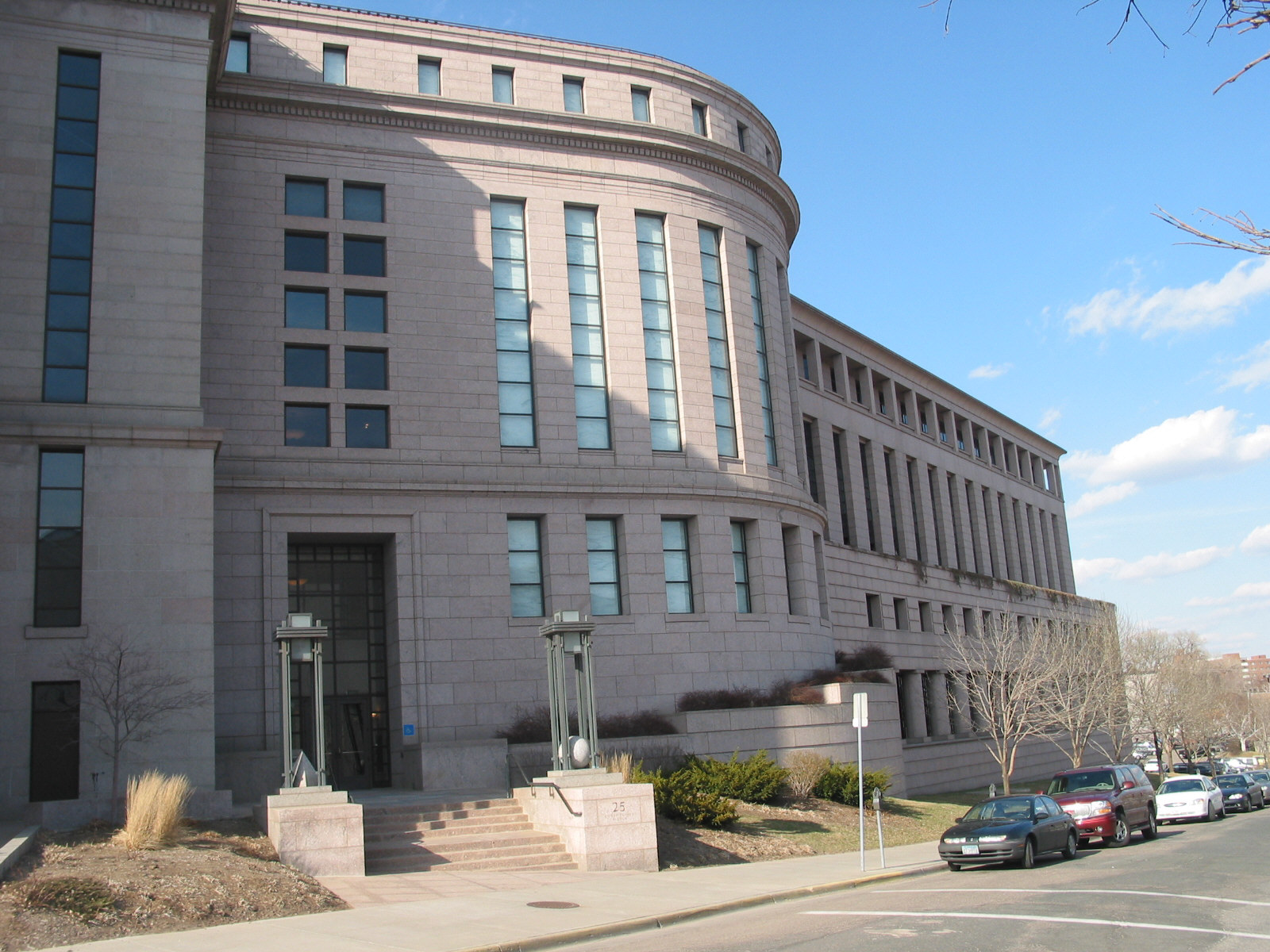
How cases start: audits, tips, and data
Most public-benefit fraud cases begin with administrative detection, not a dramatic arrest. Common starting points include:
- Program integrity audits that flag anomalies in claims, reimbursements, or vendor submissions
- Whistleblowers including employees, contractors, clients, or competitors
- Data analytics such as duplicate addresses, repeated provider IDs, abnormal transaction frequency, or suspicious billing codes
- Referrals from county agencies or state departments to law enforcement when an overpayment appears intentional
That early stage is often civil or administrative: benefits can be paused, vendors can be suspended, and agencies can demand repayment. Criminal prosecution usually comes later, after investigators decide the evidence supports proof of intent.
Tools investigators use: subpoenas and warrants
White-collar and benefits fraud cases are built on records. Search warrants do happen, but investigators frequently use subpoenas, administrative demands, and requests to third parties to gather bank records, billing data, contracts, emails held by providers, and payment-processor logs. Those tools often involve different legal standards and procedures than a home search.
In federal cases, grand juries are also a common mechanism for compulsory process. In state matters, prosecutors and agencies have their own subpoena authorities under state law.
State vs federal prosecution: who charges
It is tempting to think of federal prosecutors as “bigger” and state prosecutors as “smaller.” The real distinction is jurisdiction and statutory fit.
Why a case stays in state court
- The conduct primarily violates state fraud or theft statutes.
- The dollar amount is significant but not part of a multi-state pattern.
- Evidence and witnesses are local, and the state can obtain comparable penalties.
Why a case goes federal
- Federal funds and federal program rules are central, especially in large-scale schemes.
- The case fits federal statutes such as wire fraud, mail fraud, health care fraud, or money laundering.
- The scheme crosses state lines or uses interstate systems such as electronic payment networks.
- Investigators want federal forfeiture tools and the uniformity of federal sentencing.
Constitutionally, this overlap is permitted because of dual sovereignty. The same conduct can violate both state and federal law. That does not mean two prosecutions always happen, but the option exists because state and federal governments are separate sovereigns.
What prosecutors must prove
Fraud is not just “being wrong.” It is usually “being wrong on purpose.” Prosecutors typically need to show some combination of:
- A false statement or deceptive act (lying on an application, falsifying invoices, creating sham transactions)
- Materiality (the lie mattered to eligibility or payment)
- Knowledge and intent (the defendant knew the statement was false and meant to obtain money or benefits)
- Loss or intended loss (the program paid out, or the scheme aimed to obtain payments even if intercepted)
This is where due process becomes concrete. The government cannot convict someone because an organization was sloppy, or because public commentary says “everyone knew.” In criminal court, prosecutors have to connect a person to an act and to a state of mind, and prove it beyond a reasonable doubt.
Due process in fraud cases
Fraud investigations can feel one-sided from the outside because investigations are typically nonpublic until charging decisions are made. The Constitution’s role is not to make investigations comfortable. It is to make convictions legitimate.
Fourth Amendment: warrants and records
If investigators search homes or offices or seize devices, they generally need a warrant supported by probable cause, unless an exception applies. In modern fraud cases, the most valuable evidence can be digital: emails, accounting systems, payment logs, and phone data. Expect litigation over what warrants allowed and how broadly they were executed.
At the same time, a great deal of evidence is obtained without a traditional premises search, including through subpoenas and third-party business records. Those pathways raise their own legal questions, but they often look different from the classic warrant-and-raid picture people expect.
Fifth Amendment: interviews and compelled materials
Targets have the right not to incriminate themselves, and Miranda protections apply to custodial interrogation. Many fraud cases turn on documents rather than confessions, but interviews still matter. Separately, the government can often compel production of many business records, subject to limits such as the act-of-production privilege in some contexts.
Prosecutors also have broad charging discretion, which can create perceptions of uneven treatment. The constitutional check is whether charging choices are lawful and whether the trial is fair.
Sixth Amendment: counsel and confrontation
Defendants have the right to counsel, to confront witnesses, and to present a defense. In fraud cases, that often means battling over expert testimony, audit methodologies, and whether program rules were genuinely confusing versus deliberately exploited.
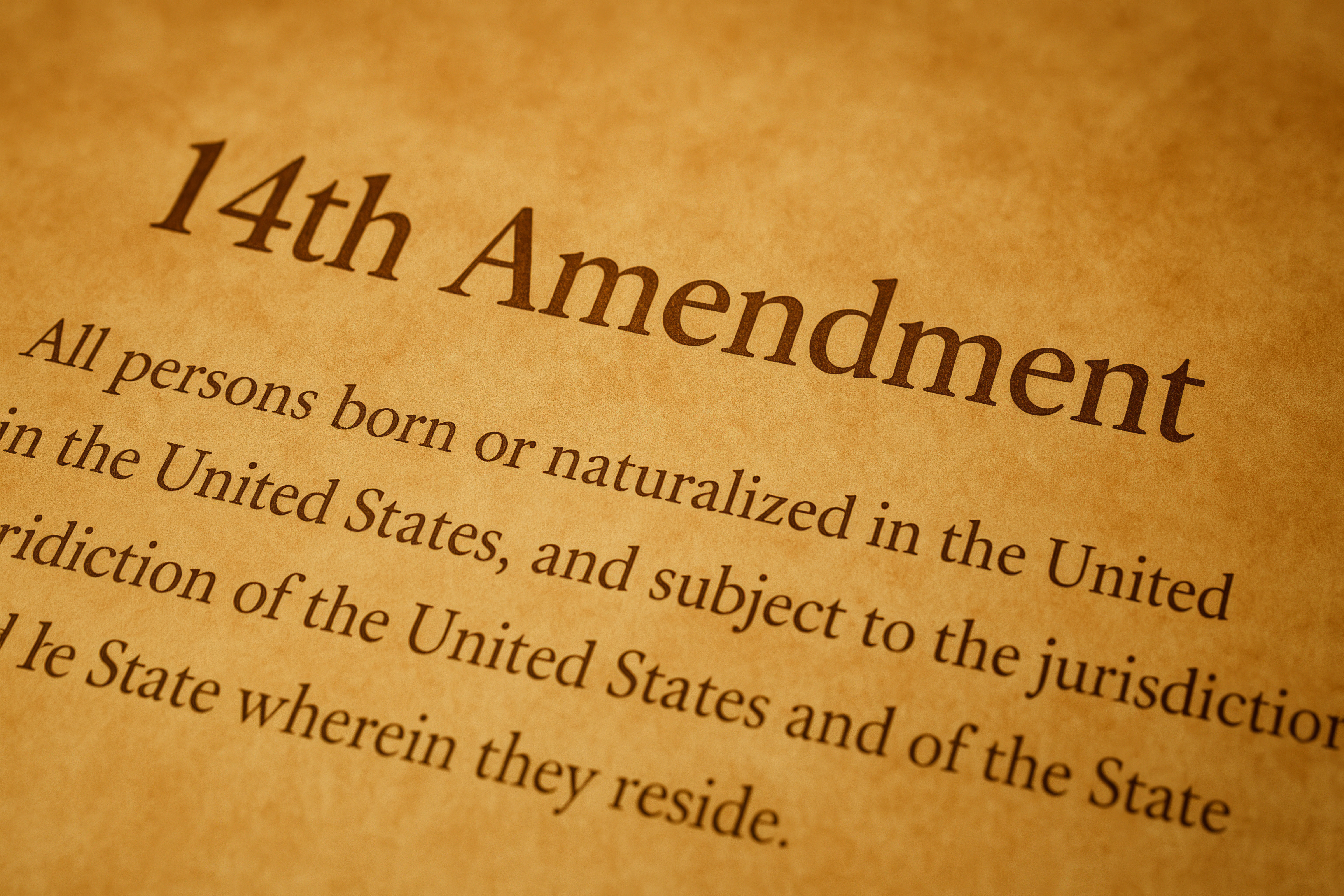
Fourteenth Amendment: due process in state court
The Fourteenth Amendment applies due process protections to the states. It is why the constitutional guarantees most people associate with “criminal procedure” show up in state fraud trials too.
Oversight vs prosecution
Because SNAP and Medicaid involve federal dollars, Congress has oversight tools even when a case is prosecuted in state court.
- Hearings and subpoenas: Committees can demand testimony and documents to evaluate how funds were administered.
- Inspector General reports: IGs can audit agencies and recommend reforms, suspensions, or referrals.
- Appropriations power: Congress can condition funding, require reporting, or change program rules.
Oversight is political by design. It asks, “Did government work?” Criminal court asks, “Did this defendant commit a crime?” Those questions overlap, but they are not interchangeable.
Parallel tracks: civil and administrative cases
Not every enforcement action is criminal. Agencies can suspend vendors, terminate benefits, and seek repayment through administrative processes. In provider cases, governments may also pursue civil remedies, including False Claims Act cases. Some civil cases start with whistleblowers through qui tam filings, and they can run alongside criminal investigations or proceed after criminal charges are resolved.
Can a politician be legally responsible for “ties”?
This is where campaigns often collide with constitutional reality.
Political responsibility is broad. Voters can decide a leader should have pushed harder for safeguards, hired different people, demanded tougher audits, or taken earlier action. None of that requires proof beyond a reasonable doubt. It requires persuasion.
Criminal responsibility is narrow. To charge a public official, prosecutors generally need evidence of personal involvement such as:
- direct participation in fraud
- conspiracy or aiding and abetting
- bribery or kickbacks
- obstruction of justice or witness tampering
- false statements to investigators
In other words, being “near” a scandal is not a crime. The Constitution insists on individual guilt proven in court, not guilt by association argued through campaign messaging.
One practical caution follows from that: public discussions should be precise. Claiming someone committed a crime, or implying corrupt intent, without supporting evidence can create real legal and reputational risks outside the courtroom.
After charges: pleas, restitution, forfeiture
Public-benefit fraud prosecutions often end in guilty pleas, especially when paper trails are strong. Common outcomes include:
- Restitution: repayment to the government for losses
- Forfeiture: surrender of assets tied to the fraud, sometimes including funds traced through accounts
- Debarment or exclusion: businesses and individuals can be barred from participating in federal programs
- Probation or imprisonment: depending on loss amounts, role in the scheme, and criminal history
These remedies reflect the core purpose of fraud enforcement: accountability, recovery of public money, and deterrence.
Common reforms after a scandal
Even when prosecutions succeed, the deeper question is structural: how a program designed to help people becomes vulnerable to exploitation.
Common reforms include tighter vendor screening, better data matching, clearer documentation standards, more frequent audits, and improved coordination between state agencies and federal inspectors general. Those are policy choices, but they sit downstream of a constitutional design: federalism. Shared programs create shared responsibility, and sometimes shared blind spots.
Quick FAQ
Is SNAP fraud a federal or state crime?
It can be either. SNAP is federal, but states administer it. Smaller cases often stay local. Large trafficking or multi-state schemes are more likely to go federal.
Is Medicaid fraud always federal?
No. States prosecute many Medicaid fraud cases under state law. Federal prosecutors step in when federal statutes fit the conduct or the scheme is large, organized, or crosses jurisdictions.
Can someone be punished without a criminal trial?
Yes, administratively or civilly. Benefits can be terminated, vendors can be suspended, and overpayments can be recouped through civil processes. Criminal punishment like incarceration requires the protections of criminal procedure.
Does political criticism violate due process?
No. Due process limits government power in legal proceedings. Campaign speech is not a criminal prosecution. The danger is public confusion when political blame is treated as legal guilt.