
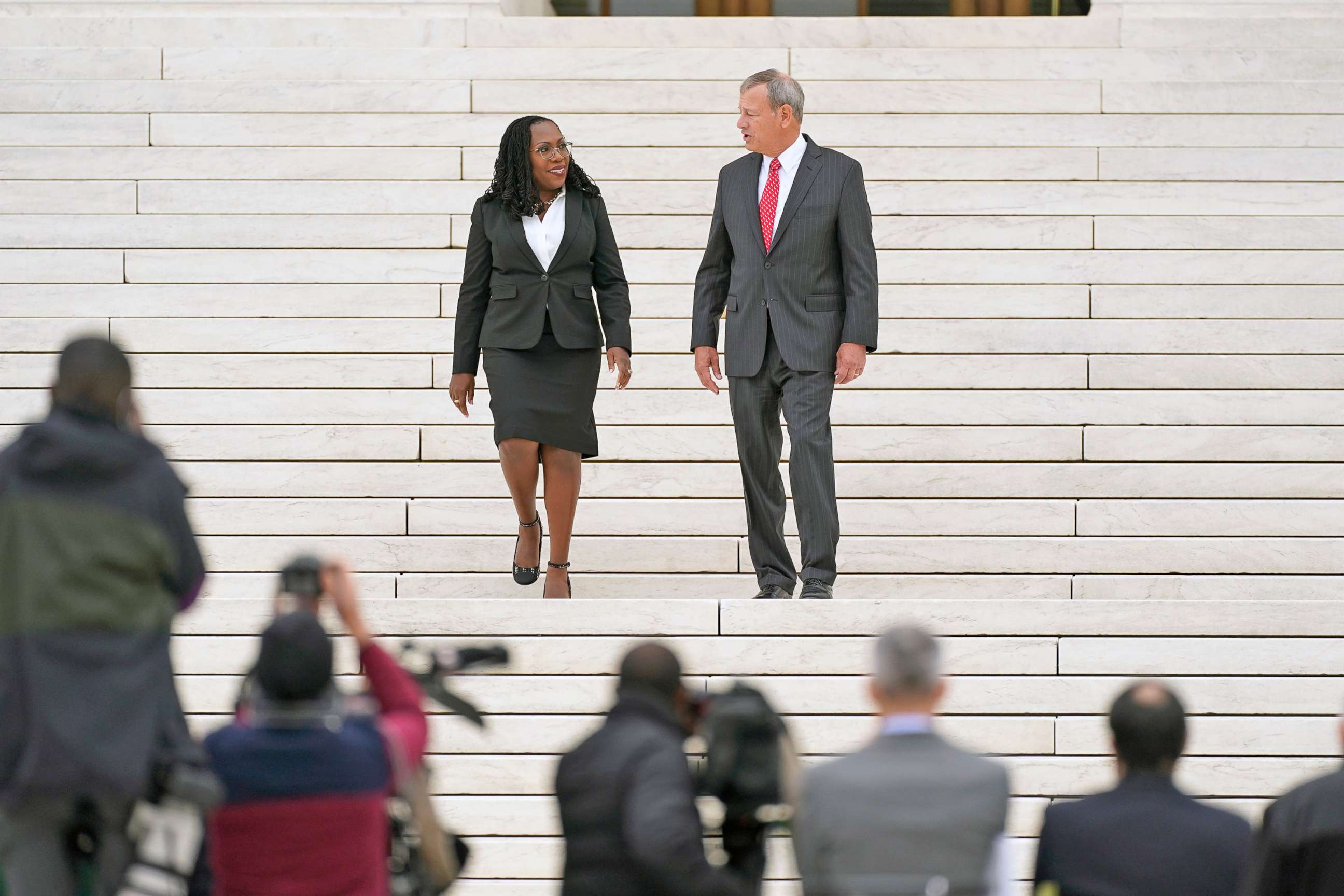
When a Supreme Court justice reaches for the phrase “Kafkaesque nightmare”, it is usually a signal that the normal tools of legal reasoning are colliding with something that feels both bewildering and hard to escape. That is exactly what happened this week, after an emergency Supreme Court decision sided with President Donald Trump’s effort to crack down on mail-in voting by reviving a specific chain of actions: a Trump executive order and a Postal Service policy built to carry it out.
In a dissent, Justice Ketanji Brown Jackson warned the ruling could “needlessly inject chaos and uncertainty into the upcoming midterm elections,” and added: “It also lets another shoe drop in the Kafkaesque nightmare that our precedents have been steadily creating for certain plaintiffs who seek to bring election-related challenges.”
Join the Discussion
What the Court did
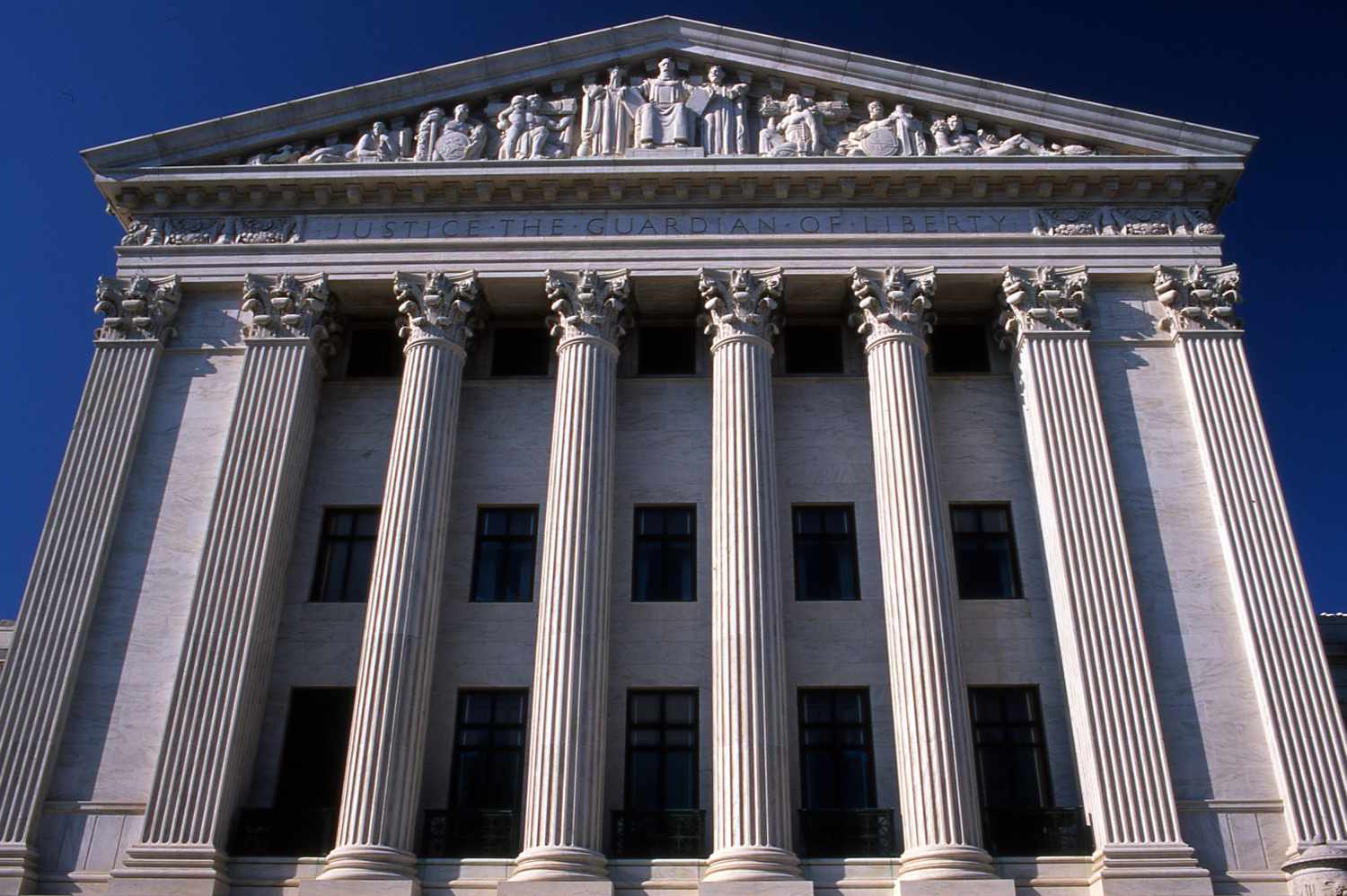
The Supreme Court, by a 6-3 vote, issued an emergency decision lifting a lower-court block on Trump’s executive-order-driven mail-ballot delivery policy. The Court concluded the district court had no authority to block the order at this stage.
The majority’s core procedural point was that the Democratic-led states sued too early, before the policy had been put into effect in a way that made harm provable. “On that score, time will tell,” the majority wrote.
The practical result is straightforward: one injunction was lifted, and the administration regained room to push forward with a policy that can affect whether some mail-in ballots are delivered at all.
How it started
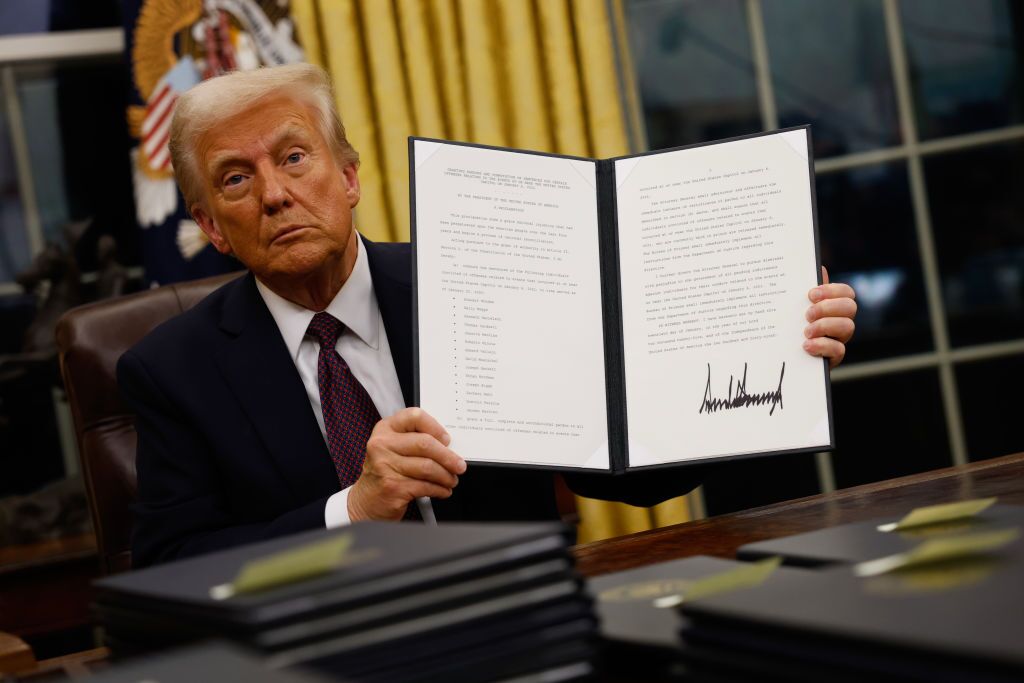
The dispute traces back to March, when Trump issued an executive order instructing the U.S. Postal Service not to deliver any mail-in ballots from states that refuse to provide the administration with a list of “approved voters.”
In June, Postmaster General David Steiner implemented that command as a Postal Service policy. Democratic-led states quickly challenged the move in court, arguing that Trump’s plans to intervene in state elections were unconstitutional.
A U.S. district judge blocked the order on behalf of those states, calling the plan unconstitutional. The administration then sought emergency relief from the Supreme Court.
What the policy can trigger

At its center, the executive order and policy aim to use ballot delivery as leverage: if a state does not hand over the “approved voters” list the administration wants, the Postal Service is instructed not to deliver that state’s mail-in ballots.
And the order has broader potential spillover if it is fully greenlit. It seeks to involve the Justice Department with state and local election officials issuing ballots to “ineligible” voters, and it calls for the Department of Homeland Security to create a “state citizenship list” to monitor a federal voter database.
Why the dissents were alarmed
Justice Sonia Sotomayor authored the principal dissent. Justice Jackson wrote separately, zooming in on a procedural trap that shows up repeatedly in election litigation: when a plaintiff is allowed to sue.
If courts demand plaintiffs wait until new election rules are actively causing harm, challenges can become nearly impossible to litigate in time to prevent disruption. But if plaintiffs sue early, courts may treat the case as premature. That squeeze is what Jackson was describing when she warned that existing precedent can trap certain election-related plaintiffs in a “Kafkaesque nightmare.”
What is still unresolved
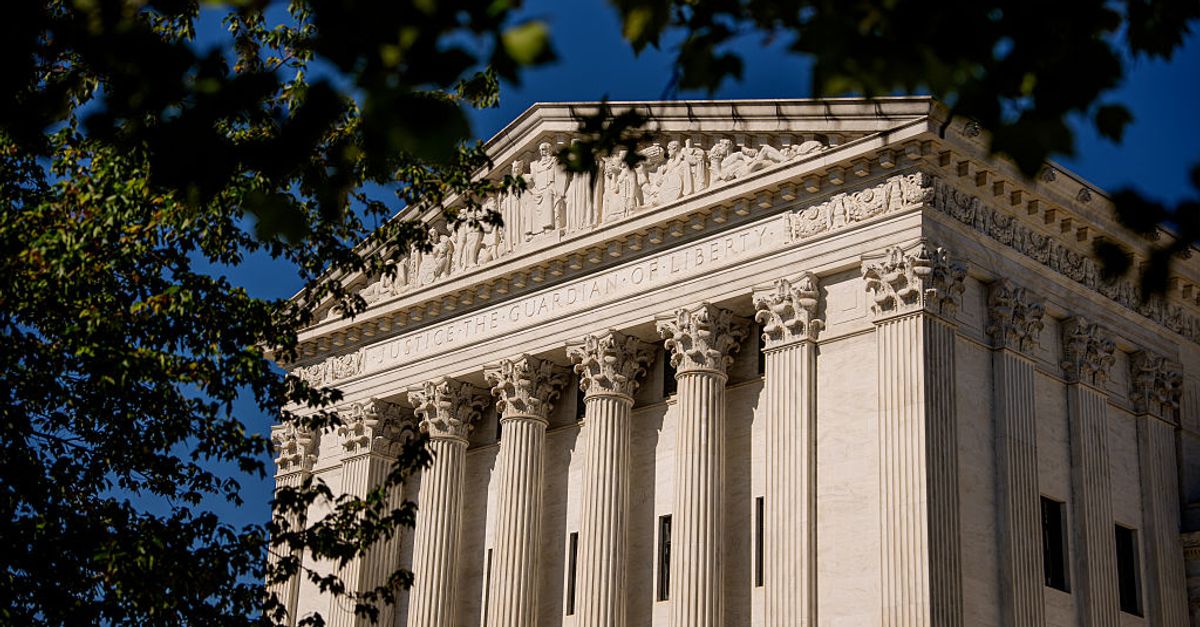
Even after the Court’s emergency action, the legal landscape is not settled. The decision lifted one injunction, but another remains in place. The policy’s full reach is still being fought over, and future rulings could narrow it, expand it, or strike it down entirely.
That unsettled posture matters because election administration runs on lead time. Election officials, voters, and campaigns generally need rules that are clear well before ballots go out.
Why it matters legally
Two legal ideas sit in the background of cases like this, especially when they reach the Court in an emergency posture.
1) Shared power over elections
Under the Constitution’s Elections Clause, states set the “Times, Places and Manner” of congressional elections, but Congress may “make or alter” those regulations. Disputes often become fights over who has authority to set the rules and how far federal power can go.
2) Emergency decisions lean hard on procedure
Emergency applications move fast, often without full briefing and oral argument. That makes procedural doctrines, including equitable discretion, do outsized work. In this case, Jackson’s dissent directly criticized the majority’s approach as inconsistent with “well-established precedents concerning this Court’s equitable discretion.”
What voting-rights groups said
In response to the ruling, counsel and plaintiffs in League of Women Voters Massachusetts v. Trump emphasized they are continuing the fight. “We are committed to protecting the right to vote, including full access to mail ballots for the millions of eligible voters who rely on them,” they said in a statement. They also called the executive order “clearly unconstitutional and unlawful” and said they would “continue to vigorously pursue all available avenues to challenge this executive order.”
What to watch next
- How courts handle the remaining injunction, which will shape how widely the policy can operate.
- Whether states change course on providing voter lists to the federal government, and what conditions attach to any cooperation.
- Whether federal agencies press ahead with the Justice Department and DHS mechanisms described in the order.
- Whether the Supreme Court takes up the merits later, rather than only deciding emergency pauses and reinstatements.
For everyday voters, the immediate takeaway is practical: if you vote by mail, pay close attention to your state’s guidance on deadlines, tracking, and cure procedures. When rules are being litigated in real time, clarity often arrives late. Late is exactly what the dissenters fear most.