

Members of Congress get real constitutional armor when they legislate. They do not get a free pass to do anything, anywhere, so long as they describe it as “oversight.” That is the basic premise behind a new federal appeals court decision declining to toss most of the criminal case against Rep. LaMonica McIver of New Jersey, who faces ICE-related charges stemming from a chaotic confrontation at a Newark detention facility.
The case is a clean civics test: Where does legitimate congressional oversight end, and where does ordinary criminal law begin? The Third Circuit’s answer, at least on the counts it addressed head-on, is that physically pushing, striking, or impeding federal officers is not a “legislative act” protected by the Constitution’s Speech or Debate Clause.
Join the Discussion
What happened at Delaney Hall
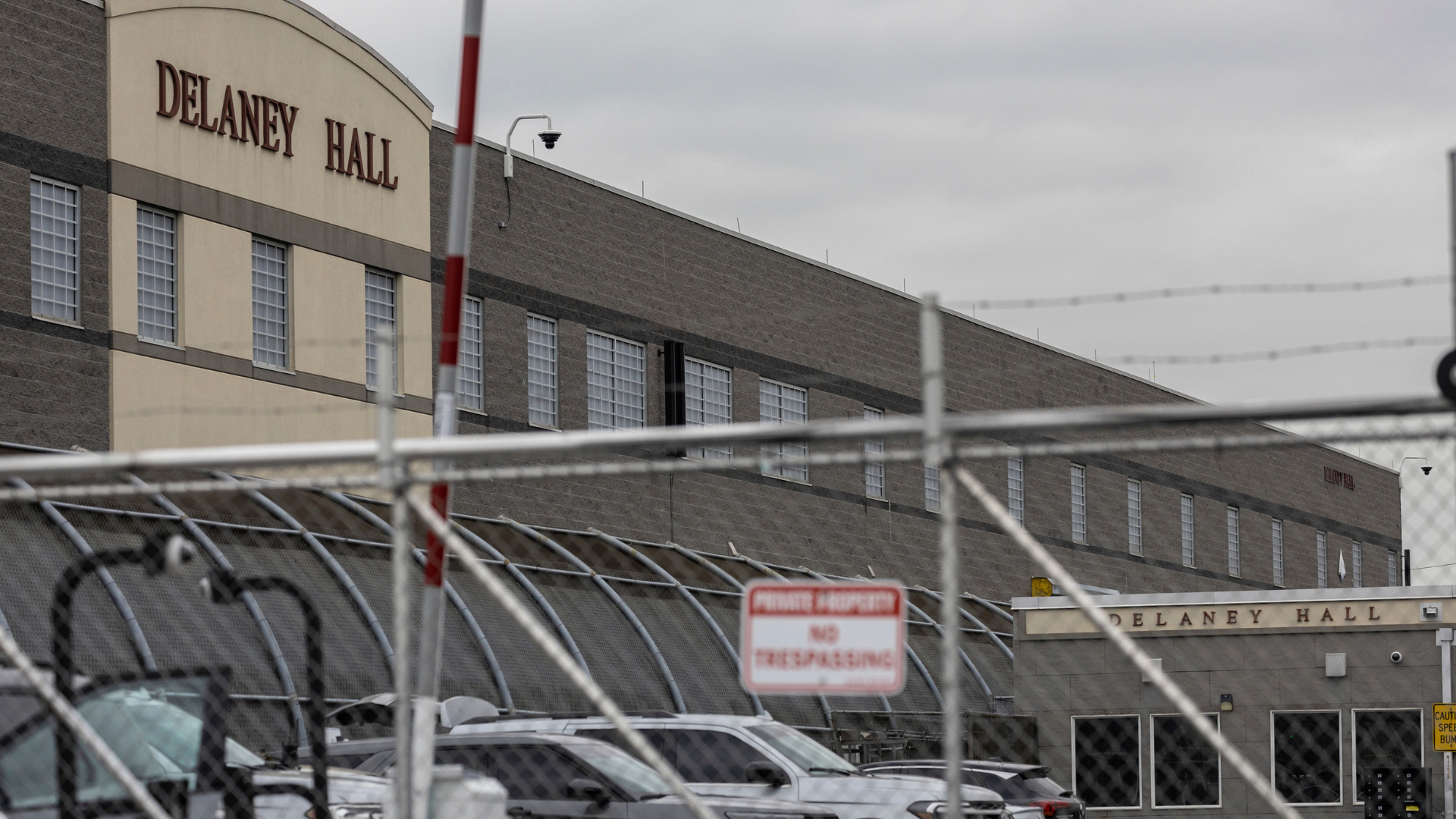
The charges trace back to an unannounced visit in May 2025 to Delaney Hall, an Immigration and Customs Enforcement facility in Newark. A group of Democratic officials arrived and the encounter escalated into a physical standoff between federal lawmakers and federal immigration officers. Newark Mayor Ras Baraka was arrested during the episode.
Federal prosecutors charged McIver with three counts, including allegations that she assaulted and impeded federal officers during the effort to arrest Baraka and during the ensuing movement in and around a secured area.
The constitutional argument McIver raised
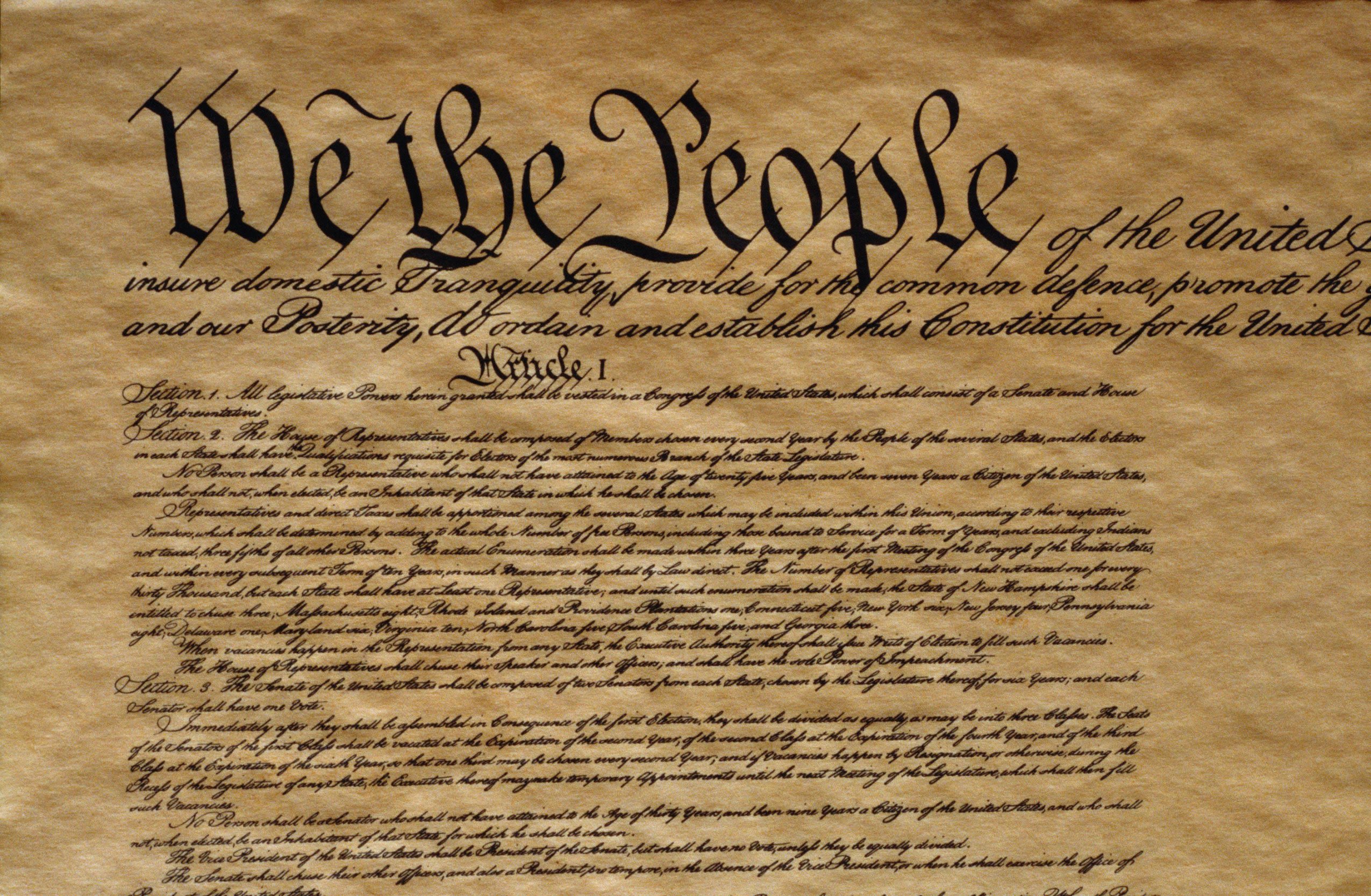
McIver sought to end the case early by invoking legislative immunity. The Constitution’s Speech or Debate Clause provides that senators and representatives “shall not be questioned in any other Place” for “any Speech or Debate in either House.” Over time, courts have treated that protection as extending beyond literal speeches to certain actions that are integral to the legislative process.
Her theory was straightforward: members of Congress conduct oversight. Oversight sometimes involves inspecting federal facilities. If her conduct was part of an official oversight function, she argued, prosecution would be constitutionally off-limits.
Her office also described the case as unfairly targeted and called the charges “vindictive.”
The Third Circuit’s ruling: two counts survive, one gets another look

A divided panel of the U.S. Court of Appeals for the Third Circuit refused to dismiss the case in full. In a 2-1 decision, Judges Cindy Chung and Stephanos Bibas concluded that legislative immunity does not block prosecution on two of the three counts. The third count was sent back to the trial court for additional review.
On the first count, court filings allege that McIver “slammed her forearm” into a federal officer who was attempting to arrest Mayor Baraka. The panel agreed with the lower court that this alleged intervention had no meaningful constitutional connection to a protected legislative function.
On the second count, the allegation is that McIver used both forearms to “strike [an officer]” while returning inside a secured area of Delaney Hall. The panel treated that sort of conduct as plainly outside the legislative sphere, writing: “Like the acts charged in Count One, the acts of pushing past and forcibly striking someone are unambiguously non-legislative: they are not integral to the legislative process.”
The third count was not simply affirmed or rejected on immunity grounds. Instead, it was returned to the lower court for further consideration, leaving a narrower constitutional question still in play.
The dissent and the oversight dilemma
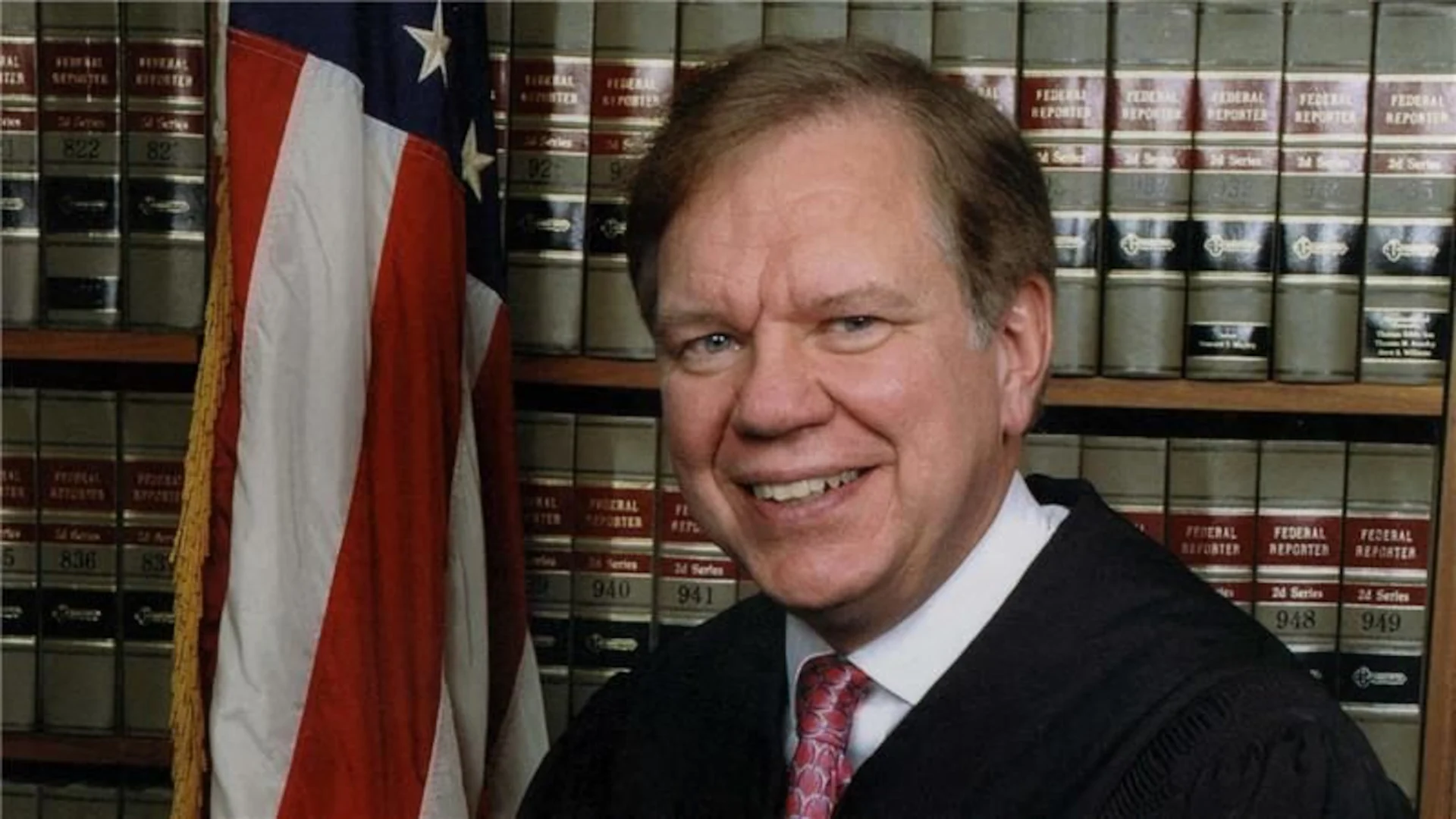
Judge Thomas Ambro dissented, framing the episode as an oversight access problem. In his view, the dispute was not just about personal conduct in a tense moment. It was about what happens when executive officials block a member of Congress from entering a Department of Homeland Security facility for an inspection. He wrote: “When an Executive Branch official prevents a Member from entering a DHS facility, she is denied effective access to an oversight inspection.”
This is the heart of the modern separation-of-powers friction: Congress has tools to oversee, investigate, and expose. The executive branch controls facilities, security, and arrests. Sometimes the collision is political. Sometimes it becomes physical. The Constitution anticipates conflict between branches. It does not assume that conflict erases the criminal code.
Why “legislative immunity” is narrower than people think
The phrase “legislative immunity” sounds like a cloak that follows members of Congress everywhere. Constitutionally, it is not. The Speech or Debate Clause was designed to protect the independence of the legislative branch by preventing intimidation through lawsuits or prosecutions based on legislative work.
But the protection has edges. Courts traditionally ask whether the act is part of lawmaking itself, such as debating, voting, preparing committee work, issuing reports, or conducting hearings. By contrast, actions that look like ordinary political activity or personal conduct, even when done in a political context, generally do not qualify.
The Third Circuit’s approach in McIver’s case tracks that line-drawing. Oversight may be a legitimate legislative function. But the panel treated the alleged physical acts in these counts as conduct any private citizen could commit, and be prosecuted for, regardless of motive.
McIver’s response and what comes next
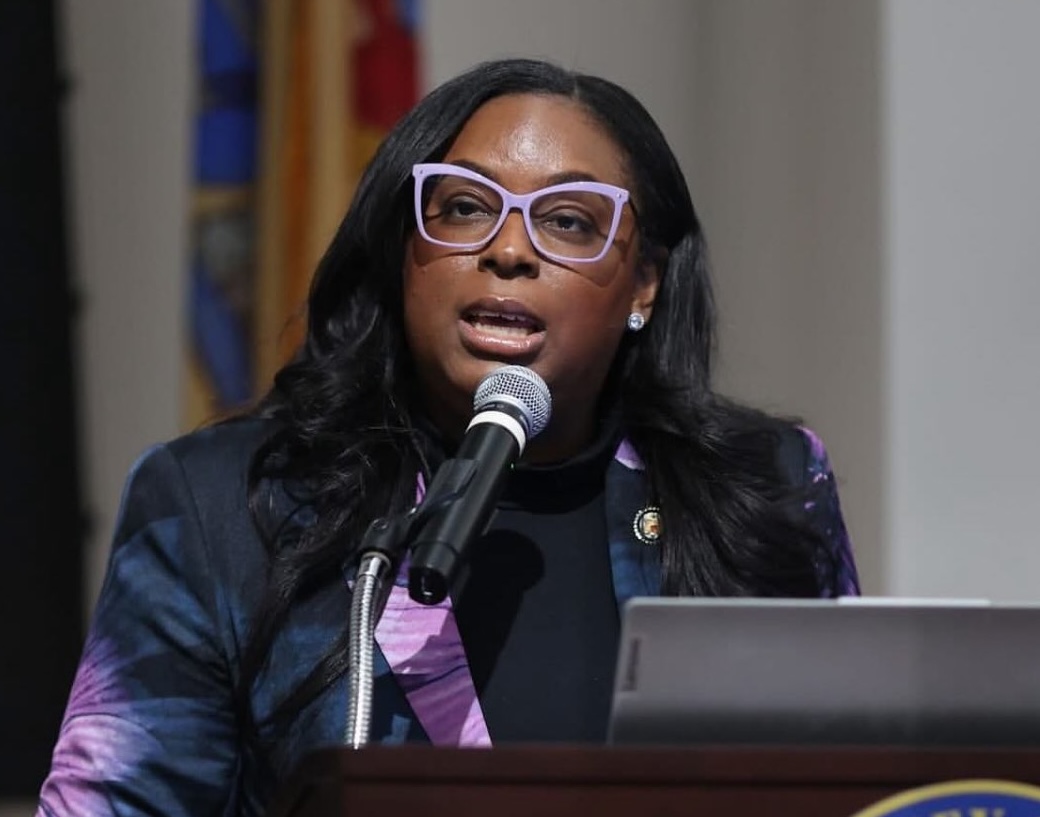
McIver said in a statement that “the court got it wrong.” She added: “Today’s decision chills that authority and emboldens the Trump administration to continue persecuting our most vulnerable communities, those who try to defend them, and anyone who dares hold the president or his lackeys accountable. I will not fold to this administration. We are exploring every possible option. The administration will not stop me from doing my job or standing for what is right. This is not over.”
Procedurally, the immediate effect is simple: the prosecution is not dismissed. Two counts remain intact against her despite the immunity argument, and one count returns to the trial court for more analysis. Substantively, the decision reinforces an old constitutional reality. The Speech or Debate Clause protects Congress as Congress, not members of Congress as individual actors in every confrontation with the executive branch.
The bigger constitutional takeaway
If you want a one-sentence civics lesson from this case, it is this: constitutional structure is not a substitute for personal immunity.
Congress’s oversight power is real and necessary. So is the executive branch’s authority to enforce federal law. When those powers collide at a secure federal facility, courts do not automatically convert the dispute into a legislative privilege question. They look at the act itself.
The Third Circuit’s ruling is a reminder that the Constitution is not just a shield for rights. It is also a set of boundaries. And boundaries matter most when tempers are high and everyone involved is convinced the law is on their side.