
Mail-in voting sounds like a simple administrative choice. Put a ballot in an envelope, mail it, count it. But when the Supreme Court issues an emergency order and a state signals more litigation, you are no longer talking about envelopes. You are talking about who gets to write the rules of elections in the United States.
This explainer is built for those breaking moments when election procedure changes fast. It explains what an emergency Supreme Court order does, what it does not do, and why the Constitution leaves room for so many different actors to tug on voting rules at once.
Join the Discussion
What the Court did
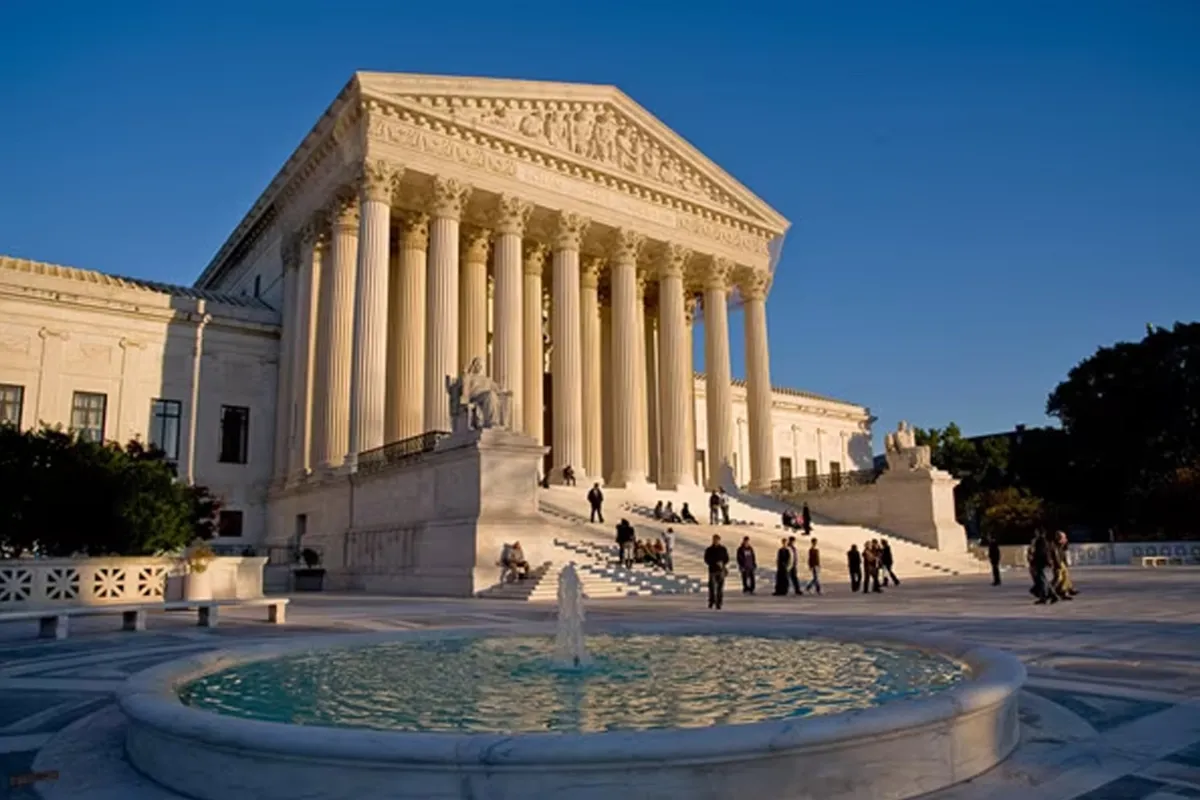
A Supreme Court emergency order is about what rules apply right now while a case continues, not a final decision after full briefing and oral argument. In plain terms, the Court is deciding whether to pause a rule until the case is resolved, or let it run during the fight.
In election disputes, these short orders often do one very concrete thing: they stay a lower-court injunction (so a challenged rule goes back into effect), or they leave an injunction in place (so a challenged rule stays blocked) while appeals move forward.
That distinction matters because emergency orders are often short and procedural. Sometimes they are unsigned. Sometimes individual justices write concurrences or dissents. Either way, the emergency posture is a signal that the Court chose an immediate outcome, not necessarily that it has finished deciding every legal question raised by the dispute.
What changes now
When the Supreme Court lets a contested restriction take effect on an emergency request, the practical impact is straightforward: election administrators must apply the rules the Court left in place, unless and until a later court order changes the landscape again.
If you are looking for the clean takeaway: the Supreme Court did not “take over elections,” but it did decide which rules govern the next round of voting while the legal fight plays out.
Rules that spark lawsuits
Most mail-in voting fights are not about whether voting matters. They are about which procedural guardrails are permitted, and which ones cross a constitutional or statutory line.
Depending on the dispute, mail-ballot litigation commonly involves rules like:
- Eligibility limits (who can vote absentee without an excuse, or whether “no-excuse” voting is available)
- Deadlines (received-by Election Day versus postmarked-by Election Day)
- Signature matching and opportunities to “cure” a mismatch
- Ballot collection limits (sometimes called limits on “ballot harvesting”)
- ID or verification requirements for requesting or returning a ballot
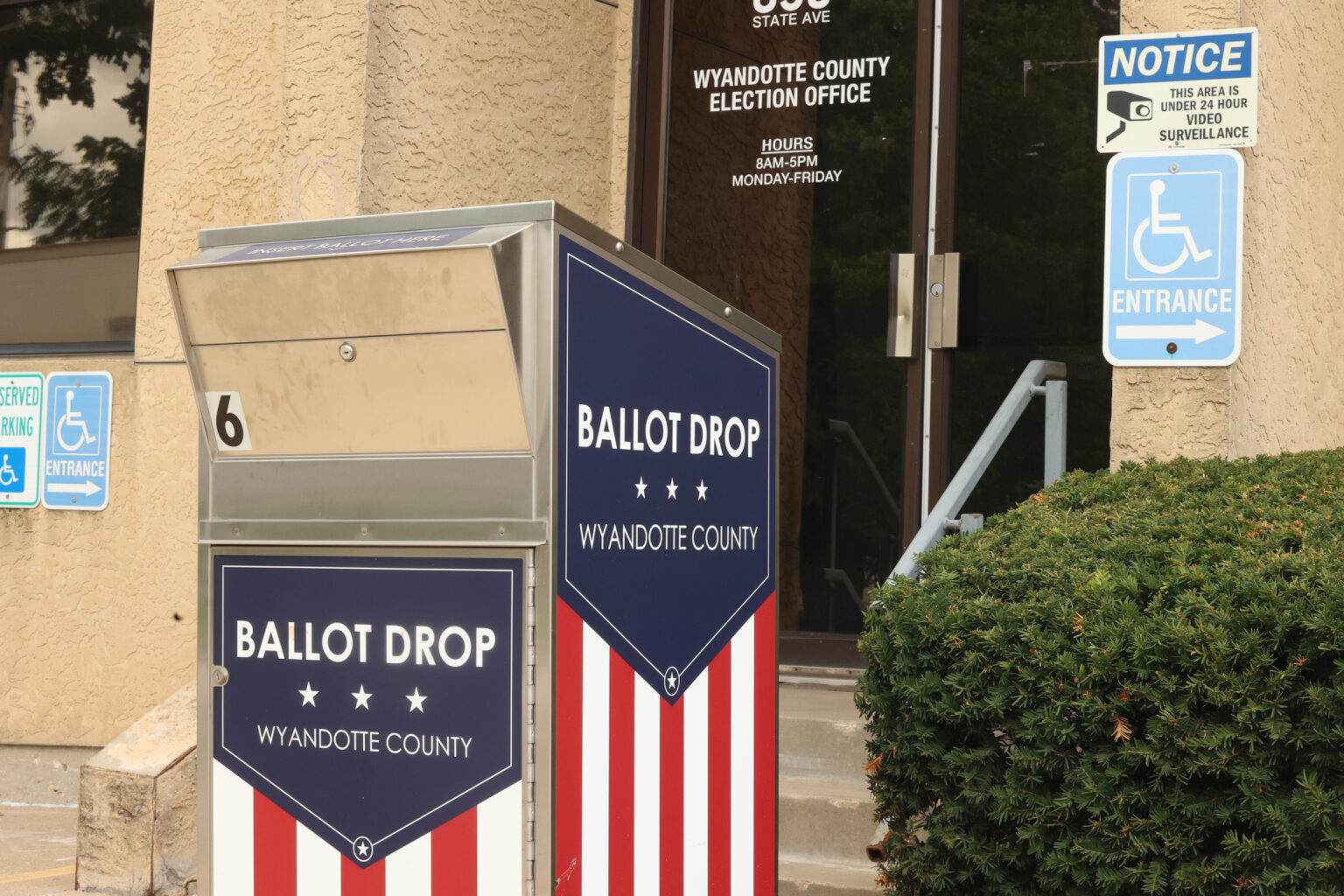
- Drop box rules (whether they are allowed, how many, and where they can be placed)
The Constitution does not list drop boxes or cure periods. But it does allocate power to set election rules, and it sets boundaries that those rules cannot cross.
Who sets election rules
Election law lives inside a tug-of-war the Constitution intentionally created.
1) States write many rules first
For congressional elections, Article I, Section 4, often called the Elections Clause, says the “Times, Places and Manner” of holding elections for Senators and Representatives “shall be prescribed in each State by the Legislature thereof.” In plain English: states write the initial procedural rulebook for federal House and Senate elections.
2) Congress can override state rules
The same clause adds that Congress may “at any time by Law make or alter such Regulations.” That is a constitutional mechanism for national standards. When Congress legislates in this space, federal law can preempt conflicting state rules, and courts sometimes have to resolve how far that federal power reaches in practice.
3) Presidential elections add another layer
Rules tied to presidential elections can raise additional constitutional and statutory issues, because the appointment of presidential electors is addressed in Article II and is also shaped by federal statutes that set timing and counting rules. Many state procedures are used for both presidential and congressional ballots, but the constitutional hooks are not identical.
4) Rights and limits still apply
Even when a state, or Congress, has authority to regulate elections, those regulations must still comply with other constitutional protections. That includes the Fourteenth Amendment’s equal protection and due process guarantees, and the Fifteenth, Nineteenth, Twenty-Fourth, and Twenty-Sixth Amendments’ voting-related anti-discrimination rules.
This is why election lawsuits often look like a maze: power to regulate exists, but it is boxed in by rights and prohibitions.
Why the Court steps in
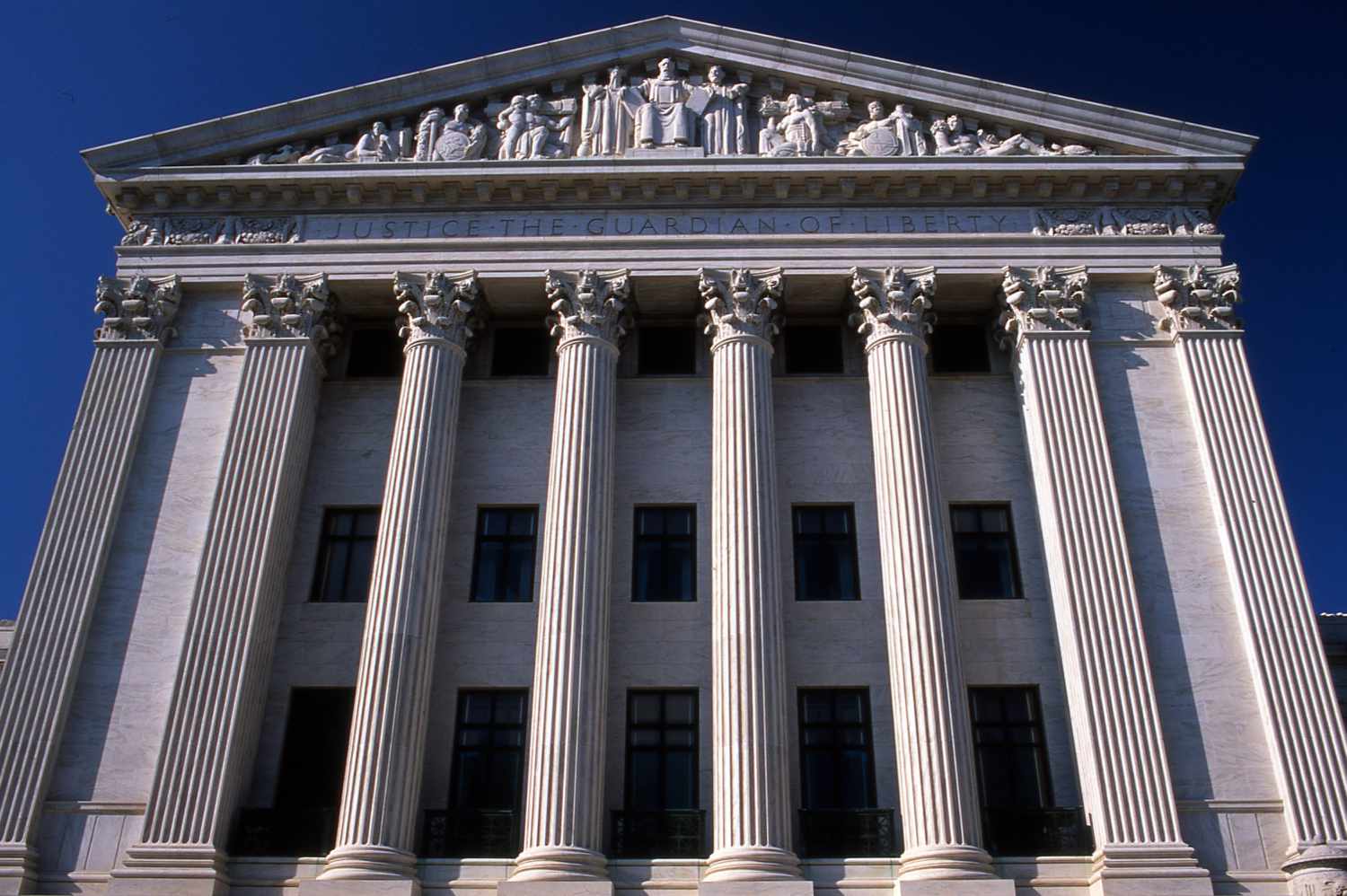
The Supreme Court does not write election codes. But it decides disputes about constitutional limits, and it arbitrates conflicts between state and federal authority. That makes it a frequent referee when election rules change close to an election, when different courts issue conflicting orders, or when a case raises a nationwide question about who had the power to act.
There is also a practical reason courts move cautiously: changing voting procedures late in the cycle risks confusion for voters and administrators. Courts often cite what is commonly called the Purcell principle, drawn from Purcell v. Gonzalez (2006), which cautions against last-minute judicial changes to election rules. It is not a jurisdictional bar. It is a prudential idea that courts apply in different ways, and it generally functions as a warning light rather than a bright-line rule.
Political ties and clear labels
Fast coverage sometimes uses phrases like “restrictions associated with President Donald Trump.” That can mean different things, and it is worth being precise.
- Federal action: a rule pushed by a Trump administration agency, or a federal position taken by the United States in litigation.
- Party litigation: a lawsuit brought by the Republican National Committee, the Trump campaign, or allied groups challenging a state’s procedures.
- State action: a state restriction that Trump supported politically, even though he did not write it.
The best way to keep this clear is simple attribution: identify who adopted the restriction and who is defending it in court.
Can a state ban mail voting
For state and local elections, states have broad authority to design voting methods. For federal elections, states still have broad authority under the Elections Clause for congressional contests, but Congress can override in some circumstances, and constitutional protections still apply.
So the real answer depends on what you mean by “ban” and which election you mean:
- States can choose stricter absentee rules than other states, including limiting who qualifies, so long as they stay within federal constitutional constraints and any applicable federal statutes.
- Federal law protects some voters regardless of state preferences, including military and overseas voters covered by UOCAVA, which requires absentee access for covered voters in federal elections.
- Other federal statutes can also constrain states depending on how a restriction operates in practice, including protections related to disability access and voting assistance.
- State constitutions and statutes may also constrain states, sometimes guaranteeing broader access than the federal Constitution requires, even if federal law would otherwise allow tighter rules.
- States cannot use procedure as a disguise for prohibited discrimination or otherwise violate federal constitutional protections.
This is why mail-in voting is perpetually litigated: the Constitution does not enshrine one national model. It creates a system where models compete and are constantly stress-tested.
Why a state sues again
When a state signals renewed litigation after an emergency loss, the point is not mystery. It is that an emergency order is often about timing and risk, not a full merits decision. A state may still believe there is a viable path forward, either on the merits or in an as-applied challenge to how rules are implemented.
After an emergency order, a follow-on case often takes one of several lanes:
- Statutory conflict: arguing a restriction conflicts with federal election statutes, or that a federal actor lacks authority for the particular rule.
- Constitutional limits: arguing the restriction imposes an undue burden on voting rights under the Fourteenth Amendment, or results in unequal treatment of similarly situated voters.
- Federalism and administration: arguing that a federal rule reaches beyond federal elections into state-run election machinery in a way the Constitution does not permit.
- As-applied challenges: even if a rule is lawful on its face, arguing it is being implemented in a way that violates due process, equal protection, or federal statutes.
This is how election law often evolves: not one definitive case, but a chain of them, each narrowing what is permitted and forcing the next question into court.
What to watch
If a new lawsuit is filed, three signals tell you what kind of case it is and how fast it could move:
- Where it starts: district court, a specialized three-judge panel if applicable, or a posture that accelerates Supreme Court review.
- What remedy is requested: a statewide injunction, a narrower order affecting specific rules, or relief limited to federal elections.
- How the calendar looks: courts treat imminent election deadlines differently than off-cycle litigation where evidence and expert testimony can be fully developed.
Also watch for whether Congress responds. The Elections Clause is not only a courtroom battleground. It is also an invitation for legislation, if the votes exist.
FAQ
Did the Supreme Court end mail-in voting?
No. An emergency order allowing specific restrictions to take effect does not abolish mail-in voting nationwide. Election methods still vary by state, and federal and state rules can coexist, collide, and be litigated.
Does the Constitution guarantee voting by mail?
Not explicitly. The Constitution protects voting in important ways, but it does not lock in one particular method like mail voting. Mail voting is largely a matter of statute and administration, constrained by constitutional protections.
Can the federal government control state election procedures?
For congressional elections, Congress can “make or alter” state regulations under Article I, Section 4. For presidential elections, other constitutional and statutory provisions also come into play. The boundary depends on the specific rule, the source of federal authority, and how it is implemented.
Why sue again after an emergency loss?
Because an emergency ruling does not always resolve the underlying merits. States often return with a different record, a different claim, or an as-applied challenge based on implementation.
The bigger point
Americans tend to talk about elections as if there is a single switch somewhere labeled “voting rules.” The Constitution never built a switch. It built a system of shared power, overlapping authority, and hard limits.
That system is why a Supreme Court order can reshape the immediate ground rules for mail ballots, and why another lawsuit can arrive soon after. In election law, procedure is policy. And procedure is constitutional.