
When headlines say “White House construction is blocked,” it sounds like a simple clash of wills: the President wants to build, a judge says stop. But constitutionally, it is almost never that clean.
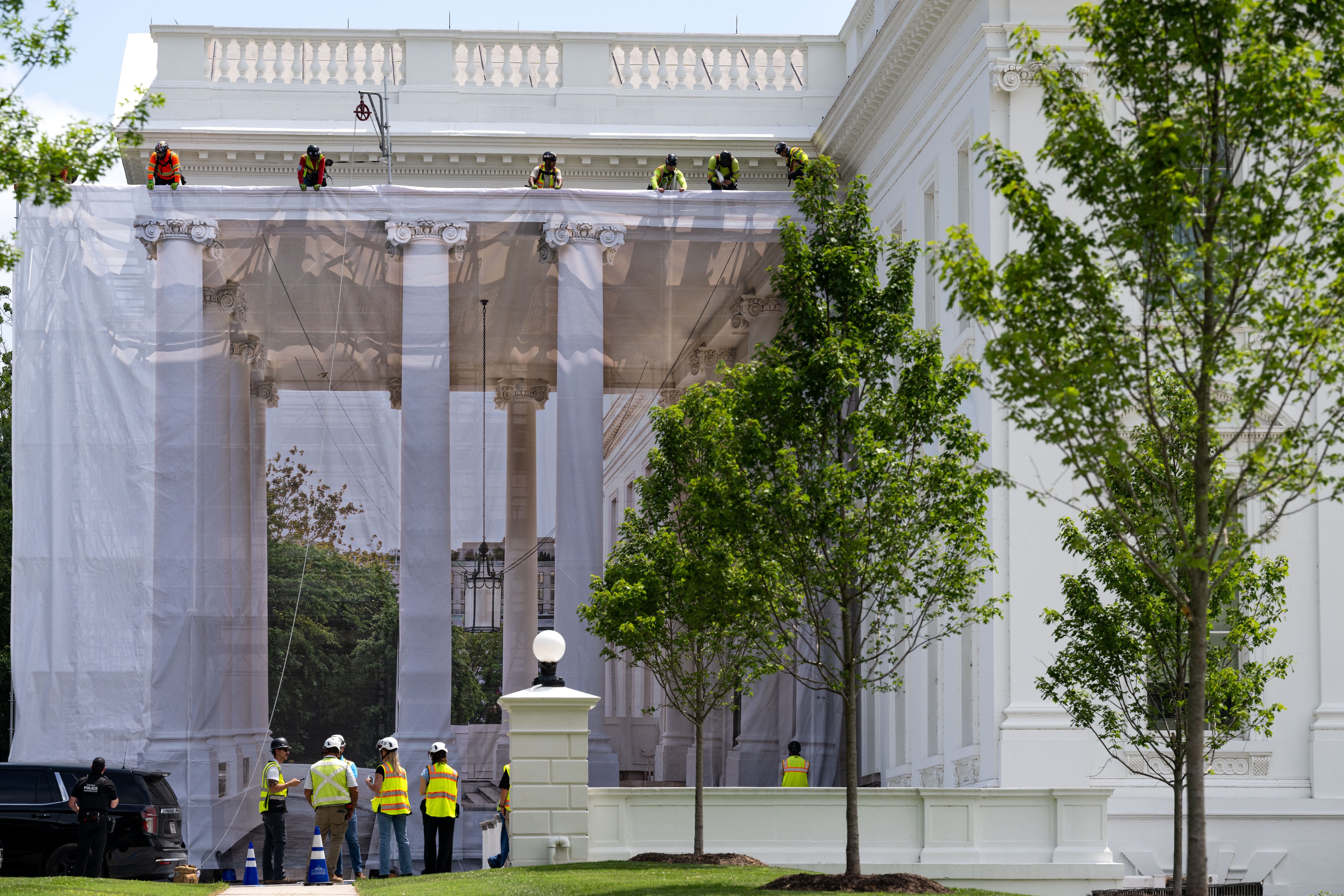
The White House is the President’s home and the seat of executive power. It is also federal property, a historic site, and a workplace embedded in a dense web of statutes, contracts, security protocols, and preservation rules. That mix creates the real question that comes up any time a White House project draws legal fire: who has authority to alter the executive residence, and when can courts pause an executive branch project while the legal dispute plays out?
Join the Discussion
First principles
Article II vests “the executive Power” in the President, but it does not give a personal property right in the White House. The building is an asset of the United States. That matters because federal property is generally governed by statutes enacted by Congress, and by agencies acting under delegated authority.
In practice, operational control is shared and specialized. Protective security is led by the U.S. Secret Service. The Executive Residence staff and related White House facilities offices handle day-to-day residence operations. The National Park Service maintains the surrounding parkland that is part of President’s Park and manages many adjacent public-facing grounds and features. For construction and contracting, different federal procurement channels can be involved depending on the scope and funding. The key point is not which acronym is “in charge,” but that projects are typically carried out through an executive-branch agency or office operating under statutory and appropriations constraints.
So the constitutional baseline looks like this:
- Congress writes the rules for federal property, spending, procurement, preservation, and environmental review.
- The executive branch executes those rules, proposes projects, and manages implementation through the relevant offices and agencies.
- The courts decide whether the executive is following the law when challenged in a proper case.
Why courts can pause construction
Most “blocked construction” stories are really about a court issuing an injunction. An injunction is a pause button. It does not decide the case forever. It stops something from happening now because a judge believes letting it proceed could cause harm that cannot be repaired after the fact.
For federal projects, plaintiffs often ask for a temporary restraining order or a preliminary injunction. Courts typically weigh familiar factors, including whether the challengers are likely to win on the law, whether the harm is irreparable without a pause, and how the equities and public interest cut.
In plain English: if the project goes forward and later turns out to be unlawful, can you un-pour the concrete? Can you restore a removed historic feature? Judges are often willing to pause first and litigate second when the harm is hard to undo.
This is not courts “running” the executive branch. It is the judiciary doing what Article III courts are designed to do: resolve legal disputes and provide remedies when a plaintiff shows a legal violation.
The laws that often matter
The Constitution is the frame, but statutes are the wiring. White House work can implicate multiple legal regimes at once, and lawsuits often hinge on process, not aesthetics.
Historic preservation
The White House complex is a National Historic Landmark. That does not mean no one can ever change anything. It means changes can trigger federal preservation duties, especially the National Historic Preservation Act (often discussed through its Section 106 consultation process). A typical flashpoint is whether the government properly identified historic resources, considered effects, consulted as required, and documented alternatives.
Preservation disputes can produce strong injunction arguments because once historic fabric is removed or altered, the harm is effectively permanent.
Environmental review
Federal actions can trigger the National Environmental Policy Act (NEPA). But “trigger” does not always mean a full public environmental impact statement, especially where security constraints are real and agencies rely on narrower reviews or categorical exclusions. Still, when NEPA applies, the recurring legal claim is procedural: the government must take the steps the statute requires before moving dirt.
Administrative law and the record
Many of these challenges are litigated under the Administrative Procedure Act (APA), which is where the familiar “was the agency arbitrary and capricious” and “did it follow required procedures” questions live. These cases often turn less on speeches and more on paperwork: what the agency decided, what it considered, and what the administrative record shows.
Procurement and contracting
Building is also buying: design services, construction contracts, subcontractors, materials. Procurement rules are dense, and bid protests or contracting disputes can halt or delay work. Depending on the posture, these disputes may be litigated in specialized venues (including protests that go to the Government Accountability Office or to federal court under procurement statutes). The legal fight is usually not about the President’s taste. It is about whether the government followed the procurement framework Congress created.
Appropriations and scope
Congress controls the purse. Sometimes “blocked” really means: funds are limited to a particular scope, and the dispute is whether the executive exceeded what Congress authorized. Even if a project is legally permissible in the abstract, it can become unlawful if it is financed or structured outside the appropriation.
Who approves what
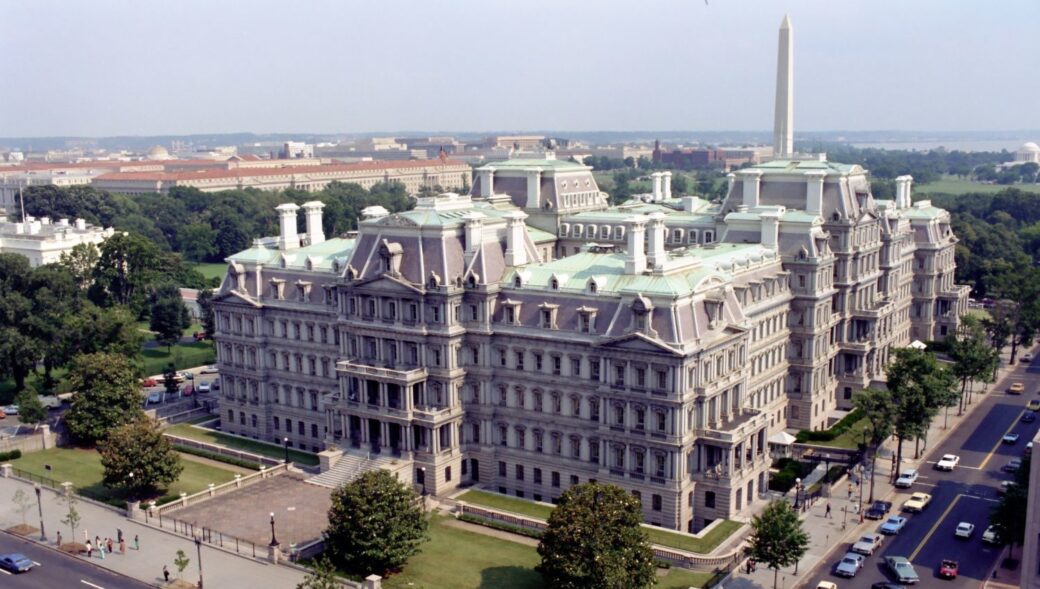
There is no single “approval switch,” because approvals are layered.
- Executive branch decision-making: White House offices and security officials identify needs and constraints, then develop a project plan.
- Agency execution: the relevant agency or office oversees compliance steps and contracting under its statutory authority.
- Congressional constraints: appropriations language and statutory limits define what is fundable and what procedures must be followed.
- External consultation: preservation and planning processes can require consultation with expert bodies and stakeholders, depending on the statute and the site.
Two concrete examples of what “layered” can look like in practice:
- A security-driven perimeter change might be operationally led by the Secret Service, but still require preservation consultation if it affects protected historic features.
- A renovation funded through a specific line item might be legally fine in concept, but unlawful if the project scope expands beyond what Congress appropriated.
When a lawsuit lands, the “approval” question usually becomes: did the government complete the steps Congress required before it acted?
Can the Supreme Court clear a project
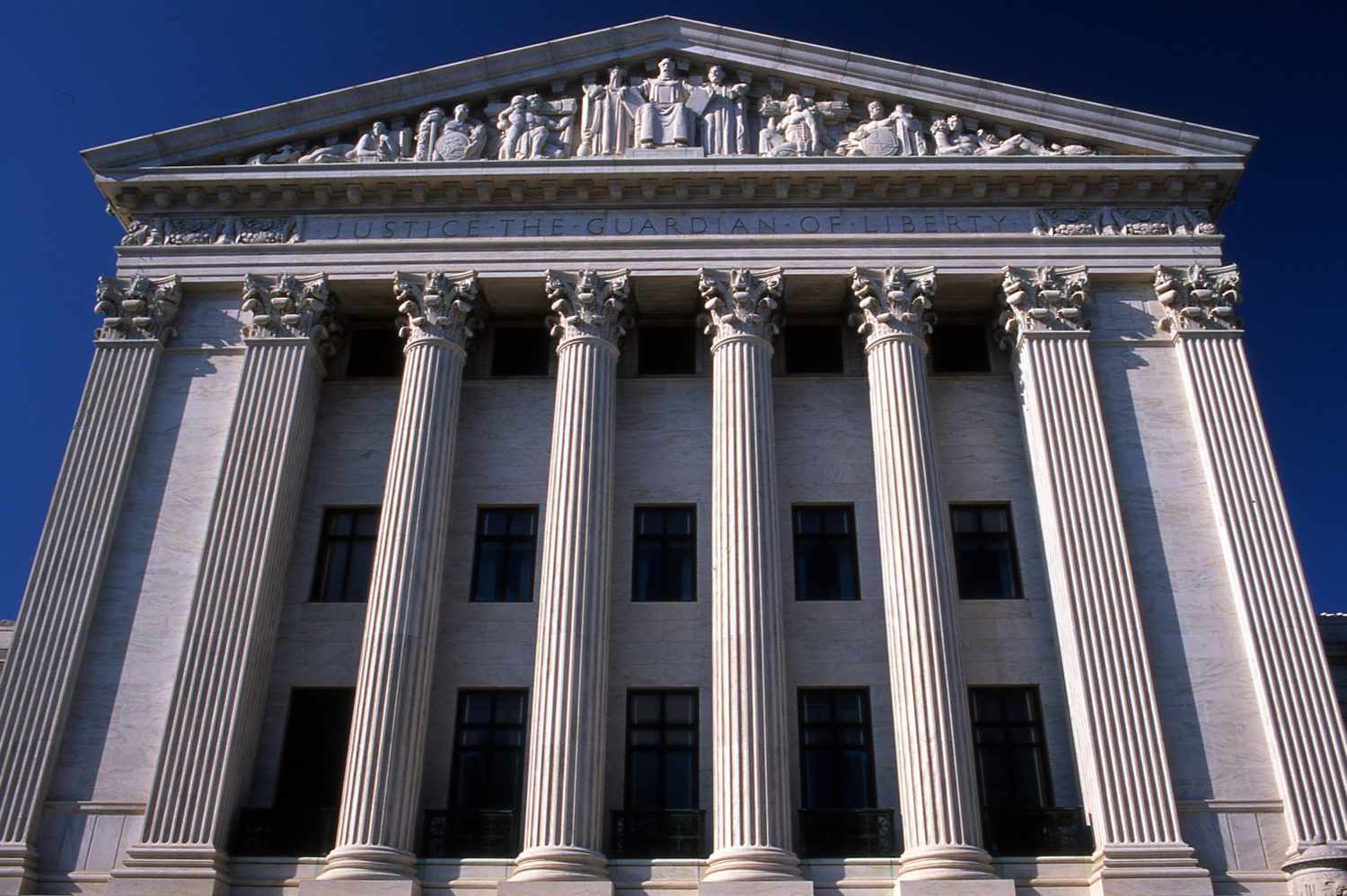
The Supreme Court cannot wave a wand and authorize construction simply because the President asks. What it can do is narrower: it can review lower court rulings and decide whether an injunction should remain in place.
In emergency posture, the government often seeks a stay of an injunction. A stay temporarily suspends the lower court’s order, which can allow work to proceed while the appeal continues.
The Court’s analysis tends to track familiar themes: how strong the legal position appears at that stage, whether harms on either side are irreparable, and how the public interest weighs the competing risks. Projects tied closely to executive protection and national security can affect the balancing, but they do not erase judicial review. Courts still ask: what is the legal authority, and was the process lawful?
One grounding example
If the framework feels abstract, consider the pattern in many federal construction and land-use cases: challengers sue the responsible agency (not “the building” and usually not the President personally) and argue the agency skipped a required step under NEPA, the NHPA, procurement law, or appropriations limits. Courts then decide whether to pause work while the case proceeds.
A well-known illustration of the “pause first” dynamic is the Supreme Court’s 2008 decision in Winter v. Natural Resources Defense Council, a case about whether to enjoin Navy training exercises over alleged environmental compliance defects. The Court emphasized that injunctions are an equitable remedy and that courts must weigh harms and the public interest, including national security considerations. The lesson translates even to high-profile federal facilities disputes: process challenges can be real, but remedies depend on balancing and proof.
Separation of powers
The separation of powers instinct is right: judges should not micromanage the executive branch. But that principle has limits in both directions.
What courts generally will not do
Courts generally will not choose a design, select a contractor, or supervise day-to-day implementation. Remedies are supposed to be legal, not managerial.
What courts can do
Judicial review exists precisely because executive power is powerful. If Congress requires consultation, analysis, competitive procurement, or adherence to preservation standards, a court can order compliance. That can include pausing construction when a violation is plausible and the harm would be irreversible.
The White House is symbolically unique, but it is still subject to law.
What to watch in a lawsuit
If you want to understand why a project is stuck, ignore the rhetoric and look for these practical legal questions:
- Who is being sued, and where? Often it is a federal agency or official in an official capacity, frequently in the U.S. District Court for the District of Columbia, with appeals commonly to the D.C. Circuit.
- What is the legal theory? NHPA Section 106 process, NEPA compliance, procurement rules, appropriations limits, or something else.
- Do the plaintiffs have standing? Courts require a concrete injury, not generalized disagreement.
- What remedy is requested? A narrow pause to complete a specific step is different from a permanent ban.
- What did the government document? Administrative law disputes live and die on the record.
- Is there a national security component? That can affect deference and urgency, but not eliminate review.
The deeper civics lesson
Americans often talk about the White House as if it is an extension of the President’s person. Constitutionally, it is closer to the opposite: it is a reminder that the presidency is an office, built into a system that assumes conflict and channels it into process.
The executive branch needs speed, secrecy, and operational control. The law demands documentation, statutory compliance, and reasons that can be defended in court. When those values collide, injunctions happen. Not because the President is powerless, but because executive power in the United States is designed to be exercised inside legal boundaries that courts can enforce.
Quick FAQ
Why is White House construction blocked?
Usually because a court issued an injunction after challengers argued the government failed to comply with legal requirements such as NHPA consultation, NEPA process, procurement rules, or appropriations limits.
Can courts stop the President from renovating the White House?
Courts can temporarily stop an executive branch project if it likely violates the law and would cause irreparable harm. Courts are less likely to dictate the operational details once legal compliance is established.
Does the President have total authority over the executive residence?
The President has broad operational authority, especially related to security, but the White House is federal property governed by statutes Congress enacted. The executive must comply with those statutes unless a specific lawful exception applies.
Can the Supreme Court immediately allow construction to resume?
The Court can stay a lower court injunction if the standards for emergency relief are met. It cannot approve a project simply as a policy preference.